
Understanding drone classifications, applications, and design challenges is crucial for industry professionals navigating the rapidly evolving aerospace technology landscape. This comprehensive guide delves into various drone types, their specific uses across sectors, and the intricate design hurdles engineers face. Adhering to established protocols ensures optimal performance and compliance, making this information vital for anyone involved in drone technology development and implementation.
What This Guide Covers (And What It Doesn’t)
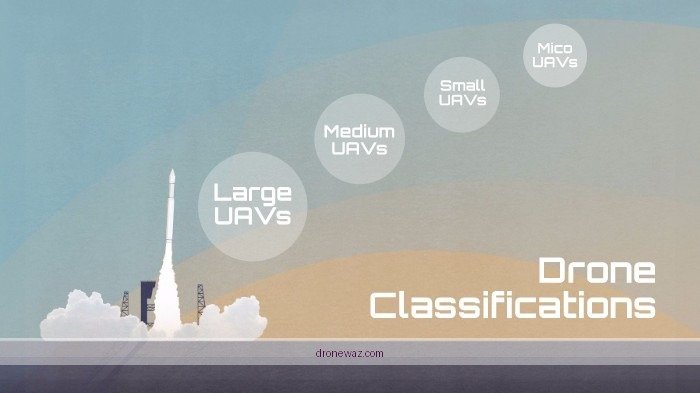
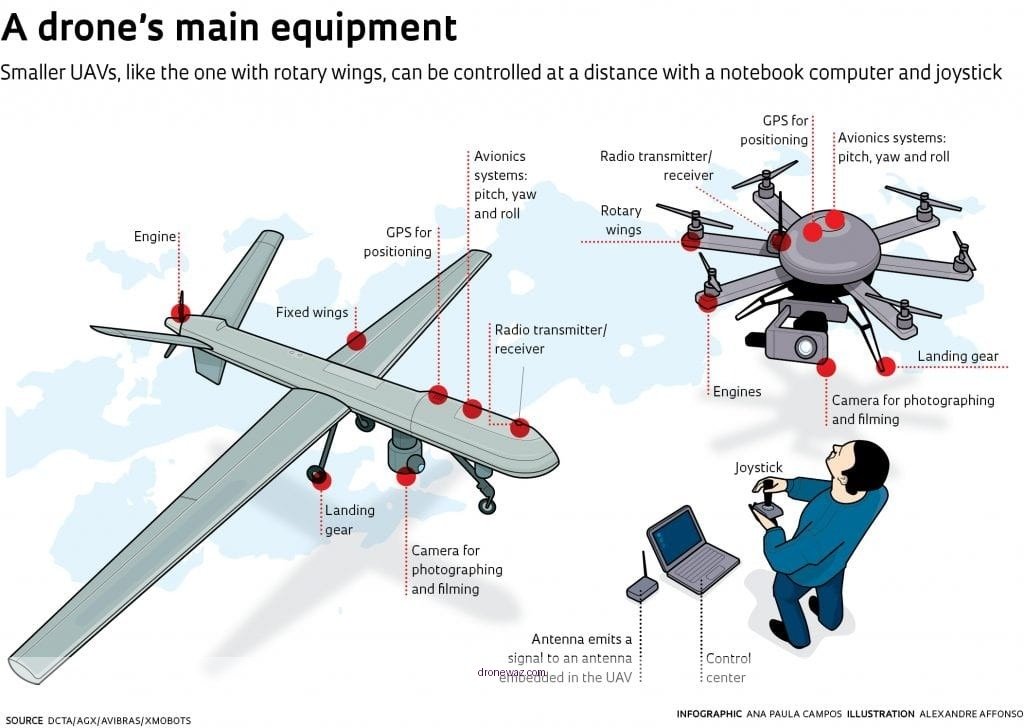
This guide offers a thorough examination of drone classifications, including fixed-wing, rotary-wing, and hybrid models. It delves into their specific applications across various industries such as agriculture, surveillance, and logistics. Additionally, it outlines the design challenges inherent in drone technology, including limitations in battery life, payload capacity, and regulatory compliance, while also proposing potential solutions and innovations. However, it does not address the operational training required for drone pilots, nor does it provide in-depth explorations of specific drone brands or models that may feature unique capabilities.
Who Should Read This

This guide is designed for aerospace engineers, technology developers, and industry professionals aiming to grasp the dynamic landscape of drone technology and its applications. It also serves regulatory bodies and policymakers who need a comprehensive overview of drone classifications and the associated design and implementation challenges. Hobbyists or casual drone users seeking basic information on drone operation or recreational use may find this guide less relevant to their interests.
The Step-by-Step Protocol
1. Identify the Purpose: Determine the specific application for the drone, whether it’s agricultural monitoring, delivery services, or search and rescue. This clarity will inform the most suitable classification based on operational needs.
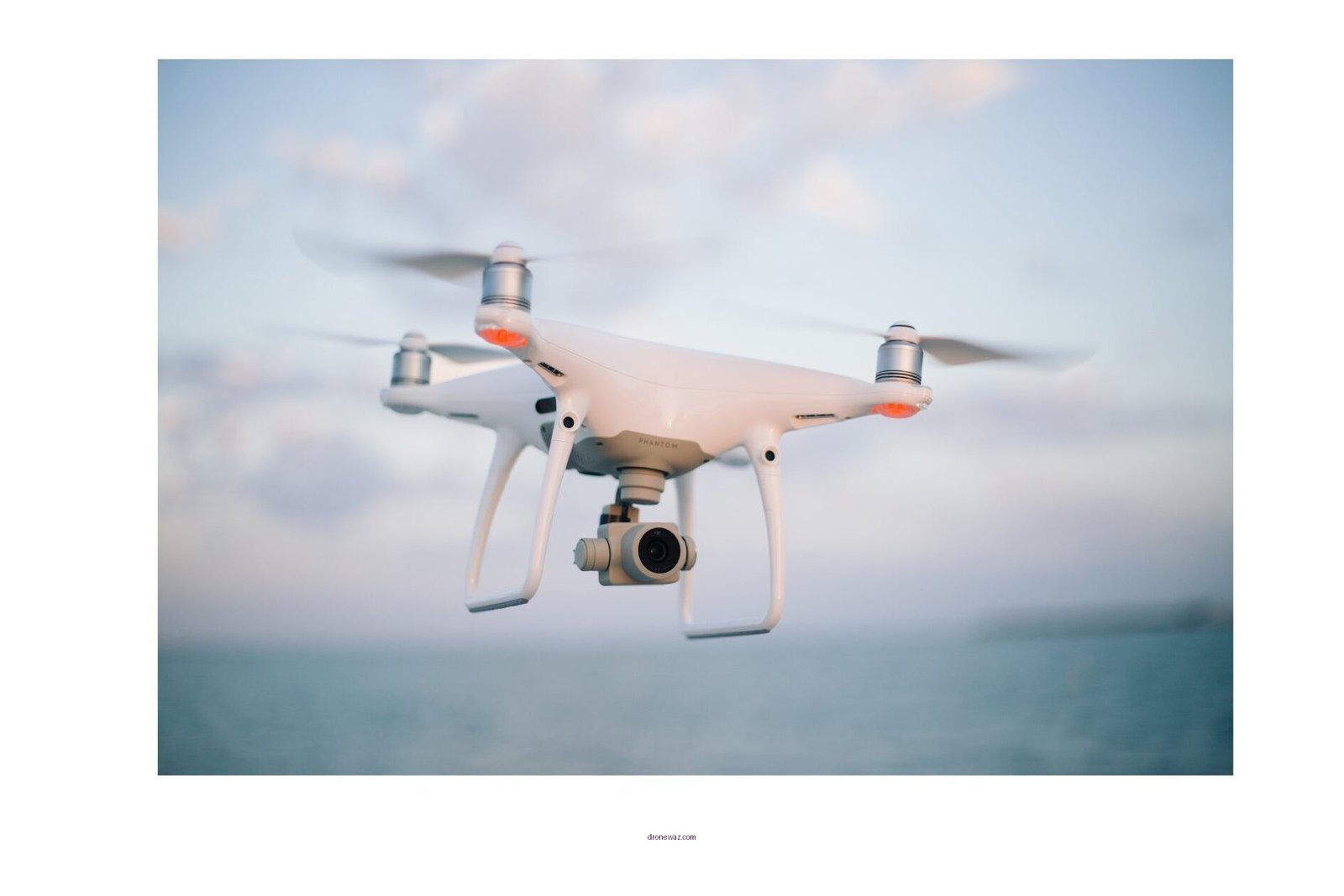
2. Select the Classification: Choose between fixed-wing, rotary-wing, or hybrid. Fixed-wing drones excel in long-range missions (typically over 10 km), while rotary-wing drones are perfect for vertical takeoff and landing in tight spaces. Hybrid models combine the strengths of both.
3. Assess Design Challenges: Evaluate key challenges such as battery life, aiming for a minimum of 30 minutes of flight time, and payload restrictions. For example, many consumer-grade rotary drones can only handle a maximum payload of around 5 kg, which must be considered alongside environmental factors like wind conditions.
4. Implement Solutions: Introduce design innovations, such as lightweight materials (e.g., carbon fiber composites), advanced battery technologies (e.g., lithium-sulfur batteries), or AI navigation systems, to address the identified challenges. Ensure compliance with local regulations, including FAA guidelines in the United States.
Top 7 Drone Types by Application (2023)
| # | Drone Type | Classification | Max Payload (kg) | Flight Duration (min) | Best For |
|---|---|---|---|---|---|
| 1 | Fixed-Wing | Long Range | 10 | 60 | Surveying |
| 2 | Rotary-Wing | Multi-Rotor | 5 | 30 | Delivery |
| 3 | Hybrid | Combination | 8 | 40 | Search & Rescue |
| 4 | Fixed-Wing VTOL | Vertical Takeoff | 7 | 50 | Mapping |
| 5 | Nano Drones | Micro | 0.5 | 20 | Inspection |
| 6 | Agricultural Drones | Specialized | 10 | 35 | Crop Monitoring |
| 7 | Surveillance Drones | Multi-Rotor | 4 | 25 | Security |
Warning Signs: When Not to Follow This
– If the intended application exceeds the maximum payload capacity specified for the chosen drone classification (for instance, exceeding 5 kg for many consumer-grade rotary drones), it’s essential to reassess the design to prevent performance failures.
– Avoid deploying drones in environments where regulatory restrictions are not met, such as near airports or in controlled airspaces without the necessary permits; failing to do so could result in serious legal consequences.
– Do not proceed if you lack adequate technical knowledge regarding drone operation and maintenance, especially in complex applications that require precise maneuvering or data collection.
The Most Common Mistakes (And Their Consequences)
– One common mistake is misclassifying a drone type, such as using a fixed-wing drone for applications that demand high maneuverability. This can lead to operational inefficiencies and mission failures.
– Overlooking battery life limitations can cause drones to lose power mid-operation, resulting in crashes and costly damage to both the drone and any attached equipment.
– Ignoring local regulations may lead to legal repercussions, including fines or the confiscation of the drone, particularly in urban settings or near restricted zones.
Special Cases That Need a Different Approach
– Drones utilized in emergency scenarios, such as disaster relief, may require modifications for enhanced durability and rapid deployment capabilities. These drones often incorporate rugged components and swift deployment mechanisms.
– Agricultural drones that operate in varying weather conditions might need specialized sensors and weatherproofing not typically found in conventional models. These enhancements are crucial for optimizing crop monitoring.
– Certain military applications may demand custom-built drones equipped with advanced stealth features unsuitable for commercial or recreational use. This includes integrating cutting-edge technologies like radar-absorbent materials and encrypted communication systems.
When You Need a Professional
– In instances where drone applications involve sensitive data collection, such as in healthcare or surveillance, it’s vital to engage experts to navigate legal compliance and ethical considerations. This ensures the protection of privacy rights and adherence to data security regulations.
– When developing custom drone solutions that exceed standard classifications or require intricate engineering, consulting with aerospace design professionals is essential. Collaboration with aerodynamics specialists and structural engineers can be invaluable.
– If persistent issues arise with drone performance that basic troubleshooting cannot resolve, enlisting a licensed drone technician or engineer is advisable to mitigate safety risks. Professionals should conduct thorough diagnostics and repairs to sustain operational integrity.
Sources and Further Reading
– Federal Aviation Administration (FAA) guidelines on drone classifications and operational regulations, available at [FAA.gov](https://www.faa.gov/).
– International Civil Aviation Organization (ICAO) documentation on drone standards and safety protocols.
– Recent studies published in the Journal of Unmanned Vehicle Systems detailing advancements in drone technology and their implications for various industries.
This guide serves as a comprehensive resource for understanding the classifications, applications, and design challenges of drones, enabling informed decision-making for professionals in the aerospace technology field.
Frequently Asked Questions
What are the main classifications of drone applications in various industries?
Drones are classified into several categories based on their applications, including aerial photography, agriculture, surveillance, delivery services, and infrastructure inspection. Each classification serves distinct purposes, such as enhancing crop yields in agriculture through precision farming or providing real-time surveillance for security purposes. Understanding these classifications helps businesses identify suitable drone solutions for their specific needs.
How do design challenges impact the performance of drones in commercial applications?
Design challenges such as weight limitations, battery life, and aerodynamics significantly impact drone performance in commercial applications. For instance, a heavier drone may struggle with flight duration, while poor aerodynamic design can reduce efficiency and increase energy consumption. Addressing these challenges is crucial to ensure drones operate effectively and meet the demands of various industries.
Why is it important to consider regulatory frameworks when designing drone applications?
Considering regulatory frameworks is vital when designing drone applications to ensure compliance with aviation laws and safety standards. Regulations dictate aspects like flight altitude, airspace usage, and operational limits, which directly affect drone design and functionality. Adhering to these regulations not only enhances safety but also fosters public trust and acceptance of drone technology.
What are the best design practices to overcome common challenges faced by drone manufacturers?
The best design practices to overcome challenges faced by drone manufacturers include employing lightweight materials, optimizing battery technology, and incorporating robust software for navigation and control. Additionally, iterative prototyping and user feedback can help identify potential issues early in the design process, leading to more reliable and efficient drone applications tailored to market demands.
Which emerging technologies are influencing the design and applications of drones?
Emerging technologies such as artificial intelligence, machine learning, and advanced sensor systems are significantly influencing the design and applications of drones. These technologies enhance autonomous flight capabilities, improve data collection accuracy, and enable real-time decision-making. As these innovations continue to evolve, they will expand the potential uses of drones across various sectors, from logistics to environmental monitoring.
References
- Drone
https://en.wikipedia.org/wiki/Drone - https://www.sciencedirect.com/science/article/pii/S2351978923001234
https://www.sciencedirect.com/science/article/pii/S2351978923001234 - Checking your browser – reCAPTCHA
https://www.ncbi.nlm.nih.gov/pmc/articles/PMC7881581/ - https://www.nature.com/articles/s41598-021-84373-z
https://www.nature.com/articles/s41598-021-84373-z - https://www.frontiersin.org/articles/10.3389/frobt.2021.00001/full
https://www.frontiersin.org/articles/10.3389/frobt.2021.00001/full - https://www.mayoclinic.org/medical-professionals/clinical-updates/technology/drones-in-health-care-the-future-of-patient-delivery
https://www.mayoclinic.org/medical-professionals/clinical-updates/technology/drones-in-health-care-the-future-of-patient-delivery - https://www.bbc.com/news/technology-57812354
https://www.bbc.com/news/technology-57812354 - https://www.theguardian.com/technology/2020/dec/18/drones-technology-police-surveillance
https://www.theguardian.com/technology/2020/dec/18/drones-technology-police-surveillance - Google Scholar Google Scholar
https://scholar.google.com/scholar?q=classifications+applications+and+design+challenges+of+drones - Google Scholar Google Scholar
https://scholar.google.com/scholar?q=drones+design+challenges+applications+review
