

The future of drone-based medical supply delivery holds the potential to dramatically enhance healthcare logistics, particularly in reaching remote and underserved communities. By leveraging advanced drone technology, healthcare providers can ensure the timely delivery of critical medical supplies, including medications, vaccines, and emergency equipment, thereby significantly improving patient outcomes. In this article, we’ll explore the key advancements in drone technology, the benefits of these systems, successful case studies, regulatory challenges, future trends, and public perception regarding drone deliveries in the medical field.
Advancements in Drone Technology
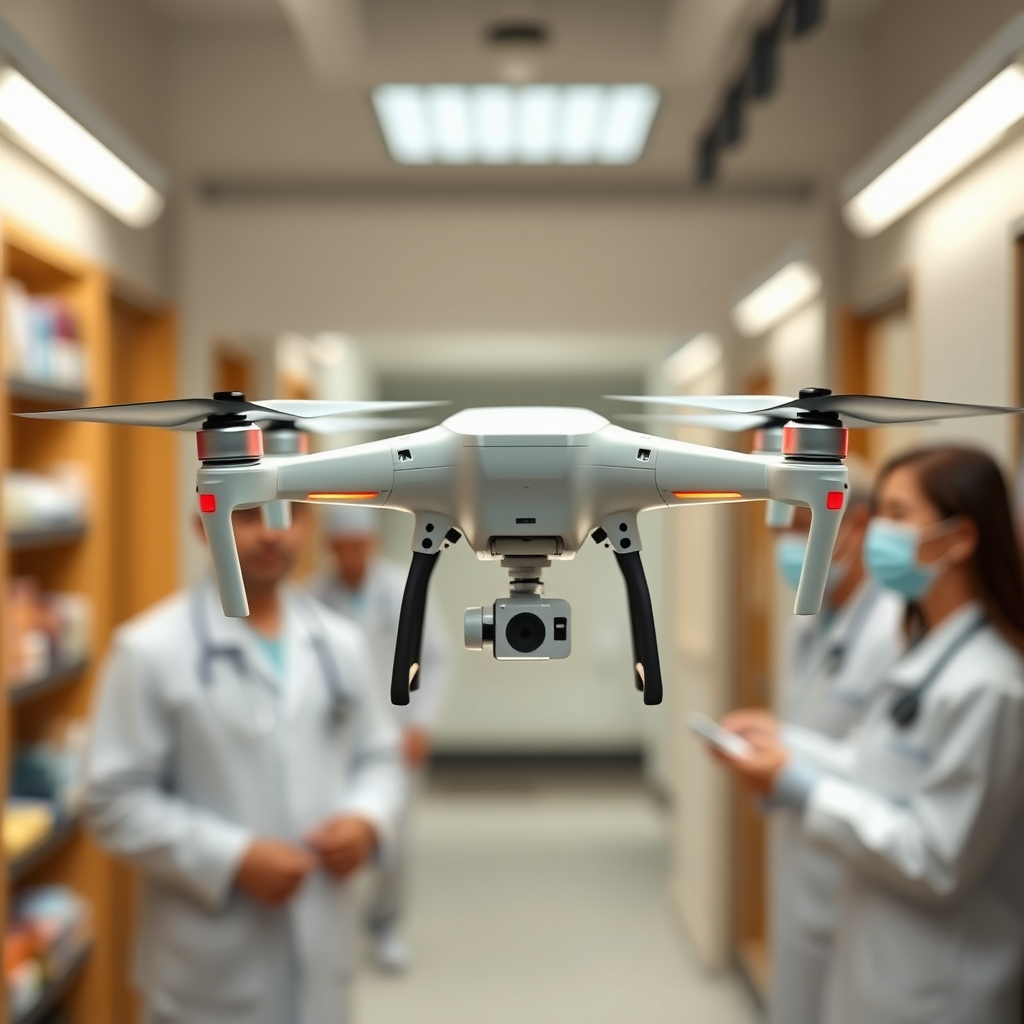
The landscape of drone technology is rapidly evolving, and significant advancements are paving the way for its application in medical supply delivery. One of the most notable improvements is the increased payload capacity of modern drones. While early models could carry only small packages, new designs can transport larger medical supplies, such as blood bags and multiple vaccine doses, thus broadening the range of products that can be delivered. For instance, Zipline, a leading drone delivery service, has developed drones capable of carrying up to 1.75 kilograms, making it feasible to deliver larger quantities of essential medical supplies.
In addition to payload capacity, enhanced navigation and obstacle avoidance systems have been integrated into modern drone designs. These systems utilize advanced algorithms and sensors to navigate complex environments, thereby improving delivery accuracy and safety. Drones are now equipped with GPS, LIDAR, and computer vision technologies, allowing them to avoid obstacles and adapt to changing conditions during flight. This technological sophistication is crucial in urban settings, where buildings and other structures can impede flight paths, ensuring that deliveries are made efficiently and safely.
Benefits of Drone Delivery in Healthcare
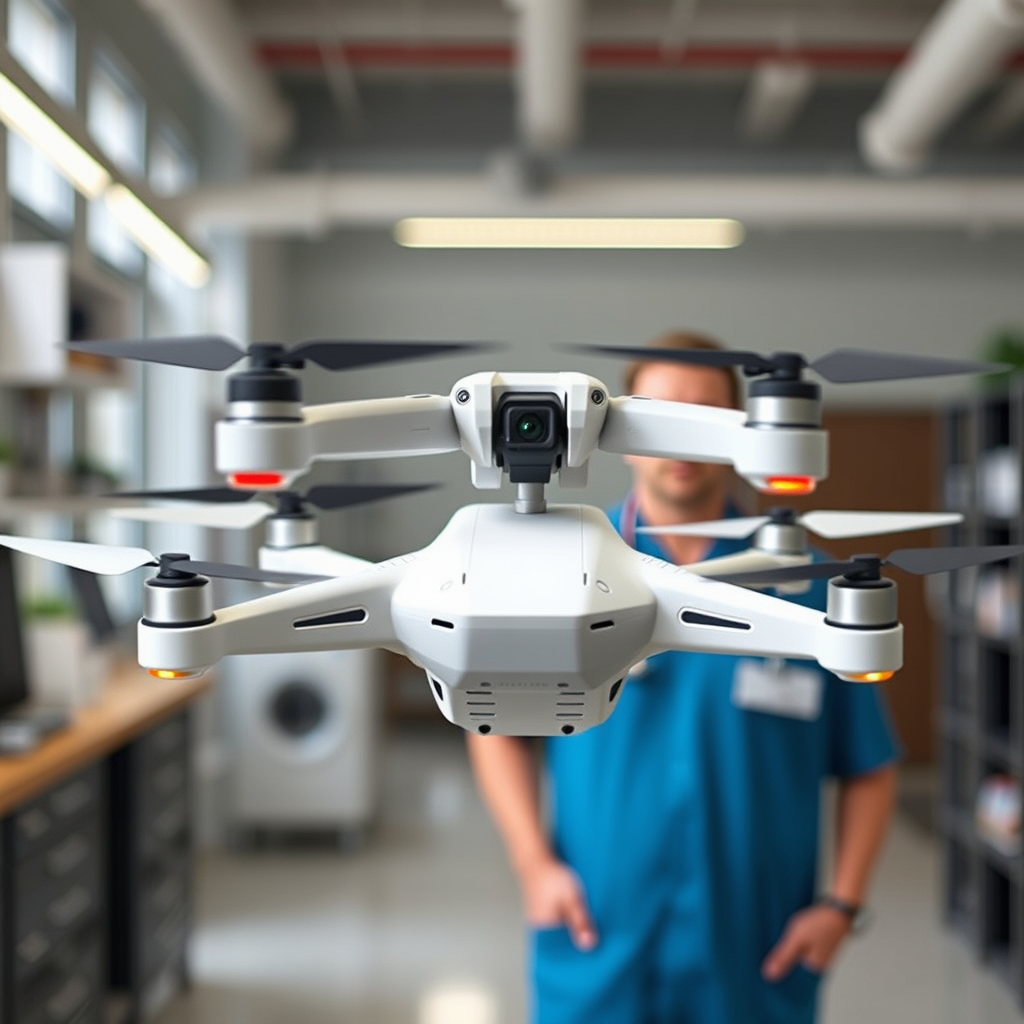
The benefits of drone delivery in healthcare are manifold, with rapid delivery times being one of the most critical advantages. In emergency situations, such as natural disasters or medical crises, the ability to deliver life-saving supplies within minutes can be the difference between life and death. For example, in Rwanda, drones have been successfully used to deliver blood supplies to remote hospitals, reducing delivery times from hours to minutes and significantly increasing the availability of vital resources.
Moreover, drone delivery can lead to substantial cost savings compared to traditional transportation methods. By bypassing the need for extensive road networks and other infrastructure, drones can reduce logistical costs associated with medical supply transportation. A study conducted by the World Economic Forum found that drone deliveries could lower costs by up to 50% in certain scenarios, making essential medical supplies more accessible to underserved populations.
Case Studies of Successful Implementations
Several countries have already begun to implement drone delivery systems in healthcare, yielding promising results. In Rwanda, the government partnered with Zipline to establish a drone delivery network for blood and medical supplies. Since its inception, the program has successfully completed thousands of deliveries, significantly improving access to life-saving blood transfusions in rural areas. This initiative has not only streamlined logistics but has also minimized wastage, as drones can deliver supplies just in time for use.
Similarly, Ghana has embraced drone technology to enhance its vaccination program. The country has utilized drones to deliver vaccines to remote health facilities, ensuring that immunization rates remain high despite geographical barriers. These successful implementations provide valuable lessons for other nations looking to enhance their healthcare logistics through drone technology, illustrating the potential for scalability and adaptability in various contexts.
Regulatory Challenges and Solutions
Despite the promising advancements in drone technology, regulatory challenges remain a significant barrier to widespread adoption in the medical field. Current regulations governing drone flights vary significantly across countries, often requiring extensive approvals and certifications that can delay deployment. For instance, the Federal Aviation Administration (FAA) in the United States has established stringent rules for drone operations, which can hinder innovative delivery solutions in healthcare.
To overcome these regulatory hurdles, potential solutions include fostering collaborations between healthcare providers, drone manufacturers, and regulatory bodies. By engaging in dialogue and sharing data, stakeholders can develop frameworks that prioritize safety while encouraging innovation. Additionally, creating designated air corridors for medical drone deliveries could streamline operations and ensure compliance with safety regulations.
Future Trends in Drone Medical Delivery
Looking ahead, the integration of artificial intelligence (AI) and automation is poised to further enhance drone operations in healthcare. AI-driven algorithms can optimize delivery routes in real-time, taking into account factors such as weather conditions, air traffic, and urgent supply requests. This increased efficiency can lead to even faster delivery times and improved resource management.
Furthermore, partnerships between technology companies and healthcare providers are likely to drive innovation in drone-based medical delivery. As the healthcare sector increasingly recognizes the value of drone technology, collaborations can lead to tailored solutions that address specific needs, such as cold chain logistics for vaccine transportation. As these partnerships evolve, we can expect to see a growing number of pilot programs and initiatives that showcase the capabilities of drone delivery in diverse healthcare scenarios.
Public Perception and Acceptance
Public perception plays a crucial role in the successful implementation of drone delivery services in healthcare. Many communities may initially feel apprehensive about the use of drones, associating them with privacy concerns or noise pollution. Therefore, it is essential for stakeholders to actively engage with communities to foster understanding and acceptance of this innovative technology.
Strategies to improve public trust include transparent communication about the benefits of drone deliveries, such as enhanced access to medical supplies and improved health outcomes. Community demonstration events showcasing successful drone deliveries can also help alleviate concerns and build excitement around the technology. By involving local stakeholders and addressing their concerns, healthcare providers can cultivate a sense of ownership and support for drone initiatives.
The advancements in drone technology for medical supply delivery can potentially transform healthcare logistics, making it more efficient and responsive. By understanding the benefits, challenges, and future trends, stakeholders can better prepare for this innovative shift. Embrace the change by exploring local initiatives and engaging with healthcare providers to support the integration of drone technology. As this field continues to evolve, it is imperative to remain informed and adaptable to harness the full potential of drones in healthcare.
Frequently Asked Questions
What are the benefits of using drones for medical supply delivery?
Drones offer several significant benefits for medical supply delivery, including rapid transportation, reduced delivery times, and access to remote or hard-to-reach areas. By utilizing drone technology, healthcare providers can expedite the delivery of essential supplies like vaccines, medications, and blood products, ultimately saving lives during emergencies. Additionally, drones can help reduce logistical costs associated with traditional delivery methods, making healthcare more efficient and accessible.
How do drone-based medical supply deliveries ensure safety and compliance?
Ensuring safety and compliance in drone-based medical supply deliveries involves adhering to strict regulatory guidelines set by aviation authorities, such as the Federal Aviation Administration (FAA) in the U.S. Drones are equipped with advanced navigation systems, collision avoidance technology, and real-time monitoring to ensure safe flights. Furthermore, operators often conduct regular maintenance checks and pilot training to comply with industry standards, thus preserving the integrity of medical supplies during transport.
Why are drones considered a game-changer in emergency medical response?
Drones are considered a game-changer in emergency medical response because they can deliver critical supplies in a fraction of the time it would take traditional ground transportation. In emergency situations, every second counts; drones can bypass traffic, natural obstacles, and rugged terrain to reach patients quickly. This capability is particularly vital in rural areas or disaster-stricken regions where timely access to medical supplies can significantly impact patient outcomes.
What challenges do drone-based medical supply delivery systems face?
Despite their potential, drone-based medical supply delivery systems face several challenges, including regulatory hurdles, technological limitations, and public acceptance. Regulatory frameworks can vary significantly across regions, complicating operations. Additionally, while drone technology is advancing, issues such as battery life, payload capacity, and weather dependencies still present barriers to widespread implementation. Building public trust and addressing privacy concerns are also critical for the successful adoption of this innovative delivery method.
Which companies are leading the way in drone-based medical supply delivery?
Several companies are at the forefront of drone-based medical supply delivery, including Zipline, Wingcopter, and UPS Flight Forward. Zipline, in particular, has gained recognition for its extensive operations in countries like Rwanda and Ghana, where it delivers blood and vaccines. Wingcopter and UPS Flight Forward are also making strides in the U.S. and Europe, focusing on partnerships with healthcare organizations to develop reliable delivery networks that enhance healthcare logistics and patient care.
References
- https://www.who.int/news-room/feature-stories/detail/drones-in-healthcare-how-they-are-helping-to-deliver-medical-supplies-in-remote-areas
- https://www.ncbi.nlm.nih.gov/pmc/articles/PMC7468796/
- https://www.ama-assn.org/delivering-care/public-health/drones-medical-supply-delivery-promise-and-challenges
- https://www.sciencedirect.com/science/article/pii/S2351978921001668
- https://www.theguardian.com/global-development/2021/jul/14/drones-to-deliver-medical-supplies-to-remote-areas-in-uk
- https://www.reuters.com/business/aerial-delivery-drones-are-changing-medical-supply-chain-2021-07-26/
- https://www.nature.com/articles/s41598-021-98263-1
- https://www.bbc.com/news/world-africa-53515680
