
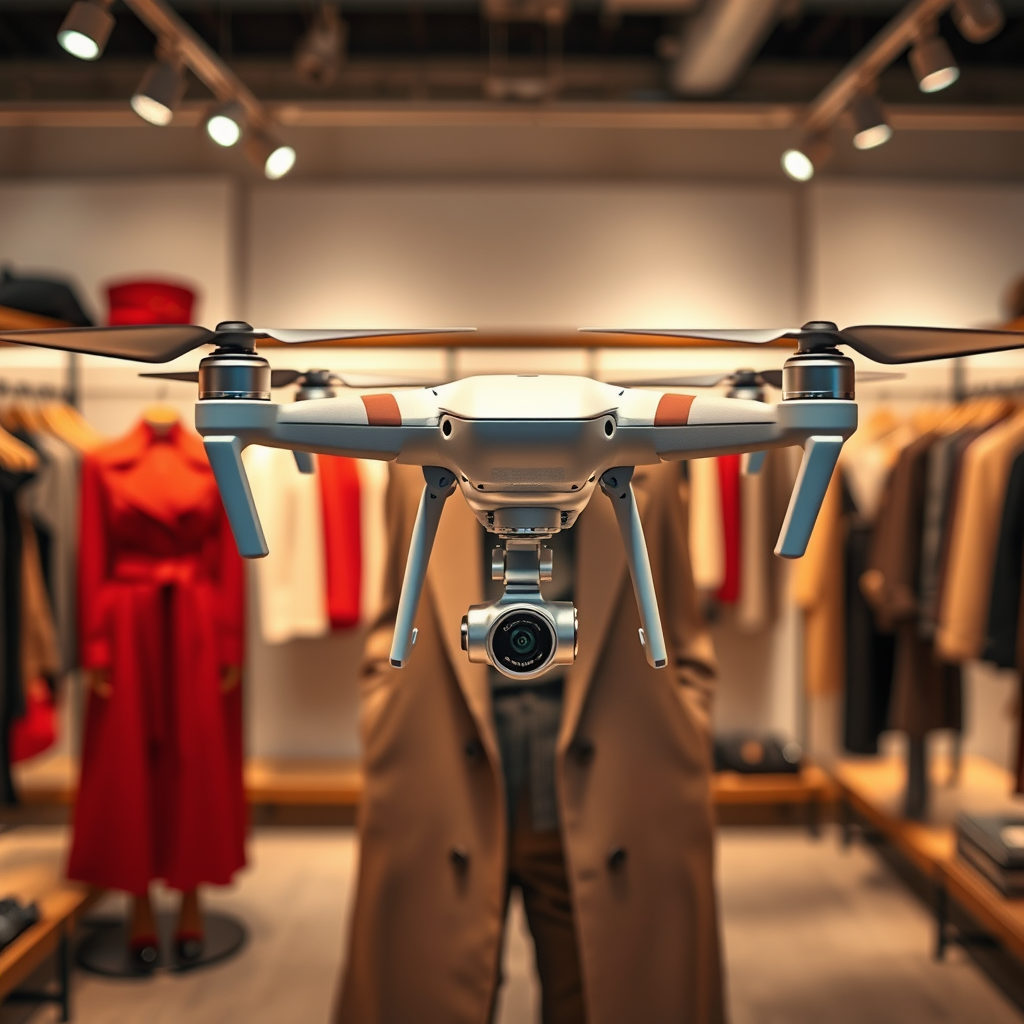
The future of drone photography in 2025 is poised for significant breakthroughs, driven by technological advancements and evolving regulations that will enhance creativity and accessibility in aerial imaging. As drones become more sophisticated and user-friendly, photographers will be able to capture stunning visuals across various industries with unprecedented ease. This article will delve into the key trends, innovations, and potential applications that are set to define the drone photography landscape in the coming years.
Emerging Technologies in Drone Photography

The integration of artificial intelligence (AI) in drone photography is rapidly changing the way images are captured and processed. AI algorithms are being developed to enhance image stabilization, enabling drones to take clearer, more detailed photographs even in challenging weather conditions or during high-speed maneuvers. Additionally, AI-driven image analysis tools can automatically select the best shots from a series of images, saving photographers substantial editing time and ensuring they capture the most captivating visuals.
Moreover, drones equipped with high-resolution cameras are becoming increasingly common. The development of sensors that can capture images in 8K resolution or higher allows for incredible detail and clarity, which is essential for applications like real estate and landscape photography. As manufacturers continue to innovate, we can expect drones with even better stabilization and camera technology, offering photographers the ability to produce professional-grade imagery with minimal effort.
Regulatory Changes Impacting Drone Use

As drone technology advances, so too do the regulations governing their use. By 2025, many countries are expected to implement more comprehensive frameworks that will dictate where, when, and how drones can be used, particularly in urban areas and near populated regions. These regulations will likely focus on safety, privacy, and airspace management, which could create new challenges and opportunities for drone photographers.
For instance, the Federal Aviation Administration (FAA) in the United States is expected to continue refining its Remote ID requirements, which will require drones to transmit their location and identification information. This change will not only enhance safety but will also provide a clearer path for commercial drone operations, allowing photographers to access previously restricted areas. Understanding these regulations will be crucial for photographers aiming to stay compliant while maximizing their creative opportunities.
Advancements in Battery Life and Flight Duration
Battery technology has historically been a limiting factor in drone performance, but recent advancements are leading to significant improvements in flight times and operational range. New lithium-sulfur batteries, for example, have the potential to offer longer life cycles and faster charging times compared to traditional lithium-ion batteries. These innovations will enable drones to fly longer distances without needing frequent recharges, thereby expanding the scope of aerial photography projects.
In practical terms, enhanced battery life will allow drone photographers to capture extensive landscapes, perform detailed inspections, or conduct longer video shoots without interruption. This is particularly beneficial in fields such as agriculture, where drones are employed for crop monitoring over vast areas. As battery technology continues to evolve, the implications for both commercial and recreational photographers will be profound, enabling more ambitious and creative projects.
Integration of Augmented Reality (AR)
The incorporation of augmented reality (AR) into drone photography presents exciting possibilities for enhancing user experiences and creative outputs. AR technology can overlay digital information onto the real world, allowing photographers to visualize how different elements will appear in their shots before capturing them. For instance, AR could enable landscape photographers to see potential compositions with real-time adjustments to lighting and angles, making the planning process more efficient.
Furthermore, AR can facilitate real-time editing and visualization, allowing photographers to apply filters, adjust colors, and even simulate post-processing effects while still in the air. This capability not only streamlines the workflow but also empowers photographers to make immediate creative decisions, resulting in unique and compelling images that reflect their artistic vision.
The Rise of 360-Degree and VR Photography
As consumers increasingly seek immersive experiences, the demand for 360-degree and virtual reality (VR) photography is on the rise. By 2025, we can expect to see more photographers adopting these technologies to create engaging content that resonates with audiences. 360-degree cameras are becoming more accessible and easier to use, enabling photographers to capture panoramic views and provide viewers with an interactive experience.
Developments in software are also making it easier to stitch together 360-degree images seamlessly, allowing for higher quality outputs. Platforms like Matterport and Kuula are already popularizing this type of photography in real estate and tourism, where clients can take virtual tours of properties or attractions. As the technology evolves, we anticipate more industries will adopt these immersive formats, further enhancing the reach and impact of drone photography.
Applications in Various Industries
Drone photography is already proving invaluable across multiple sectors, and this trend is expected to continue growing. In real estate, aerial images from drones provide prospective buyers with a unique perspective of properties, showcasing not just the home but also its surroundings. For agriculture, drones equipped with specialized sensors can assess crop health, monitor irrigation, and optimize harvest planning, leading to increased efficiency and productivity.
Tourism is another sector where drone photography has made a significant impact. Stunning aerial visuals can entice travelers and enhance marketing campaigns, leading to increased bookings. Case studies, such as the use of drones in promoting national parks or resorts, highlight the effectiveness of aerial imagery in attracting visitors. As more industries recognize the value of drone photography, we can expect an expansion in its applications and a growing demand for skilled drone operators.
Future Market Trends and Predictions
The drone photography market is anticipated to experience robust growth over the next few years. According to industry forecasts, the global drone market could exceed $40 billion by 2025, with drone photography representing a significant portion of this growth. Factors contributing to this expansion include advancements in technology, increased consumer interest, and the growing recognition of drones as essential tools in various fields.
Consumer demand will play a pivotal role in driving innovation and competition within the industry. As more individuals and businesses seek to leverage drone photography for marketing, events, and creative projects, companies will be motivated to develop new solutions that address the evolving needs of users. This creates a dynamic landscape where photographers must stay informed and adapt to remain competitive.
As we look toward 2025, advancements in drone photography will not only enhance the capabilities of photographers but also expand the range of applications across various industries. Staying informed about these trends and preparing for the upcoming changes will be crucial for anyone involved in the field. Embrace the future of drone photography by exploring new technologies and considering how they might be integrated into your work.
Frequently Asked Questions
What advancements can we expect in drone photography by 2025?
By 2025, we can anticipate significant advancements in drone photography, including enhanced artificial intelligence capabilities that allow for automatic subject tracking and real-time image processing. Improvements in camera technology, such as higher resolution sensors and better low-light performance, will also become standard. Additionally, we may see the integration of advanced features like obstacle detection and avoidance systems, making drone photography safer and more reliable for professionals and enthusiasts alike.
How will regulations affect the future of drone photography in 2025?
In 2025, regulations surrounding drone photography are expected to evolve, aiming to balance innovation with safety and privacy concerns. As more countries establish clear guidelines for drone usage, photographers will need to stay informed about licensing requirements and no-fly zones. Compliance with these regulations will be crucial for drone operators to avoid fines and legal issues, highlighting the importance of understanding local laws and best practices for responsible drone photography.
Why is drone photography becoming more popular among businesses and marketers?
Drone photography is gaining popularity among businesses and marketers due to its ability to provide stunning aerial views that enhance visual storytelling. This unique perspective can significantly elevate brand imagery and engagement on social media platforms, making it a valuable tool for marketing campaigns. Furthermore, as drone technology becomes more accessible and affordable, companies are increasingly investing in drone photography to differentiate themselves in a competitive market.
What are the best drones for photography enthusiasts in 2025?
The best drones for photography enthusiasts in 2025 will likely include models that prioritize high-resolution cameras, flight stability, and user-friendly controls. Popular options may feature drones from brands like DJI and Parrot, which consistently deliver innovative technology and reliability. Additionally, drones equipped with features like 4K video capabilities and long battery life will be essential for capturing high-quality images, making them ideal for both amateurs and professionals.
Which skills will be essential for photographers to thrive in the drone photography market by 2025?
To thrive in the drone photography market by 2025, photographers will need to cultivate a diverse skill set that includes technical proficiency in operating drones and understanding aerial imaging principles. Familiarity with post-processing software to enhance drone-captured images will also be beneficial. Additionally, developing a strong grasp of storytelling techniques and marketing strategies will help photographers effectively showcase their work and attract clients in an increasingly competitive landscape.
References
- Aerial photography
- https://www.nytimes.com/2021/06/09/technology/drone-photography.html
- https://www.bbc.com/future/article/20190903-how-drones-are-changing-photography
- https://www.reuters.com/technology/drones-are-changing-way-we-see-world-2021-03-09/
- https://www.sciencedirect.com/science/article/pii/S2351978919301639
- https://www.nasa.gov/mission_pages/drones/index.html
- Kathy Jones – ABC News
- https://www.techrepublic.com/article/the-future-of-drone-photography-and-video/
