
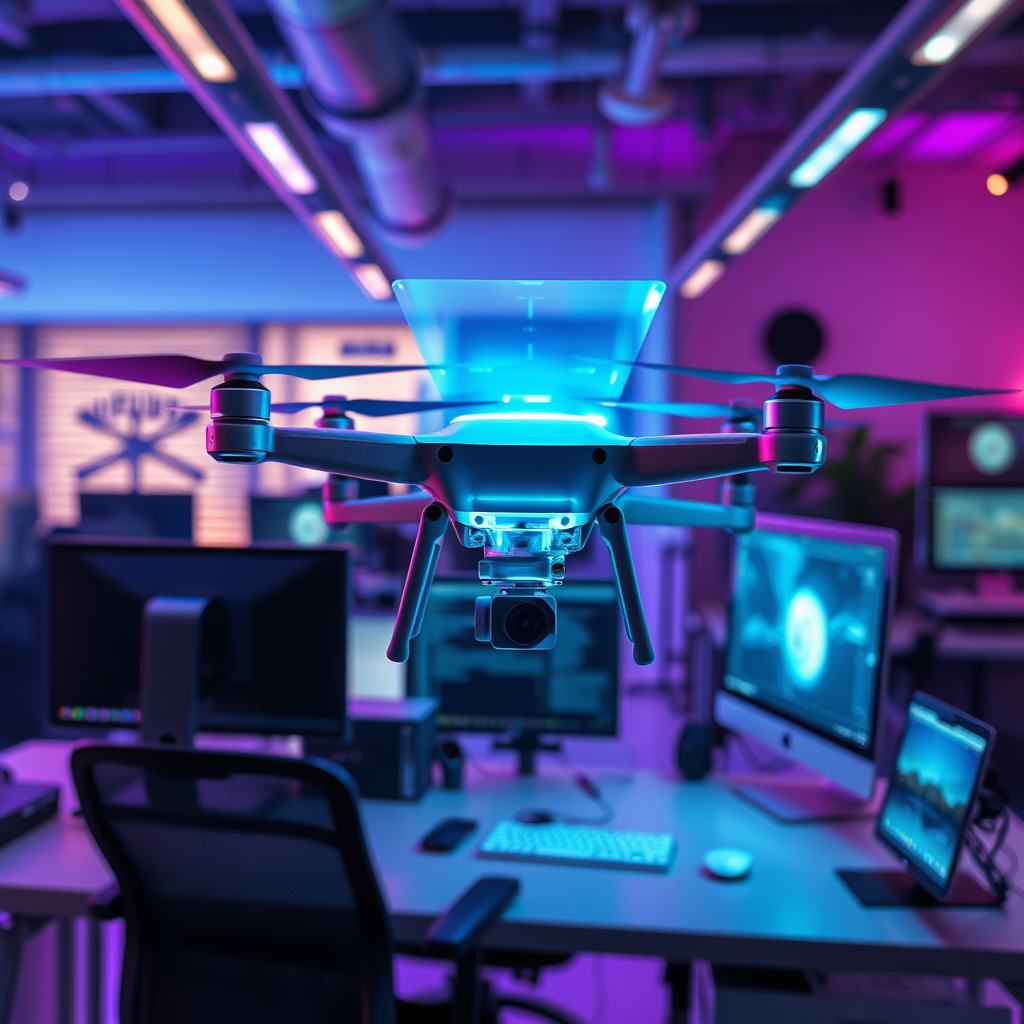
The future of drone-based holographic photography is set to redefine the landscape of visual media, offering unprecedented opportunities for immersive, three-dimensional imagery that can be experienced from various angles. This transformative technology leverages the capabilities of drones equipped with advanced holographic systems, allowing users to capture moments in ways that were previously unimaginable. As we delve deeper into the technological advancements propelling this innovation, the potential applications that span multiple industries, and the challenges that need to be addressed, it becomes clear that the fusion of drones and holography will significantly enhance how we perceive and engage with visual content.
The Technological Advancements Behind Drone Holography
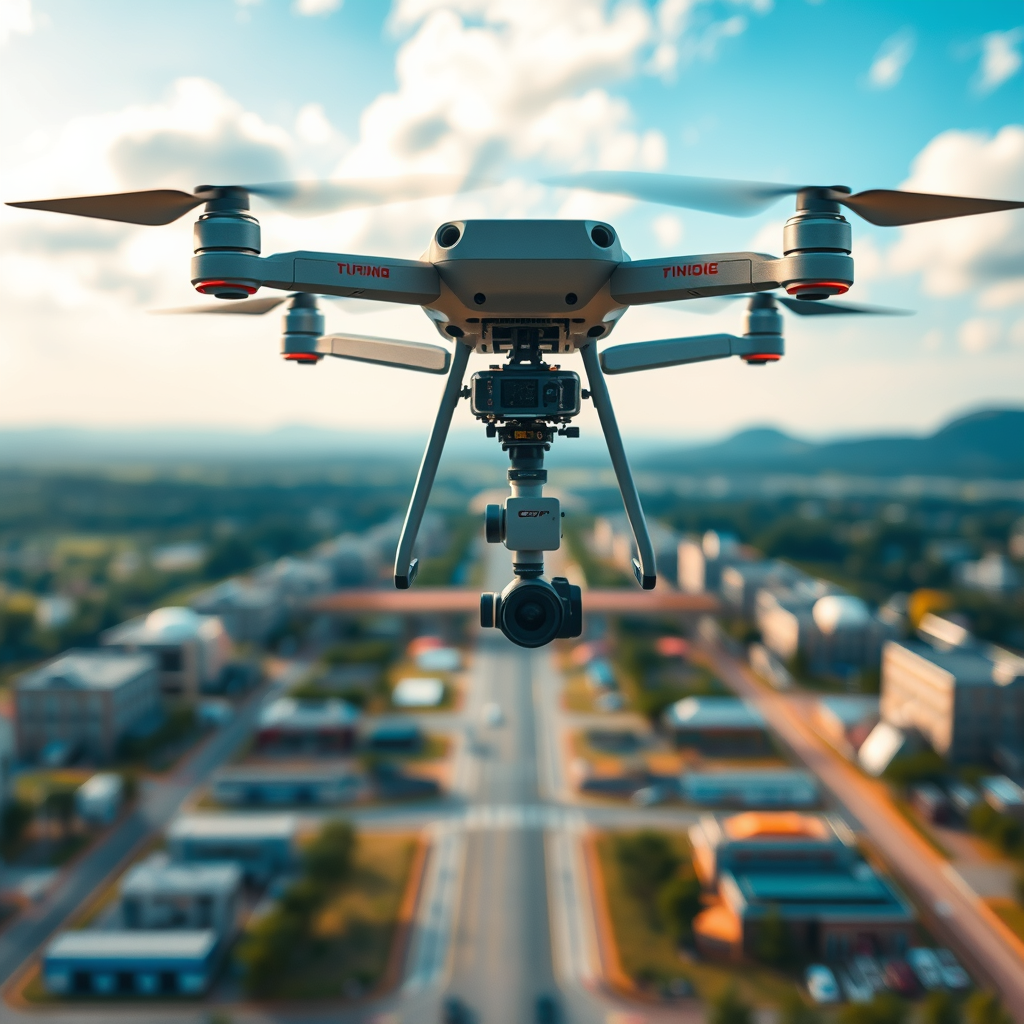
The rise of drone-based holographic photography is primarily driven by significant technological advancements in camera technology and artificial intelligence. Lightweight, high-resolution cameras are at the forefront of this evolution, enabling drones to capture intricate details and vibrant colors in high-quality imagery. For instance, developments in sensor technology have led to the creation of cameras that can capture images with resolutions exceeding 100 megapixels, providing a level of detail that is essential for producing convincing holograms.
Additionally, the integration of AI and machine learning is revolutionizing the image processing and rendering landscape. These technologies are capable of analyzing vast amounts of visual data to enhance image quality and ensure accurate 3D representations. AI algorithms can automatically optimize lighting, adjust for distortions, and even predict viewer preferences to create a more engaging visual experience. For example, companies like VividQ are developing software that utilizes AI to improve holographic image rendering, making it possible to create dynamic, interactive holograms in real-time.
Applications of Drone-Based Holographic Photography
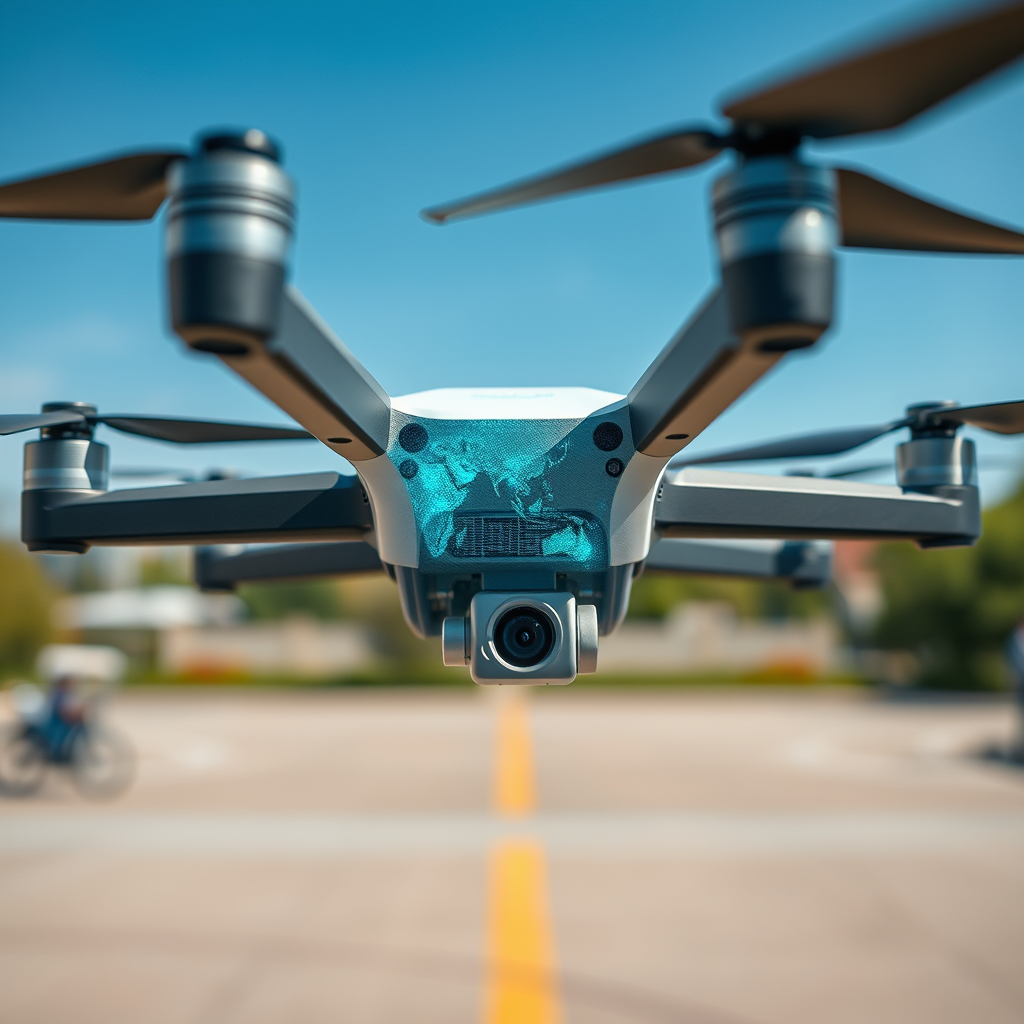
The potential applications for drone-based holographic photography are vast and varied, spanning numerous industries. In real estate, for example, agents can leverage this technology to showcase properties in an interactive format, allowing potential buyers to virtually walk through homes and experience spaces in a more engaging way. This immersive approach not only enhances the viewing experience but also helps buyers make more informed decisions, potentially leading to quicker sales.
In the education sector, drone-based holographic photography offers new avenues for immersive learning experiences. For instance, educators can create holographic representations of complex scientific concepts, historical events, or geographical landscapes, allowing students to interact with the material in a way that traditional teaching methods cannot achieve. Institutions like Stanford University are already exploring the use of holographic displays to enhance classroom learning, demonstrating the technology’s potential to transform education.
The Role of 5G in Holographic Photography
5G technology plays a critical role in the advancement of holographic photography by providing enhanced data transmission speeds and increased connectivity. The high bandwidth and low latency of 5G networks enable real-time holographic streaming, allowing users to share and experience holographic content without noticeable delays. This capability is particularly important for applications such as teleconferencing, where participants can engage in real-time holographic interactions, making remote collaboration feel more personal and effective.
Moreover, the widespread availability of 5G will facilitate the development of cloud-based holographic services, where users can access and manipulate holographic content from anywhere. This shift towards cloud integration is expected to democratize access to advanced holographic technologies, enabling broader participation in creative endeavors across industries. As such, the synergy between drone technology and 5G networks is pivotal in shaping the future of holographic photography.
Challenges Facing Drone Holographic Photography
Despite its promising potential, drone-based holographic photography faces several challenges that must be addressed for widespread adoption. Regulatory hurdles and airspace restrictions pose significant obstacles to drone operations, particularly in urban environments. Governments and aviation authorities need to establish clear guidelines and safety protocols to ensure drones can operate safely alongside manned aircraft while protecting public safety and privacy.
Additionally, technical limitations regarding battery life and processing power remain critical challenges. Drones equipped with advanced holographic systems require substantial energy to operate, limiting flight times and, consequently, the duration of image capture. Innovations in battery technology, such as the development of solid-state batteries, may offer solutions in the near future, but until then, these limitations necessitate careful planning and coordination for effective drone operations.
The Future Landscape of Drone Holography
Looking ahead, the market for drone-based holographic photography is expected to experience significant growth, driven by evolving consumer expectations and advancements in technology. As users become more familiar with immersive experiences, demand for high-quality holographic content will likely rise. Industry analysts predict that the market for holographic displays will reach several billion dollars within the next decade, creating opportunities for businesses to innovate and expand their service offerings.
Furthermore, potential partnerships between technology companies and various industries, such as entertainment, healthcare, and manufacturing, will play a pivotal role in driving innovation. Collaborations could lead to the development of specialized applications tailored to specific fields, ultimately enhancing the functionality and appeal of drone-based holographic photography. For instance, partnerships between drone manufacturers and film studios may result in groundbreaking cinematic experiences that leverage holography for storytelling.
Ethical Considerations and Privacy Concerns
As with any emerging technology, drone-based holographic photography raises important ethical considerations and privacy concerns. The potential for drone surveillance in public spaces poses risks to individual privacy, necessitating a careful examination of how such technologies are deployed. Striking a balance between innovation and privacy rights will be essential to maintain public trust and ensure that technological advancements do not infringe upon personal freedoms.
To address these issues, stakeholders must engage in open dialogues about the implications of drone surveillance and develop comprehensive frameworks to govern the use of drone technology. Implementing clear regulations regarding data collection, storage, and sharing can help mitigate potential abuses while allowing for the continued advancement of drone-based holographic photography.
The advancements in drone-based holographic photography are set to transform visual storytelling, offering unparalleled experiences across various sectors. As technology continues to evolve, staying informed and engaged with these developments will be crucial for both consumers and professionals in the field. Embrace this emerging technology to enhance your creative projects and explore new horizons in photography.
Frequently Asked Questions
What is drone-based holographic photography and how does it work?
Drone-based holographic photography combines the advanced capabilities of drones with holography to capture 3D images in real-time. Using specialized cameras mounted on drones, this technology records light field data that can be processed into holograms. These holograms can be viewed from multiple angles, providing a unique and immersive visual experience that traditional photography cannot match.
How is drone-based holographic photography different from traditional photography?
Unlike traditional photography, which captures flat, two-dimensional images, drone-based holographic photography creates three-dimensional representations of subjects. This technology leverages aerial perspectives and sophisticated imaging techniques to produce depth and dimensionality, allowing viewers to engage with the content more interactively. As a result, it opens up new possibilities for applications in fields such as real estate, tourism, and entertainment.
Why should businesses consider using drone-based holographic photography for marketing?
Businesses should consider drone-based holographic photography because it offers a cutting-edge visual solution that can captivate audiences and enhance brand storytelling. By utilizing immersive holograms, companies can effectively showcase their products or services in a way that stands out in a crowded market. This innovative approach not only attracts attention but also helps in building a modern and tech-savvy brand image.
What are the best applications for drone-based holographic photography?
The best applications for drone-based holographic photography include real estate marketing, event coverage, and tourism promotions. In real estate, it can provide potential buyers with a detailed view of properties, while in events, it can capture moments in a dynamic format that enhances engagement. Additionally, tourism boards can use holograms to create virtual experiences of destinations, enabling viewers to explore attractions before visiting.
Which challenges should be considered when implementing drone-based holographic photography?
Implementing drone-based holographic photography comes with several challenges, including regulatory compliance, technical limitations, and the need for specialized training. Operators must adhere to local drone regulations, which can vary significantly. Additionally, the technology requires high-resolution cameras and processing capabilities, which can be costly. To effectively utilize this technology, businesses may need to invest in training personnel to ensure high-quality results and proper safety protocols.
References
- Holography
- https://www.sciencedirect.com/science/article/pii/S1877050919301522
- https://www.nasa.gov/feature/nasa-s-drones-are-capturing-holographic-images
- https://www.theguardian.com/technology/2021/oct/02/future-of-drones-holographic-photography
- https://www.researchgate.net/publication/334567890_Drone_technology_and_holography_in_photography
- https://www.techrepublic.com/article/how-drones-are-changing-the-future-of-photography/
- https://www.bbc.com/future/article/20220112-how-holography-could-change-the-way-we-see-the-world
