
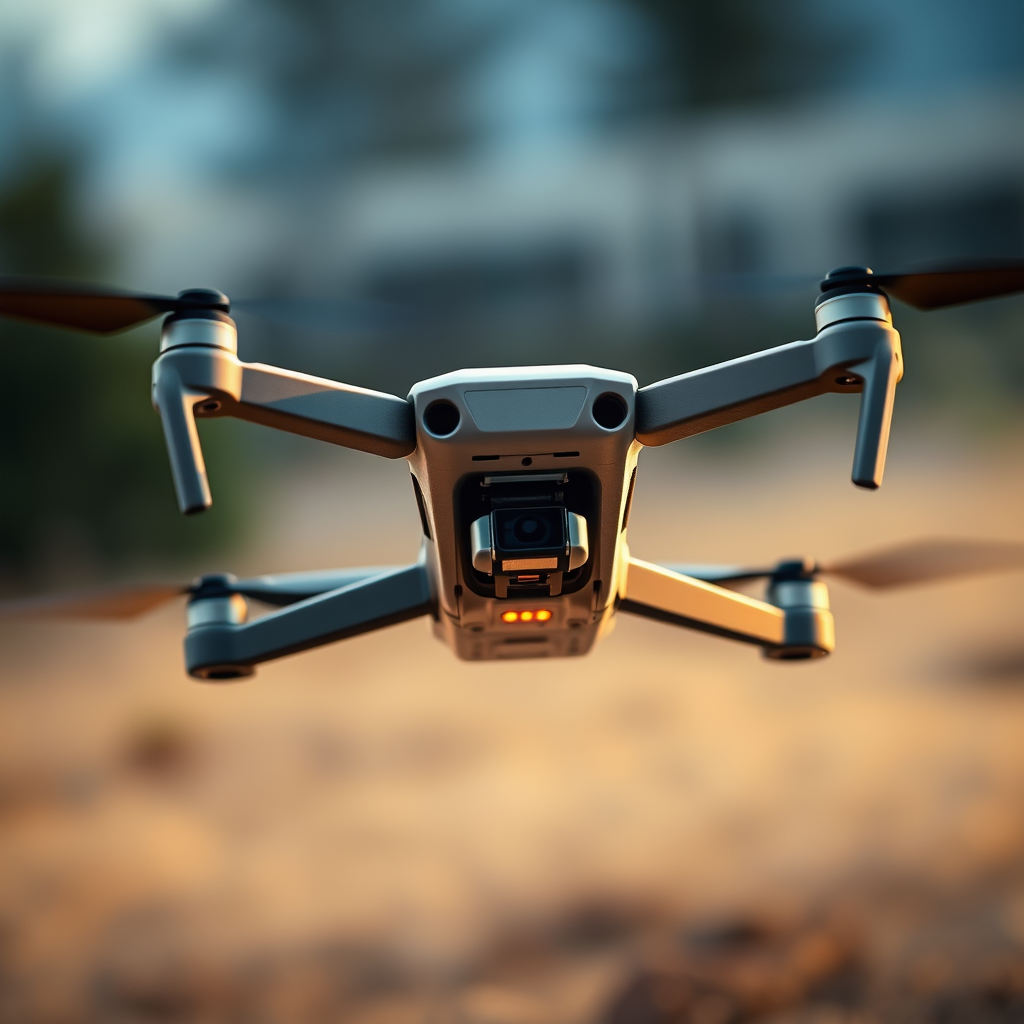
Advanced propellers significantly enhance drone speed by improving aerodynamic efficiency and reducing drag. These innovative components not only enable faster flight times but also contribute to better overall performance, making them vital for both drone enthusiasts and manufacturers. As the drone industry continues to evolve, understanding the impact of advanced propeller technology becomes crucial for optimizing drone design and functionality.
Understanding Drone Propeller Technology
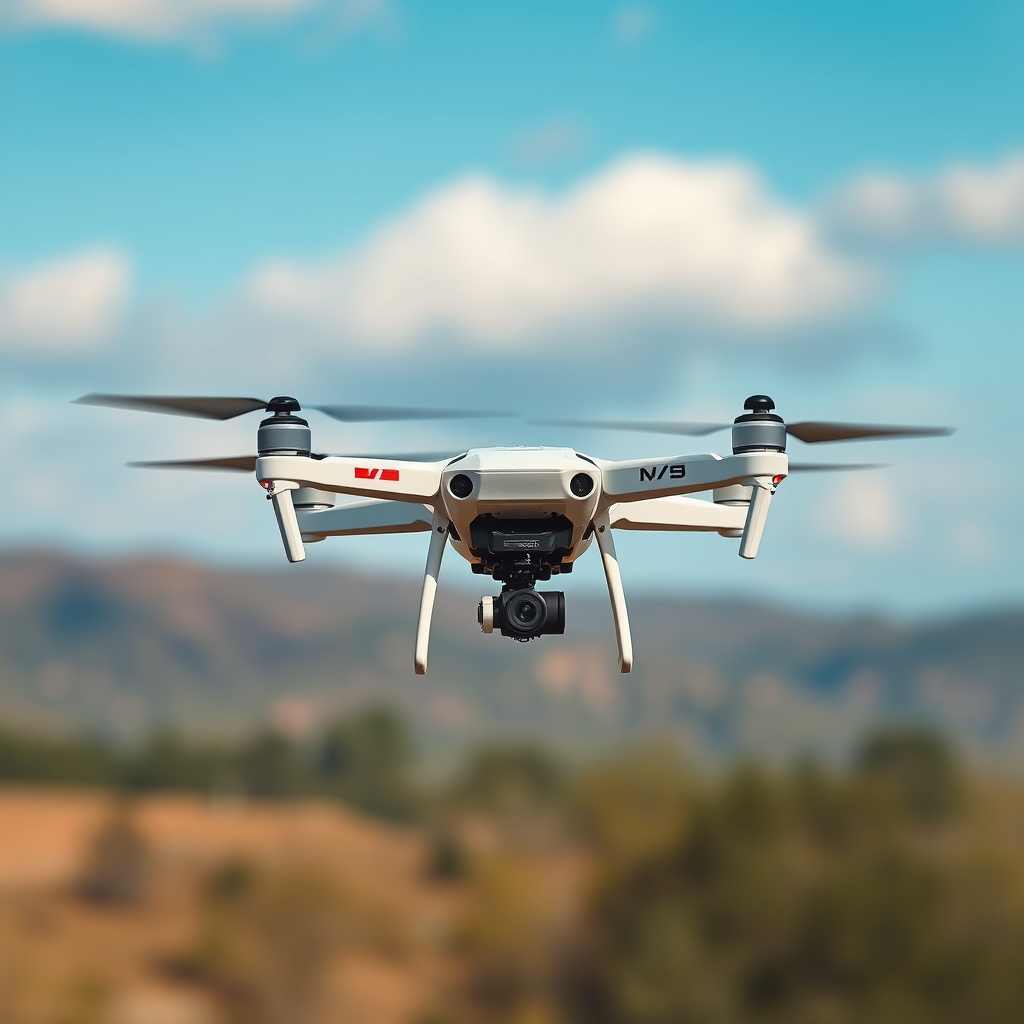
Traditional propeller designs have long been the standard in drone technology; however, advancements in engineering and materials science are reshaping what is possible. Traditional propellers typically feature a simple design that focuses on basic lift and thrust without optimizing for efficiency. In contrast, advanced propeller designs incorporate complex geometries and blade configurations that enhance performance characteristics such as lift-to-drag ratio, thrust output, and noise reduction.
Key materials used in manufacturing advanced propellers include carbon fiber, nylon composites, and other lightweight yet durable materials. Carbon fiber, for instance, allows for the creation of blades that are both strong and lightweight, which is essential for maintaining speed without sacrificing structural integrity. Additionally, the use of precision manufacturing techniques ensures that these advanced propellers are crafted to exact specifications, further enhancing their performance.
Aerodynamics and Speed Enhancement
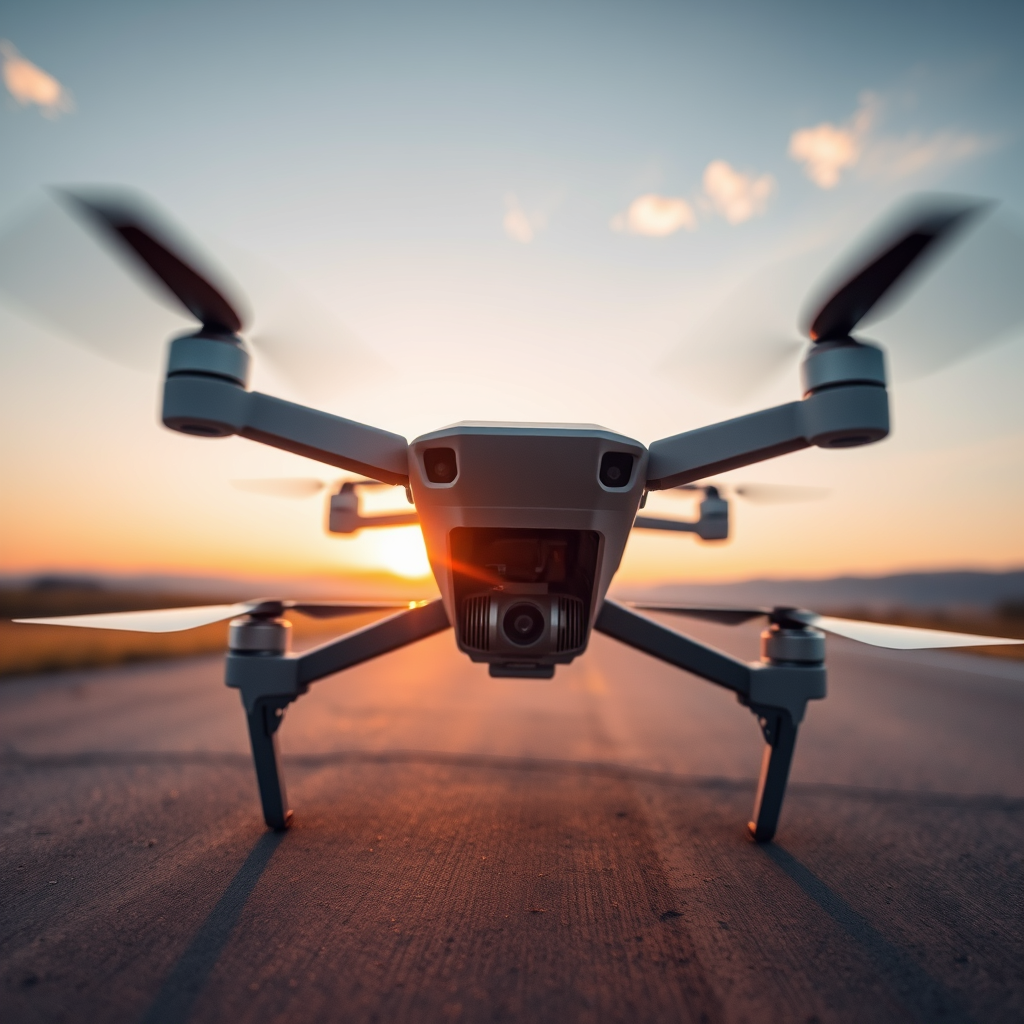
The shape of a propeller plays a critical role in its ability to manipulate airflow, which directly affects drone speed. Advanced propellers often feature specialized airfoil shapes that optimize the flow of air over the blades. This design minimizes turbulence and drag, allowing the drone to cut through the air more efficiently. By reducing drag, the drone can achieve higher speeds while using less energy, translating to longer flight times and improved performance.
Another vital factor in propeller efficiency is blade pitch, which refers to the angle of the propeller blades relative to the plane of rotation. A higher blade pitch can lead to increased acceleration due to the greater thrust produced during flight. However, this comes at the cost of decreased efficiency at lower speeds. Advanced propellers often utilize variable pitch technology, which allows for dynamic adjustment of blade pitch during flight. This adaptability enables drones to optimize their performance across a wider range of speeds and flight conditions.
Benefits of High-Performance Propellers
The advantages of utilizing high-performance propellers extend far beyond merely increased speed. One of the most notable benefits is the increased agility in drone maneuverability. Drones equipped with advanced propellers can perform complex aerial maneuvers with greater precision and faster response times, making them ideal for applications such as racing, aerial photography, and search-and-rescue operations.
Moreover, enhanced stability and control during high-speed flights are critical for both amateur and professional drone users. Advanced propellers maintain consistent lift and thrust even at high speeds, reducing the likelihood of losing control or experiencing erratic flight behavior. This stability is particularly important for commercial applications, where reliability and safety are paramount.
Factors Influencing Propeller Performance
Several factors influence the overall performance of drone propellers, with size and diameter being among the most critical. Generally, larger propellers can generate more thrust, which is essential for achieving higher speeds. However, increasing the diameter can also lead to increased drag, so finding the right balance is crucial. Manufacturers must consider the specific use case of the drone when determining the optimal propeller size.
Weight and balance also play a significant role in propeller performance. Heavier drones may require larger, more powerful propellers to achieve desired speeds. Conversely, lightweight drones may benefit from smaller propellers that provide sufficient thrust without adding unnecessary weight. By optimizing the weight distribution and ensuring proper balance, drone manufacturers can enhance the overall performance and speed of their aircraft.
Case Studies: Advanced Propellers in Action
Real-world examples of drones utilizing advanced propeller technology underscore the impact of these innovations on performance. For instance, the DJI Matrice 300 RTK is equipped with advanced propellers that enable it to achieve impressive flight times and speed, making it suitable for various applications, from industrial inspections to agriculture. Performance comparisons reveal that drones outfitted with traditional propellers often struggle to match the speed and efficiency of those utilizing advanced propeller technology.Another notable example is the racing drone community, where speed is paramount. Drones like the EMAX Hawk Pro leverage cutting-edge propeller designs to achieve rapid acceleration and high top speeds, contributing to their competitive edge in racing events. The differences between traditional and advanced propeller designs in these scenarios highlight the tangible benefits offered by innovative propeller technology.
Future Trends in Drone Propeller Development
The future of drone propeller development is poised to be shaped by emerging technologies and materials that promise to push the boundaries of speed and efficiency. Advancements in 3D printing technology are enabling manufacturers to create complex propeller geometries that would be impossible to achieve through traditional manufacturing methods. This could lead to further improvements in aerodynamic performance and customizability for specific drone applications.
Additionally, the integration of smart technologies into propeller design holds great potential. Propellers that can adjust their shape and pitch in real time based on flight conditions could revolutionize the industry by providing optimal performance under varying circumstances. As drone technology continues to advance, we can expect to see even more innovative designs that enhance speed and efficiency.
The evolution of advanced propellers is transforming the drone industry, enabling faster and more efficient drones. As we’ve explored, these propellers play a crucial role in enhancing speed and performance through improved aerodynamics and innovative designs. To stay ahead in the rapidly evolving drone market, consider investing in advanced propeller technology for your next drone project. By embracing these advancements, manufacturers and enthusiasts alike can unlock the full potential of drone capabilities, leading to safer, faster, and more efficient aerial operations.
Frequently Asked Questions
What are advanced propellers and how do they differ from standard drone propellers?
Advanced propellers are specially designed rotor blades that enhance a drone’s aerodynamic efficiency and overall performance. Unlike standard propellers, which may prioritize cost or simplicity, advanced propellers are engineered with materials and shapes that minimize drag and maximize thrust. This design allows drones to achieve higher speeds and improved stability, making them ideal for competitive racing and high-speed applications.
How do advanced propellers impact the speed of a drone?
Advanced propellers significantly increase a drone’s speed by optimizing lift and reducing drag during flight. The unique design and materials used in these propellers allow for better airflow, which translates to more efficient propulsion. As a result, drones equipped with advanced propellers can achieve faster acceleration and higher top speeds, making them suitable for activities like aerial photography, racing, and search-and-rescue operations.
Why should I consider upgrading to advanced propellers for my drone?
Upgrading to advanced propellers can enhance your drone’s performance by increasing speed, maneuverability, and energy efficiency. If you are using your drone for professional applications or competitive racing, the benefits of advanced propellers become even more pronounced, as they can lead to improved flight times and reduced battery consumption. Ultimately, this upgrade can provide a better overall flying experience and greater operational capabilities.
What are the best materials for advanced drone propellers?
The best materials for advanced drone propellers typically include carbon fiber, nylon, and composite materials. Carbon fiber is renowned for its strength-to-weight ratio and rigidity, making it an excellent choice for high-performance applications. Nylon offers durability and flexibility, while composite materials combine the best features of both, providing a balance between weight and strength. Choosing the right material for your drone’s propellers can significantly affect speed, efficiency, and durability.
Which factors should I consider when selecting advanced propellers for my drone?
When selecting advanced propellers, consider factors such as the size of your drone, its intended use, and the specific flight characteristics you desire. The pitch and diameter of the propellers also play a crucial role in determining speed and efficiency; higher pitch values typically yield faster speeds but may sacrifice stability. Additionally, ensure that the propellers are compatible with your drone’s motor specifications to achieve optimal performance and avoid potential damage during flight.
References
- Propeller
- https://www.sciencedirect.com/topics/engineering/drone-propulsion
- https://www.nasa.gov/centers/langley/news/factsheets/Propellers.html
- https://www.mdpi.com/2504-446X/4/4/42
- News | American Association for the Advancement of Science (AAAS)
- https://www.aviationtoday.com/2021/04/12/understanding-drone-propeller-design-speed/
- https://www.theguardian.com/technology/2020/sep/10/drones-future-aviation-speed-innovation
