

The efficiency of drones is significantly enhanced through aerodynamic design, which optimizes airflow and reduces drag. By understanding the principles of aerodynamics, manufacturers can create drones that fly longer distances, conserve energy, and improve performance in various conditions. In this article, we will explore how these designs affect drone functionality and what innovations are paving the way for the future.
Understanding Aerodynamics in Drone Design
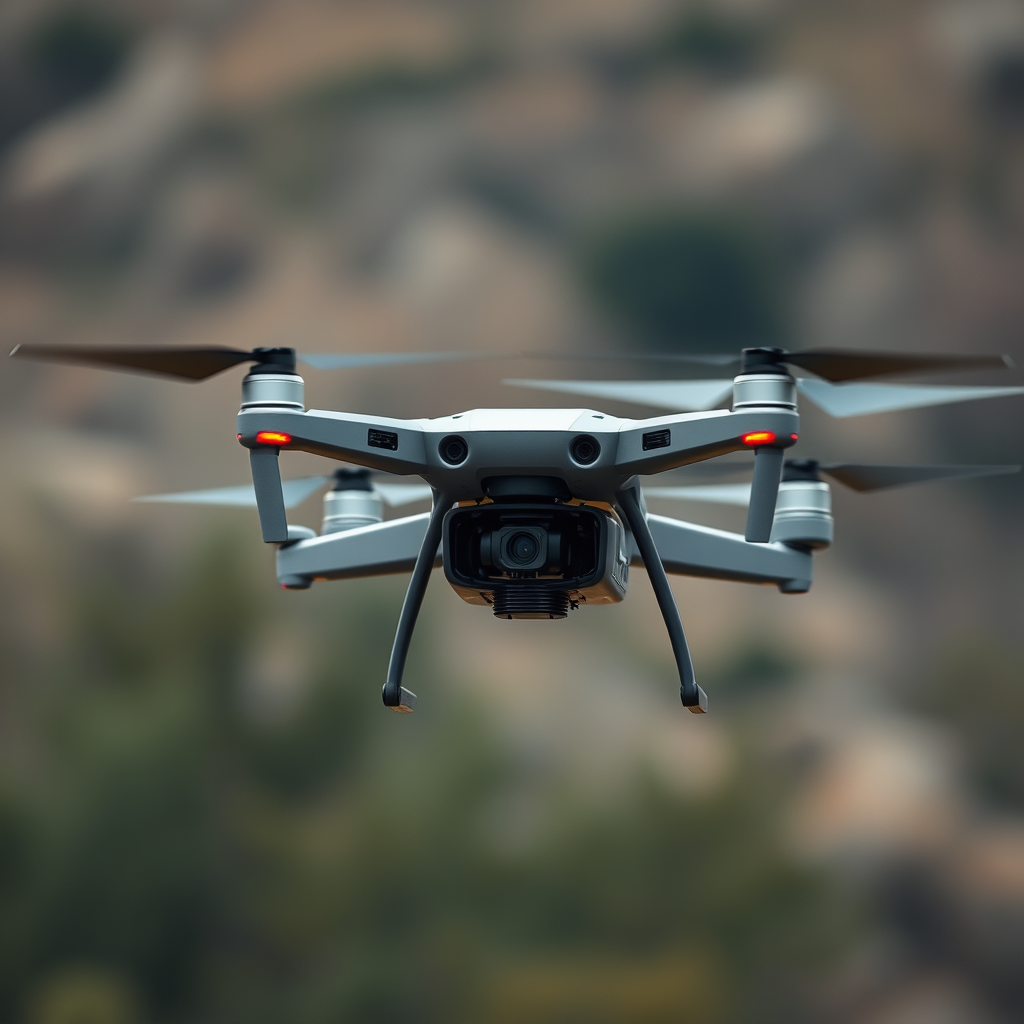
Aerodynamics refers to the way air interacts with moving objects, and it is critical for flight efficiency. For drones, the fundamental principles of aerodynamics—lift, drag, and thrust—play a pivotal role in determining performance. Lift is the upward force that allows a drone to ascend, generated primarily by the rotor blades. Drag is the resistance that opposes motion, which can be minimized through effective design. Thrust is the forward force produced by the rotors, propelling the drone through the air. By carefully balancing these forces, engineers can optimize a drone’s design to enhance its efficiency, thus enabling longer flight times and better handling in various atmospheric conditions.
Benefits of Streamlined Shapes
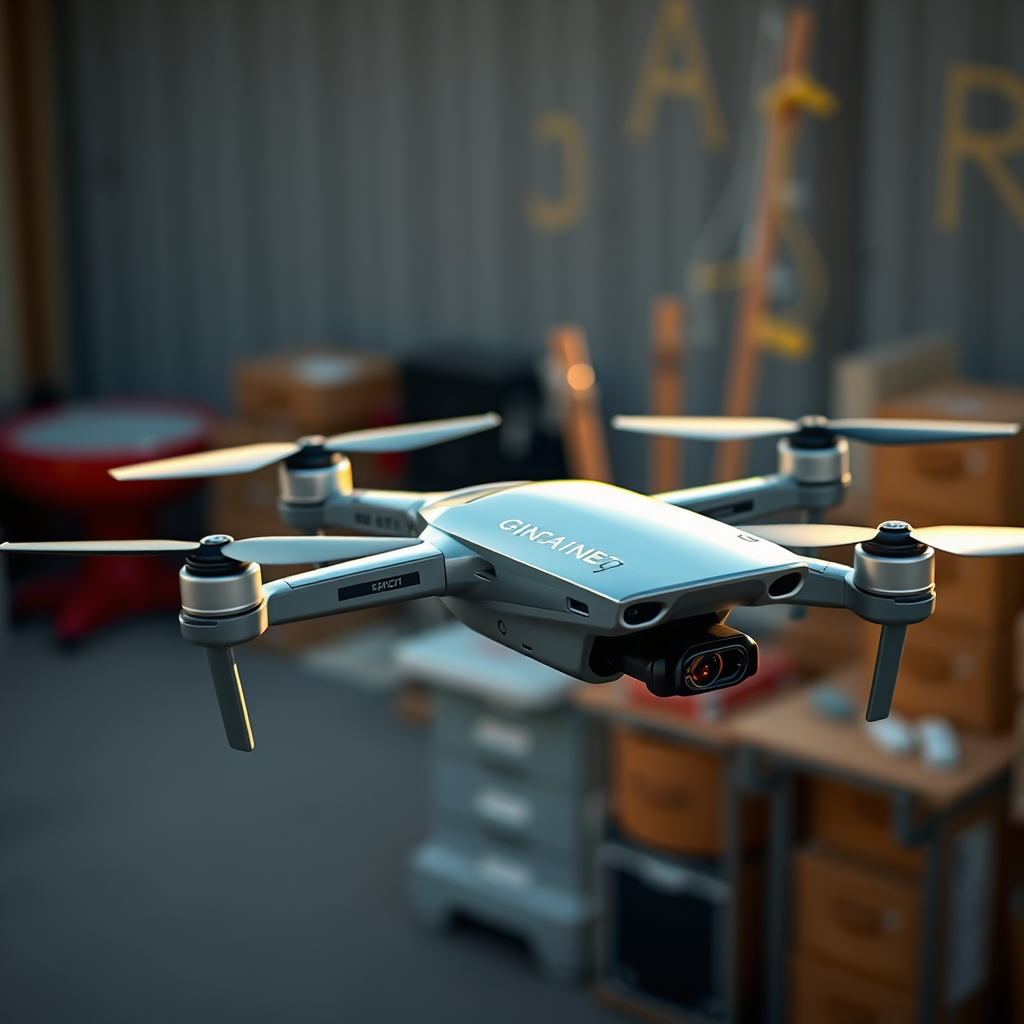
Streamlined designs are a cornerstone of efficient drone operation, as they minimize drag, allowing drones to fly faster and more efficiently. A streamlined body reduces turbulence and air resistance, which can significantly impact flight performance. For instance, drones with a teardrop shape tend to experience less drag compared to those with bulkier forms, which can result in notable speed enhancements. Enhanced lift-to-drag ratios not only improve overall flight stability but also provide better control during maneuvers. For example, the DJI Mavic Air 2 features a streamlined design that contributes to its impressive flight capabilities, allowing it to reach speeds of up to 42.5 mph while maintaining stability in the air.
Material Choices and Their Effects
The choice of materials used in drone manufacturing is crucial for maintaining an aerodynamic profile. Lightweight materials, such as carbon fiber and advanced plastics, are favored for their strength-to-weight ratios. By reducing the overall weight of a drone, manufacturers can enhance its aerodynamic efficiency without compromising durability. For example, the use of carbon fiber in the construction of the wings and body of a drone can lead to significant weight savings, resulting in longer flight times and improved energy conservation. Additionally, materials that resist deformation under stress can help maintain the shape of the drone, further optimizing its aerodynamic capabilities. The integration of these advanced materials not only enhances performance but also contributes to the longevity of the drone, making it a smart investment for users.
Case Studies: Successful Aerodynamic Innovations
Several leading drone models have successfully utilized aerodynamic designs to enhance performance, standing as prime examples of innovation in this field. The Boeing Insitu ScanEagle, for instance, employs a unique aerodynamic shape that allows it to operate efficiently at various altitudes and in diverse weather conditions. Flight tests have demonstrated that its design reduces drag significantly, enabling longer flight durations and greater payload capacities. Similarly, the Parrot Anafi, with its sleek and compact frame, showcases how advanced aerodynamic features can lead to superior performance in both speed and stability. These case studies underline the tangible benefits of aerodynamic innovations, showcasing how they can translate into real-world advantages for users.
Future Trends in Aerodynamic Design
Emerging technologies, such as computational fluid dynamics (CFD), are revolutionizing the drone design process. CFD allows engineers to simulate and analyze airflow over drone surfaces, leading to more refined aerodynamic profiles before physical prototypes are built. This technology not only accelerates the development process but also enhances the precision of aerodynamic designs. Moreover, innovations in shape-shifting aerodynamics and adaptive wing designs are set to redefine drone efficiency standards. These advancements may enable drones to adjust their wing shapes in real-time, optimizing performance based on changing flight conditions. As these technologies continue to evolve, we can expect a new generation of drones that push the boundaries of efficiency and performance.
Challenges in Implementing Aerodynamic Designs
Despite the advantages, there are challenges in implementing aerodynamic designs in drones. One significant hurdle is balancing aerodynamic efficiency with other design factors, such as payload capacity and battery life. While a streamlined design may enhance speed, it could limit the drone’s ability to carry heavier payloads. Additionally, environmental factors, such as wind and turbulence, can complicate aerodynamic design efforts. Engineers must consider how these variables interact with the drone’s shape and materials to ensure consistent performance across different flying conditions. Therefore, a holistic approach that integrates aerodynamic principles with practical design considerations is essential for creating versatile and effective drones.
Practical Tips for Drone Users
For drone users looking to select models with optimal aerodynamic features, there are several recommendations to consider. First, pay attention to the drone’s shape; streamlined designs generally offer better efficiency and performance. Additionally, consider the materials used in construction, as lightweight yet durable options can enhance flight times and reduce energy consumption. Maintenance is also critical; regularly inspecting and cleaning the drone can prevent performance issues caused by dirt and damage. Furthermore, understanding how environmental factors affect flight can help users make informed decisions regarding when and where to fly. By following these tips, users can maximize the efficiency and effectiveness of their drones in various applications.
Summarizing the critical role of aerodynamic design in enhancing drone efficiency, it’s clear that these innovations are not just beneficial but essential for future advancements in drone technology. As manufacturers continue to push the boundaries of design through innovative materials and techniques, users can expect drones that not only meet but exceed current performance standards. For those looking to understand more about drone selection or interested in the latest designs, we encourage you to explore further resources and stay informed on the latest developments in aerodynamics.
Frequently Asked Questions
What are the main aerodynamic features that enhance drone efficiency?
Key aerodynamic features that enhance drone efficiency include streamlined body shapes, optimized wing designs, and the use of lightweight materials. A streamlined body reduces drag, allowing drones to cut through air more effectively, while optimized wing designs can significantly improve lift-to-drag ratios. Additionally, using lightweight materials helps minimize overall weight, which further increases flight efficiency and battery life.
How does the design of a drone affect its battery life and flight duration?
The design of a drone directly impacts its battery life and flight duration through its aerodynamic efficiency. Drones with better aerodynamic designs experience less drag, which means the motors require less power to maintain flight. As a result, the battery can last longer, allowing for extended flight times. Incorporating features like retractable landing gear or foldable propellers can also contribute to reducing drag and enhancing overall efficiency.
Why is aerodynamic testing important in the development of drones?
Aerodynamic testing is crucial in drone development because it helps engineers understand how different design elements affect flight performance. By utilizing wind tunnel testing and computational fluid dynamics (CFD) simulations, designers can identify areas of drag and turbulence, allowing them to optimize shapes and configurations. This testing ensures that the final product achieves maximum efficiency, stability, and performance in various environmental conditions.
Which materials are best for creating aerodynamically efficient drones?
The best materials for creating aerodynamically efficient drones are lightweight composites such as carbon fiber and advanced plastics. Carbon fiber offers a high strength-to-weight ratio, making it ideal for reducing overall drone mass without sacrificing durability. Additionally, incorporating advanced plastics can help in molding complex aerodynamic shapes that enhance airflow, thereby improving lift and efficiency during flight.
How can drone manufacturers balance aerodynamic design with payload capacity?
Drone manufacturers can balance aerodynamic design with payload capacity by utilizing modular designs that allow for the attachment of payloads without compromising the overall aerodynamics. By strategically placing payloads within the drone’s body, they can minimize drag and maintain a streamlined shape. Additionally, using advanced materials and optimizing the drone’s shape to create a favorable lift-to-drag ratio will enable manufacturers to increase payload capacity while preserving flight efficiency.
References
- Aerodynamics
- https://www.nasa.gov/centers/langley/news/factsheets/2010.html
- https://www.sciencedirect.com/science/article/pii/S2213138818300177
- https://www.mdpi.com/2504-446X/4/1/12
- https://www.jstor.org/stable/26214078
- https://www.frontiersin.org/articles/10.3389/frobt.2021.00001/full
- Letters to the Editor | AI Magazine
- https://www.researchgate.net/publication/328490356_Aerodynamic_Design_of_Drones_and_Flying_Objects
- https://www.nist.gov/news-events/news/2021/04/designing-drones-aerodynamics-and-optimization
- https://www.theguardian.com/science/2021/mar/09/researchers-develop-drone-aerodynamics-models
