
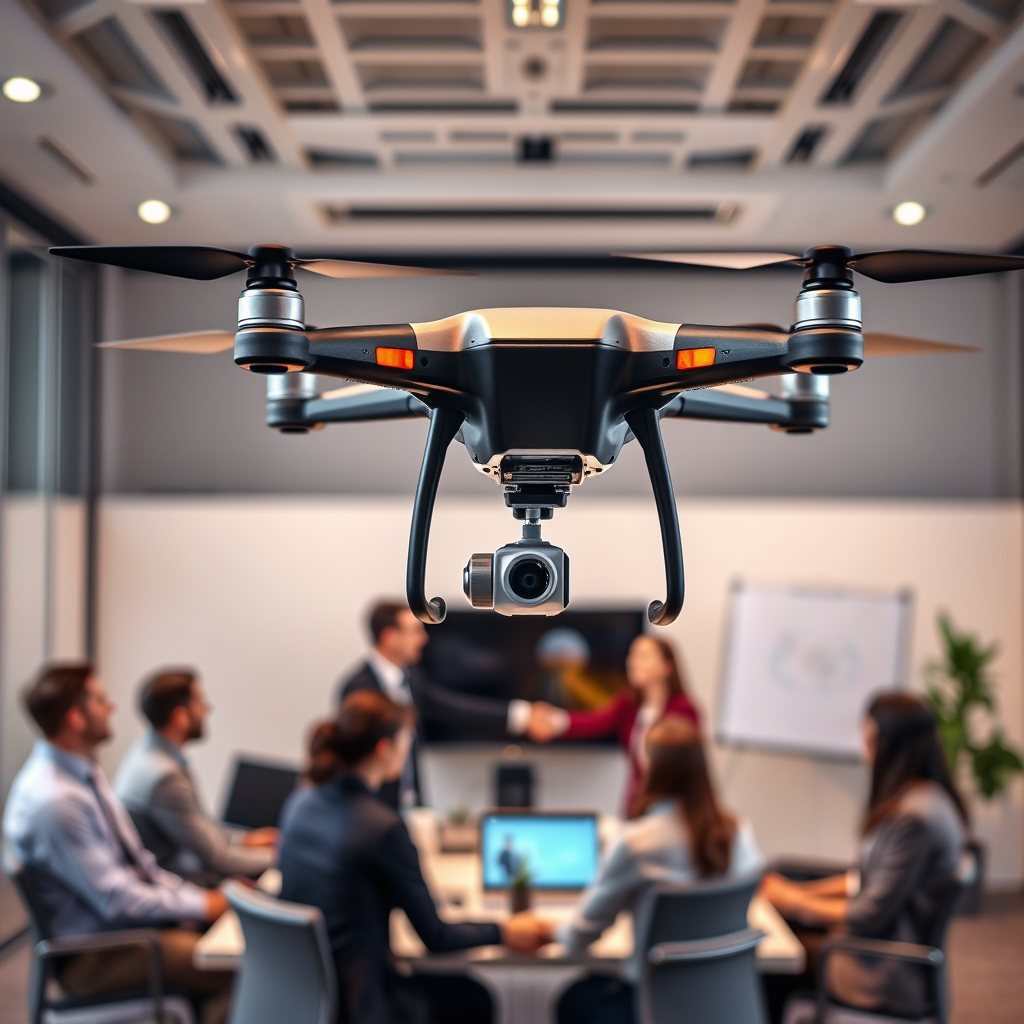
Drone photography has transformed social media marketing by offering unique visual content that captures attention and boosts engagement. By incorporating aerial imagery into your marketing campaigns, brands can significantly enhance their online presence, attract a larger audience, and improve the overall effectiveness of their outreach efforts. This article explores how drone photography can elevate your social media strategy and discusses various aspects of its implementation.
The Rise of Drone Photography in Marketing
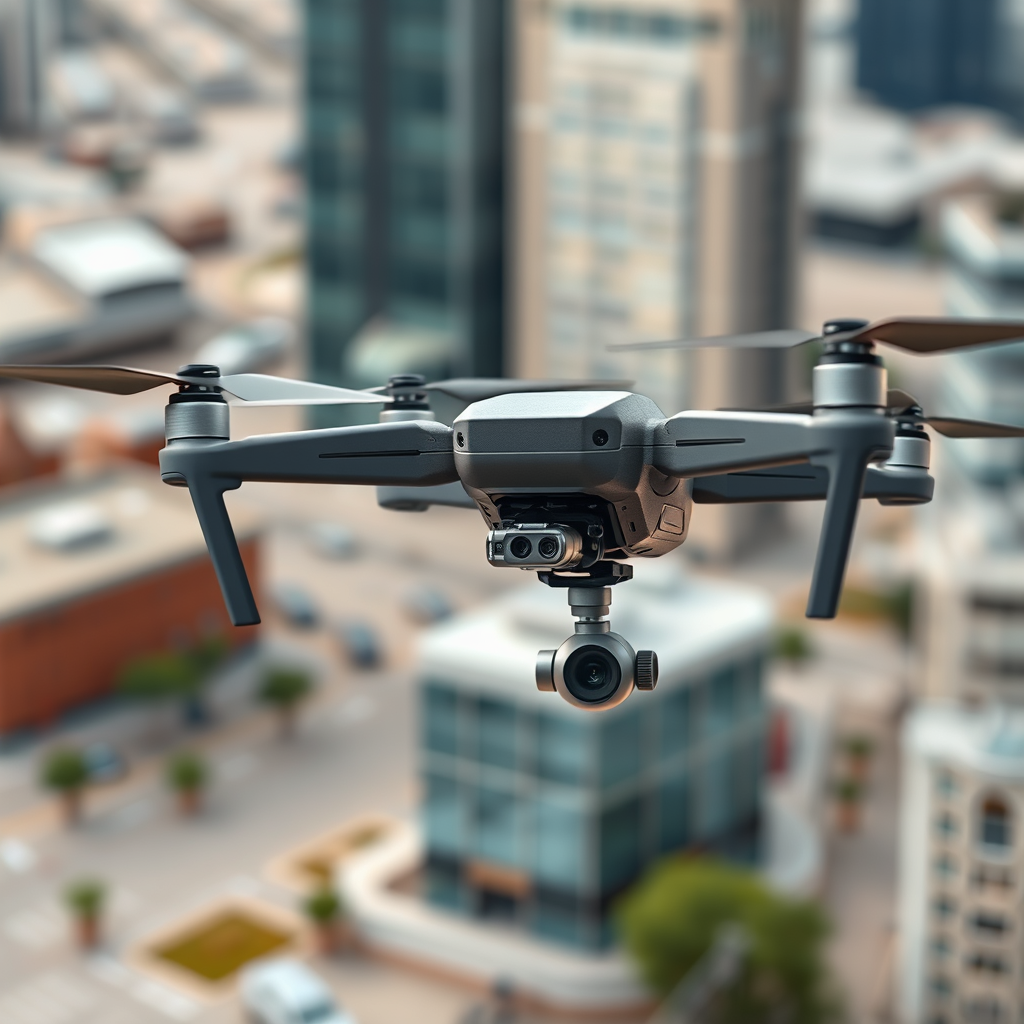
The accessibility and affordability of drones have surged in recent years, making them a viable option for businesses of all sizes. Once the domain of professional filmmakers and high-budget projects, drones are now available at various price points, allowing even small brands to harness their power. High-quality drone cameras can capture stunning visuals that traditional photography may struggle to achieve. This unique perspective not only showcases products and services more effectively but also helps brands stand out in a saturated marketplace.
As consumers are increasingly inundated with content on social media, the need for eye-catching imagery has never been greater. Drone photography provides an innovative solution, enabling brands to create visually striking posts that not only capture attention but also encourage followers to engage with their content. By leveraging these unique perspectives, businesses can differentiate themselves and carve out a niche in their respective industries.
Enhanced Visual Storytelling
One of the most compelling advantages of drone photography is its ability to enhance visual storytelling. Drones enable marketers to capture dynamic shots that convey a narrative about their brand, product, or service. For instance, a travel company could showcase breathtaking aerial views of a destination, allowing potential customers to envision themselves experiencing the beauty firsthand. This kind of storytelling not only captivates audiences but also fosters emotional connections between the brand and its followers.
Moreover, drone photography can effectively communicate the scale and impact of events, products, or services. For example, a real estate agency could utilize aerial shots to highlight the layout of a property and its surroundings, providing prospective buyers with a clearer understanding of the offering. By incorporating these visually engaging narratives into their marketing strategies, brands can create memorable content that resonates with their audience.
Boosting Engagement Rates
Research consistently shows that posts featuring high-quality visuals, including drone photography, receive higher engagement rates compared to static images. According to studies, visual content is 40 times more likely to be shared on social media platforms such as Instagram and Facebook. This demonstrates the significant advantage that drone imagery can provide in terms of user interaction.
For example, a restaurant employing drone footage to showcase its outdoor dining space or a local event can create buzz and anticipation among followers, leading to increased likes, shares, and comments. Furthermore, the shareability of stunning drone imagery can expand a brand’s reach, drawing in new followers and potential customers who may not have otherwise encountered the brand. This ripple effect is crucial in today’s marketing landscape, where organic reach is increasingly difficult to achieve.
Targeting Specific Audiences
Drone photography also enables businesses to tailor their visual content to resonate with specific audiences or demographics. By understanding the preferences and interests of target markets, brands can create drone imagery that speaks directly to their audience. For instance, a luxury hotel might utilize drone footage to capture the elegance and beauty of its property, appealing to affluent travelers seeking upscale experiences.
Additionally, location-based content can engage local audiences effectively. A local tourism board could use drone photography to highlight regional attractions, natural beauty, and community events, drawing in residents and visitors alike. By focusing on specific demographics and geographical areas, brands can cultivate a more engaged and loyal following, ultimately leading to improved marketing outcomes.
Cost-Effectiveness and Efficiency
In terms of cost-effectiveness, drone photography can provide significant savings compared to traditional photography services. Hiring a professional photographer for a full-scale shoot can be prohibitively expensive, particularly for small businesses or startups. Drones eliminate the need for extensive equipment and labor, allowing brands to capture high-quality images more efficiently.
Moreover, the setup process for drone photography is relatively quick and straightforward. Content can be captured in a variety of environments, reducing the time and resources spent on logistics. This versatility allows businesses to respond rapidly to trends or events, ensuring their marketing efforts remain timely and relevant. By streamlining content creation, brands can allocate resources more effectively and focus on other critical aspects of their marketing strategy.
Compliance and Ethical Considerations
Despite the many advantages of drone photography, it is essential for businesses to understand and adhere to regulations surrounding drone usage. Various countries and regions have specific laws governing where and how drones can be operated, and failure to comply can lead to legal repercussions. Familiarizing oneself with local regulations is crucial to avoid potential fines or other legal issues.
In addition to legal compliance, ethical considerations must also be taken into account. Businesses should prioritize best practices for respectful photography, ensuring that they do not invade the privacy of individuals or infringe upon property rights. By maintaining ethical standards in drone photography, brands can build trust with their audience and demonstrate a commitment to responsible marketing practices.
Future Trends in Drone Photography for Marketing
As drone technology continues to advance, the potential for its application in marketing expands. Future trends may include improved camera capabilities, enhanced stabilization features, and even the integration of artificial intelligence for automated content creation. These innovations will allow marketers to produce even more compelling visuals while reducing the time and effort required for content generation.
To stay ahead of the curve, businesses should remain informed about emerging technologies and consider how they can integrate new features into their marketing strategies. For instance, utilizing 360-degree drone footage can offer audiences a more immersive experience, allowing them to explore locations virtually. By embracing these advancements, brands can position themselves as industry leaders and attract a tech-savvy audience.
In conclusion, incorporating drone photography into your social media marketing strategy can significantly enhance your brand’s visibility and engagement. By leveraging unique aerial imagery, businesses can tell compelling stories, boost interaction rates, target specific audiences, and operate more cost-effectively. Moreover, understanding compliance and ethical considerations will ensure responsible marketing practices. As drone technology continues to evolve, early adoption of these tools and trends will position brands for future success in the ever-competitive digital landscape. Start exploring the possibilities of drone photography today to elevate your marketing efforts to new heights!
Frequently Asked Questions
What are the benefits of using drone photography in social media marketing?
Drone photography can significantly enhance social media marketing by providing unique aerial perspectives that capture attention. This innovative visual content stands out in crowded feeds, increasing engagement rates, shares, and likes. Additionally, drone images can showcase products or locations in ways that traditional photography cannot, making them ideal for industries like real estate, travel, and events.
How can businesses effectively integrate drone photography into their social media strategy?
To effectively integrate drone photography into a social media strategy, businesses should first identify their target audience and the platforms they use most. High-quality drone images and videos should be tailored to fit the aesthetic and content style of each platform, whether it’s Instagram, Facebook, or LinkedIn. Regularly posting engaging drone content, using relevant hashtags, and collaborating with influencers can further amplify reach and impact.
Why is drone photography more appealing than traditional photography for social media content?
Drone photography is often perceived as more appealing than traditional photography because it offers fresh and dynamic perspectives that evoke curiosity. The ability to capture sweeping landscapes, unique angles, and intricate details can create a sense of wonder that resonates with viewers. This novelty not only garners attention but also enhances storytelling, making it an effective tool for brands looking to differentiate themselves on social media.
What are the best practices for capturing drone photos for social media?
The best practices for capturing drone photos for social media include choosing the right time of day for optimal lighting, such as during the golden hour, and ensuring compliance with local regulations regarding drone use. Planning your shots in advance can help in composing visually striking images, while using advanced editing tools can enhance the final output. Lastly, maintaining a consistent style and theme across posts can help strengthen brand identity on social media.
Which industries benefit the most from drone photography in their social media marketing efforts?
Several industries benefit significantly from drone photography, including real estate, travel and tourism, construction, and events. In real estate, aerial shots can provide potential buyers with a better understanding of property layout and surrounding areas. For travel brands, scenic drone footage can inspire wanderlust and showcase destinations in captivating ways. Similarly, construction companies can use drone images to document project progress and enhance transparency, while event planners can capture unique viewpoints that highlight the scale and excitement of gatherings.
References
- Aerial photography
- https://www.forbes.com/sites/forbestechcouncil/2021/06/15/the-impact-of-drone-photography-on-marketing/?sh=3c3e6c2e5a6b
- https://www.sciencedirect.com/science/article/abs/pii/S0360132319303913
- https://www.techrepublic.com/article/how-drones-are-changing-the-way-businesses-market-their-products/
- Sunday Afternoon – ABC listen
- https://www.prnewswire.com/news-releases/how-drone-photography-is-transforming-social-media-marketing-301213653.html
- https://www.theguardian.com/technology/2021/jun/15/how-drones-are-changing-the-world-of-marketing
- https://www.bbc.com/future/article/20210712-how-drones-are-changing-the-way-we-see-the-world
- https://www.nature.com/articles/s41598-020-75215-0
