
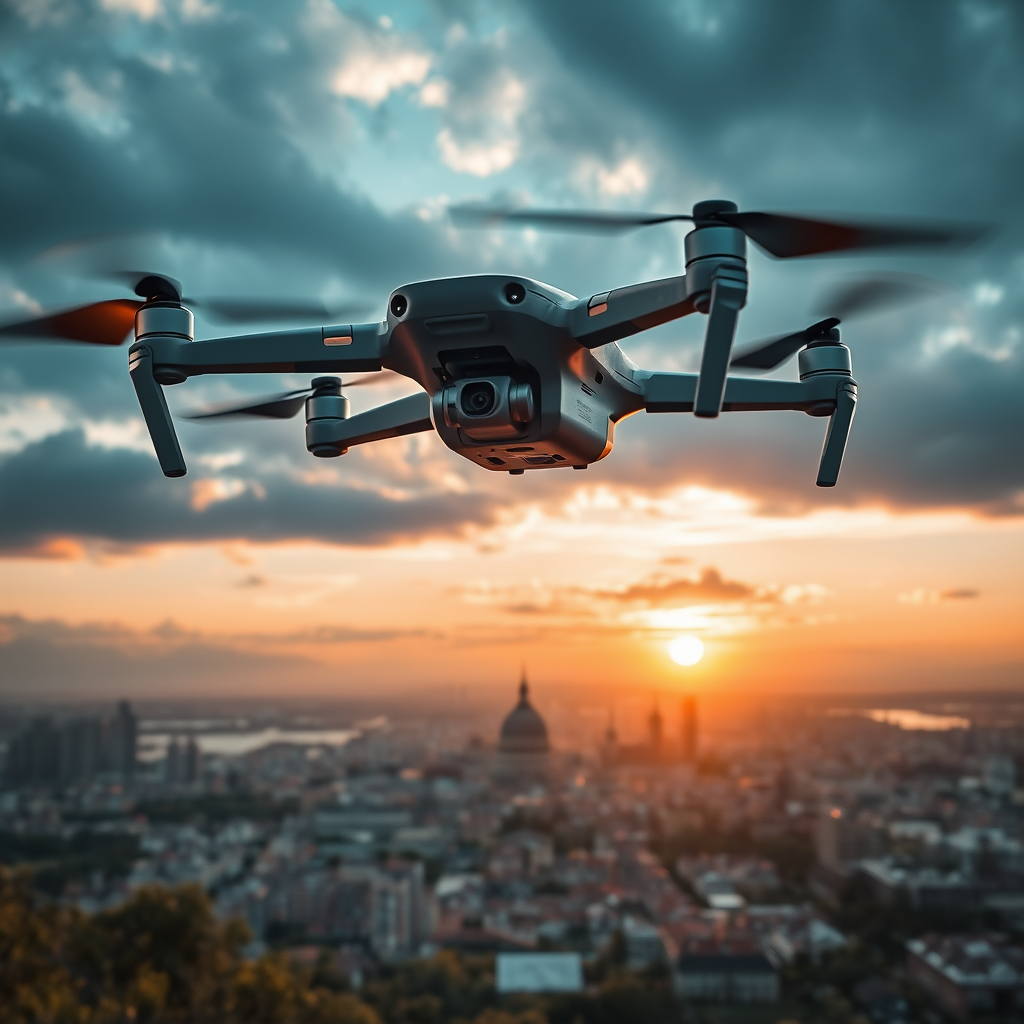
Drone photography significantly enhances the tourism experience by providing breathtaking aerial views and unique perspectives of destinations. This innovative technology not only attracts travelers but also boosts local economies and promotes sustainable practices. In this article, we’ll explore how drone photography is transforming the tourism landscape.
The Rise of Drone Photography in Tourism
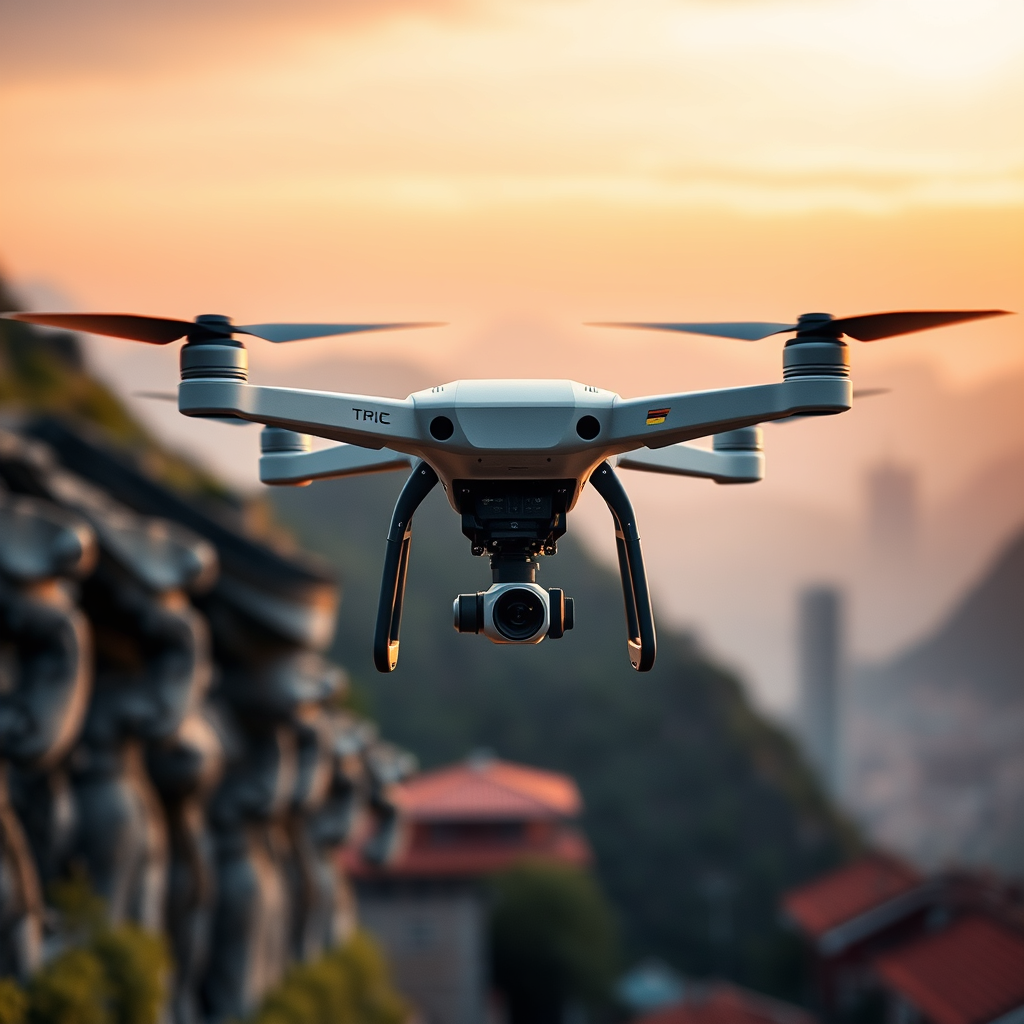
The rise of drone photography in tourism can be attributed to the increased accessibility of drone technology, making aerial photography more common in travel. Over the past decade, advancements in drone technology have led to lighter, more user-friendly devices that are affordable for both consumers and small businesses. The price point of entry has significantly dropped, allowing even local tourism operators to capture high-quality aerial footage without the need for a professional photographer. For instance, drones such as the DJI Mini series offer exceptional imaging capabilities at a fraction of the cost of traditional aerial photography methods. This democratization of drone technology means that small hotels, tour operators, and local guides can now leverage stunning visuals to market their offerings effectively.
Moreover, the proliferation of social media platforms has created a demand for unique and engaging content. Travelers are increasingly drawn to destinations that showcase visually striking imagery, often shared on platforms like Instagram and Facebook. As a result, drone photography has become a crucial tool for capturing the essence of a place, giving potential visitors a glimpse of what they can experience, thus encouraging more travel.
Enhancing Destination Appeal
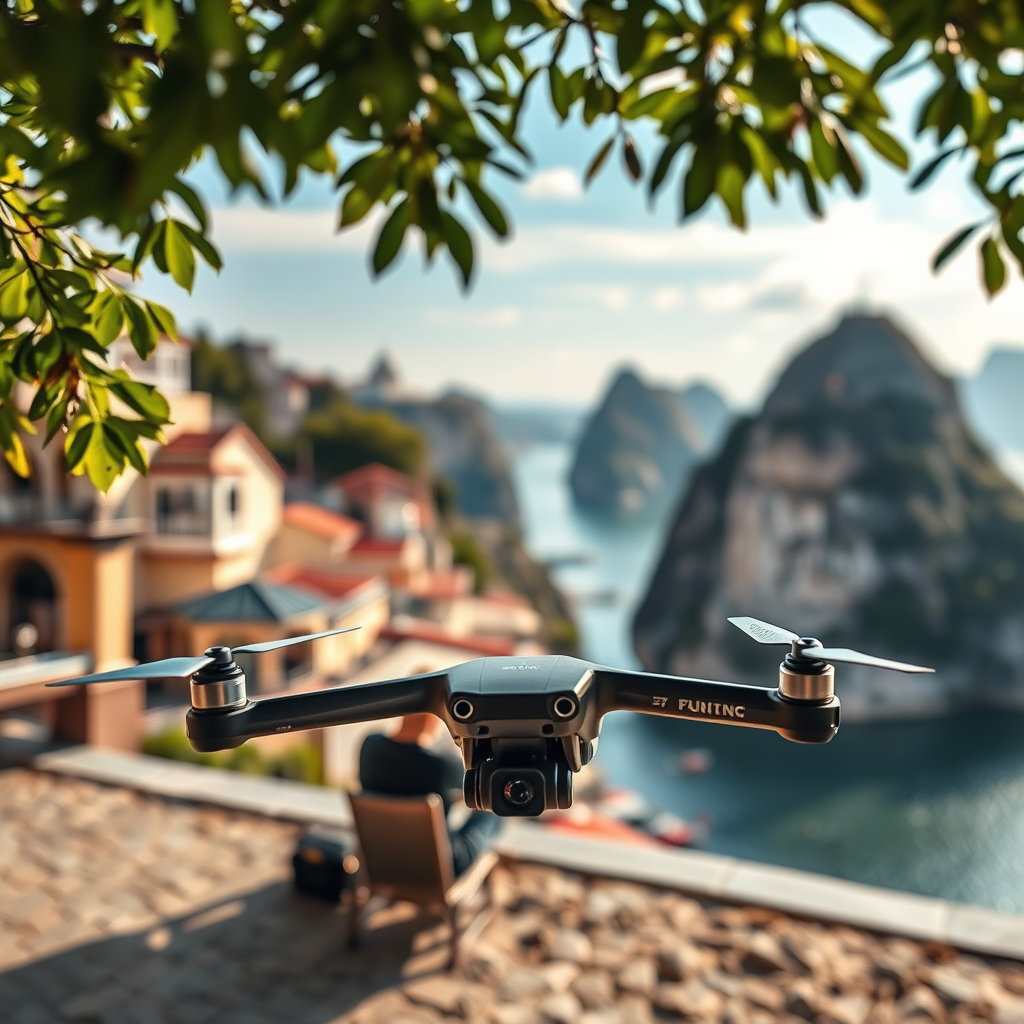
Stunning aerial images captured by drones can showcase attractions in a compelling way, significantly increasing interest in various destinations. Unlike traditional photography, drone photography offers unique angles and sweeping vistas that highlight the grandeur and beauty of landscapes, monuments, and cultural events. For example, the iconic cliffs of Moher in Ireland appear even more captivating when viewed from above, accentuating their dramatic contours and the surrounding lush green landscape.
These unique perspectives help destinations stand out in a crowded market, especially as travelers have access to countless options. Drone footage can effectively highlight lesser-known attractions alongside popular ones, creating a more diverse tourism experience. Destinations like the Faroe Islands, which have benefited from drone photography showcasing their pristine nature and dramatic coastlines, have seen a surge in tourism as these images circulate globally.
Furthermore, the ability to create engaging video content using drones allows tourism boards to craft compelling narratives around destinations. A well-edited drone video can tell a story that resonates with potential visitors, encapsulating the spirit of a place and its offerings in a way that static images cannot.
Economic Impact on Local Communities
The economic impact of drone photography on local communities is profound. As captivating drone footage serves to draw in tourists, local businesses experience a boost in sales and visibility. Hotels, restaurants, and local artisans benefit from increased foot traffic as more travelers flock to experience the destinations highlighted in drone content. For instance, the island of Santorini in Greece has become a hotspot for tourists drawn in by its stunning aerial images, resulting in a thriving local economy centered around tourism.
Moreover, enhanced visibility of lesser-known destinations through drone photography can lead to more balanced economic growth. Areas that may have previously been overlooked can gain attention and investment, helping to distribute tourism revenue more evenly across regions. This not only supports small businesses but also fosters job creation in communities that rely heavily on tourism.
By showcasing diverse attractions—from local festivals to natural wonders—drone photography can stimulate interest in off-the-beaten-path locations, alleviating the pressure on over-visited sites. This shift can help maintain the integrity of popular tourist destinations while bolstering the economies of emerging locales.
Promoting Sustainable Tourism Practices
Aerial photography plays a crucial role in promoting sustainable tourism practices by highlighting the importance of conservation and environmental stewardship. Drone imagery can capture the beauty of natural landscapes, emphasizing their fragility and the need for preservation. This visual appeal can motivate travelers to engage in responsible tourism practices, such as supporting eco-friendly accommodations and participating in conservation efforts.
Furthermore, drones can be employed for monitoring natural habitats, thereby supporting eco-tourism initiatives. For example, conservation organizations use drones to track wildlife populations and monitor changes in ecosystems, providing valuable data that can inform sustainable practices. This not only enhances the tourist experience by connecting them to the environment but also encourages a sense of responsibility among visitors to protect the places they love.
Drones can also assist in documenting the impacts of tourism on natural sites, providing critical insights into how visitor numbers affect local ecosystems. By showcasing these findings through engaging visual content, tourism entities can promote a narrative of sustainable travel that aligns with the values of modern travelers who increasingly prioritize ecological responsibility.
Challenges and Ethical Considerations
Despite the numerous benefits of drone photography in tourism, there are significant challenges and ethical considerations to address. Concerns about privacy and safety related to drone usage in public spaces have emerged, leading to calls for more stringent regulations. For instance, tourists flying drones in crowded areas without regard for local laws can infringe on the privacy of residents and other visitors, creating friction within communities.
Regulations surrounding drone operation are evolving to ensure responsible use in tourist areas. Governments and local authorities are implementing rules that dictate where and when drones can be flown, often requiring permits in sensitive locations. For example, many national parks have strict regulations regarding drone use to protect wildlife and ensure visitor safety.
Tourism operators and drone pilots must prioritize ethical practices, such as obtaining consent from individuals captured in footage and respecting no-fly zones. Education around responsible drone operation is essential to mitigate these challenges, ensuring that drone enthusiasts can enjoy their hobby while minimizing negative impacts on communities and environments.
Future Trends in Drone Photography and Tourism
Looking toward the future, emerging technologies such as artificial intelligence (AI) and enhanced drone capabilities will further transform tourism marketing. AI can help analyze vast amounts of drone footage, identifying trends that resonate with audiences and guiding targeted marketing strategies for destinations. Additionally, advancements in drone technology, such as improved battery life and higher resolution cameras, will allow for even more creative and impactful content creation.
Greater collaboration between tourism boards and drone operators is likely to evolve destination promotion strategies. By partnering with local drone pilots, tourism boards can create authentic content that reflects the unique aspects of a destination, fostering a sense of community and shared purpose. This collaboration can also ensure that the messaging aligns with the values of sustainable tourism, emphasizing responsible practices alongside stunning visuals.
As drone photography continues to gain traction in the tourism industry, we can expect to see an expansion of interactive experiences, such as virtual reality tours enhanced by drone footage. This could allow potential visitors to explore destinations from the comfort of their homes, making informed choices about their travel plans and increasing the likelihood of actual visits.
The rapid integration of drone photography into tourism is reshaping how travelers discover and experience destinations. By showcasing stunning visuals and promoting local economies, drone photography provides invaluable benefits while encouraging sustainable tourism practices. As the technology advances, both tourists and tourism businesses should embrace these innovations to enhance their experiences and contribute positively to destinations.
Frequently Asked Questions
How does drone photography enhance the tourism experience for travelers?
Drone photography enhances the tourism experience by providing unique aerial perspectives that traditional photography cannot capture. Travelers can view stunning landscapes, landmarks, and natural wonders from above, making their travel memories more vivid and shareable. This captivating imagery often inspires potential tourists to visit destinations, as they can visually appreciate the beauty and scale of a location before arriving.
What are the benefits of using drone photography for tourism marketing?
The benefits of using drone photography for tourism marketing include increased engagement and visibility on social media platforms, as aerial shots tend to attract more attention than standard images. Additionally, drone footage can highlight the unique features of a destination, such as breathtaking scenery and activities, helping to create a stronger emotional connection with potential visitors. This innovative approach can lead to higher conversion rates for tourism campaigns.
Why is drone photography becoming popular among travel bloggers and influencers?
Drone photography is becoming popular among travel bloggers and influencers because it allows them to create visually stunning content that stands out in a crowded digital landscape. Aerial imagery can capture the grandeur of landscapes and unique angles of attractions, which can enhance storytelling and showcase experiences in an engaging way. This not only boosts their audience engagement but also positions them as authoritative voices in the travel niche.
What are the legal considerations for using drones in tourism photography?
When using drones for tourism photography, it is crucial to understand the legal considerations that vary by location. Many countries and regions have regulations regarding drone flight, including licensing, no-fly zones, and restrictions on flying over private property or crowded areas. Before capturing photos, it’s essential to research local laws, obtain necessary permits, and respect any privacy concerns to ensure compliance and avoid fines.
Which destinations are known for excellent drone photography opportunities?
Destinations known for excellent drone photography opportunities include iconic locations like the Grand Canyon in the United States, Iceland’s diverse landscapes, and the lush rice terraces of Bali. These areas offer dramatic topography and unique natural features that are best captured from the air. Other notable spots include New Zealand’s stunning fjords, the Great Barrier Reef in Australia, and the historic ruins of Machu Picchu, each providing breathtaking views that enhance the allure for tourists.
References
- https://www.bbc.com/news/business-47244909
- https://www.sciencedirect.com/science/article/pii/S2210670719310073
- https://www.wired.com/story/drone-photography-impact-tourism/
- https://www.nytimes.com/2021/07/09/travel/drone-photography-tourism.html
- https://www.researchgate.net/publication/327742123_The_Impact_of_Drones_on_Tourism_Industry
- Prague is the fifth most visited city in Europe | .TR
- https://www.nature.com/articles/s41599-020-00612-7
- App “www-ijtra-com”
