
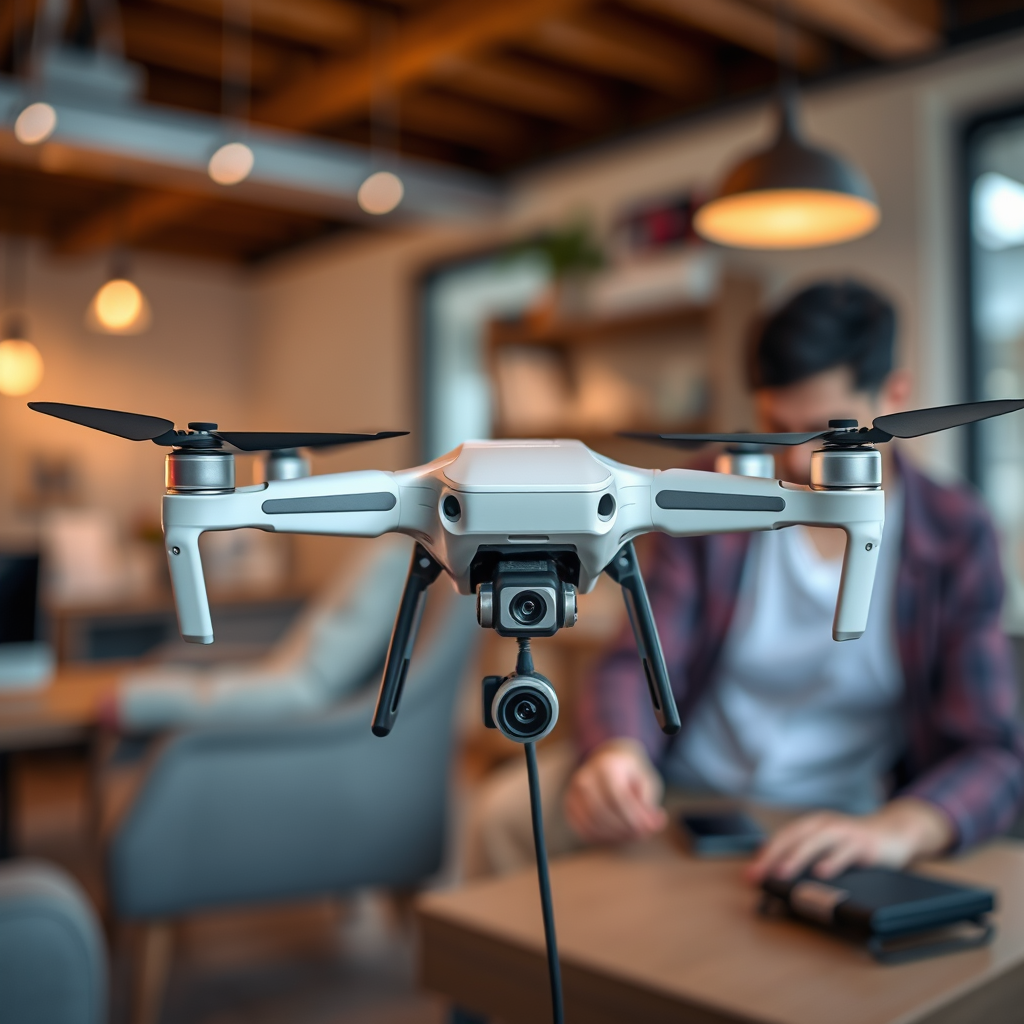
The latest advancements in drone charging technology are increasingly centered around wireless solutions that enhance both convenience and efficiency. These innovative charging systems enable drones to recharge without the need for cumbersome physical connections, thereby improving operational capabilities across a range of applications. This article will delve into the newest developments in wireless charging systems for drones, highlighting their advantages, the challenges they face, and their prospects for the future.
Emerging Wireless Charging Technologies
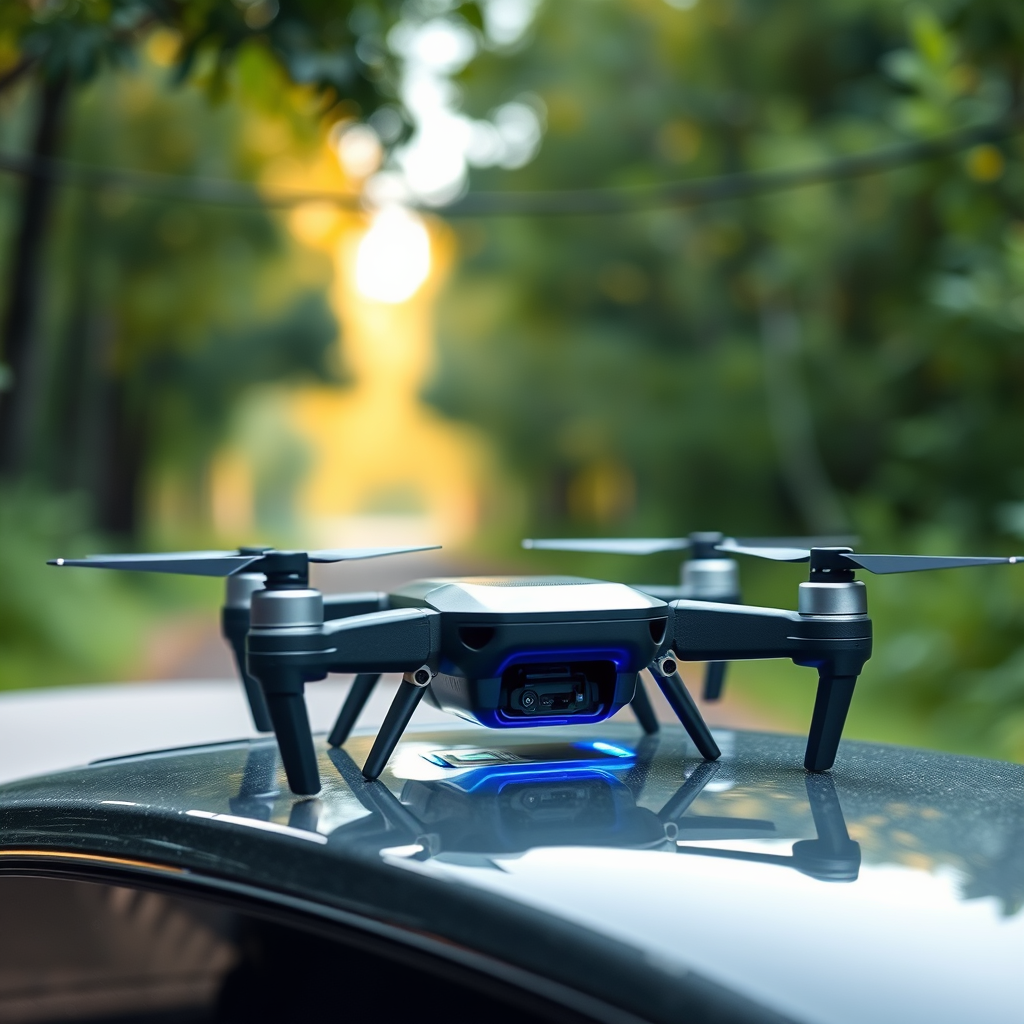
Wireless drone charging primarily revolves around two key technologies: inductive charging and resonant charging. Inductive charging utilizes magnetic fields to transfer energy between two coils—one in the charger and one in the drone. This method is currently being developed to achieve higher efficiency and faster charging times. On the other hand, resonant charging involves tuning both the transmitter and receiver to resonate at the same frequency, allowing for energy transfer over longer distances compared to inductive methods.
Comparing efficiency rates, traditional wired charging systems typically boast efficiencies of around 80-90%. In contrast, emerging wireless methods are still catching up, with current efficiencies ranging from 60% to 80%. However, ongoing advancements in technology are expected to bridge this gap, making wireless solutions more competitive. Factors such as the distance between the charging station and the drone, as well as the alignment of the coils, significantly influence these efficiency rates.
Advantages of Wireless Drone Charging
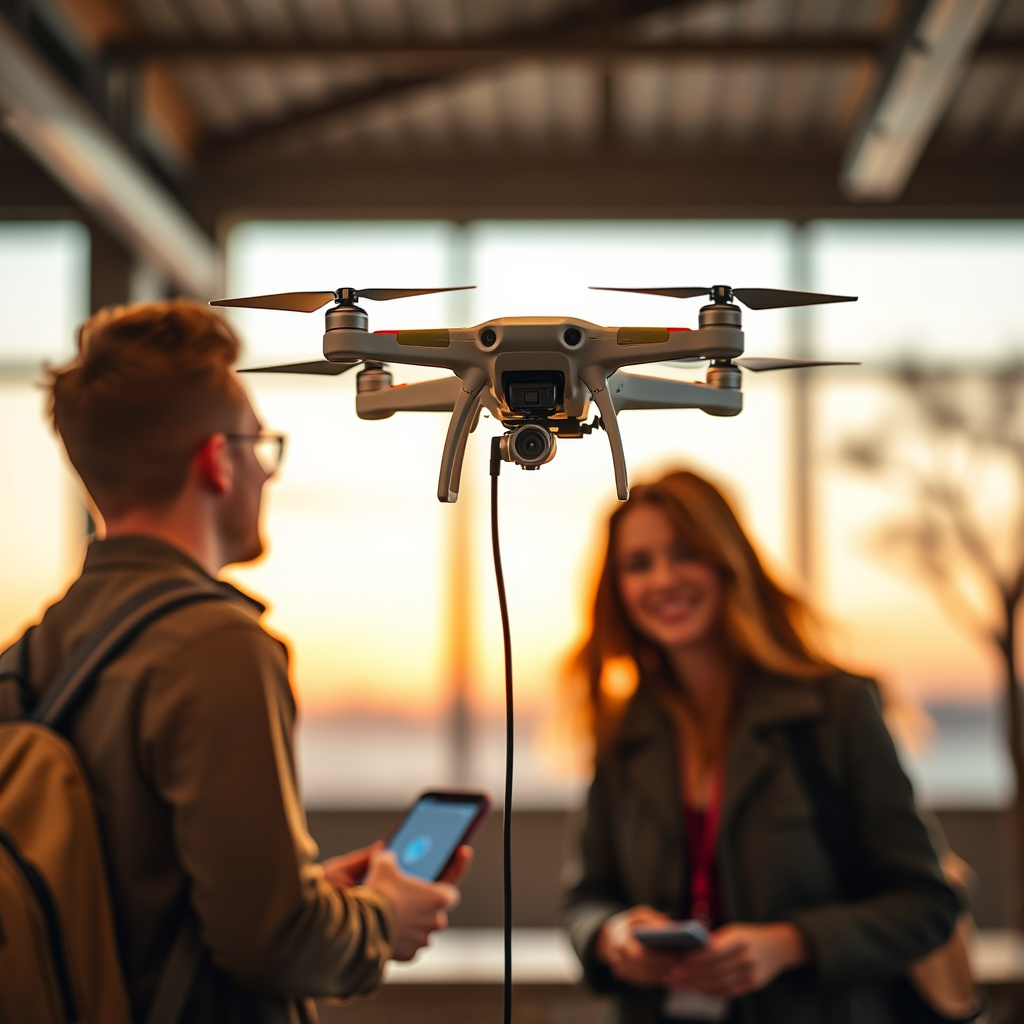
One of the most compelling advantages of wireless drone charging is the increased operational uptime it offers. By eliminating the need for physical connections, drones can recharge autonomously, reducing the downtime associated with manual plug-in charging processes. This is particularly beneficial in applications such as surveillance, where drones can operate continuously without the interruption of recharging.
Moreover, wireless charging enhances mobility and flexibility for drone deployment. Drones equipped with wireless charging capabilities can operate in environments where traditional charging stations are impractical, such as remote locations or disaster-stricken areas. This adaptability not only increases the range of operations but also allows for more dynamic mission planning, which is essential in sectors like emergency response and agricultural monitoring.
Current Market Leaders in Wireless Charging Solutions
Several companies are at the forefront of developing wireless charging technologies for drones. Among them, PowerMat Technologies has made significant strides with its inductive charging solutions, allowing drones to charge while hovering over designated charging pads. Similarly, WiBotic has gained attention for its resonant wireless charging systems, which are designed for various drone models, enabling them to recharge on landing pads equipped with resonant coils.
Successful case studies abound, with companies like Zipline leveraging these technologies for medical supply deliveries in remote areas. By integrating wireless charging stations into their delivery networks, Zipline has significantly increased the efficiency of their operations, ensuring that drones can remain airborne longer and deliver critical supplies without interruption.
Challenges Facing Wireless Charging for Drones
Despite the promising advancements, several challenges hinder the widespread adoption of wireless charging for drones. One major limitation is the effective range of these systems. While inductive charging requires close proximity, resonant charging can still face efficiency losses over distance. Furthermore, environmental factors such as weather and obstacles can impede the energy transfer, necessitating advancements in technology to mitigate these issues.
Regulatory hurdles also pose significant challenges. The drone industry is heavily regulated, and the introduction of wireless charging stations requires compliance with safety and operational standards. Establishing industry-wide standards for wireless charging is essential to ensure compatibility and safety across various drone models and manufacturers.Future of Wireless Charging in the Drone Industry
Looking ahead, the future of wireless charging in the drone industry appears promising. Predictions suggest that advancements in materials science, such as the development of high-temperature superconductors, may lead to significant improvements in efficiency and range. Additionally, the integration of artificial intelligence could optimize charging times and energy management, enabling smart charging solutions that adapt to real-time operational needs.
As wireless charging technology matures, market dynamics are likely to shift. Companies that innovate in this space may gain a competitive edge, leading to a proliferation of wireless charging solutions across various sectors. This could ultimately result in a more interconnected ecosystem of drones, where seamless charging capabilities enhance the overall efficiency and effectiveness of drone operations.
Real-World Applications of Wireless Drone Charging
Several industries are already witnessing the benefits of wireless drone charging solutions. In delivery services, companies like Amazon Prime Air are exploring the potential of wireless charging stations at distribution centers, allowing drones to recharge quickly and efficiently between deliveries. In agriculture, drones equipped with wireless charging capabilities can monitor vast areas without interruption, providing real-time data that enhances crop management and yield optimization.
Moreover, surveillance operations have greatly benefited from the implementation of wireless charging systems. Drones used in security and monitoring can remain airborne longer, providing continuous coverage without the need for manual recharging. The impact on operational efficiency is significant, allowing for more extensive data collection and quicker response times in both public safety and private security sectors.
The rapid evolution of wireless charging solutions for drones is set to revolutionize the industry, making drone operations more efficient and accessible. As technology continues to advance, staying informed on the latest developments will be crucial for businesses and enthusiasts alike. Explore these innovations further and consider how they can enhance your drone operations today.
Frequently Asked Questions
What are the benefits of wireless drone charging solutions?
Wireless drone charging solutions offer several significant benefits, including increased convenience, reduced wear on charging ports, and the ability to charge multiple drones simultaneously. These systems eliminate the need for physical connectors, making charging quicker and more efficient, especially in environments where drones need to be deployed rapidly. Additionally, wireless charging can enhance safety by reducing the risk of electrical hazards and damage to the drone’s components.
How do wireless charging pads for drones work?
Wireless charging pads for drones typically utilize electromagnetic induction or resonance technology to transfer energy from the charging pad to the drone’s battery. When the drone is positioned over the charging pad, an electromagnetic field is created, which induces a current in the drone’s receiver coil. This process allows for efficient energy transfer without the need for physical contact, making it ideal for quick turnaround times in commercial drone operations.
Why should commercial drone operators consider adopting wireless charging technology?
Commercial drone operators should consider adopting wireless charging technology to streamline their operations and enhance productivity. Wireless charging reduces downtime associated with manually connecting and disconnecting drones to charging stations, allowing for faster deployments and increased flight frequency. Additionally, as the industry evolves toward automation and smart technology, integrating wireless charging can future-proof their operations, making them more competitive in the market.
What are the best wireless charging solutions currently available for drones?
Some of the best wireless charging solutions for drones include offerings from companies like Powermat, DroneVolt, and HEISHA. These systems vary in terms of compatibility, charging speed, and scalability, so it’s essential for users to assess their specific needs. For instance, Powermat provides high-efficiency charging pads designed for multiple drone models, while DroneVolt focuses on robust solutions for industrial applications, ensuring that operators find a perfect match for their fleet.
Which drones are compatible with the latest wireless charging technologies?
The compatibility of drones with the latest wireless charging technologies largely depends on the manufacturer’s design and specifications. Currently, many commercial drones, such as those from DJI and Parrot, are beginning to integrate wireless charging capabilities. However, it’s crucial for users to check the manufacturer’s guidelines and specifications to ensure their specific drone model can utilize these advanced charging solutions efficiently. As the technology matures, more models are expected to adopt this feature.
References
- https://en.wikipedia.org/wiki/Drone_recharging
- https://www.sciencedirect.com/science/article/pii/S2351978919300643
- https://www.nasa.gov/feature/nasa-s-advanced-air-mobility-initiative
- https://www.reuters.com/technology/faa-approves-first-commercial-drone-delivery-service-2020-10-01/
- https://www.theguardian.com/technology/2021/aug/29/drones-charging-wirelessly-technology
- Adaptive Water Sampling Device for Aerial Robots
- https://www.wired.com/story/wireless-drone-charging-technology/
- https://www.darpa.mil/news-events/2021-08-31
- https://www.bbc.com/news/technology-58992443
