
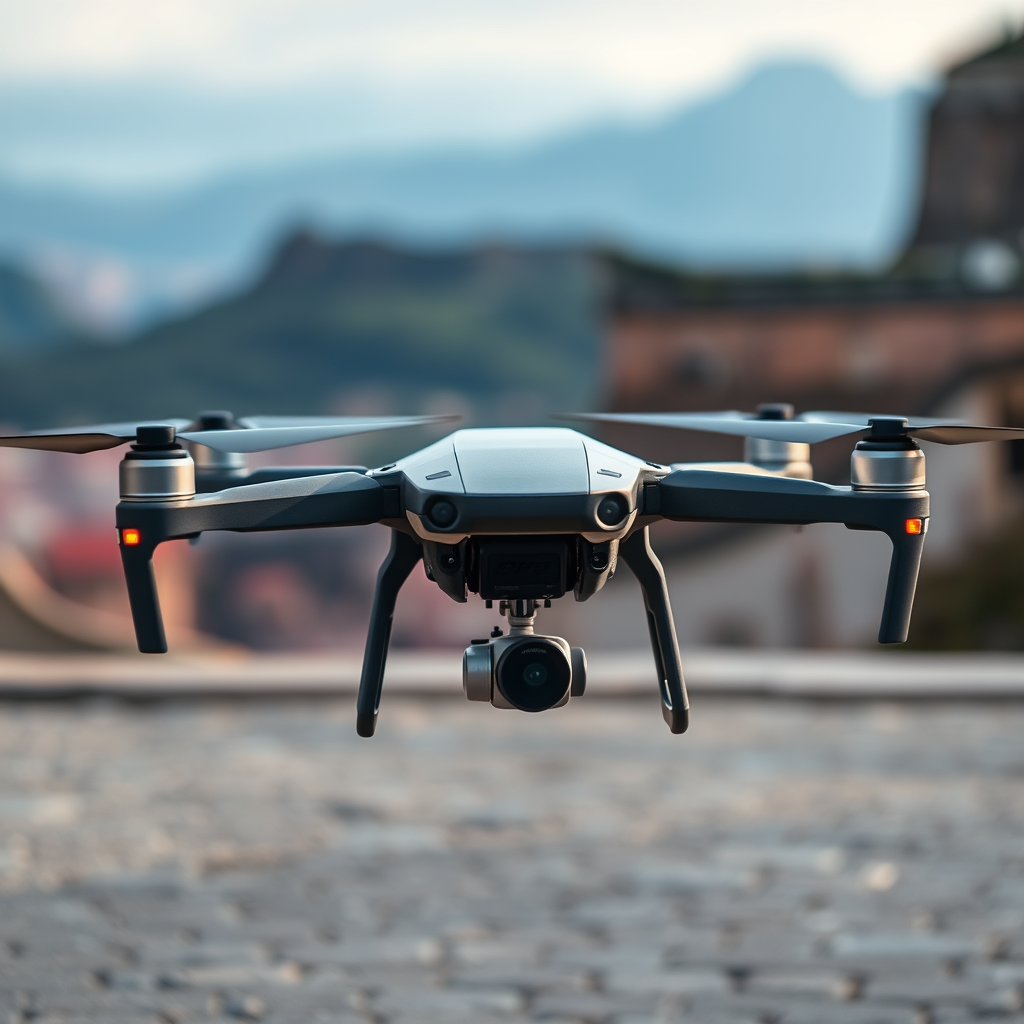
The advanced flight controllers in 2025 drones are pivotal for enhancing flight stability, enabling autonomous operations, and improving user experience. These sophisticated systems allow drones to perform complex tasks while ensuring safety and reliability. In this article, we’ll explore the crucial functions and benefits of advanced flight controllers in modern drone technology.
Enhanced Stability and Control
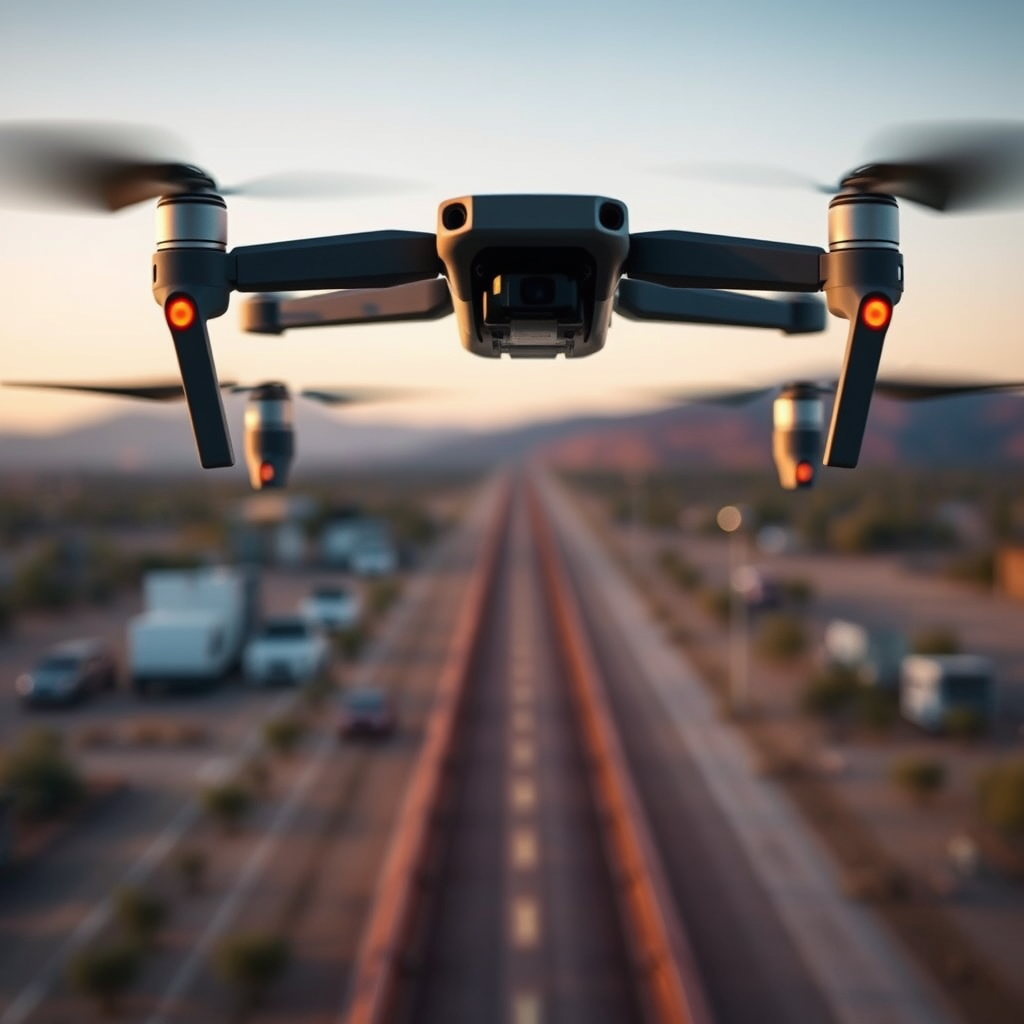
Advanced flight controllers are equipped with cutting-edge algorithms designed to ensure stability during flight, which is a critical factor in preventing crashes and operational errors. By continuously analyzing data from onboard sensors, these controllers can make real-time adjustments to the drone’s flight dynamics. For example, they can compensate for wind disturbances or sudden changes in altitude, allowing for smoother handling in varying environmental conditions. This level of stability is especially important for applications such as aerial photography and surveying, where precise movements are necessary to capture high-quality images and data.
Moreover, some of the latest flight controllers employ advanced techniques such as sensor fusion, which combines data from multiple sensors to create a comprehensive understanding of the drone’s environment. This technology not only enhances stability but also contributes to better performance in challenging scenarios, such as flying in urban areas with obstacles or during adverse weather conditions.
Autonomy and Automation
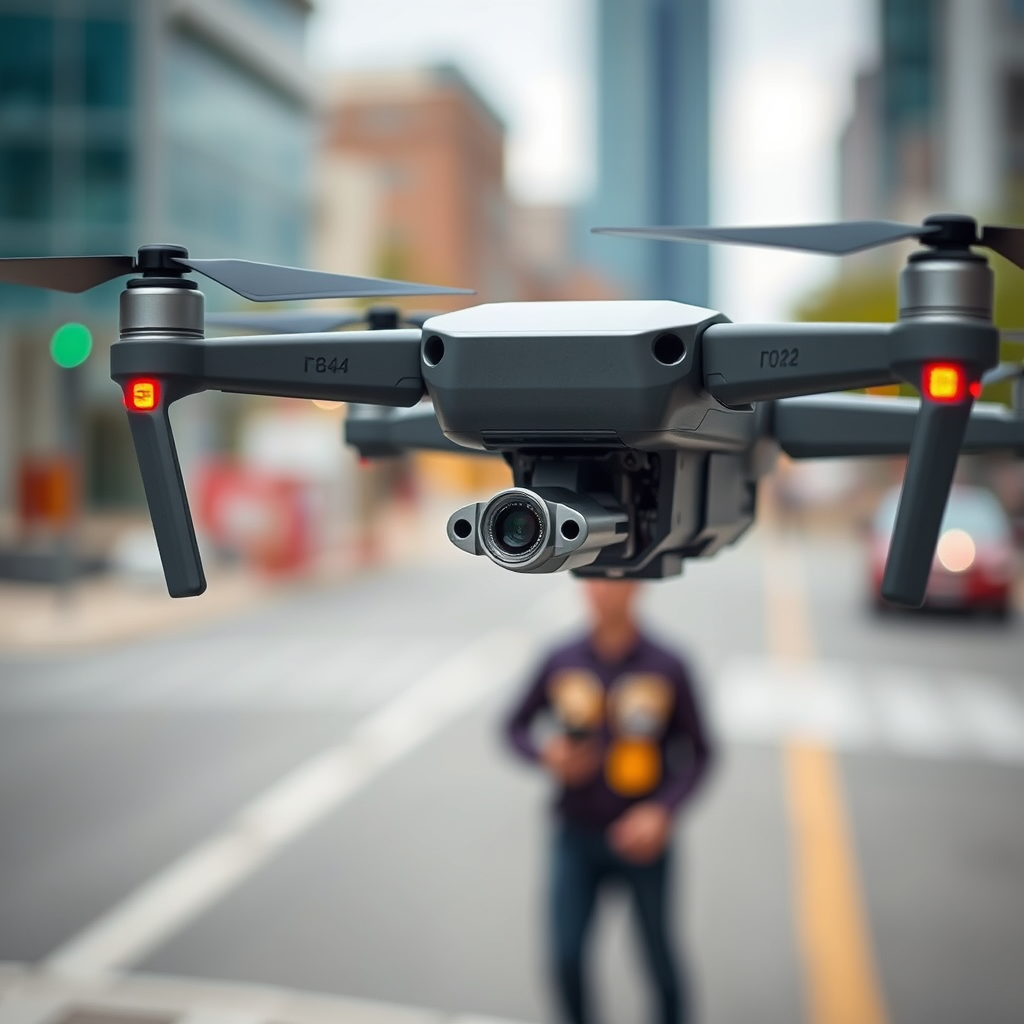
The evolution of advanced flight controllers has significantly enhanced the autonomy of drones, enabling them to operate without direct human intervention. This capability is crucial for various applications, including delivery services, agricultural monitoring, and search-and-rescue missions. For instance, a drone equipped with an advanced flight controller can follow a pre-programmed flight path to deliver packages, monitor crop health, or conduct aerial surveys, all while avoiding obstacles and adjusting to real-time conditions.
Autonomous operations not only increase efficiency but also reduce the risk associated with human error. In search-and-rescue missions, drones can be deployed to cover large areas quickly and effectively, using advanced flight controllers to navigate complex terrains and deliver critical supplies. The ability to program specific missions allows organizations to optimize their operations, saving time and resources while enhancing overall effectiveness.
Improved Sensor Integration
Modern flight controllers have taken sensor integration to new heights by seamlessly incorporating inputs from a variety of sensors, including GPS, LIDAR, and cameras. This enhanced integration allows for improved situational awareness, which is essential for safe and efficient drone operation. For example, LIDAR sensors can provide detailed topographical maps, enabling drones to navigate and avoid obstacles with precision.
Real-time data processing is another vital feature of advanced flight controllers. By quickly analyzing sensor data, these systems can improve navigation and obstacle avoidance capabilities. For instance, in industrial applications, drones can inspect infrastructure such as bridges and pipelines, using integrated sensors to detect faults or irregularities while flying autonomously. This level of intelligence not only enhances the functionality of drones but also allows for data-driven decision-making, which can lead to better outcomes in various sectors.User-Friendly Interfaces
One of the standout features of advanced flight controllers is their user-friendly interfaces, which are designed to simplify drone operation for users of all skill levels. Intuitive software platforms often include features such as automated takeoff and landing, waypoint navigation, and live telemetry, making it easier for novices and experts alike to operate drones effectively.
For example, many flight controllers now offer mobile applications that allow users to plan and monitor flights from their smartphones. These apps typically feature interactive maps and real-time data displays, empowering users to make informed decisions during flight. The result is a more accessible flying experience, encouraging broader adoption of drone technology across various industries, including education, entertainment, and research.
Safety Features and Redundancies
Safety is paramount in drone operations, and advanced flight controllers incorporate a range of fail-safe mechanisms to prevent crashes and ensure safe flights. Features such as return-to-home (RTH) functionality are designed to automatically guide drones back to their takeoff point if they lose signal or battery power. This capability is critical in preventing accidents and enhancing confidence in drone technology.
Additionally, many advanced flight controllers are built with redundant systems that ensure critical functions remain operational even if one component fails. For example, if the primary GPS system malfunctions, a secondary navigation method can take over, allowing the drone to continue its mission safely. These safety features not only protect the drone itself but also safeguard people and property in the vicinity.
Applications Across Industries
The versatility of advanced flight controllers has led to their widespread use across various sectors, including agriculture, construction, and film production. In agriculture, for instance, drones equipped with advanced flight controllers can perform precision agriculture tasks, such as monitoring crop health and assessing soil conditions. This capability allows farmers to make data-driven decisions that enhance yield and reduce waste.
In the construction industry, drones are increasingly used for site inspections and surveying. Advanced flight controllers enable these drones to create detailed 3D maps of construction sites, monitor progress, and identify potential safety issues. Similarly, in the film and entertainment industry, drones are revolutionizing cinematography by providing unique aerial shots that were previously difficult or costly to achieve.
Future Trends and Developments
As technology continues to evolve, the capabilities of advanced flight controllers are expected to expand even further. Ongoing advancements in artificial intelligence (AI) and machine learning are likely to enhance the decision-making abilities of drones, making them even more autonomous. For example, future drones may be able to analyze their surroundings and adapt their flight paths in real-time based on changing conditions, such as obstacles or weather changes.
Additionally, the integration of 5G technology could facilitate faster data transmission, enabling drones to operate in more complex environments while receiving real-time updates. This development could lead to new applications in urban air mobility, where drones are used for passenger transport or emergency response, fundamentally changing how we think about drone operations.
In summary, advanced flight controllers are essential for the functionality and safety of 2025 drones, facilitating everything from stability and autonomy to user-friendly experiences. As technology evolves, staying informed about these advancements will be crucial for anyone involved in drone operations. Embrace these innovations and consider how they can enhance your drone experiences today!
Frequently Asked Questions
What are advanced flight controllers and how do they function in 2025 drones?
Advanced flight controllers are sophisticated electronic systems that manage the flight operations of drones. In 2025, these controllers leverage artificial intelligence and machine learning algorithms to enhance navigation, stability, and obstacle avoidance. They process data from various sensors, including GPS, gyroscopes, and accelerometers, allowing drones to perform complex maneuvers and maintain optimal flight paths with minimal human intervention.
How do advanced flight controllers improve drone safety and reliability in 2025?
Advanced flight controllers significantly enhance drone safety by integrating features like automated fail-safes, real-time monitoring, and advanced collision avoidance systems. In 2025, these controllers can instantly assess flight conditions and make necessary adjustments, reducing the risk of crashes and ensuring reliable performance even in challenging environments. This level of automation not only protects the drone but also safeguards people and property on the ground.
Why are advanced flight controllers essential for commercial drones in 2025?
Advanced flight controllers are crucial for commercial drones in 2025 as they enable complex operations such as package delivery, agricultural monitoring, and infrastructure inspection. These controllers facilitate precise navigation, increased payload capabilities, and integration with other technologies like 5G connectivity. As industries increasingly rely on drone technology, advanced flight controllers ensure that operations are efficient, safe, and compliant with regulations.
Which features should I look for in advanced flight controllers for drones in 2025?
When selecting advanced flight controllers for drones in 2025, look for features like GPS-denied navigation capabilities, high-quality sensor integration, and robust data processing power. Additional functionalities such as obstacle avoidance, autonomous flight planning, and user-friendly interfaces are also important. These features collectively enhance the drone’s operational efficiency and adaptability to various tasks and environments.
What are the benefits of using AI-powered flight controllers in 2025 drones?
AI-powered flight controllers offer several advantages for drones in 2025, including improved decision-making capabilities and adaptive learning. These controllers can analyze vast amounts of data in real-time, enabling drones to adapt to changing conditions, optimize flight paths, and enhance mission success rates. Additionally, AI integration helps in automating routine tasks, allowing operators to focus on more strategic aspects of drone operations.
References
- Unmanned aerial vehicle
- https://www.nasa.gov/mission_pages/constellation/launch/faq.html
- Unmanned Aircraft Systems (UAS) | Federal Aviation Administration
- https://www.sciencedirect.com/science/article/pii/S2212683918300039
- https://www.reuters.com/article/us-drones-insight-idUSKBN1ZT1C6
- https://www.wired.com/story/what-is-a-drone/
- drones | TechCrunch
- Home | AIAA
- MIT – Massachusetts Institute of Technology
- Modernizing Crime Statistics
