
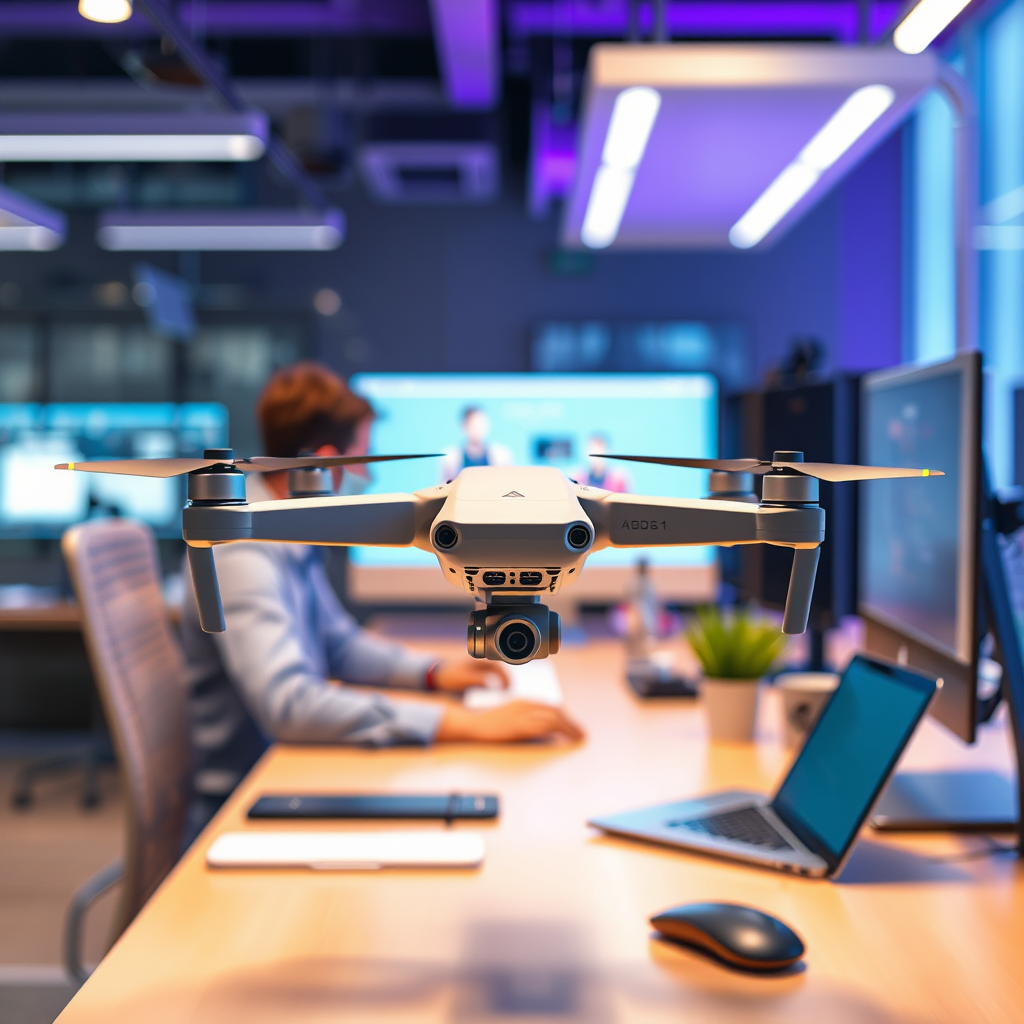
The integration of AI in drone shot composition significantly enhances the quality and creativity of aerial photography and videography. By utilizing advanced algorithms and machine learning, filmmakers and photographers can achieve stunning visuals that were previously difficult to capture. This article will explore how AI is transforming the way we think about drone shot composition, including its benefits, techniques, and future potential.
Understanding AI in Drone Technology
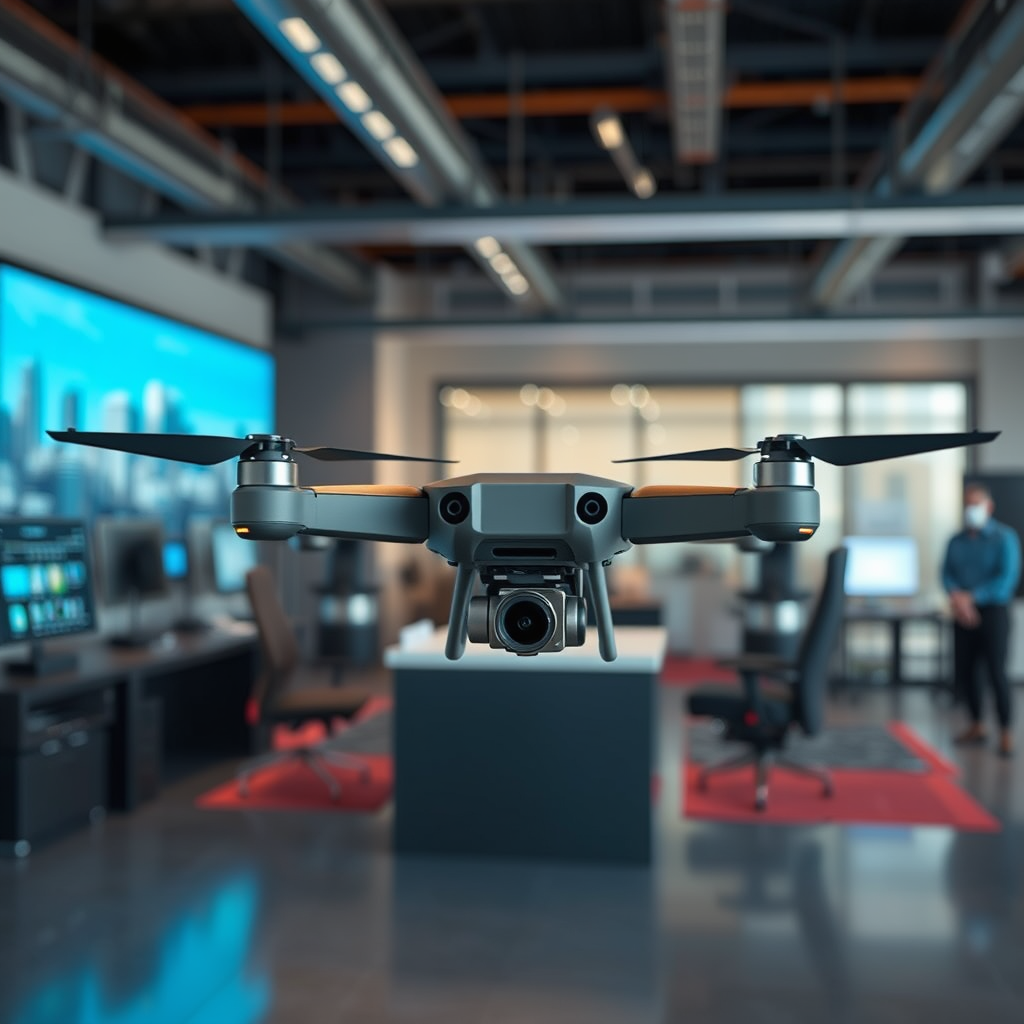
AI algorithms enable real-time analysis of environments, optimizing shot composition through intelligent data processing. Drones equipped with AI can assess various elements within a scene, such as lighting, terrain, and subject movement, to determine the most effective framing and angles. For instance, drones can analyze the landscape to identify natural lines and focal points that enhance visual interest. Additionally, machine learning empowers drones to adapt to various shooting conditions, improving results by learning from previous flights. Through iterative learning, these drones become adept at recognizing patterns that contribute to aesthetically pleasing compositions, ultimately enhancing the user experience for filmmakers and photographers alike.
Benefits of AI in Shot Composition
The advantages of integrating AI into shot composition are manifold. First and foremost, AI provides increased precision in framing and focus, which is crucial for capturing high-quality images. By precisely calculating the optimal focal length and exposure settings, drones can produce sharper and more vibrant visuals. This precision is especially beneficial in challenging environments, such as fast-moving subjects or dynamic weather conditions.
Moreover, AI enhances creativity through automated shot suggestions based on best practices gathered from extensive data analysis. Filmmakers can access a variety of pre-programmed shot techniques and styles, allowing them to experiment with different approaches without the need for extensive planning. For example, features like automated “drone ballet” allow drones to execute complex movements seamlessly, creating cinematic shots that would be difficult to achieve manually.
AI Tools and Software for Drone Filmmaking
Several AI-driven software tools are revolutionizing the drone filmmaking landscape. Notable examples include DJI’s FlightAutonomy system, which utilizes AI to create a 3D map of the environment, allowing for smarter navigation and obstacle avoidance. Another impressive tool is Pix4D, which employs AI to analyze aerial imagery, helping users create detailed 3D models and orthomosaics from drone data.
In addition to software, various hardware features in modern drones leverage AI for enhanced performance. For instance, the latest models from companies like Skydio and Autel Robotics incorporate advanced AI systems capable of obstacle detection and avoidance, making it easier for operators to capture dynamic shots without compromising safety. These intelligent systems not only simplify the shooting process but also allow for greater creative freedom in managing complex aerial maneuvers.
Techniques for Effective AI-Driven Composition
Utilizing AI to analyze landscape features and suggest optimal angles is transforming the way drone operators approach composition. For instance, AI can scan a scene and recommend specific vantage points based on the characteristics of the terrain, weather conditions, and lighting. Filmmakers can use this information to position their drones in ideal locations that enhance the overall visual narrative.
Additionally, implementing smart tracking and subject recognition technology allows for improved dynamic shots. Drones equipped with AI can autonomously follow moving subjects, adjusting their flight path and camera settings in real time. This capability is particularly beneficial for action sports filmmakers or wildlife videographers, where unpredictability is a constant factor. By ensuring that the subject remains in focus while capturing breathtaking aerial perspectives, operators can create more engaging and immersive content.
The Impact of AI on Creative Decisions
AI’s influence extends beyond technical enhancements; it also plays a significant role in shaping creative decisions. By analyzing vast amounts of visual data, AI can inspire new storytelling techniques and visual styles that filmmakers might not have considered. For instance, AI can identify successful visual patterns in popular films and suggest similar approaches for new projects, thus expanding the creative toolkit available to filmmakers.
However, it is essential to balance human creativity with AI assistance in the filmmaking process. While AI can provide valuable insights and suggestions, the human touch remains irreplaceable in storytelling. Filmmakers should view AI as a collaborative partner that enhances their creative vision rather than as a replacement for their artistry. This synergy can lead to innovative storytelling methods that combine the strengths of both human intuition and machine intelligence.
Future Trends in AI and Drone Composition
Looking ahead, the potential for AI technologies in drone composition is vast. We can expect emerging AI capabilities to further evolve drone functionalities, leading to advancements such as enhanced real-time scene recognition, improved predictive algorithms for flight paths, and even automated editing processes that can generate polished videos in seconds. As AI becomes more integrated into drone technology, filmmakers will be empowered to create even more intricate and imaginative visual narratives.
However, this evolution also raises ethical considerations and potential challenges. The increased reliance on AI in creative fields poses questions about originality and authorship. As AI-generated content becomes more prevalent, filmmakers and industry stakeholders will need to navigate the complexities of intellectual property rights and creative integrity. Ensuring that human creativity remains at the forefront while leveraging AI’s capabilities will be crucial in shaping the future of drone filmmaking.
The advancements of AI in drone shot composition are revolutionizing the visual storytelling landscape. By understanding its benefits, tools, and techniques, filmmakers can leverage AI to elevate their work. As technology continues to evolve, staying informed on these trends will be crucial for anyone looking to enhance their aerial cinematography. Embracing AI as a collaborative partner in the creative process will not only improve the quality of visual content but also inspire innovative approaches to storytelling in the ever-evolving world of drone filmmaking.
Frequently Asked Questions
What is the role of AI in drone shot composition?
AI plays a crucial role in drone shot composition by analyzing real-time data to enhance the framing, angles, and overall visual appeal of aerial footage. By employing machine learning algorithms, AI can suggest optimal camera settings and flight paths that result in dynamic and captivating shots, allowing filmmakers and content creators to produce high-quality visuals with minimal trial and error.
How does AI improve the efficiency of drone photography?
AI improves the efficiency of drone photography by automating tasks such as object detection, scene recognition, and flight path optimization. This allows drone operators to focus on creative aspects rather than manual adjustments. For instance, AI can identify interesting landscapes and automatically adjust the camera settings, significantly reducing the time spent on shooting and editing.
Why should drone operators consider using AI for composing shots?
Drone operators should consider using AI for composing shots because it enhances the creative process while ensuring that technical aspects are handled efficiently. AI can analyze vast amounts of data to provide real-time feedback on composition and lighting, which helps operators capture stunning visuals that might be missed otherwise. This can be particularly beneficial for those who may not have extensive photography experience.
What are the best AI tools for enhancing drone shot composition?
Some of the best AI tools for enhancing drone shot composition include DJI’s Intelligent Flight Modes, Skydio’s autonomous flying capabilities, and software like DroneDeploy that offers AI-driven mapping and analysis. These tools leverage AI to streamline the shooting process, provide instant feedback on shot quality, and help drone operators achieve cinematic results with ease.
Which industries can benefit the most from AI in drone shot composition?
Several industries can benefit significantly from AI in drone shot composition, including film and television production, real estate, agriculture, and environmental monitoring. In film production, AI can assist in capturing complex scenes, while in real estate, it can create stunning aerial views to showcase properties. Similarly, in agriculture, drones equipped with AI can analyze crop health and optimize field inspections, demonstrating the versatility of AI in enhancing visual storytelling across various sectors.
References
- https://en.wikipedia.org/wiki/Drone_filmography
- https://www.sciencedirect.com/science/article/pii/S2351978921000154
- https://www.nytimes.com/2021/09/14/technology/drones-ai-photography.html
- https://www.bbc.com/future/article/20210421-how-ai-is-changing-the-way-we-take-photos
- https://www.techcrunch.com/2020/12/01/how-ai-is-transforming-aerial-photography/
- https://www.researchgate.net/publication/344102791_Artificial_intelligence_and_drones_in_photography
- https://www.wired.com/story/how-ai-is-changing-drone-photography/
- https://www.nasa.gov/feature/nasa-pilots-ai-for-drone-operations
- https://www.itu.int/en/ITU-T/focusgroups/ai4sdgs/Documents/AI_and_Drones_for_Sustainable_Development.pdf
- https://www.unm.edu/~drones/AI_in_Drones.html
