

Edge computing plays a crucial role in real-time drone processing by enabling low-latency data processing and enhancing operational efficiency. This innovative technology allows drones to analyze data on-site, minimizing delays and improving decision-making capabilities. As drones are increasingly deployed across various sectors, the integration of edge computing is pivotal in elevating their performance and reliability. In this article, we will explore how edge computing revolutionizes drone technology, its benefits, challenges, and future prospects.
Understanding Edge Computing
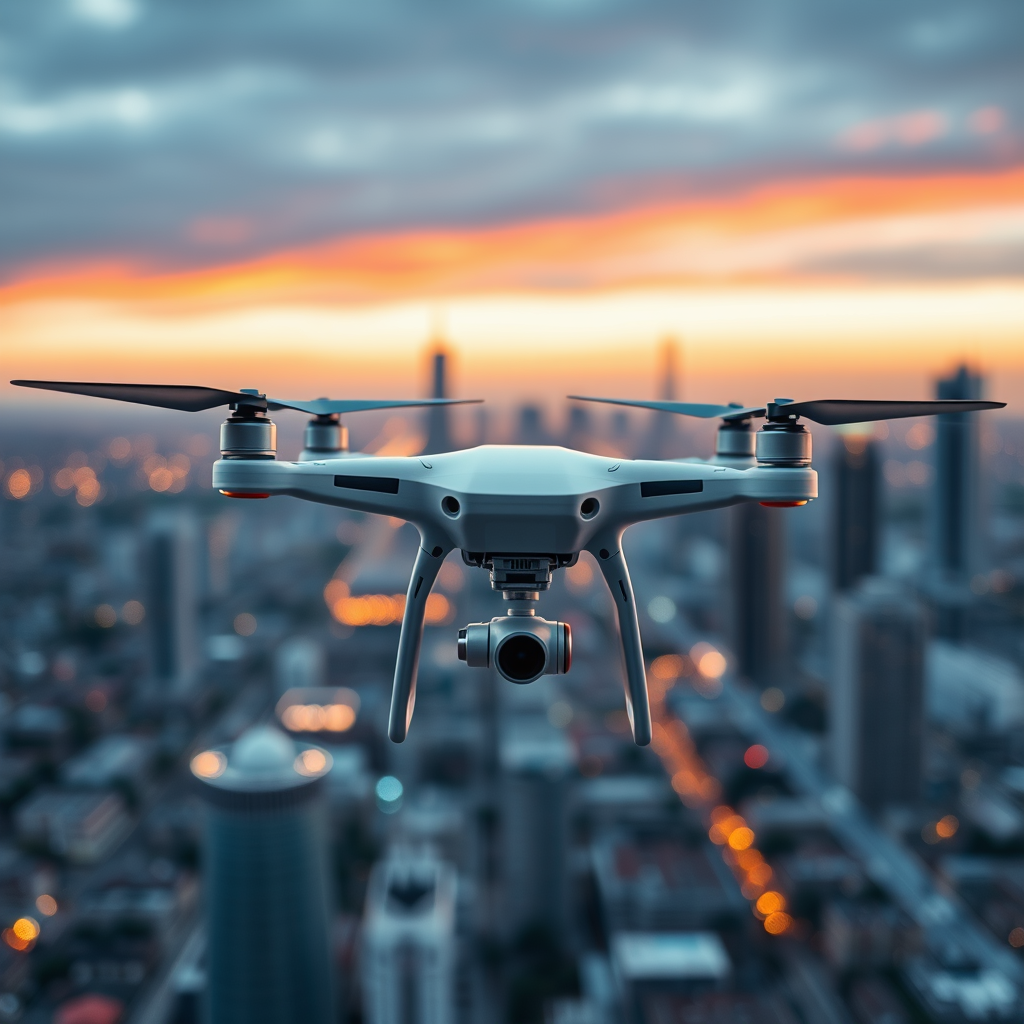
Edge computing refers to a distributed computing paradigm that brings computation and data storage closer to the location where it is needed, rather than relying on a centralized data center. This setup reduces latency, increases speed, and optimizes bandwidth usage, making it particularly beneficial for applications requiring real-time processing. Unlike traditional cloud computing, which involves sending data to a remote server for processing, edge computing allows for localized data processing, thus enabling faster response times and enhanced efficiency.
In the context of drone technology, edge computing transforms how data is handled. For instance, rather than transmitting vast amounts of data to the cloud for analysis, drones equipped with edge computing capabilities can process information on-board, allowing for immediate insights and decision-making. This shift from cloud-centric to edge-centric processing is essential for applications where timing is critical, such as emergency response or surveillance operations.
Importance of Real-Time Processing in Drones

Similarly, in surveillance and security, drones equipped with real-time processing capabilities can quickly analyze video feeds to detect intrusions or monitor large events. This immediacy can be the difference between effective threat mitigation and catastrophic consequences. Other industries, such as logistics and transportation, also benefit from real-time drone data, where timely updates on delivery status can improve customer satisfaction and operational efficiency.
How Edge Computing Enhances Drone Performance
One of the most significant advantages of edge computing in drones is the substantial reduction of latency. Immediate data analysis and decision-making are critical in scenarios such as search and rescue operations, where every second counts. By processing data on-site, drones can quickly assess conditions and adapt their actions accordingly, improving mission success rates.
Moreover, edge computing enhances reliability and bandwidth management. Drones often operate in environments where connectivity may be intermittent or unreliable. By leveraging local processing capabilities, drones can continue to function effectively even when the connection to the cloud is weak or lost. This localized approach ensures that data is consistently available for analysis, reducing the risk of data loss and improving overall operational resilience.
Applications of Edge Computing in Drones
The applications of edge computing in drones are vast and varied across multiple sectors. In emergency response, for instance, drones can be deployed to assess disaster zones, providing real-time data on the extent of damage or changes in environmental conditions. This information can be crucial for first responders, enabling them to allocate resources more effectively.
In commercial delivery services, edge computing allows drones to navigate complex urban environments while processing data regarding obstacles, weather conditions, and flight paths in real-time. Companies such as Amazon and UPS are already exploring these capabilities to enhance their delivery systems.
Additionally, the integration of artificial intelligence (AI) and machine learning (ML) with edge computing further amplifies the analytical capabilities of drones. For example, drones can utilize AI algorithms to identify and classify objects in their environment, improving automation and reducing the need for human intervention. This combination of technologies not only enhances operational efficiency but also opens the door to innovative applications, such as autonomous inspections of infrastructure or wildlife monitoring.
Challenges Facing Edge Computing in Drone Technology
Despite its potential, the implementation of edge computing in drone technology is not without challenges. One of the primary technical limitations includes hardware constraints. Drones must be equipped with sufficient processing power and battery life to handle edge computing tasks, which can be challenging given their size and weight limitations. This necessitates ongoing advancements in lightweight, energy-efficient computing technologies.
Connectivity issues also pose significant challenges. While edge computing can mitigate some reliance on cloud connectivity, effective operation still requires a reliable communication link, especially for remote drone operations. Integrating robust communication protocols, such as 5G, is essential to ensure that drones can transmit necessary data when operating beyond line-of-sight.
Furthermore, regulatory and security considerations must be addressed. The deployment of drones equipped with edge computing capabilities raises questions regarding data privacy, security, and compliance with aviation regulations. Ensuring that data is handled securely while maintaining compliance with local and international laws will be critical to the widespread adoption of these technologies.
Future Trends in Edge Computing and Drones
Looking ahead, the future of edge computing in drones is poised for significant advancements. Innovations in materials science and computing technology may lead to lighter, more powerful onboard processors, enabling drones to perform even more complex processing tasks. As these advancements unfold, we can expect drones to become increasingly autonomous, with enhanced capabilities for navigation, obstacle avoidance, and data analysis.
The potential for increased autonomy and smarter operational capabilities will likely expand the range of applications for drones. Industries such as logistics, agriculture, and environmental monitoring will continue to benefit from the integration of edge computing, allowing for more sophisticated and responsive systems. Moreover, as AI and machine learning technologies evolve, the synergy between these innovations and edge computing will create opportunities for real-time analytics that were previously unimaginable.
In conclusion, the integration of edge computing in real-time drone processing is transforming how drones operate across various sectors. By enhancing speed, efficiency, and data handling capabilities, edge computing is paving the way for more sophisticated applications. As technology continues to evolve, staying informed about these advancements will be crucial for industry professionals and enthusiasts alike. The future of drone technology, driven by edge computing, promises not only to improve operational efficiency but also to revolutionize how we approach challenges across a multitude of industries.
Frequently Asked Questions
What is edge computing and how does it relate to real-time drone processing?
Edge computing refers to the practice of processing data closer to the source of data generation rather than relying on centralized cloud servers. In the context of real-time drone processing, edge computing enables drones to analyze data on board, allowing for quicker decision-making and reduced latency. This is particularly crucial for applications like surveillance, agriculture, and disaster response, where immediate data interpretation can significantly enhance operational efficiency and safety.
How does edge computing improve the efficiency of drone operations?
Edge computing enhances the efficiency of drone operations by minimizing the time it takes to process data and respond to environmental changes. By analyzing data on-site, drones can make real-time adjustments to their flight paths or operational commands without waiting for data to be sent to a remote server. This ability to process data instantly not only optimizes flight performance but also ensures that critical decisions are made promptly, ultimately leading to improved mission outcomes.
Why is real-time data processing critical for drone applications?
Real-time data processing is essential for drone applications because it allows for immediate responses to dynamic environments and situations. For instance, in search and rescue missions, drones can quickly identify victims and relay information to responders, significantly reducing response times. Additionally, industries like agriculture and surveillance benefit from real-time insights, as they can adjust operations based on live data, enhancing productivity and safety.
Which industries benefit the most from edge computing in drone technology?
Several industries benefit significantly from edge computing in drone technology, including agriculture, construction, public safety, and logistics. In agriculture, drones use real-time data to monitor crop health and optimize irrigation, while in construction, they help in site monitoring and safety assessments. Public safety sectors, like law enforcement and firefighting, leverage drones for surveillance and real-time situational awareness, while logistics companies improve delivery efficiency through real-time tracking and route optimization.
What are the challenges of implementing edge computing in drone processing?
Implementing edge computing in drone processing comes with several challenges, including hardware limitations, data security concerns, and the need for robust connectivity. Drones require powerful processing units to handle complex algorithms and data analysis on board, which can increase costs and weight. Additionally, ensuring the security of sensitive data processed at the edge is crucial, as is maintaining reliable connectivity in remote areas where drones often operate. Addressing these challenges is key to maximizing the benefits of edge computing in drone applications.
References
- Edge computing
- https://www.sciencedirect.com/science/article/pii/S1389128621001652
- Topics | IBM
- GeeksforGeeks | 404
- https://www.nist.gov/news-events/news/2021/05/edge-computing-drones-and-importance-real-time-data-processing
- https://www.hindawi.com/journals/complexity/2021/8888157/
- https://www.mdpi.com/2504-446X/4/1/14
- https://www.bbc.com/news/technology-58029578
- https://www.researchgate.net/publication/344978934_Edge_Computing_for_Drones_A_Survey
- https://www.frontiersin.org/articles/10.3389/frobt.2021.743419/full
