
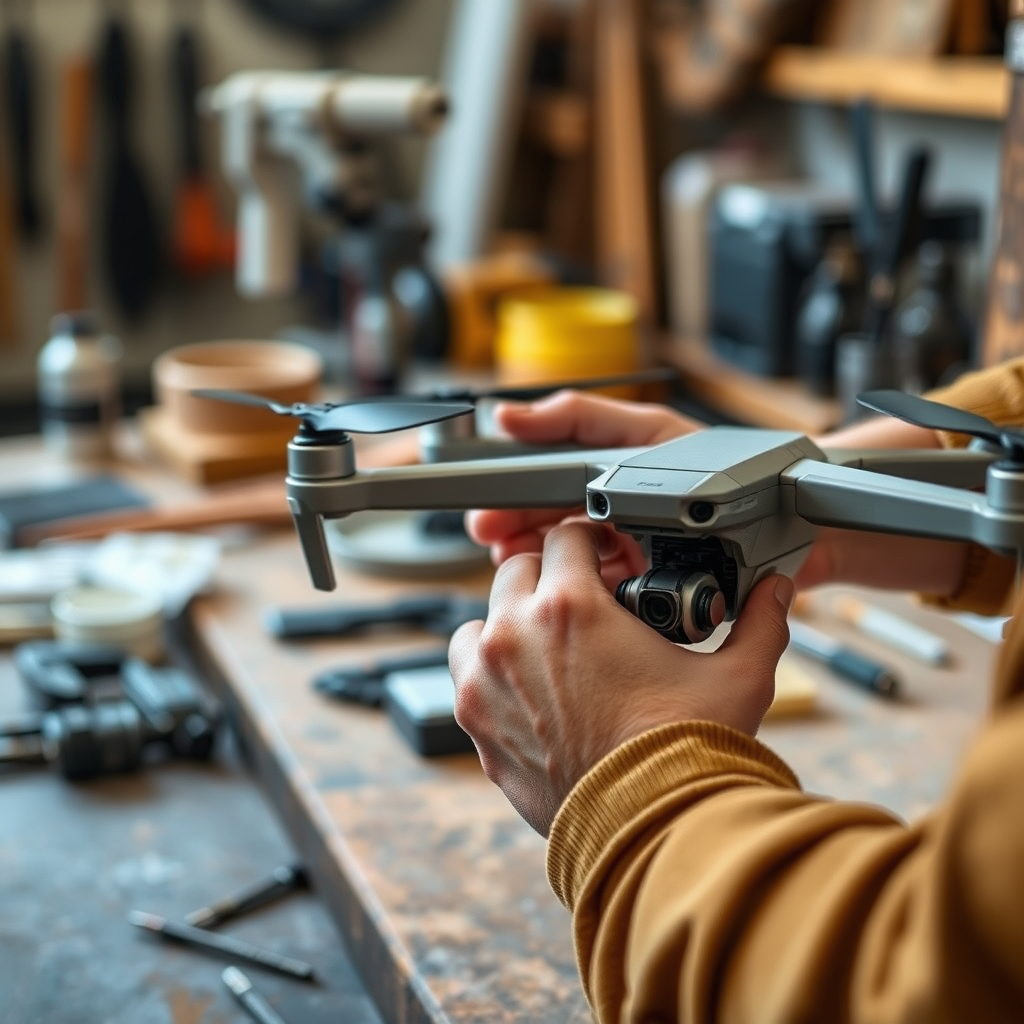
Using drone filters can significantly elevate your aerial photography by enhancing colors, managing light, and providing unique visual effects. These filters not only improve the quality of your images but also allow you to express your artistic vision more effectively. In this article, we will explore the top five drone filters every photographer should consider to enhance their creative shots and achieve stunning results.
Polarizing Filters
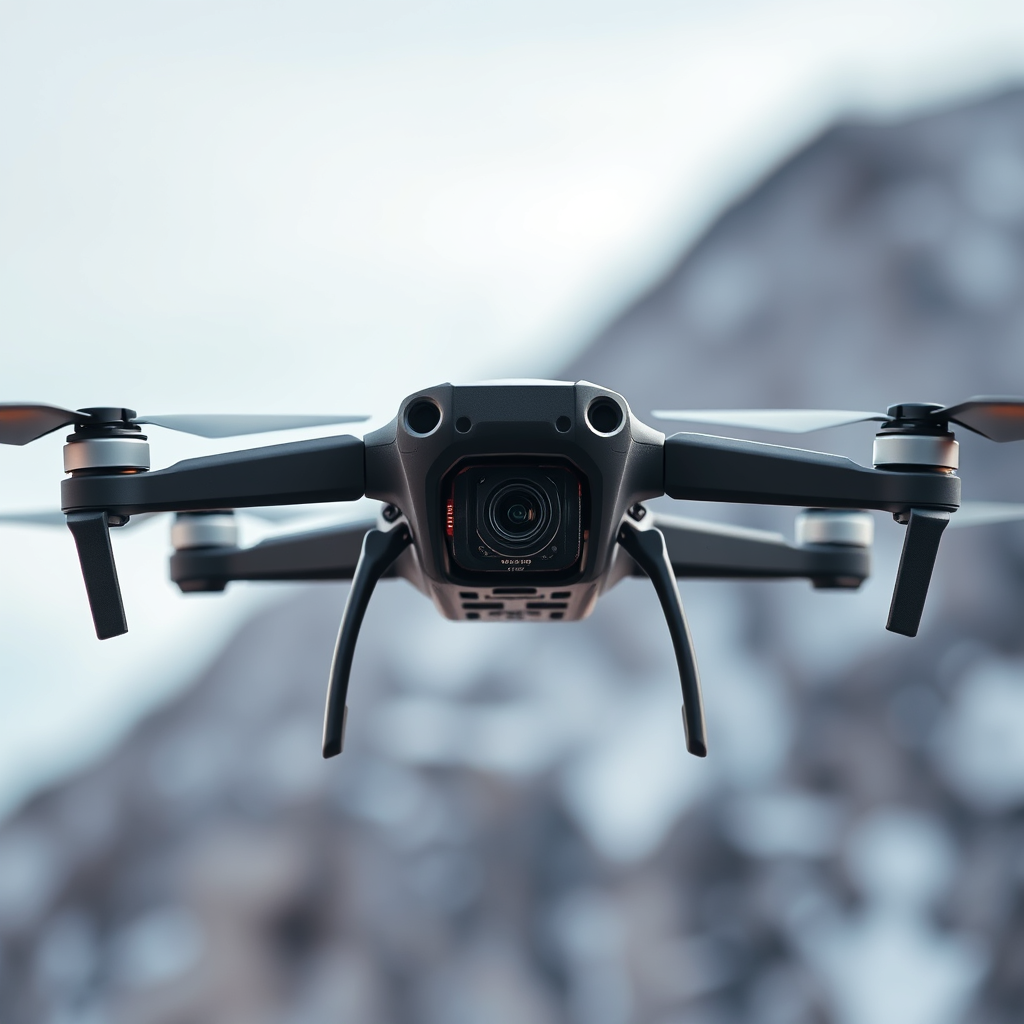
Polarizing filters are essential tools for drone photography, primarily used to reduce glare and reflections, especially when capturing images over water or glass surfaces. By minimizing unwanted reflections, these filters enhance contrast in your images, making the colors pop. For instance, a polarizing filter can transform a dull sky into a vibrant blue while making foliage appear lush and green, resulting in a more visually appealing photograph.
When using polarizing filters, it is essential to understand how they work. These filters can be rotated to adjust the level of polarization, allowing you to fine-tune the effect based on your subject and lighting conditions. This versatility makes them perfect for shooting landscapes, where managing reflections and enhancing colors can dramatically change the overall feel of the image. Additionally, polarizing filters can improve the clarity of distant objects, making them a valuable asset for aerial photography.
ND (Neutral Density) Filters
Neutral density (ND) filters are crucial for controlling exposure in bright conditions. By reducing the amount of light that enters the camera lens, these filters allow photographers to achieve a desired shutter speed without overexposing the image. This feature is particularly beneficial when shooting in bright sunlight, where achieving the right exposure can be challenging.
One of the standout advantages of ND filters is their ability to enable longer shutter speeds, which can create stunning motion blur effects. For example, when photographing flowing water or moving clouds, using an ND filter allows you to capture the silky smoothness of the water or the ethereal quality of clouds in motion. This effect adds a dynamic element to your aerial shots, making them more engaging and visually striking. Different ND filter strengths are available, allowing you to choose the right one based on your shooting conditions and desired effects.
Graduated ND Filters
Graduated ND filters are specifically designed to balance exposure between bright skies and darker landscapes. This is particularly useful during sunrise or sunset when the sky is often much brighter than the foreground. By using a graduated ND filter, photographers can prevent overexposed skies while retaining detail in the landscape below.
These filters come in various strengths and transition styles, allowing you to choose one that best fits your shooting scenario. For instance, a soft transition filter provides a gradual change from dark to clear, making it ideal for landscapes with gentle gradients, while a hard transition filter is better suited for more defined horizons. By incorporating graduated ND filters into your drone photography toolkit, you can achieve even lighting across your images, enhance the visual impact of your compositions, and create breathtaking landscape photographs.
UV Filters
While UV filters were traditionally used to block ultraviolet light and reduce haze, their primary function in the modern era has shifted toward lens protection. These filters safeguard your drone’s camera lens from scratches, dust, and other potential damage without significantly affecting image quality.
In addition to protection, UV filters can help minimize haze in distant landscapes, resulting in sharper images. This is particularly advantageous when shooting at higher altitudes or during atmospheric conditions that tend to create a hazy effect. Using a UV filter allows photographers to maintain the clarity and detail in their aerial shots, contributing to the overall quality of their images. Moreover, given that UV filters are typically more affordable than other types of filters, they are an excellent investment for any drone photographer looking to protect their equipment.
Lens Filters for Special Effects
Beyond the standard filters, creative photographers can enhance their aerial shots with various special effect filters. For example, star filters can add a beautiful starburst effect to light sources, creating a magical quality in nighttime photography. Meanwhile, color filters can change the mood of your images, allowing you to create warm or cool tones that resonate with your artistic vision.
Experimenting with these special effect filters opens up a world of possibilities for drone photography. Consider trying a color filter during sunset to create dramatic, warm hues or a star filter to enhance the lights of a cityscape at night. The key to using special effect filters effectively is to remain open to experimentation; by exploring different combinations and styles, you can discover unique ways to express your artistic voice and create captivating images.
Incorporating these filters into your drone photography can significantly enhance your creative shots. By understanding the unique benefits of each filter type, you can effectively tackle various lighting scenarios and artistic expressions, ultimately improving the overall quality of your images.
Utilizing the top five filters discussed in this article will undoubtedly elevate your drone photography, allowing you to capture stunning creative shots that stand out. Whether you are aiming to enhance colors, manage light, or explore special effects, each filter serves a unique purpose that can help you achieve your artistic goals. Start experimenting with these filters to take your aerial photography to new heights, and watch as your images transform into breathtaking visual narratives.
Frequently Asked Questions
What are the benefits of using drone filters for creative shots?
Using drone filters can significantly enhance your aerial photography and videography by improving color saturation, reducing glare, and controlling exposure. For example, polarizing filters can help eliminate reflections on water surfaces, while ND (Neutral Density) filters allow for longer exposure times, creating smoother motion in videos. These filters enable drone pilots to capture more visually stunning images, making them an essential tool for creative shots.
How do I choose the right drone filter for my needs?
Choosing the right drone filter involves considering factors such as the type of shooting you plan to do, the lighting conditions, and the specific drone model you own. If you’re shooting in bright sunlight, ND filters are ideal for reducing light intake and preventing overexposure. Alternatively, if you want to enhance colors and contrast, a polarizing filter might be more suitable. Always ensure that the filter is compatible with your drone’s camera specifications.
Why should I invest in high-quality drone filters instead of cheaper options?
Investing in high-quality drone filters is crucial because they provide superior optical clarity and durability, resulting in better image quality. Cheaper filters may introduce lens distortion or color casts, compromising the final output. High-quality filters are often made from premium optical glass and feature advanced coatings that minimize flare and maintain true color reproduction, making them worth the investment for serious aerial photographers.
What are the top 5 drone filters for creative shots?
The top 5 drone filters for creative shots include: 1) PolarPro Polarizer, which enhances colors and reduces reflections; 2) Freewell ND Filters, known for their excellent light reduction; 3) Tiffen ND Filters, which provide high-quality optical clarity; 4) DJI ND Filters, specifically designed for DJI drones; and 5) Moment Lens Filter, ideal for creative perspectives. Each of these filters caters to different filming conditions and creative needs, making them favorites among drone enthusiasts.
Which types of shots are best suited for using drone filters?
Drone filters are particularly effective for capturing landscape shots, seascapes, and action scenes where lighting conditions can vary significantly. For instance, using ND filters during bright daylight allows for longer exposure times, which is perfect for creating dreamy, blurred water effects. Polarizing filters work wonders in landscapes to enhance the blue of the sky and the greens of foliage, resulting in more vibrant and dynamic images. Ultimately, the best use of filters depends on the specific visual effect you wish to achieve.
References
- Aerial photography
- https://www.theguardian.com/technology/2021/jul/12/drones-photography-tips
- https://www.sciencedirect.com/science/article/pii/S2352864817303842
- https://www.nytimes.com/2020/07/01/technology/drones-photography.html
- https://www.nasa.gov/centers/langley/news/factsheets/2016.html
