
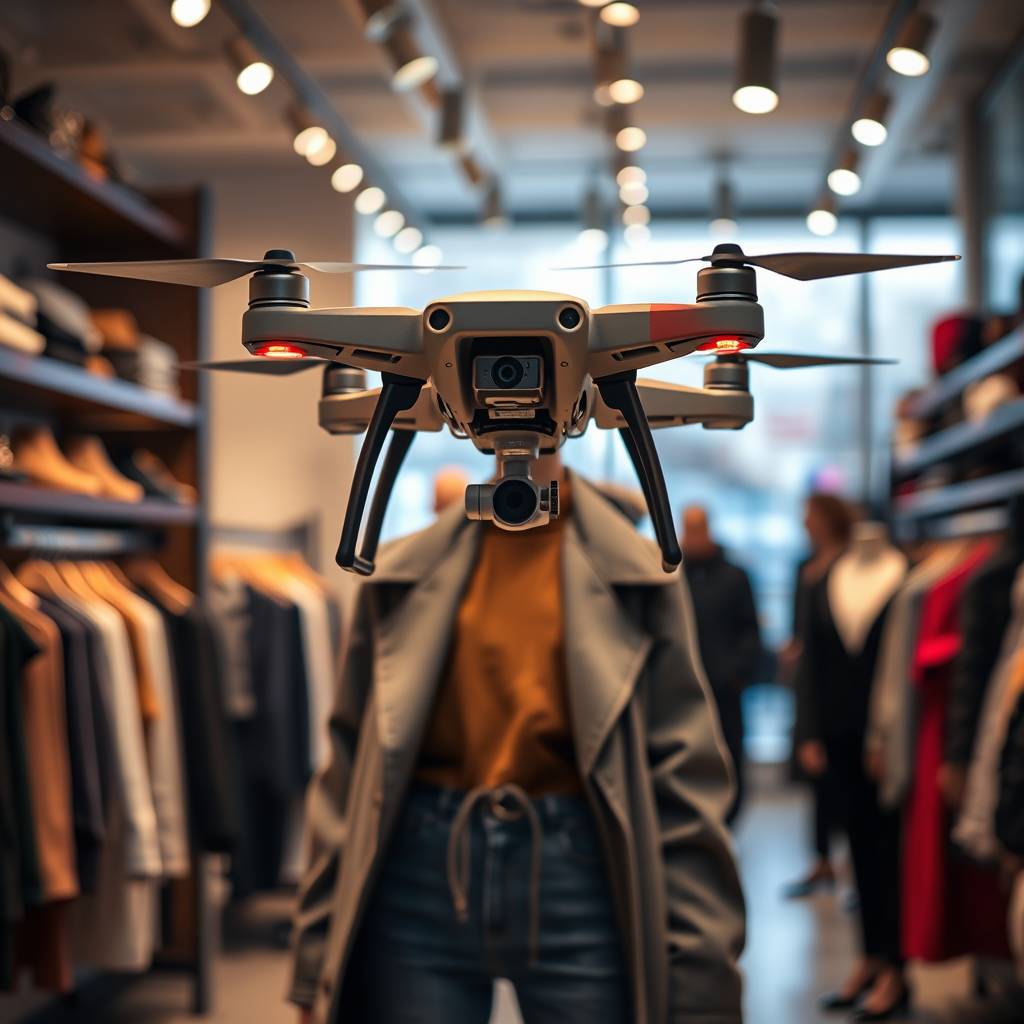
The top drone processors set to power 2025 models include advanced chips that enhance flight performance, improve AI capabilities, and extend battery life. As the drone industry continues to evolve, these processors are crucial for enabling smarter, more efficient, and capable aerial vehicles. In this article, we will explore the leading processors shaping the future of drones, highlighting their unique features and benefits.
Leading Processors for Enhanced Performance
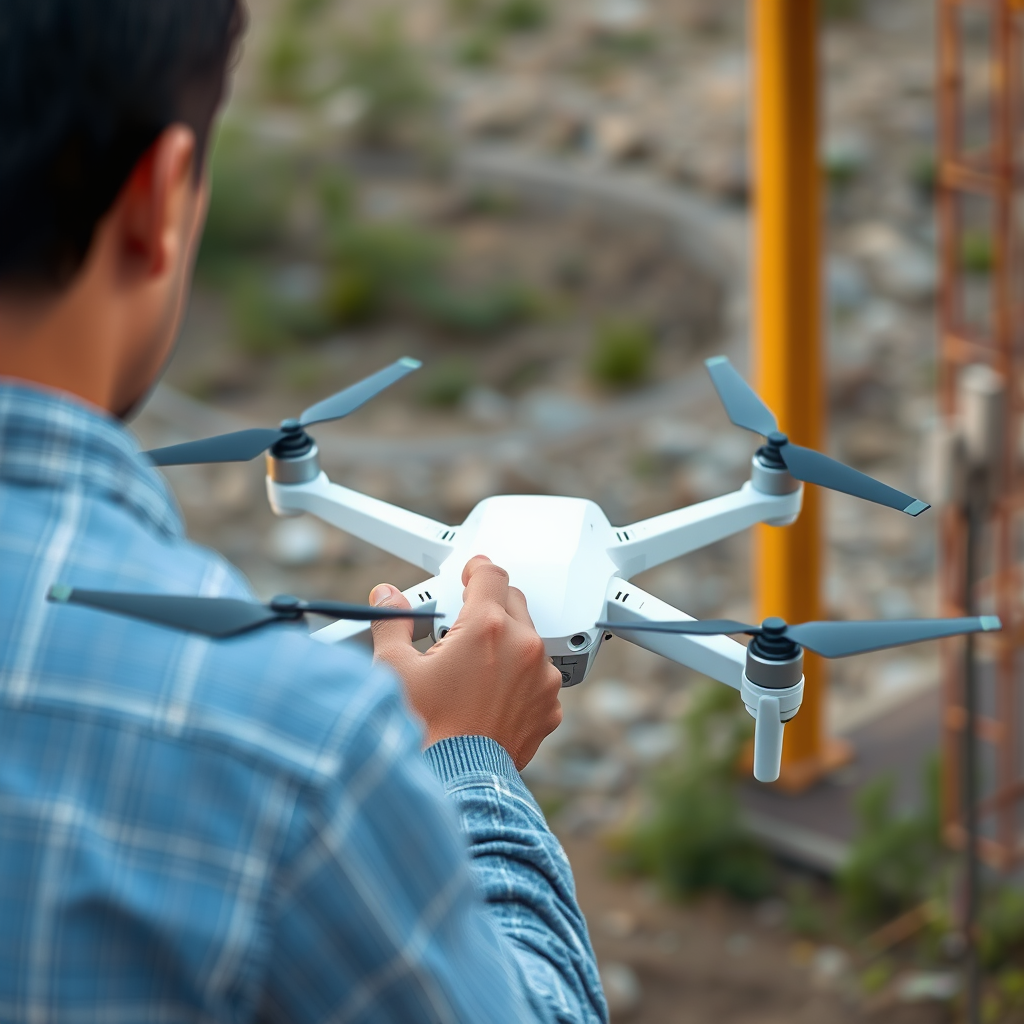
High-performance chips such as the NVIDIA Jetson and Intel Movidius are at the forefront of drone technology, providing the processing power necessary for sophisticated flight operations. The NVIDIA Jetson platform offers GPU acceleration, allowing for real-time processing of vast amounts of data from various sensors. This capability supports advanced navigation systems that can adapt to changing environments and obstacles. Intel Movidius, on the other hand, specializes in providing low-power solutions that still deliver exceptional performance, making it ideal for drones that require efficiency without sacrificing capabilities.
These processors enable drones to execute complex tasks, such as mapping, surveying, and surveillance, with a level of precision that was previously unattainable. With improved computing power, drones can perform simultaneous localization and mapping (SLAM) in real-time, allowing for better route planning and obstacle detection during flights. This not only enhances safety but also maximizes the operational potential of the drones.
AI Integration in Drone Technology
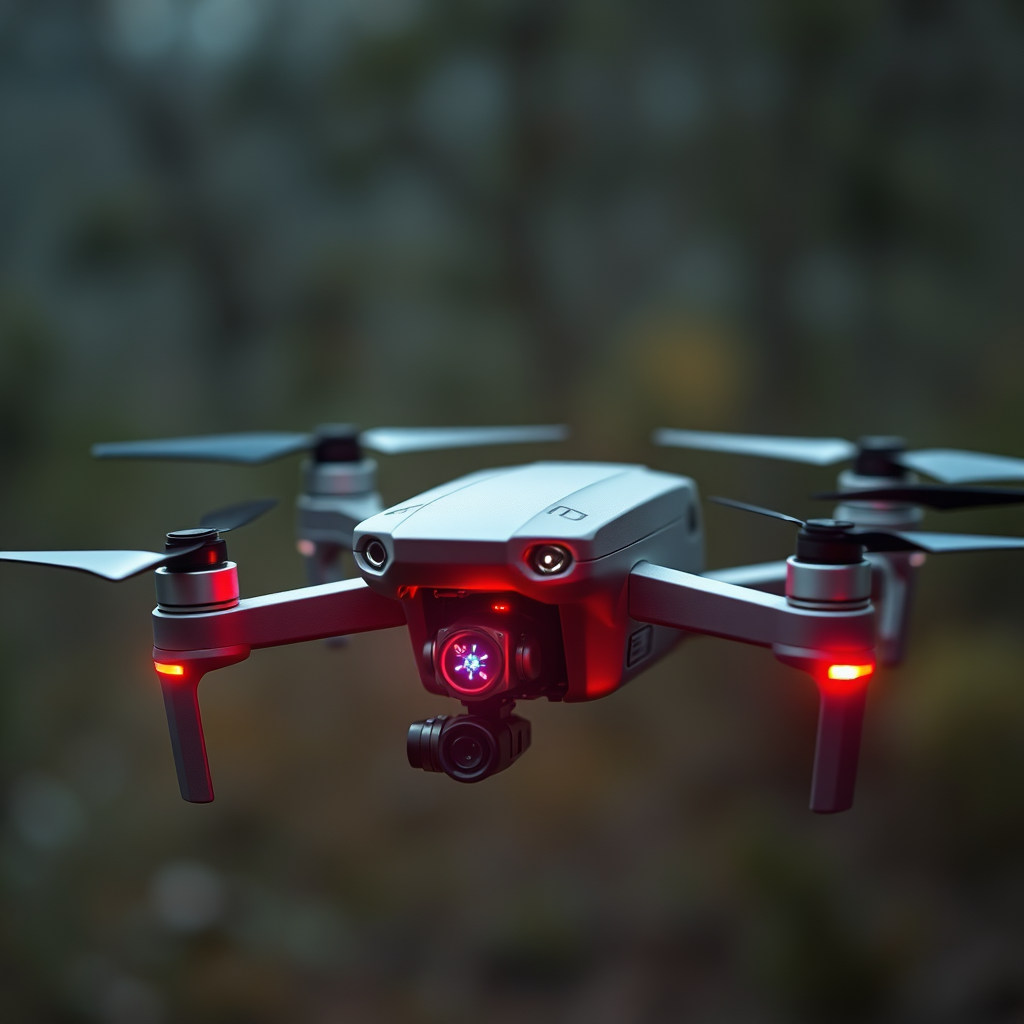
Artificial Intelligence (AI) is becoming integral to drone technology, optimizing flight paths and enhancing obstacle avoidance systems. Processors like the Qualcomm Snapdragon Flight and Intel’s Myriad X integrate machine learning capabilities that allow drones to learn from their environments and improve their performance over time. For instance, drones equipped with these processors can analyze data from cameras and sensors to identify and avoid obstacles, making them safer and more reliable for various applications, from agriculture to search and rescue operations.
The use of AI also extends to predictive maintenance, where drones can monitor their own health and performance metrics, alerting operators to potential issues before they become critical. This proactive approach not only enhances safety but also reduces downtime and maintenance costs, making AI-integrated drones a smart investment for businesses and organizations.
Battery Efficiency and Management
Battery life is a critical factor in drone performance, and processors designed for lower power consumption are essential for achieving longer flight times. ARM Cortex chips, known for their energy efficiency, are increasingly being utilized in drone design to optimize power management. These processors allow for dynamic power scaling, adjusting energy consumption based on the drone’s operational needs, which significantly extends flight duration.
Additionally, advancements in battery technology, such as lithium-sulfur and solid-state batteries, are being paired with these efficient processors to further enhance drone autonomy. By combining energy-efficient processors with innovative battery solutions, manufacturers are pushing the boundaries of how long drones can remain airborne, thus expanding their utility in fields such as delivery services, infrastructure inspection, and environmental monitoring.
Real-Time Data Processing Capabilities
The ability to process data in real-time is a defining feature of modern drones, enabling them to make informed decisions on the fly. Essential features of processors that facilitate this include high-speed data throughput and low latency, both of which are critical for applications involving real-time video streaming or remote sensing. The NVIDIA Jetson AGX Xavier, for example, boasts advanced computer vision capabilities that allow drones to process high-definition video feeds and other sensor data instantaneously, ensuring optimal performance even in complex environments.
Case studies have shown that drones equipped with these advanced processors can successfully operate in challenging conditions, such as urban landscapes with numerous obstacles or rural areas with varying terrain. Their ability to analyze and interpret data in real-time enhances operational efficiency, reduces the risk of accidents, and allows for more effective mission execution.
Future Trends in Drone Processors
As we look towards 2025, several emerging technologies are poised to influence the development of drone processors. Notably, quantum computing is on the horizon, with the potential to revolutionize processing power in ways we have yet to fully comprehend. While still in its infancy, quantum computing could enable drones to handle complex calculations and data analyses at unprecedented speeds, paving the way for entirely new applications and capabilities.
Moreover, the trend towards miniaturization of processors will likely continue, allowing for lighter drones with more powerful capabilities. This evolution will enable manufacturers to create compact drones that do not compromise on performance, making them suitable for a wider range of applications, from recreational use to commercial endeavors.
Key Players in the Drone Processor Market
The drone processor market is characterized by several key players who are driving innovation and competition. Companies like NVIDIA, Intel, Qualcomm, and ARM hold significant positions in the industry, each contributing unique technologies and advancements. NVIDIA’s focus on GPU acceleration has positioned it as a leader in AI and machine learning integration, while Intel’s diverse range of processors caters to various drone applications, from consumer to industrial.
Market trends indicate a growing emphasis on AI and energy efficiency, with companies investing heavily in research and development to stay ahead of the curve. The competitive landscape is likely to intensify as new entrants emerge and existing companies expand their offerings, driving further advancements in drone technology.
Summary of Features to Look For
When selecting drone processors, key features such as processing speed, energy efficiency, and AI capabilities should be prioritized. High-speed processors enable real-time data processing and enhance flight performance, while energy-efficient options ensure longer battery life, crucial for extended missions. AI capabilities further enhance a drone’s operational intelligence, allowing it to adapt to its environment and improve over time.
Understanding how these features align with specific user needs and applications is essential for making informed decisions. Whether for commercial use, research, or recreational flying, choosing the right processor can significantly impact the overall effectiveness and usability of a drone.
The advancements in drone processors for 2025 are set to revolutionize the industry, offering improved performance, efficiency, and intelligence. By understanding these key technologies and their implications, you can make informed decisions about the best drones for your needs. Stay updated with the latest developments to ensure you’re ready for the future of drone technology.
Frequently Asked Questions
What are the top drone processors expected to power 2025 models?
As we look forward to 2025, some of the top drone processors anticipated include the Intel Movidius Myriad X, NVIDIA Jetson Xavier, and Qualcomm Snapdragon Flight. These processors are designed to enhance processing power, enabling advanced features such as real-time image processing, machine learning capabilities, and improved battery efficiency. Each of these processors supports high-definition video and complex AI algorithms, making them ideal for applications in both commercial and recreational drones.
How do drone processors impact flight performance and capabilities?
Drone processors play a crucial role in determining a drone’s flight performance and capabilities. They handle vital tasks such as stabilizing flight, navigating through complex environments, and processing data from various sensors. A powerful processor can improve a drone’s responsiveness, increase its ability to perform autonomous functions, and enhance the quality of real-time data analytics. This means drones equipped with advanced processors can perform more intricate tasks, making them suitable for industries like agriculture, surveillance, and filming.
Why should I consider the processor when buying a drone?
Considering the processor is essential when buying a drone because it directly influences the drone’s performance, features, and longevity. A high-performance processor enables faster processing speeds, better image quality, and the ability to run sophisticated applications like obstacle avoidance and autonomous navigation. By selecting a drone with a robust processor, you ensure that your investment remains relevant as technology advances, providing a better overall flying experience and more versatile functionality.
What features can I expect from drones powered by advanced processors in 2025?
Drones powered by advanced processors in 2025 are expected to offer a range of innovative features, including enhanced obstacle avoidance systems, improved flight stability, and high-definition video streaming capabilities. Additionally, many of these drones will likely incorporate AI-driven functionalities for tasks such as automated inspections, precision agriculture, and search and rescue operations. These advancements will not only increase operational efficiency but also expand the potential applications for drone technology in various industries.
Which drone brands are leading in developing models with cutting-edge processors for 2025?
Leading drone brands focusing on developing models with cutting-edge processors for 2025 include DJI, Parrot, and Skydio. DJI is known for its innovative designs and powerful processors that support advanced imaging technology. Parrot focuses on lightweight drones with efficient processing for agricultural applications, while Skydio stands out for its autonomous flying capabilities powered by AI. By keeping an eye on these brands, consumers can expect to find drones equipped with the latest processor technology that enhances performance and usability.
References
- https://en.wikipedia.org/wiki/Drone_processor
- https://www.reuters.com/technology/drone-industry-2025-2023-08-15/
- https://www.sciencedirect.com/science/article/pii/S2352864821002074
- https://www.nytimes.com/2023/09/10/technology/drones-2025.html
- https://www.aaas.org/resources/science-and-technology-drones
- https://www.techrepublic.com/article/the-future-of-drones-in-2025-and-beyond/
- https://www.nasa.gov/mission_pages/technology/drones.html
