
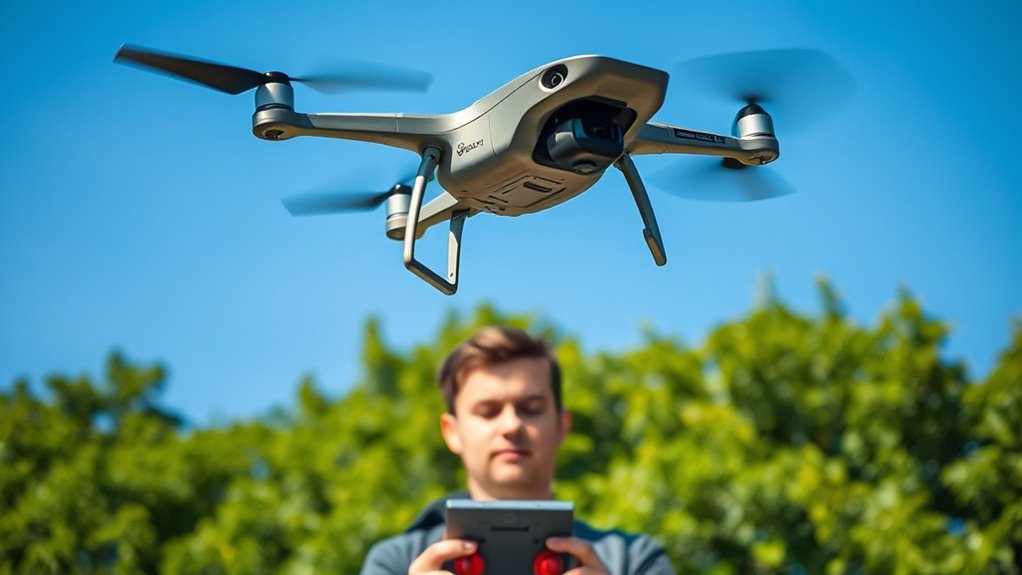
To track a drone effectively, you need to understand its technology and compatibility with tracking devices. Choose a suitable device—options include GPS, Bluetooth, and cellular modules—based on your operational range and environment. Guarantee your drone is set up properly for tracking and employs real-time solutions for accuracy. Be sure to comply with legal regulations regarding airspace and privacy. By following these guidelines, you’ll enhance your drone tracking capabilities and prepare for advanced techniques.
Understanding Drone Tracking Technology
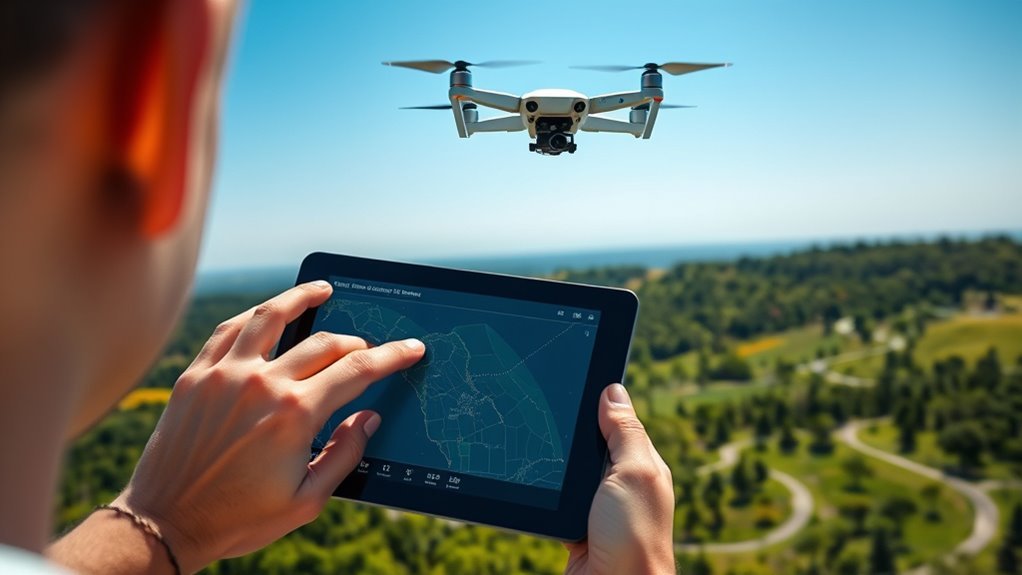
As you explore understanding drone tracking technology, it’s essential to recognize that this field combines various advanced systems and methodologies. At the core of effective tracking lies the drone signal, which transmits vital data for location and navigation. Modern tracking systems utilize GPS, radio frequency, and visual tracking techniques to enhance tracking accuracy. By analyzing these signals, you can determine a drone’s position in real-time, allowing for efficient monitoring and control. The interplay between signal strength and environmental factors can greatly influence the reliability of tracking. Understanding these elements will empower you to make informed decisions, ensuring that you maintain a level of freedom in operating and managing drones while optimizing their tracking capabilities. Additionally, signal attenuation is a critical challenge that can impact the effectiveness of tracking systems under certain conditions. Many drones operate on 2.4 GHz and 5.8 GHz frequency bands, which are essential for maintaining communication and tracking capabilities.
Choosing the Right Tracking Device

When selecting a tracking device for your drone, consider the various types available and their specific functionalities. You’ll also want to guarantee compatibility with your drone model, as mismatched devices can lead to ineffective tracking. Finally, battery life is essential; a device with insufficient power may fail when you need it most.
Types of Tracking Devices
Choosing the right tracking device for your drone involves understanding various types available on the market. Bluetooth trackers offer short-range connectivity, ideal for nearby recovery but limited in distance. RFID tags are excellent for quick identification, yet they require close proximity for activation. Wi-Fi locators use existing networks to provide real-time tracking, making them suitable for urban environments with dense coverage. Cellular modules, on the other hand, utilize mobile networks for extensive range capabilities, allowing you to track your drone even in remote areas. Each device has unique strengths and weaknesses, so consider your operational needs and the environment in which you’ll be flying. This knowledge will empower you to make an informed choice that suits your pursuit of freedom.
Compatibility With Drones
Understanding the compatibility of tracking devices with your drone is essential for effective operation and recovery. Not all tracking devices work seamlessly with every drone model, so you’ll need to verify drone compatibility before making a selection. Check the specifications of both the tracking device and your drone to identify compatible frequencies and communication protocols. Look for tracking features such as real-time location updates, geofencing, and signal strength indicators, which can greatly enhance your tracking experience. Additionally, consider the weight and size of the tracking device, as these factors can impact your drone’s performance. By carefully evaluating these aspects, you’ll equip yourself with the right tools to maintain operational freedom and guarantee efficient recovery in case of unforeseen circumstances.
Battery Life Considerations
While you might prioritize features like range and accuracy in a tracking device, battery life plays an essential role in ensuring consistent performance during drone operations. A device with sufficient battery capacity will allow for longer tracking durations, minimizing the risk of losing your drone. Effective power management is vital; it helps extend battery life and reduces the need for frequent recharging.
Here’s a quick comparison to help you choose:
| Feature | Importance |
|---|---|
| Battery Capacity | High |
| Power Management | Essential |
| Range of Device | Important |
| Weight of Device | Moderate |
| Recharge Time | Low |
Setting Up Your Drone for Tracking
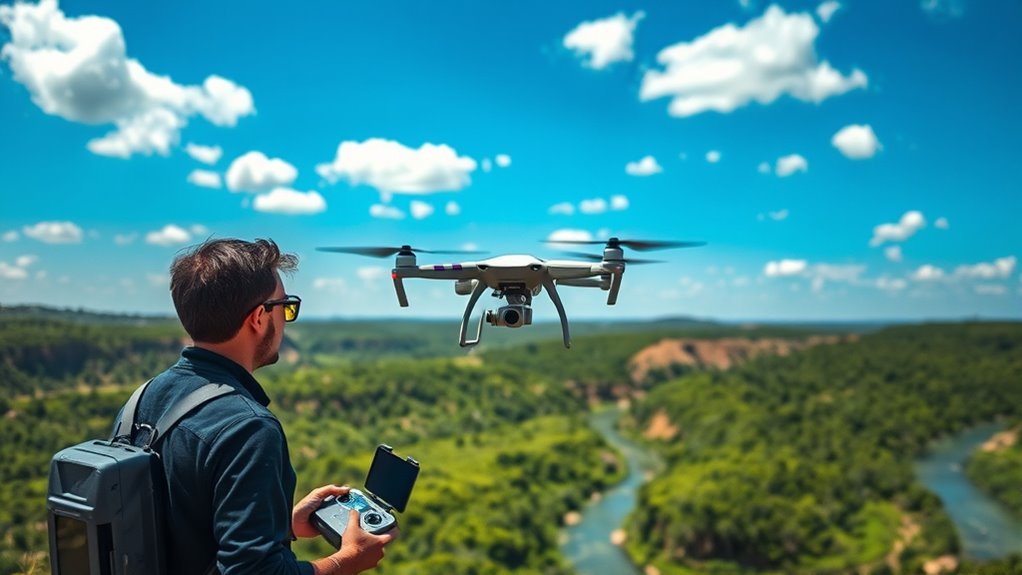
Setting up your drone for tracking requires careful attention to several key configurations to secure peak performance. Start by confirming proper drone calibration to maintain accuracy during tracking. Next, select the appropriate flight mode; this can greatly affect your drone’s responsiveness and stability while maneuvering.
Consider these essential steps:
- Calibrate your compass to avoid drift and improve positioning. Proper battery capacity is crucial for ensuring that your drone can maintain power throughout the tracking process.
- Set the tracking parameters based on the environment and target speed.
- Test the GPS signal to confirm reliable connectivity throughout your flight. Additionally, ensure your drone’s aerodynamic design is optimized, as it can significantly enhance flight speed and stability during tracking.
Real-Time Tracking Solutions
When it comes to real-time tracking solutions, GPS tracking technology is essential for ensuring accurate location data. You’ll find that integrating mobile apps can enhance your tracking experience, providing real-time updates and notifications. Understanding how these systems work together will optimize your drone’s operational efficiency. Additionally, utilizing real-time coordination algorithms can further improve the interaction and efficiency of your drone operations. It is also crucial to consider line of sight requirements when planning your drone’s flight path to ensure compliance with safety regulations.
GPS Tracking Technology
In today’s rapidly evolving technological landscape, many enthusiasts and professionals rely on GPS tracking technology to enhance their drone operations. This technology offers several advantages, but it’s vital to understand its limitations and the factors affecting GPS accuracy.
Consider these key points:
- Satellite Connectivity: Strong signals improve tracking accuracy, while obstructions can hinder performance.
- Environmental Factors: Weather conditions and physical barriers can impact GPS reliability.
- Device Limitations: The drone’s GPS hardware may constrain tracking capabilities.
Being aware of these elements helps you optimize your drone’s performance. While GPS tracking technology is powerful, understanding its limitations guarantees you can navigate challenges effectively, allowing for a more liberated drone operation experience.
Mobile App Integration
Integrating mobile apps with your drone can greatly enhance real-time tracking capabilities, complementing the GPS technology discussed earlier. A well-designed mobile interface allows you to monitor your drone’s position effortlessly and access essential app functionality features. Here’s how different elements contribute to your tracking experience:
| Feature | Description |
|---|---|
| Live Map Display | Real-time location updates on a map |
| Notifications | Alerts for low battery or signal loss |
| Custom Waypoints | Set specific points for your drone |
| Flight History | Review past flights and data |
| User-Friendly Design | Intuitive controls for easy navigation |
Legal Considerations for Drone Tracking
While drone tracking offers numerous benefits, it also raises significant legal considerations that users must navigate. Understanding these aspects is vital to guarantee you’re operating within the law. Key points to take into account include:
- Privacy Laws: Respect individuals’ privacy rights; unauthorized tracking can lead to legal ramifications. Additionally, legal protections against drone incursions are evolving and complex.
- Airspace Regulations: Familiarize yourself with the airspace rules where you’ll operate, as violations can result in penalties. Keep in mind that ownership of airspace is limited to immediate reaches above property.
- Drone Registration: Confirm your drone is registered with relevant authorities to avoid compliance issues.
Additionally, be aware of liability issues that may arise if your drone causes damage. Following compliance guidelines is essential to protect yourself legally while enjoying the freedom drone tracking affords. Moreover, a clear grasp of drone regulations is essential for ensuring you operate within legal boundaries.
Tips for Maintaining Drone Visibility
To guarantee your drone remains visible during operations, it’s crucial to adhere to specific guidelines that enhance both safety and compliance. Implementing effective visibility strategies not only complies with drone regulations but also guarantees you’re maintaining situational awareness. Below is a table that summarizes key visibility practices:
| Visibility Strategy | Description |
|---|---|
| Use High-Visibility Markings | Paint your drone in bright colors for better visibility. |
| Fly During Daylight | Operate your drone in well-lit conditions to enhance sight. |
| Use Lights | Equip your drone with LED lights for night operations. |
| Maintain Line of Sight | Always keep your drone within your visual range. |
Additionally, consider the use of real-time communication systems to ensure that your drone’s position is constantly updated, enhancing both visibility and safety during operations. Using drones like the DJI Air 3 can also improve your overall flying experience with its advanced obstacle avoidance features.
Frequently Asked Questions
Can I Track My Drone if It’s Out of Battery?
You can’t track your drone if it’s out of battery; it’s like trying to find a needle in a haystack. Without battery life, the drone location becomes inaccessible, rendering tracking tools ineffective.
What Should I Do if My Tracking Device Is Lost?
If your tracking device’s lost, consider preventative measures like securing it with a tether. For recovery options, utilize GPS coordinates or nearby devices to assist in locating it. Staying proactive enhances your chances of retrieval.
Are There Apps for Tracking Drones on Smartphones?
While freedom’s exhilarating, losing a drone can be frustrating. Fortunately, several smartphone apps offer efficient drone tracking, providing real-time data and enhancing your flying experience. Explore options like DJI GO and AirMap for ideal tracking capabilities.
How Accurate Is GPS Tracking for Drones?
GPS accuracy for drones typically ranges from 1 to 3 meters under ideal conditions. Advanced tracking technologies, like differential GPS, can enhance precision, ensuring you maintain better control and freedom during your aerial operations.
Can I Track Multiple Drones Simultaneously?
Oh sure, why not track a whole fleet of drones like you’re in a sci-fi movie? With advanced drone tracking, you can monitor multiple devices simultaneously, ensuring your aerial empire stays organized and under control.
