

Drones are revolutionizing the agricultural landscape by providing innovative solutions that significantly enhance farming efficiency. By leveraging aerial technology, farmers can monitor crops, apply inputs with precision, and manage resources more effectively, all of which lead to improved decision-making and increased productivity across their operations.
Crop Monitoring and Assessment
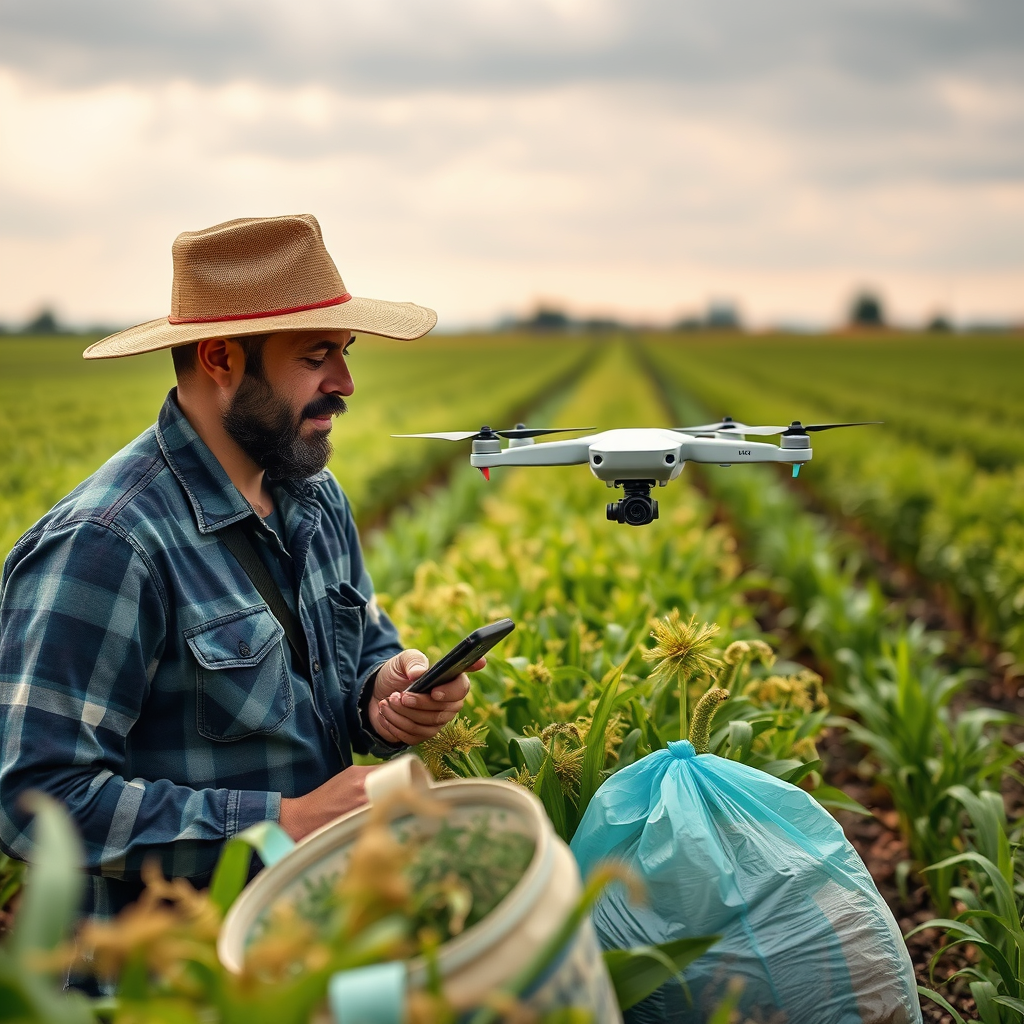
Drones equipped with high-definition cameras and multispectral sensors play a pivotal role in crop monitoring and assessment. These drones capture high-resolution images that provide vital insights into crop health. For instance, they can identify variations in plant health by detecting changes in color and vigor that are not visible to the naked eye. This capability allows farmers to assess the health of their crops swiftly and accurately, enabling them to make timely interventions.
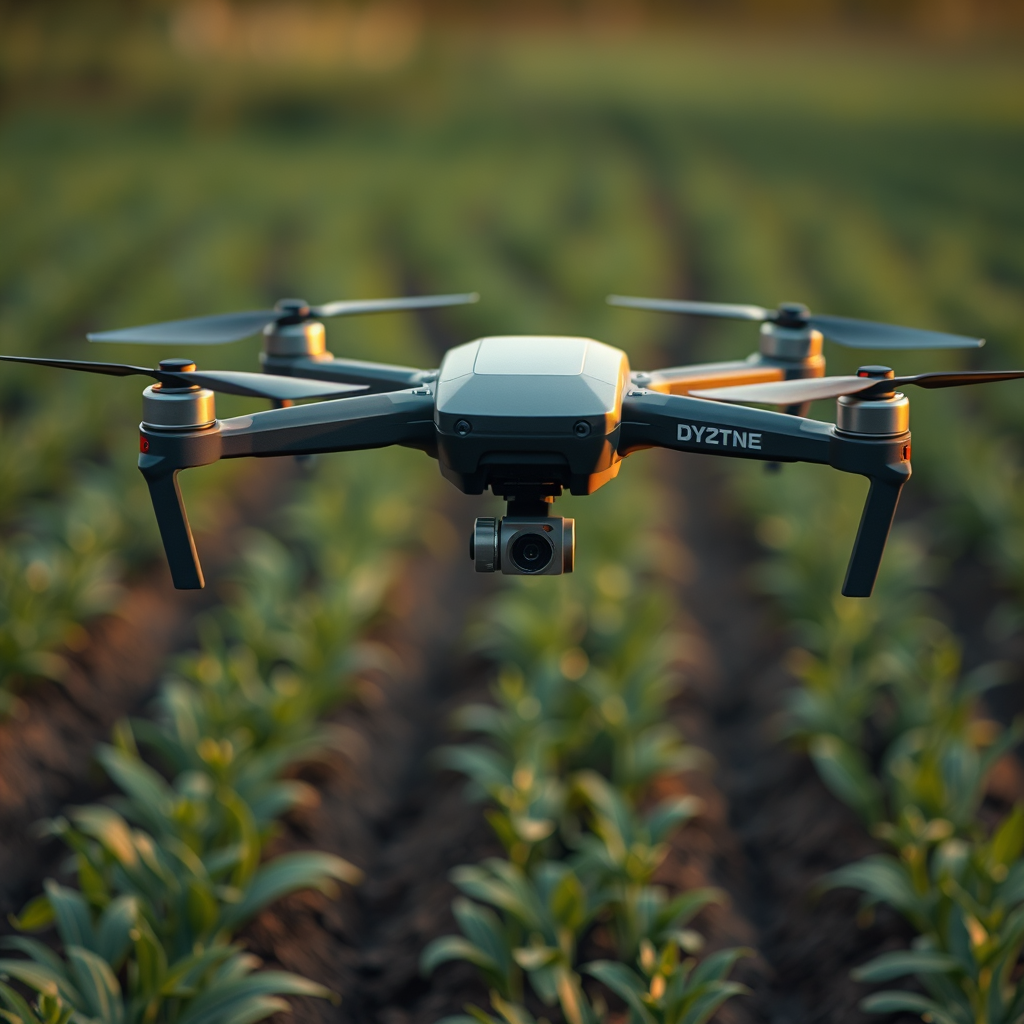
Regular aerial surveys conducted by drones can help in the early detection of pest infestations and diseases. By monitoring crop health over time, farmers can identify patterns and areas of concern, allowing them to address potential issues before they escalate into significant problems. For example, a farmer using drone technology may detect a fungal infection early, leading to targeted treatment that minimizes crop loss and reduces the need for broad-spectrum pesticides.
Precision Agriculture
The concept of precision agriculture is largely facilitated by drone technology, which provides farmers with the ability to implement strategic planting and resource application. Drones can map out optimal planting patterns by analyzing soil conditions and topography, ensuring that crops are placed in locations that maximize growth potential and yield.
Moreover, drones enable targeted application of pesticides and fertilizers, significantly reducing waste and minimizing environmental impact. For instance, a farmer can use drone data to identify specific areas that require treatment, rather than applying chemicals uniformly across the entire field. This not only conserves resources but also aligns with sustainable farming practices, helping to protect beneficial insects and reduce chemical runoff into nearby ecosystems.
Irrigation Management
Effective irrigation management is critical to maintaining crop health, particularly in regions prone to drought. Drones equipped with thermal imaging capabilities can assess soil moisture levels, providing farmers with real-time data that optimizes irrigation schedules. This information can help determine when to irrigate and how much water is needed, ensuring that crops receive adequate hydration without wasting water resources.
Additionally, aerial imagery from drones can identify areas within a field that require extra water, allowing for more efficient irrigation practices. By focusing efforts on precise locations rather than uniformly applying water, farmers can enhance their drought resilience and conserve valuable water resources, which is increasingly crucial in light of climate change and water scarcity.
Livestock Monitoring
Drones are not only beneficial for crop management; they also offer substantial advantages in livestock monitoring. Farmers can deploy drones to track livestock movements and assess animal health from a bird’s-eye view. This technology allows for more efficient monitoring of large pastures, where traditional methods may be time-consuming and labor-intensive.
For instance, drones can be used to locate missing animals quickly, reducing the time and effort spent searching vast fields. Furthermore, by monitoring livestock behavior and health remotely, farmers can make informed decisions regarding animal care, feeding, and overall herd management, ultimately leading to healthier livestock and more productive farming operations.
Yield Prediction
Accurate yield prediction is essential for effective farm management and planning. Drones collect extensive data regarding crop growth and health, which can be analyzed to forecast yields more reliably. Utilizing this data, farmers can assess the potential output of their crops and make informed decisions regarding harvest timing and market strategies.
For example, by accurately predicting yield, a farmer can better plan for storage and distribution, ensuring they maximize their profits and minimize waste. This capability not only enhances operational efficiency but also allows farmers to respond proactively to market demands, thereby optimizing their financial outcomes.
Data Collection and Analysis
The integration of drones in agriculture leads to the collection of vast amounts of data that can be processed for valuable insights into farm management. Drones can gather information on crop health, soil conditions, and environmental factors, all of which are critical for informed decision-making.
This data, when integrated with advanced software systems, allows for comprehensive analytics and reporting. Farmers can visualize data trends and make data-driven decisions that enhance their operations. For instance, a farmer can analyze historical data alongside current drone insights to identify long-term trends, enabling them to adapt their practices for greater sustainability and profitability.
Environmental Impact Assessment
Drones also play a crucial role in assessing the environmental impact of agricultural practices over time. By providing detailed aerial imagery and data, drones help monitor changes in land use, biodiversity, and ecosystem health within farming areas. This information is invaluable for farmers seeking to implement sustainable practices and minimize their ecological footprint.
For example, drones can help evaluate the effects of crop rotation, cover cropping, and other sustainable practices on soil health and local wildlife. By understanding these impacts, farmers can make more informed decisions that promote biodiversity and contribute positively to the surrounding environment.
In conclusion, the integration of drones in agriculture offers numerous advantages, from improving crop management to enhancing sustainability practices. By embracing this technology, farmers can expect increased efficiency and productivity, ultimately leading to more successful farming operations. As the agricultural sector continues to evolve, the strategic use of drones will undoubtedly play a central role in shaping the future of farming.
Frequently Asked Questions
What are the primary uses of drones in agriculture?
Drones are increasingly utilized in agriculture for a variety of tasks, including crop monitoring, soil analysis, and precision irrigation. They can capture high-resolution aerial imagery, enabling farmers to assess plant health, identify pest infestations, and manage resources more efficiently. Additionally, drones are employed for crop spraying, ensuring even distribution of fertilizers and pesticides, which ultimately enhances yield.
How can drones improve crop monitoring and management?
Drones enhance crop monitoring by providing detailed aerial images and data that allow farmers to monitor plant health over large areas quickly. They utilize multispectral cameras to capture data on plant vigor, moisture levels, and nutrient deficiencies, helping farmers make informed decisions about irrigation and fertilization. This data-driven approach leads to more effective management practices and can significantly increase crop yields.
Why should farmers consider using drones for their operations?
Farmers should consider using drones because they significantly save time and resources while providing critical insights into crop health and field conditions. Drones can cover large areas in a fraction of the time it would take to do so on foot or with traditional vehicles, allowing for timely interventions. Furthermore, the precision agriculture techniques enabled by drones can lead to cost savings through optimized input usage and enhanced decision-making.
What are the best drone models for agricultural use?
The best drone models for agricultural use typically include the DJI Agras series for crop spraying, the senseFly eBee X for mapping and surveying, and the Parrot Bluegrass for crop monitoring. These drones are designed with features such as high-resolution cameras, long flight times, and robust data analytics capabilities tailored to agricultural needs. When selecting a drone, it’s essential to consider factors like payload capacity, camera quality, and compatibility with agricultural software.
Which regulations should farmers be aware of when using drones in agriculture?
Farmers must comply with regulations set by aviation authorities, such as the Federal Aviation Administration (FAA) in the United States, which includes registering the drone and obtaining a Remote Pilot Certificate for commercial use. Additionally, it’s crucial to follow local laws regarding airspace restrictions and privacy concerns. Understanding these regulations ensures safe and legal drone operations, allowing farmers to maximize the benefits of drone technology in their agricultural practices.
References
- https://en.wikipedia.org/wiki/Drone_usage_in_agriculture
- https://www.usda.gov/topics/farming/drone-technology-agriculture
- https://www.researchgate.net/publication/342498045_Applications_of_Drones_in_Agriculture
- https://www.frontiersin.org/articles/10.3389/fagro.2020.00004/full
- https://www.nrcs.usda.gov/wps/portal/nrcs/main/national/technical/engineering/drones/
- https://www.sciencedirect.com/science/article/pii/S2351978920300368
- https://www.abc.net.au/news/rural/2021-07-06/drones-agriculture-technology-benefits-potential/100263482
- https://www.nationalgeographic.com/environment/article/drones-in-agriculture
- https://www.ars.usda.gov/oc/br/2016/december/technology-innovations-in-agriculture/
