
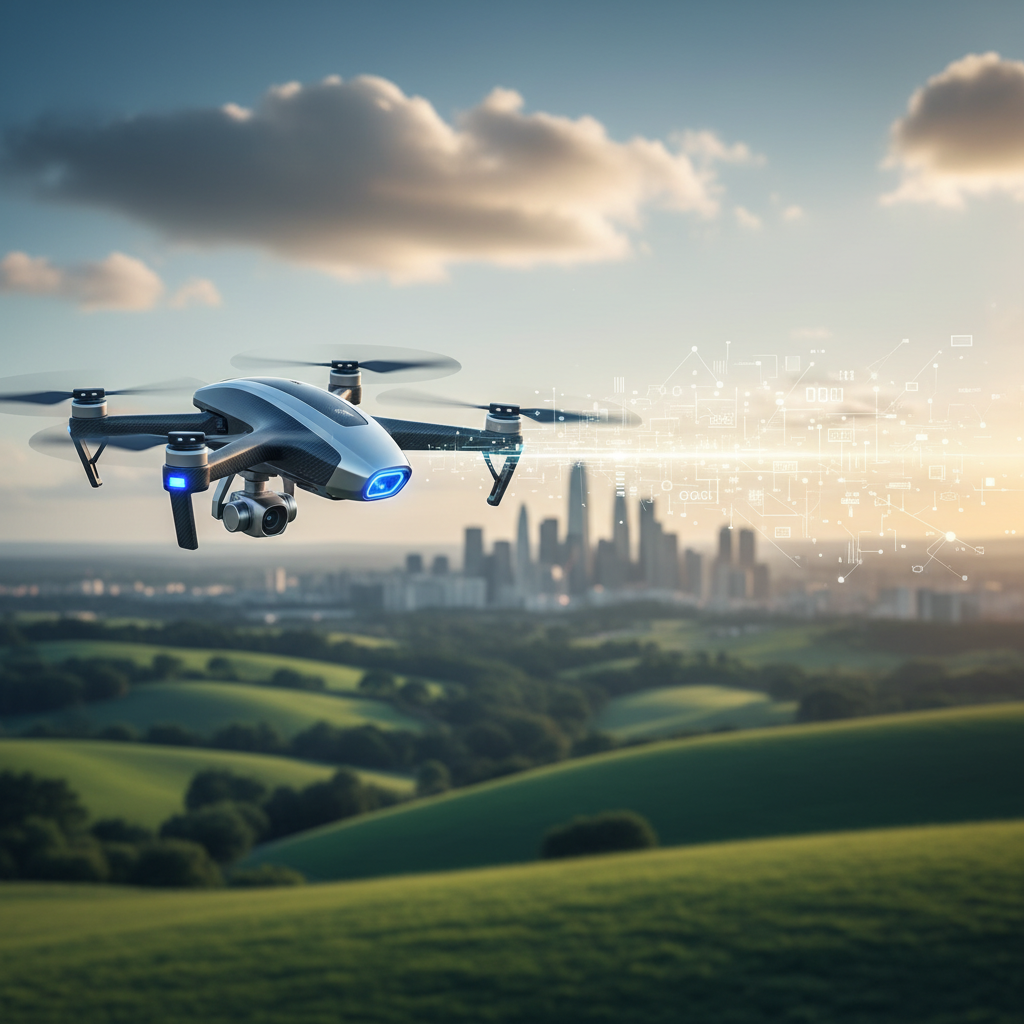
Drones, or unmanned aerial vehicles (UAVs), are aircraft that operate without a human pilot on board, enabling a wide range of applications across various sectors. From recreational use to essential services in agriculture and military, drones have evolved into indispensable tools. This article examines the diverse types of drones, their multifaceted applications, key technological components, and the regulations shaping their use.
Types of Drones
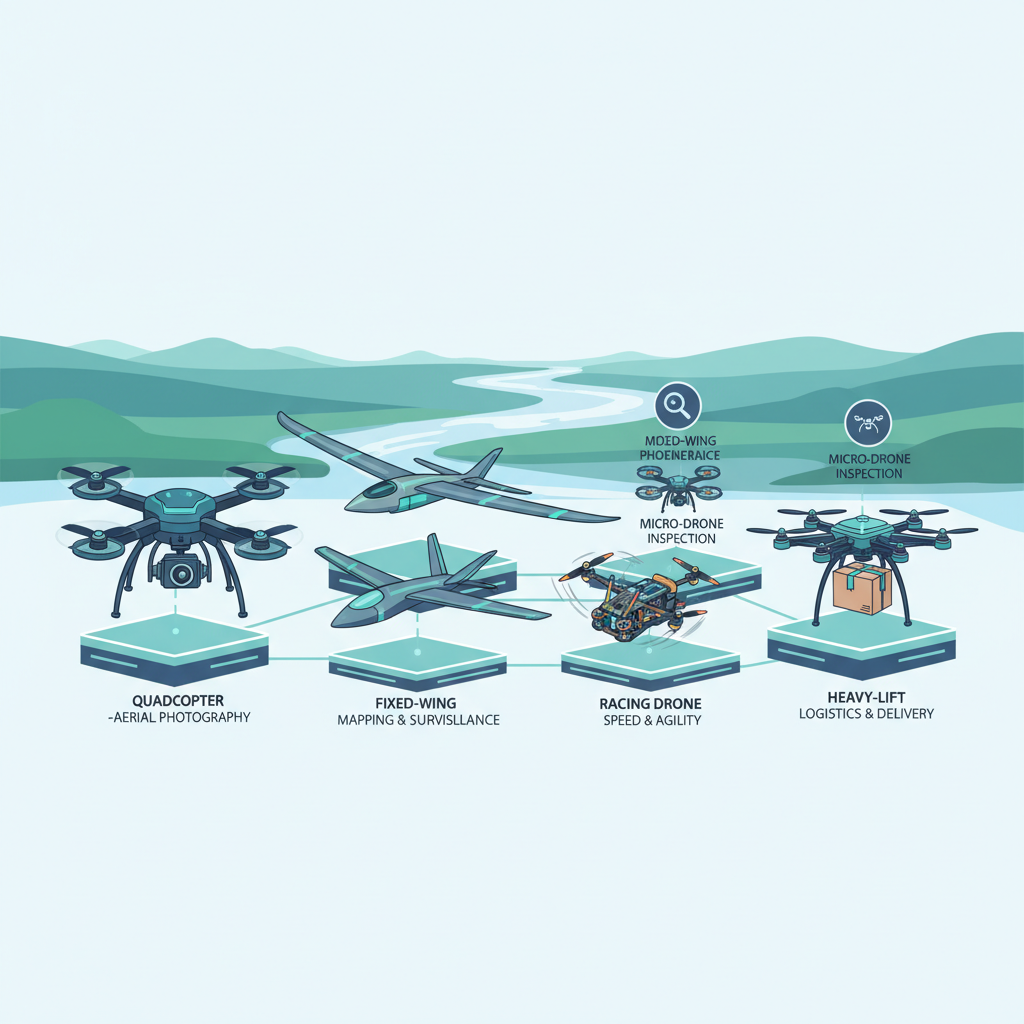
– Consumer Drones: These drones are primarily designed for recreational purposes and are popular among hobbyists and photography enthusiasts. Typically equipped with cameras, consumer drones allow users to capture aerial images and videos, making them ideal for personal use, social media content, and even basic real estate photography. Models like the DJI Mini series have democratized aerial photography, offering high-quality imaging in a compact design.
– Commercial Drones: These drones serve various industries, including agriculture, real estate, and logistics. For instance, in agriculture, drones equipped with multispectral cameras can monitor crop health and optimize irrigation, thereby increasing yield while reducing resource waste. Companies like Zipline utilize drones for medical supply delivery in remote areas, showcasing their potential in enhancing operational efficiency and access to essential goods.
– Military Drones: Used by armed forces globally, military drones are deployed for surveillance, reconnaissance, and combat operations. Notable examples include the MQ-9 Reaper and the RQ-4 Global Hawk, which provide real-time intelligence and can conduct missions in areas that may be too dangerous for manned aircraft. The strategic advantages offered by UAVs in military contexts have led to a significant investment in drone technology by defense organizations.
Key Components of Drones
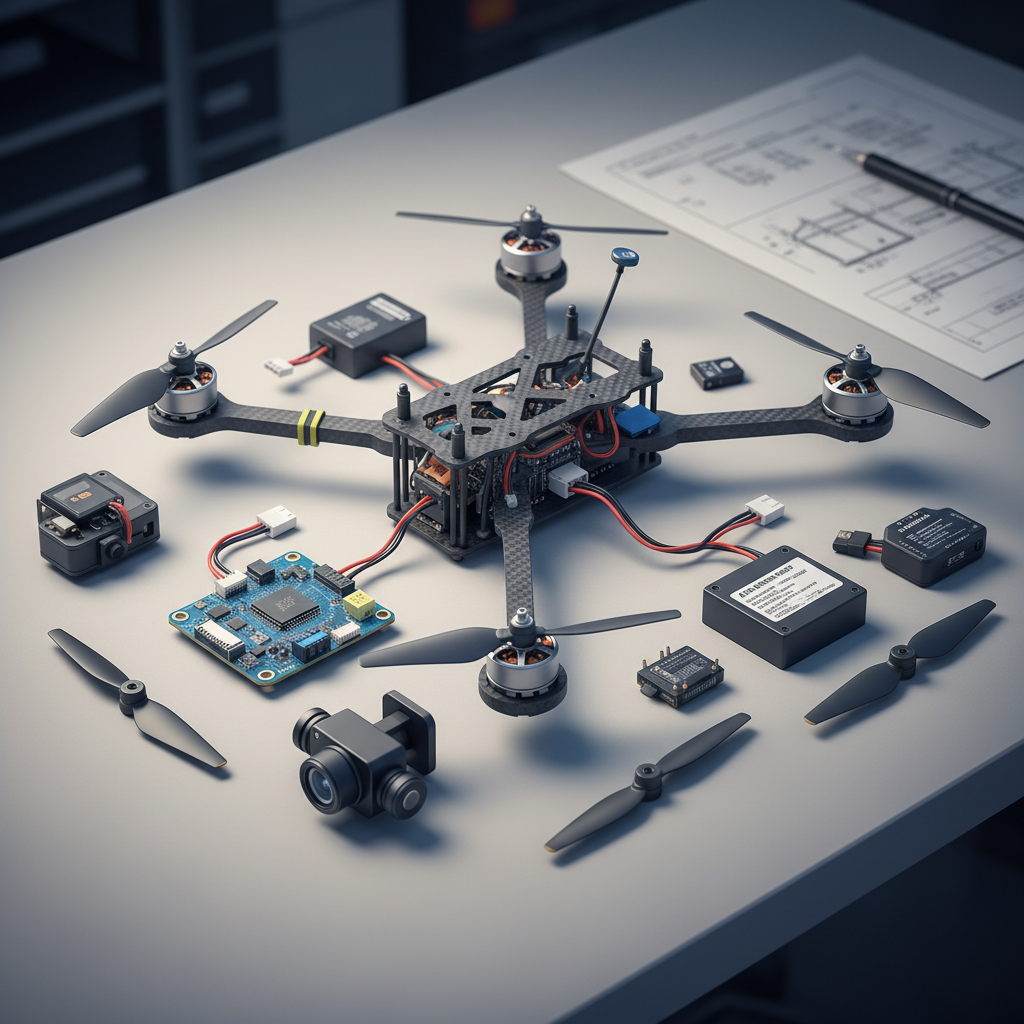
– Flight Controller: Acting as the drone’s brain, the flight controller manages navigation, stability, and overall flight operations. It processes sensor data and executes commands from the pilot or pre-programmed instructions, ensuring stable flight even in challenging conditions.
– Motors and Propellers: The motors and propellers are critical for lift and movement. The choice of motor type (brushless vs. brushed) and propeller size can significantly impact a drone’s performance, including speed, efficiency, and payload capacity. High-quality components can enhance flight duration and responsiveness, making them crucial for both consumer and commercial applications.
– Battery: The battery is a vital component that powers the drone, with battery life varying widely based on the model and usage. Lithium-polymer (LiPo) batteries are commonly used due to their high energy density and lightweight properties. Understanding battery specifications can help users select the right drone for their needs, particularly in commercial applications where extended flight time is often a requirement.
Applications of Drones
– Aerial Photography and Videography: Drones have transformed the way photographers and filmmakers capture imagery. They provide unique angles and perspectives that were once difficult or impossible to obtain. Companies like DJI offer drones with advanced stabilization technology, enabling smooth video capture even in windy conditions. This has made drones a staple in industries beyond photography, including marketing, where brands leverage stunning visuals for promotional content.
– Agriculture: In agriculture, drones enhance productivity through precision farming techniques. They can conduct aerial surveys to assess crop health, identify pest infestations, and optimize fertilizer application. For example, companies like PrecisionHawk utilize drones for crop mapping and analysis, enabling farmers to make data-driven decisions that improve yield and sustainability.
– Search and Rescue: Drones have become indispensable in emergency services, particularly in search and rescue operations. Their ability to cover large areas quickly and provide real-time aerial footage allows teams to locate missing persons or assess disaster-stricken locations more effectively. The use of thermal imaging technology in drones has proven particularly valuable in search missions, helping responders locate individuals in challenging environments.
The Technology Behind Drones
– GPS and Navigation Systems: Drones are equipped with GPS and advanced navigation systems that allow for precise positioning and controlled flight paths. These technologies enable features such as waypoint navigation, where users can program specific routes for the drone to follow autonomously, enhancing operational efficiency in commercial applications.
– Sensors: Modern drones are outfitted with various sensors, including high-resolution cameras, infrared sensors, and LIDAR systems, which facilitate data collection and obstacle avoidance. For example, LIDAR-equipped drones are increasingly used in topographic mapping and environmental monitoring, providing accurate data for a range of applications.
– Software: Software plays a crucial role in drone operations, enabling programming for autonomous flights and real-time data analysis. Platforms like DroneDeploy provide users with comprehensive solutions for flight planning, data collection, and analysis, streamlining workflows in industries such as construction and surveying.
Regulations and Safety Considerations
– FAA Regulations: In the United States, the Federal Aviation Administration (FAA) has established regulations governing drone operations to ensure safety and airspace integrity. These include registration requirements for drones over a certain weight, restrictions on flying near airports, and guidelines for visual line-of-sight operations.
– Privacy Concerns: The proliferation of drones brings forth significant privacy concerns. The capability of drones to capture images and videos raises questions about surveillance and individual privacy rights. As a result, various jurisdictions are developing laws to regulate drone use in public spaces, aiming to balance innovation with privacy protections.
– Safety Protocols: To minimize accidents and incidents, drone operators are encouraged to adhere to best practices, such as conducting pre-flight checks, avoiding crowded areas, and maintaining visual line-of-sight. These safety measures are crucial for responsible drone operation and public acceptance of UAV technology.
Future Trends in Drone Technology
– Increased Autonomy: The advancement of artificial intelligence and machine learning is propelling drones toward greater autonomy. Enhanced algorithms and smarter sensors are enabling drones to make real-time decisions, improving their efficiency and safety in various applications, from delivery services to environmental monitoring.
– Delivery Services: Companies such as Amazon and Google are actively exploring drone delivery systems to optimize logistics and transportation. The potential for drones to deliver packages quickly and efficiently is reshaping the retail landscape, with trials already underway in select regions.
– Urban Air Mobility: The future of urban air mobility looks promising, with the development of passenger drones and air taxis on the horizon. Companies like Joby Aviation and Volocopter are working on electric vertical takeoff and landing (eVTOL) vehicles, which could revolutionize urban transportation and ease congestion in densely populated areas.
Drones are versatile tools with a wide array of applications across various fields. Their ability to provide real-time data, enhance operational efficiency, and capture unique perspectives makes them invaluable in today’s fast-paced world. As technology continues to advance, the impact of drones on industries and everyday life is likely to grow. Staying informed about the latest developments in drone technology can help individuals and businesses harness their potential effectively.
Frequently Asked Questions
What are drones and how do they work?
Drones, also known as unmanned aerial vehicles (UAVs), are aircraft that operate without a human pilot on board. They are typically controlled remotely via a ground-based controller or autonomously through onboard computers. Drones use various technologies, including GPS for navigation, cameras for capturing images and videos, and sensors for data collection, making them versatile tools for both recreational and commercial applications.
How are drones used in different industries?
Drones have a wide range of applications across various industries, including agriculture, construction, real estate, and emergency services. In agriculture, they are used for crop monitoring and precision farming, while in construction, drones assist with site surveys and progress tracking. Real estate professionals utilize drones to capture aerial photography for property listings, and emergency services deploy drones for search-and-rescue operations, demonstrating their growing impact in multiple sectors.
Why are drones becoming increasingly popular?
Drones are gaining popularity due to their ability to provide cost-effective solutions for tasks that traditionally required manned aircraft or extensive ground work. They offer high-resolution imaging, real-time data collection, and accessibility to hard-to-reach areas, making them invaluable for businesses looking to enhance efficiency. Additionally, advancements in drone technology, such as improved battery life and user-friendly controls, have made them more accessible to hobbyists and professionals alike.
What are the best drones for beginners?
For beginners, it’s essential to choose drones that are user-friendly, affordable, and equipped with safety features. Popular models include the DJI Mini SE, which offers excellent stability and camera quality, and the Holy Stone HS720, known for its ease of use and GPS-assisted flight. These drones often come with features like altitude hold and one-key takeoff, making them ideal for novice pilots looking to learn the basics of flying without overwhelming complexity.
Which regulations should I be aware of when flying a drone?
Before flying a drone, it’s crucial to understand and comply with the regulations set by aviation authorities, such as the FAA in the United States. Key regulations include registering your drone if it weighs over 0.55 pounds, flying below 400 feet, and maintaining visual line of sight with your drone at all times. Additionally, be aware of restricted airspace, such as near airports or crowded areas, to ensure safe and legal drone operation.
References
- https://en.wikipedia.org/wiki/Drone
- https://www.faa.gov/uas/
- https://www.nist.gov/news-events/news/2020/01/drone-technology-promises-transform-future-transportation
- https://www.ncbi.nlm.nih.gov/pmc/articles/PMC7300860/
- https://www.bbc.com/news/technology-34066318
- https://www.reuters.com/technology/what-you-need-know-about-drones-2021-06-08/
- https://www.nasa.gov/centers/dryden/pdf/86530.pdf
- https://www.techrepublic.com/article/how-drones-are-changing-the-way-we-work-and-live/
