

Drones are versatile unmanned aerial vehicles that have become pivotal in various industries, offering innovative solutions and improving operational efficiency. From enhancing visual storytelling in photography to revolutionizing agricultural practices and emergency services, their applications are vast and continuously evolving. The increasing adoption of drone technology signifies its critical role in shaping the future of multiple sectors.
Aerial Photography and Videography
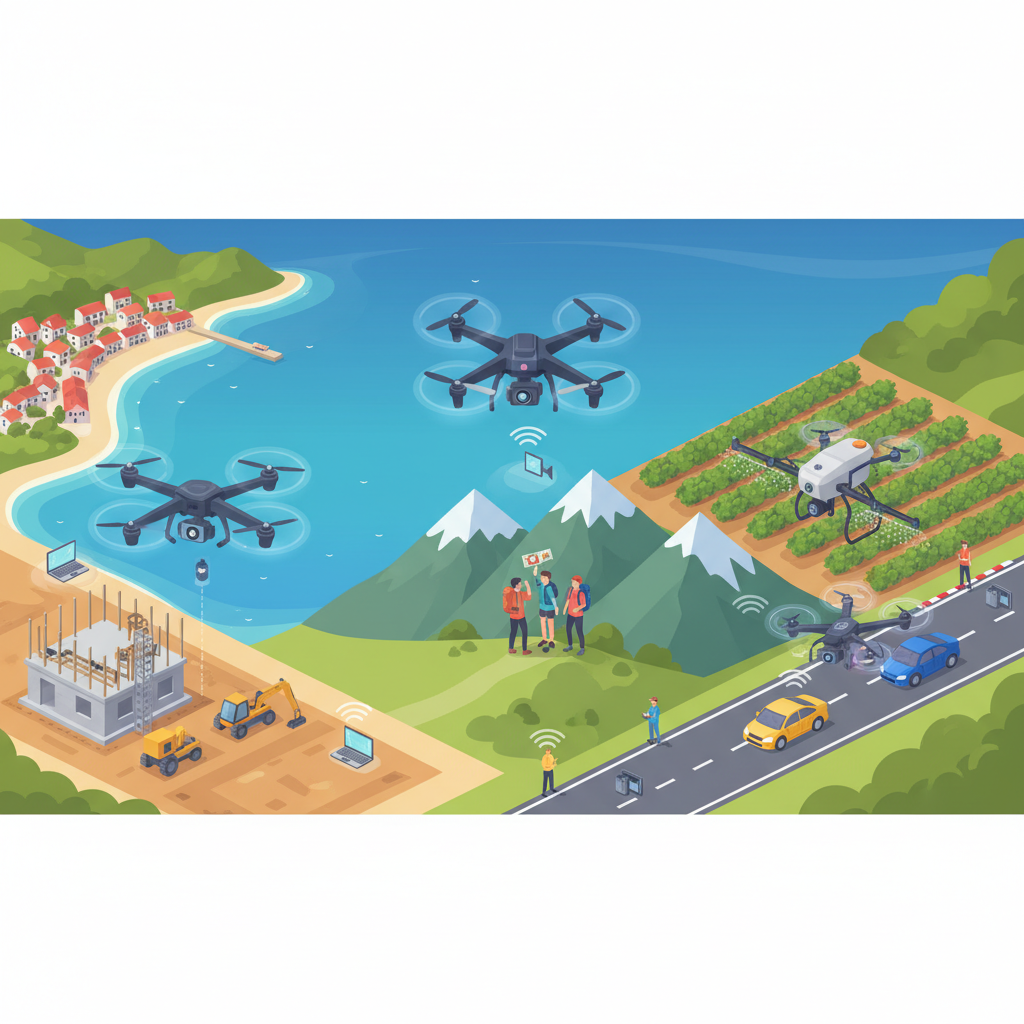
Drones have transformed the landscape of aerial photography and videography, providing stunning visuals for a range of purposes. In the film industry, filmmakers leverage drone technology to capture breathtaking aerial shots that were once only achievable with expensive helicopters. These aerial perspectives not only enhance storytelling but also add a dynamic element to visual narratives, making productions more engaging.
Real estate professionals utilize drones to showcase properties from unique angles, offering potential buyers an immersive look at listings. High-resolution aerial images and videos allow real estate agents to present properties in a way that traditional photography cannot match, often leading to quicker sales and higher selling prices. Events such as weddings and festivals also benefit from drone videography, capturing moments from above that create lasting memories.
In addition to commercial uses, drones provide hobbyists and enthusiasts with the opportunity to explore their creativity through aerial photography. With the availability of user-friendly drones equipped with high-quality cameras, individuals can document their adventures and share their experiences, contributing to the growing community of drone photography.
Agriculture and Farming
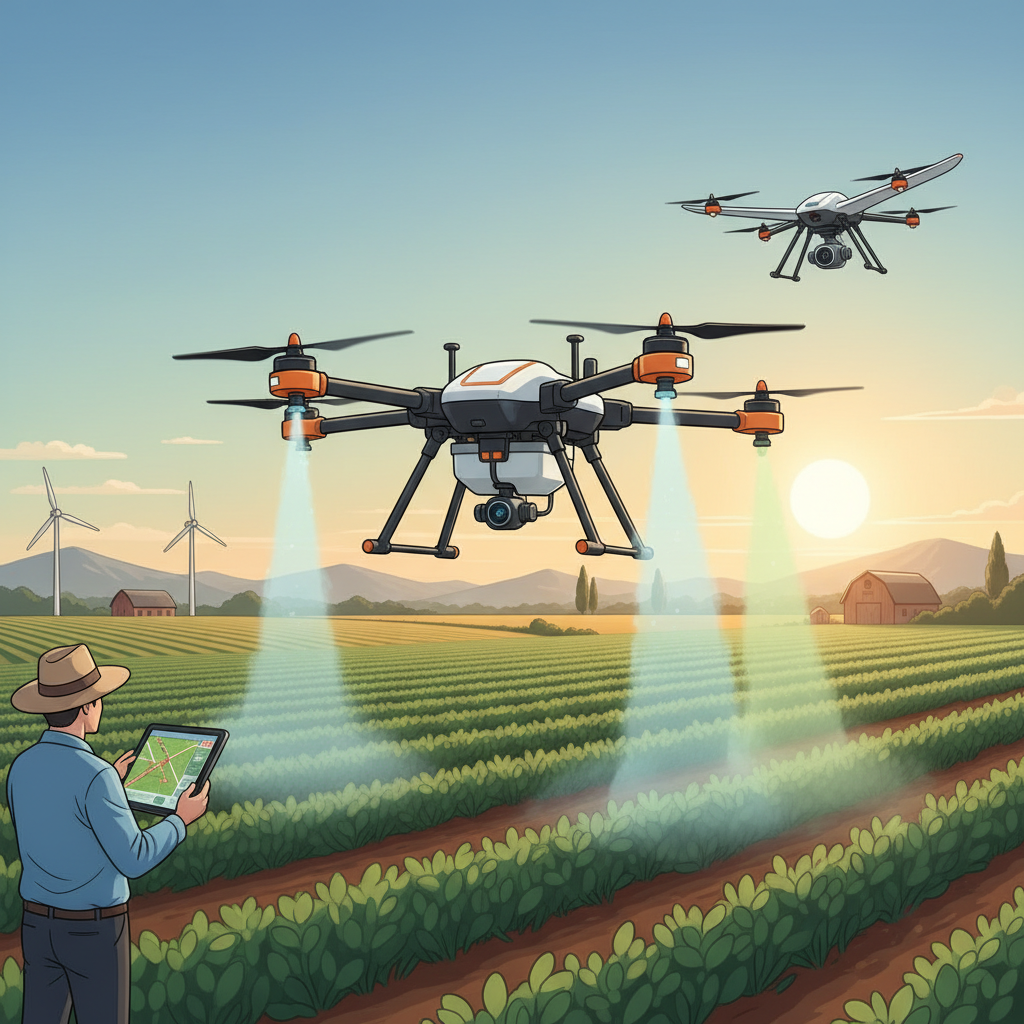
The agricultural sector has seen a significant impact from drone technology, particularly in precision farming. Drones equipped with advanced sensors and imaging capabilities can monitor crop health, providing farmers with real-time data about their fields. This information allows for the early detection of issues such as pest infestations, nutrient deficiencies, and irrigation problems, enabling timely interventions that can protect yields.
Farmers use drones to create detailed maps that highlight variations in crop health across their fields, allowing them to apply fertilizers and pesticides more efficiently. By utilizing drones for aerial surveys, farmers can optimize resource use, reduce waste, and ultimately enhance productivity. For example, a study by the National Agricultural Aviation Association found that drone-assisted precision agriculture can increase crop yields by up to 20% while reducing costs related to inputs.
Moreover, drones are instrumental in conducting field assessments post-harvest, helping farmers analyze the effectiveness of their practices and make data-driven decisions for future planting seasons. As the demand for sustainable farming practices grows, the role of drones in agriculture will likely expand further.
Delivery Services
The logistics and delivery sectors are at the forefront of drone technology adoption, with companies like Amazon and UPS actively exploring drone delivery systems. Drones present an innovative solution to expedite shipping, particularly for last-mile deliveries, which are often the most time-consuming and costly part of the delivery process.
Drones can navigate direct routes to reach remote or hard-to-access locations, significantly reducing delivery times. For instance, in rural areas where traditional delivery vehicles may face challenges, drones can deliver packages within minutes rather than hours, enhancing customer satisfaction and broadening the market reach for businesses.
Additionally, drone delivery systems can alleviate congestion on roadways, contributing to more sustainable urban environments. As regulatory frameworks evolve to accommodate drone deliveries and technology continues to advance, we can expect to see a broader implementation of this service, potentially revolutionizing the way goods are transported.
Search and Rescue Operations
In emergency situations, drones play a crucial role in search and rescue operations, offering capabilities that enhance the efficiency and effectiveness of emergency responders. Equipped with thermal imaging cameras and GPS technology, drones can quickly locate missing persons in challenging environments, such as dense forests or disaster-stricken areas.
During natural disasters, drones provide aerial views that assist teams in assessing damage and planning rescue missions more effectively. For example, after hurricanes or earthquakes, drones can survey affected regions to identify where assistance is needed most, enabling a more organized and timely response.
Emergency services have reported that deploying drones can significantly reduce search times, allowing for quicker rescues and potentially saving lives. As drone technology continues to improve, its integration into emergency response strategies will likely become standard practice, further enhancing public safety.
Infrastructure Inspection
The inspection of critical infrastructure is another area where drones have made a substantial impact. Drones are increasingly used to inspect bridges, power lines, and pipelines, providing a safer and more efficient alternative to manual inspections. Traditional inspection methods often involve scaffolding or climbing, which can be dangerous for workers; drones eliminate these risks by allowing for remote inspections from a safe distance.
Equipped with high-resolution cameras and sensors, drones can detect structural issues such as cracks, corrosion, or wear that may require maintenance. This proactive approach to infrastructure management not only improves safety but also extends the lifespan of assets by facilitating timely repairs.
For example, utility companies use drones to monitor power lines, significantly reducing the time and resources required for inspections. The ability to conduct routine inspections with drones can lead to cost savings and enhance the reliability of essential services.
Environmental Monitoring
Drones have emerged as invaluable tools for environmental monitoring, allowing researchers to track wildlife populations and assess changes in ecosystems. By capturing high-resolution images and data, drones can help scientists study habitat conditions, migration patterns, and the effects of climate change on various species.
Moreover, drones are effective in monitoring pollution levels in air and water bodies. They can collect samples and gather data in hard-to-reach areas, aiding researchers in their efforts to understand environmental impacts and develop strategies for conservation. For instance, environmental agencies use drones to monitor deforestation, providing vital information that can inform policy decisions and conservation efforts.
The ability to collect data quickly and efficiently means that researchers can respond to environmental changes more effectively, making drones a critical asset in the ongoing fight against climate change and biodiversity loss.
Recreational Use
Beyond professional applications, many individuals fly drones for recreational purposes, engaging in hobbies such as racing, photography, and exploration. The accessibility of consumer drones has opened up a new realm of outdoor activities, allowing enthusiasts to experience their surroundings from a unique vantage point.
Drone racing has become a popular sport, with competitions drawing participants and spectators alike. These events often showcase the speed and agility of drones, creating a thrilling experience for both pilots and fans. Similarly, photography enthusiasts use drones to capture stunning landscapes or urban scenes, sharing their work through various online platforms and contributing to the growing community of drone pilots.
As regulations evolve and drone technology becomes more user-friendly, the recreational use of drones is likely to increase, offering exciting opportunities for exploration and creativity.
In conclusion, drones have a wide range of applications across various fields, enhancing efficiency, safety, and creativity. From transforming aerial photography to revolutionizing agriculture and emergency services, their impact is profound. As technology continues to evolve, the potential uses for drones will expand further, making them an exciting area to watch. If you’re interested in exploring drone technology, consider how it can benefit your specific needs or hobbies and keep an eye on this rapidly advancing field.
Frequently Asked Questions
What are drones commonly used for in various industries?
Drones are utilized across multiple industries for a variety of applications. In agriculture, they are used for crop monitoring and precision farming, allowing farmers to assess crop health and optimize pesticide use. In construction, drones facilitate site surveying and progress tracking, improving project efficiency. Additionally, they are employed in the film and photography industry for aerial shots, in real estate for property showcasing, and in emergency services for search and rescue operations.
How do drones enhance data collection in research and surveying?
Drones enhance data collection by providing high-resolution aerial imagery and real-time data acquisition, significantly improving the accuracy and efficiency of research and surveying tasks. Equipped with advanced sensors and cameras, drones can capture detailed geographic and environmental data, which can be processed to create 2D and 3D models. This technology not only reduces the time and cost associated with traditional data collection methods but also allows for the monitoring of hard-to-reach areas.
Why are drones becoming popular in the delivery sector?
Drones are gaining popularity in the delivery sector due to their ability to provide fast and efficient delivery solutions. They can bypass traffic and reach remote locations, making them ideal for delivering essential goods, medicines, and packages quickly. Companies are increasingly investing in drone delivery systems to improve customer satisfaction by reducing delivery times and operational costs, while also minimizing carbon footprints associated with traditional delivery vehicles.
What features should I look for when buying a drone for recreational use?
When buying a drone for recreational use, consider features such as flight time, camera quality, range, and ease of use. A longer flight time allows for extended flying sessions, while a high-quality camera enhances your aerial photography experience. Look for drones with a user-friendly interface, GPS functionality for stability, and safety features like automatic return-to-home. Additionally, ensure the drone is lightweight and portable for easy transportation during outdoor adventures.
Which regulations should I follow when flying a drone?
When flying a drone, it’s essential to adhere to local regulations set by aviation authorities, such as the Federal Aviation Administration (FAA) in the United States. Key regulations include flying below 400 feet, keeping the drone within visual line of sight, and avoiding flying over people or private property without permission. Additionally, operators should register their drones if they exceed a certain weight and obtain any necessary permits for commercial use, ensuring safe and responsible drone operation.
References
- https://en.wikipedia.org/wiki/Drone
- https://www.faa.gov/uas/
- https://www.nasa.gov/mission_pages/psa/what_is_a_drone.html
- https://www.abc.net.au/news/2023-01-12/what-are-drones-used-for/101816358
- https://www.sciencedirect.com/science/article/pii/S2352864821000170
- https://www.nist.gov/itl/iad/ig/drone-technology-and-applications
- https://www.theguardian.com/technology/2021/oct/10/what-are-drones-used-for
- https://www.rand.org/research/projects/drones.html
