

Crypto drones can conduct secure transactions, provide real-time data, and enhance logistics in various industries. As technology evolves, the potential applications of crypto drones continue to expand, revolutionizing how we think about unmanned aerial vehicles and digital currencies. By integrating blockchain technology with drone capabilities, these innovative machines not only facilitate financial transactions but also serve as powerful tools for data collection and logistics management, thus offering myriad opportunities across multiple sectors.
Overview of Crypto Drones
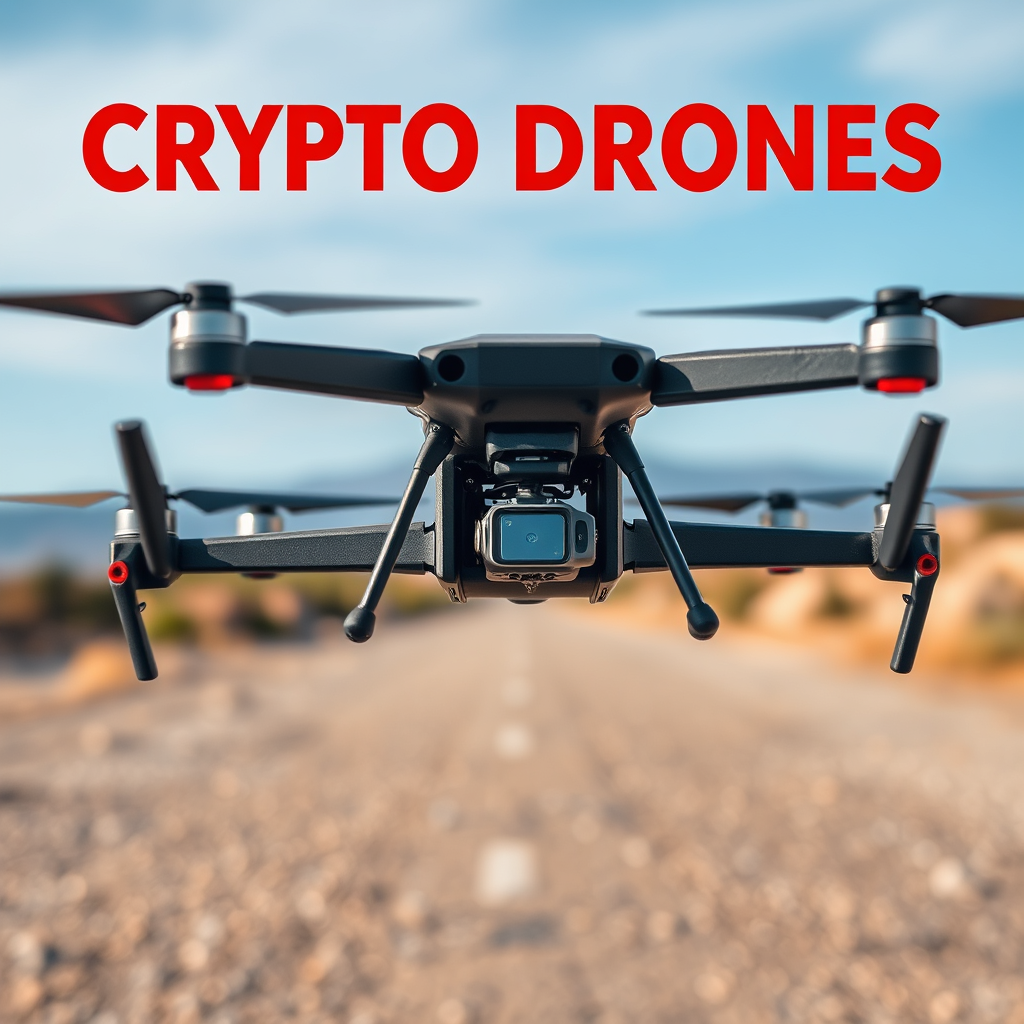
Crypto drones are unmanned aerial vehicles (UAVs) equipped with blockchain technology, enabling them to perform secure transactions and facilitate data exchange efficiently. The integration of cryptocurrency with drone technology marks a significant evolution in both fields, paving the way for applications that enhance operational efficiency and security. The convergence of drone technology and cryptocurrency began to gain traction in the early 2010s, coinciding with the rise of Bitcoin and other digital assets. As drones became more sophisticated, the idea of using them for financial transactions and data collection emerged, leading to the development of crypto drones that can operate independently and autonomously.
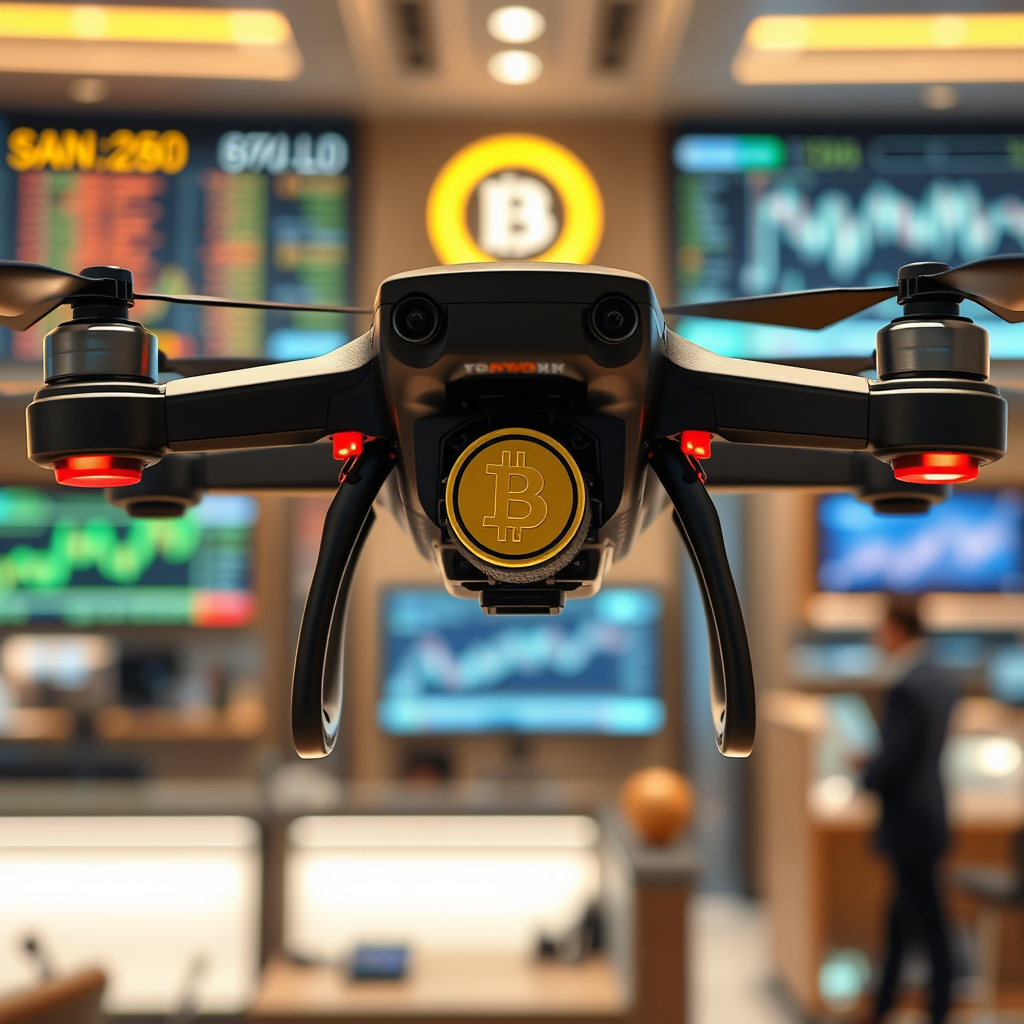
Secure Financial Transactions
One of the most significant advantages of crypto drones is their ability to facilitate secure peer-to-peer transactions. By utilizing blockchain technology, these drones can ensure that transactions are encrypted, recorded, and verified without the need for intermediaries. This feature is particularly beneficial in remote areas where traditional banking services are limited or nonexistent. For instance, in regions affected by natural disasters or in rural communities, crypto drones can deliver funds directly to individuals, reducing the dependency on banks and minimizing transaction costs.
An illustrative example can be seen in the deployment of drones in parts of Africa, where access to banking infrastructure is often a challenge. By allowing individuals to send and receive cryptocurrency through drones, financial inclusion can be achieved, empowering local populations and facilitating commerce.
Data Collection and Analysis
Crypto drones play a crucial role in gathering real-time data for businesses and researchers. Equipped with advanced sensors and imaging technologies, these drones can collect and transmit valuable information across various industries, enabling organizations to make data-driven decisions. For example, in agriculture, drones equipped with multispectral cameras can analyze crop health, soil conditions, and irrigation needs, allowing farmers to optimize their yields while minimizing resource usage.
Moreover, in the realm of environmental monitoring, crypto drones can be deployed to collect data on air quality, wildlife movement, and climate change effects. The integration of blockchain allows for secure logging of this data, ensuring its integrity and facilitating transparency in research efforts. This capability is particularly advantageous for organizations that require accurate and reliable data to support conservation and sustainability initiatives.
Enhanced Logistics and Delivery
The logistics and delivery sector stands to benefit significantly from the adoption of crypto drones. These drones can streamline supply chain operations by reducing delivery times and costs, while also enabling real-time tracking of shipments. Utilizing cryptocurrency for payments enhances the efficiency of these processes, allowing for seamless transactions during delivery.
A notable example is the partnership between drone manufacturers and logistics companies that have successfully implemented drone delivery systems. Companies like Zipline have utilized drones to deliver medical supplies in remote regions, while integrating cryptocurrency for payment processing. As these systems continue to evolve, the potential for widespread adoption of crypto drones in logistics becomes increasingly apparent.
Privacy and Security Features
Privacy and security are paramount in the operation of crypto drones, particularly when handling sensitive transactions and data. These drones are equipped with robust encryption measures and privacy protocols that ensure secure communications between the drone, users, and blockchain networks. This security is crucial in the context of financial transactions, where the risk of data breaches and fraud can have significant consequences.
Moreover, the integration of decentralized networks in blockchain technology further enhances the privacy of users. By operating on a peer-to-peer basis, crypto drones can minimize the risk of centralized data storage, which is often a target for cyberattacks. Ensuring secure communications is vital for maintaining trust in crypto drone applications, especially as they gain traction in sensitive sectors such as finance and healthcare.
Future Trends and Innovations
The future of crypto drones is poised for exciting developments as emerging technologies continue to enhance their capabilities. Innovations such as artificial intelligence (AI), machine learning, and advanced sensor technologies are expected to play a significant role in the evolution of these drones. AI can facilitate autonomous decision-making, allowing drones to adapt to changing environments and execute complex tasks without human intervention.
Furthermore, as regulatory frameworks surrounding cryptocurrencies and drone operations evolve, there is potential for increased adoption and integration of crypto drones in various industries. Governments and regulatory bodies may establish clearer guidelines that promote safety and innovation, leading to wider acceptance and utilization of these technologies.
Challenges and Considerations
Despite the promising prospects of crypto drones, several challenges and considerations must be addressed. Legal and ethical implications surrounding the use of drones for financial transactions and data collection can complicate their integration into existing systems. Regulatory compliance, airspace restrictions, and privacy laws are critical factors that companies must navigate to ensure responsible deployment.
Additionally, technical challenges, such as limited battery life, payload capacity, and connectivity issues, can hinder the effectiveness of crypto drones. The industry must continue to innovate and invest in research and development to overcome these limitations and unlock the full potential of crypto drones.
In conclusion, crypto drones hold significant promise across various sectors by enabling secure transactions, improving data collection, and enhancing logistics. As technology continues to advance, staying informed about these developments will be crucial for leveraging their full potential. By addressing the existing challenges and embracing innovations, businesses can harness the capabilities of crypto drones to drive efficiency and create new opportunities in the digital economy.
Frequently Asked Questions
What capabilities do crypto drones have for agricultural use?
Crypto drones are increasingly being utilized in agriculture for precision farming. They can collect data on crop health, monitor irrigation systems, and even facilitate the automated spraying of fertilizers and pesticides. By leveraging blockchain technology, these drones ensure secure and transparent data sharing, allowing farmers to make informed decisions that enhance yields and reduce costs.
How do crypto drones enhance supply chain management?
Crypto drones can significantly enhance supply chain management by providing real-time tracking and verification of goods. Utilizing blockchain, these drones can document every stage of the delivery process, ensuring that all transactions are secure and tamper-proof. This transparency helps businesses verify the authenticity of products, reduces fraud, and improves overall efficiency in logistics.
Why should businesses consider using crypto drones for delivery services?
Businesses should consider using crypto drones for delivery services because they offer faster, more efficient, and cost-effective solutions compared to traditional delivery methods. With the ability to bypass traffic and navigate directly to delivery points, crypto drones can reduce delivery times. Moreover, the integration of blockchain technology enhances security and accountability in the delivery process, which can improve customer trust.
What are the best use cases for crypto drones in emergency response?
The best use cases for crypto drones in emergency response include disaster assessment, search and rescue operations, and delivering medical supplies to hard-to-reach areas. Equipped with advanced sensors and cameras, these drones can quickly gather critical information about affected areas, while blockchain technology ensures secure communication and data sharing among first responders, improving the overall effectiveness of emergency operations.
Which industries can benefit the most from implementing crypto drones?
Several industries can benefit greatly from implementing crypto drones, including agriculture, logistics, healthcare, and environmental monitoring. Each of these sectors can leverage the unique capabilities of crypto drones to enhance efficiency, reduce costs, and improve data integrity through blockchain technology. As regulations evolve and technology advances, we can expect even broader applications across various fields.
References
- https://en.wikipedia.org/wiki/Drone#Applications
- https://www.nytimes.com/2021/05/02/business/drone-delivery.html
- https://www.bbc.com/news/technology-53651775
- https://www.sciencedirect.com/science/article/pii/S2352864821000416
- https://www.techrepublic.com/article/how-drones-are-being-used-in-the-fight-against-covid-19/
- https://www.nasa.gov/press-release/nasa-launches-new-unmanned-aircraft-systems-research-into-drone-delivery
- https://www.faa.gov/uas/
- https://www.wired.com/story/how-drones-are-changing-the-way-we-deliver-goods/
