

Drones can carry a diverse array of payloads, ranging from packages and medical supplies to sophisticated cameras for aerial photography. This versatility positions drones as invaluable tools across multiple industries, enhancing efficiency and effectiveness in logistics, healthcare, agriculture, and more. In this article, we will delve into the various items that drones can transport, their practical applications, and the latest advancements in drone technology.
Types of Payloads Drones Can Carry
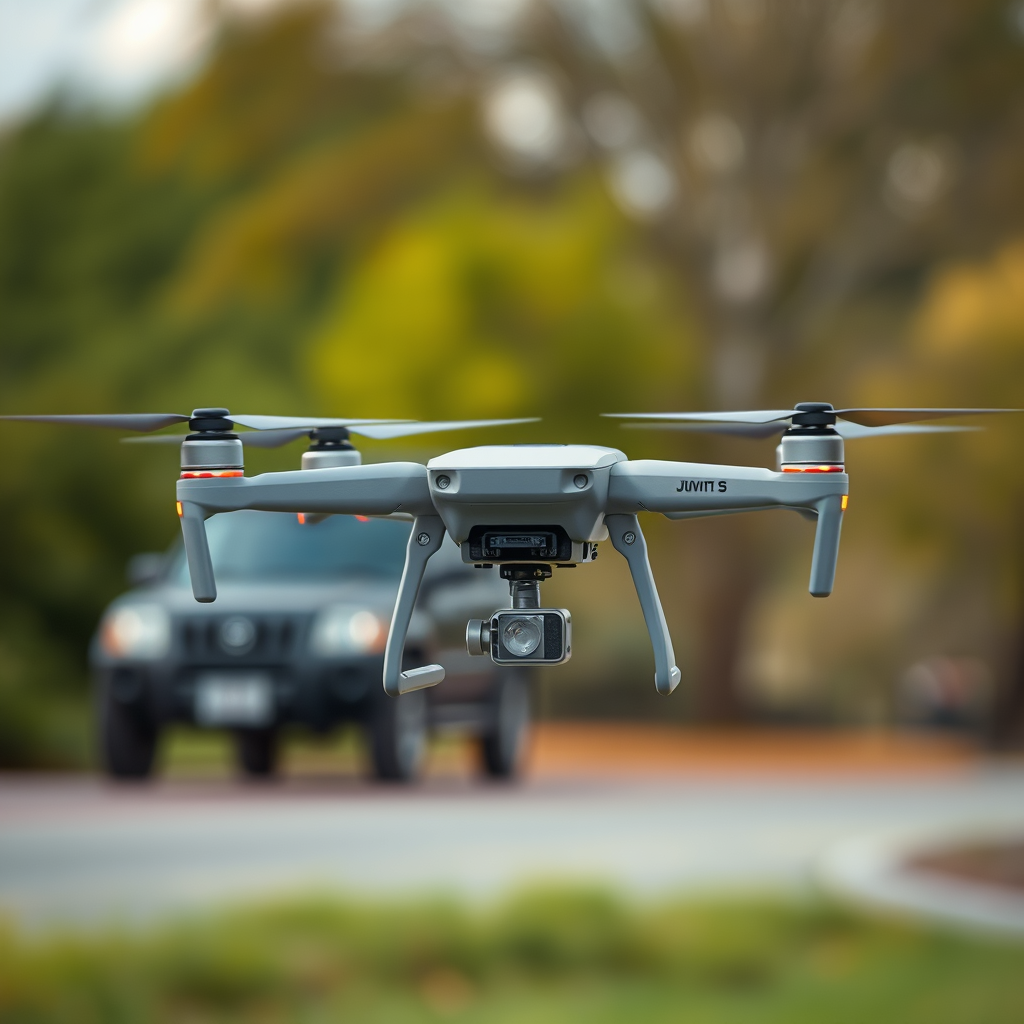
Drones have evolved significantly, and their payload capabilities are no exception. One of the most prominent uses of drones is in the delivery sector, where they can transport packages for e-commerce, retail goods, and even food items. Companies like Amazon and Walmart are experimenting with drone delivery systems to facilitate quicker and more efficient last-mile logistics. For instance, Amazon Prime Air aims to deliver packages weighing up to five pounds within 30 minutes of ordering, showcasing the potential for drones to revolutionize delivery services.
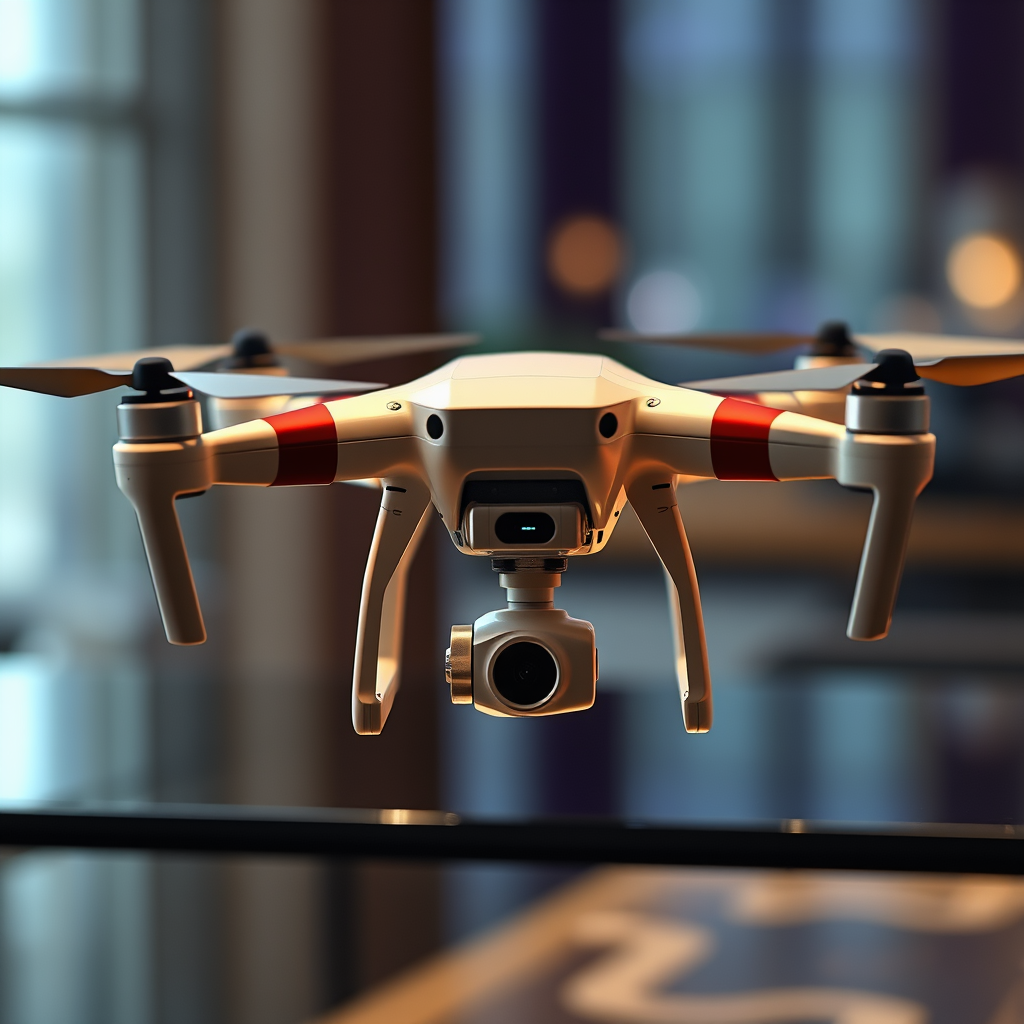
Another critical area where drones are making a significant impact is in healthcare. Drones can carry medical supplies, including vaccines, blood samples, and emergency equipment, to remote or hard-to-reach locations. Zipline, a company that has made headlines for its innovative use of drones in medical delivery, has been instrumental in supplying blood and vaccines to rural hospitals in countries like Rwanda and Ghana. This capability not only speeds up the delivery process but can also be lifesaving in emergencies, proving that drones can play a crucial role in public health.
Drones in Agriculture
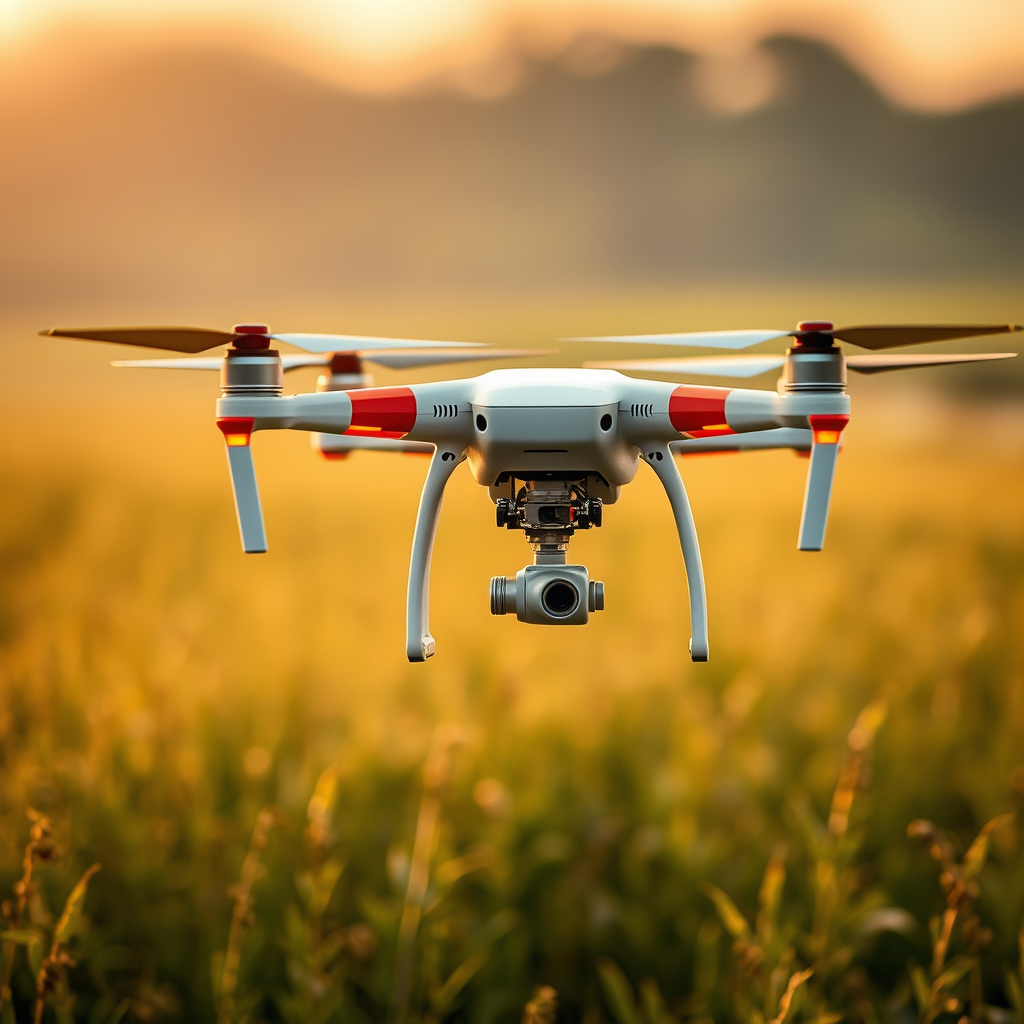
Drones are transforming the agricultural landscape by providing farmers with advanced tools for crop monitoring and management. Equipped with high-resolution cameras and sensors, drones can carry payloads that include multispectral imaging tools, which assess soil health and moisture levels. This technology allows farmers to analyze crop conditions more effectively and make data-driven decisions about irrigation, fertilization, and pest control.
Moreover, drones are increasingly being used to apply pesticides and fertilizers in a targeted manner. This not only reduces chemical usage but also minimizes the environmental impact of farming practices. For example, the use of drones for precision agriculture enables farmers to treat only the affected areas of their fields instead of applying chemicals across the entire crop area. This capability leads to cost savings and enhances sustainability within the agricultural sector.
Drones for Emergency Services
The utility of drones extends beyond commercial applications; they are also becoming essential tools for emergency services. Drones can carry search and rescue equipment, such as first aid kits and communication devices, allowing emergency responders to reach victims more quickly in disaster scenarios. For instance, during natural disasters like hurricanes or earthquakes, drones can survey affected areas and deliver supplies to stranded individuals, significantly improving response times.
In firefighting, drones are being utilized to deliver water or fire retardant to hard-to-reach areas. They can also provide aerial surveillance, helping fire teams assess the situation from above and develop strategies for containment. Companies like DJI have developed specialized drones equipped with thermal imaging cameras, enabling firefighters to identify hotspots and monitor fire behavior, thus enhancing safety and effectiveness in combating wildfires.
Recreational Uses of Drones
Beyond their commercial and emergency applications, drones are widely used for recreational purposes. Aerial photography and videography have become increasingly popular, allowing enthusiasts to capture stunning images and videos from unique perspectives. Drones equipped with high-quality cameras can easily capture breathtaking landscapes, making them a favorite among photographers and filmmakers.
Additionally, drones can carry lightweight items for recreational activities, such as delivering small gifts, messages, or even snacks during outdoor events. For example, enthusiasts have experimented with using drones to drop small items like custom-made treats at birthday parties or gatherings, adding an element of excitement and novelty to social events.
The Future of Drone Payloads
As drone technology continues to advance, the future of payload capabilities is promising. Innovations in battery technology are critical to increasing payload capacity and flight duration. New developments in lithium-sulfur and solid-state batteries are on the horizon, which could significantly enhance the operational efficiency of drones.
Furthermore, advancements in artificial intelligence and automation are paving the way for more efficient delivery systems. Drones equipped with AI can autonomously navigate complex environments, optimizing delivery routes and reducing operational costs. Companies like Wing, a subsidiary of Alphabet Inc., are already testing AI-driven drones capable of delivering packages with minimal human intervention, showcasing the potential for a future where drone deliveries become a commonplace reality.
Regulations and Safety Considerations
While the potential for drone payload capabilities is vast, it is essential to understand the regulatory landscape surrounding their use. Different countries have varying regulations regarding weight limits and legal restrictions for drone flights. In the United States, for instance, the Federal Aviation Administration (FAA) outlines specific guidelines for commercial drone operations, including restrictions on flying over people and near airports. Understanding these regulations is crucial for businesses looking to incorporate drones into their operations safely and legally.
Additionally, safe operation practices are paramount to prevent accidents. Drone operators must be trained to handle drones responsibly, ensuring that they adhere to safety protocols and respect privacy concerns. Implementing measures such as pre-flight checks and maintaining line-of-sight during operations can help mitigate risks associated with drone usage.
In conclusion, drones have demonstrated their capability to carry a wide range of items, making them essential tools across various sectors. From enhancing delivery services to revolutionizing agricultural practices and assisting emergency responders, the applications of drone technology are diverse and impactful. As advancements continue to emerge, staying informed about the latest developments will enable businesses and individuals to leverage drones effectively in their operations. The future of drone payloads is bright, and the possibilities are limited only by our imagination.
Frequently Asked Questions
What types of payloads can drones carry?
Drones can carry a wide variety of payloads, depending on their design and purpose. Common payloads include cameras for aerial photography and videography, sensors for environmental monitoring, delivery packages in logistics, and even agricultural materials like seeds or fertilizers. The weight limit for these payloads varies significantly, with consumer drones typically carrying up to 5-10 pounds, while professional or industrial drones can handle heavier equipment.
How much weight can a drone carry safely?
The weight a drone can safely carry depends on its specifications, including size and motor power. Most consumer drones can carry between 0.5 to 10 pounds, while commercial drones are designed for heavier loads, often exceeding 50 pounds. It’s crucial to check the manufacturer’s specifications and ensure that the total weight, including the drone itself, does not exceed the maximum takeoff weight for safe operation.
Why are drones used for delivery services?
Drones are increasingly used for delivery services due to their speed, efficiency, and ability to access hard-to-reach areas. They can significantly reduce delivery times compared to traditional methods, especially in urban environments, while also minimizing costs for logistics companies. Additionally, drones can help reduce road congestion and carbon emissions by providing an alternative to vehicle-based delivery systems.
Which industries benefit the most from using drones to carry payloads?
Several industries benefit from drone payload capabilities, including agriculture, construction, real estate, and emergency services. In agriculture, drones carry sensors to monitor crop health, while in construction, they deliver tools and materials to job sites. Real estate professionals use drones to provide aerial views of properties, and emergency services leverage drones to transport medical supplies or assess disaster zones quickly.
What are the best drones for carrying heavy payloads?
The best drones for carrying heavy payloads typically include models designed for industrial use, such as the DJI Matrice 600, Freefly Alta 8, and Yuneec H520. These drones are engineered for stability and power, supporting payloads up to 20 pounds or more, making them ideal for professional filming, surveying, and delivery. When selecting a drone for heavy lifting, consider factors such as battery life, flight time, and ease of use to ensure optimal performance for your specific needs.
References
- https://en.wikipedia.org/wiki/Drone#Payloads
- https://www.faa.gov/uas/recreational_fliers/
- https://www.nasa.gov/aeroresearch/programs/uas/overview.html
- https://www.sciencedirect.com/science/article/pii/S2351978919301222
- https://www.bbc.com/news/technology-45566078
- https://www.theguardian.com/technology/2021/nov/02/drones-deliver-medical-supplies-to-remote-areas
- https://www.forbes.com/sites/bernardmarr/2021/07/26/the-amazing-ways-drones-are-being-used-in-2021/?sh=3d3b3c5f7c1e
- https://www.nist.gov/news-events/news/2021/04/nist-research-drones-will-carry-future-farms-harvests
- https://www.researchgate.net/publication/329123456_The_Use_of_Drones_for_Humanitarian_Aid_and_Disaster_Management
- https://www.un.org/en/observances/world-drone-day
