
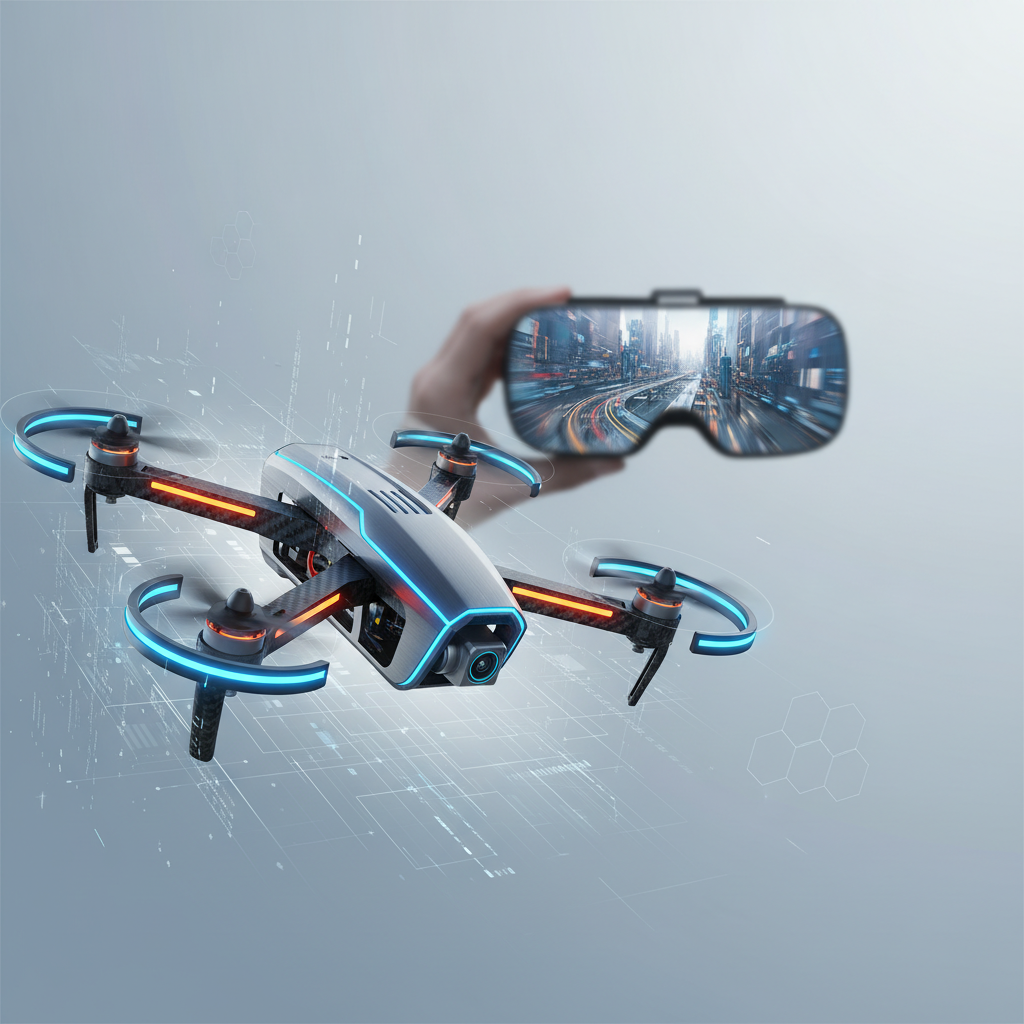
FPV drone stands for First Person View drone, which allows the pilot to experience real-time video feed from the drone’s perspective. This immersive technology has transformed the way drone enthusiasts and professionals operate their aircraft, offering unique applications in various fields. The integration of FPV technology in drones enhances the user experience by providing a sense of presence, allowing pilots to navigate their drones as if they were onboard. As the demand for aerial perspectives increases across industries, understanding FPV drones becomes essential for both hobbyists and professionals alike.
Understanding FPV Technology
FPV technology fundamentally changes the way we interact with drones. It employs high-resolution cameras mounted on the drone, which transmit live video back to the pilot, creating a seamless connection between the machine and the operator. These real-time video feeds can be viewed through specialized FPV goggles or on screens, providing an immersive flying experience that simulates the sensation of piloting an aircraft.
The technology behind FPV drones often includes low-latency video transmission systems, ensuring that the pilot receives uninterrupted and timely video feeds. This is crucial for maintaining control and ensuring the safety of the flight, especially when navigating complex environments. Additionally, advancements in digital transmission technology have led to clearer images and reduced interference, making FPV flying more enjoyable and accessible.
Applications of FPV Drones
FPV drones have carved out a niche in various applications, showcasing their versatility and innovative potential. One of the most popular uses is in racing competitions, where pilots maneuver their drones through challenging courses at thrilling speeds. Events such as the Drone Racing League (DRL) have gained immense popularity, drawing participants and spectators from around the globe and highlighting the excitement and skill involved in FPV racing.
Beyond recreational use, FPV drones have significant implications in professional fields. In filmmaking, filmmakers utilize FPV drones to capture stunning aerial shots that were once difficult to obtain. This technique has revolutionized the industry, allowing for creative storytelling and unique perspectives. Similarly, in surveying and mapping, FPV drones provide efficient and accurate data collection, saving time and reducing costs compared to traditional methods. In emergency services, they play a crucial role in search and rescue operations, offering real-time aerial views of disaster-stricken areas, significantly enhancing situational awareness for rescue teams.
Types of FPV Drones
Understanding the different types of FPV drones is essential for users to select the right model for their needs. Racing drones are specifically designed for speed and agility, featuring lightweight frames and powerful motors that enable rapid acceleration and sharp turns. These drones often come equipped with high-performance batteries to sustain longer races and high-speed flights.
Freestyle drones, on the other hand, are built for acrobatic maneuvers and tricks. These drones allow pilots to perform flips, rolls, and other stunts, making them popular among enthusiasts looking to showcase their flying skills. The design of freestyle drones typically focuses on a balance between agility and stability, allowing for precision flying in dynamic environments.
Moreover, there are also cinematic drones designed for capturing high-quality video footage. These drones often carry advanced camera systems and stabilization technologies, making them ideal for filmmakers and content creators. Understanding these distinctions helps pilots choose the most suitable drone based on their skill level and intended application.
Essential FPV Gear
To maximize the FPV flying experience, certain gear is essential. First and foremost are the FPV goggles, which provide pilots with a high-definition view of the drone’s perspective. These goggles immerse the pilot in the flight experience, enabling them to see exactly what the drone sees, thereby enhancing control and situational awareness. Some models even include features like head tracking, where the camera moves in response to the pilot’s head movements, further enriching the immersive experience.
In addition to goggles, a reliable transmitter is crucial. The transmitter sends control signals to the drone, allowing the pilot to maneuver it effectively. High-quality transmitters offer customizable settings for range, sensitivity, and other parameters, enabling pilots to fine-tune their control experience. Furthermore, additional accessories like antennas, batteries, and spare parts can enhance both performance and safety during flights.
Legal Considerations for FPV Drones
As the popularity of FPV drones continues to rise, understanding the legal landscape surrounding their use is paramount. Pilots must adhere to local regulations and guidelines for drone operation, which can vary significantly from one region to another. In many countries, regulations require pilots to register their drones and adhere to specific flight altitude limits and no-fly zones, especially near airports or populated areas.
Additionally, maintaining awareness of airspace restrictions is crucial for safe operation. Many regions have designated areas where drone flights are prohibited or require special permissions, particularly in urban environments. Pilots should familiarize themselves with resources such as government regulations and local drone clubs that can provide guidance on legal compliance.
Getting Started with FPV Drones
For those interested in entering the world of FPV drones, starting on the right foot is essential. Begin by choosing the right drone based on your skill level and intended use. Beginners may find it beneficial to start with a ready-to-fly (RTF) model that includes all necessary components, while more experienced pilots might prefer building their own drones from scratch for a more customized experience.
Additionally, consider joining a community or club for support and learning. Engaging with other FPV enthusiasts can provide valuable insights, tips, and mentorship opportunities. Online forums and social media groups also serve as excellent platforms for sharing experiences, troubleshooting problems, and staying updated on the latest advancements in FPV technology.
In conclusion, FPV drones offer a unique and engaging way to experience flying from the drone’s viewpoint, with various applications across different industries. Whether you’re interested in racing, filmmaking, or exploring new technology, understanding FPV drones can enhance your flying experience. The immersive capabilities of FPV technology open new horizons for enthusiasts and professionals alike, making it an exciting time to dive into the world of FPV. If you’re ready to explore this innovative field, consider researching further and connecting with fellow enthusiasts to enrich your journey.
Frequently Asked Questions
What does FPV drone mean?
FPV stands for “First Person View,” and an FPV drone is a type of drone that allows the operator to see a live video feed from the drone’s camera, as if they were sitting in the cockpit. This immersive experience is achieved through a set of goggles or a monitor that displays the video feed in real-time, giving users the ability to fly the drone with enhanced precision and control.
How does FPV drone flying differ from traditional drone flying?
FPV drone flying differs from traditional drone flying primarily in the way the pilot experiences the flight. While traditional drones are typically flown from a distance using a remote control, FPV drones provide a first-person perspective through a camera feed. This unique viewpoint allows for more intricate maneuvers and a more engaging flying experience, making FPV particularly popular for racing and aerial photography.
Why are FPV drones popular among hobbyists and professionals?
FPV drones have gained popularity among both hobbyists and professionals due to their ability to deliver an exhilarating flying experience and high-quality aerial footage. Hobbyists enjoy the challenge of racing and performing acrobatics, while professionals use FPV drones for capturing dynamic shots in filmmaking and photography. The growing community and advancements in technology have also made FPV drones more accessible and user-friendly.
What are the best FPV drones for beginners?
For beginners, some of the best FPV drones include the DJI FPV, Eachine Novice-II, and Holy Stone HS720. These drones are user-friendly, equipped with features such as stable flight modes, GPS, and built-in safety mechanisms. Additionally, they offer solid video quality and durability, making them ideal for those just starting in the world of FPV flying.
Which regulations should I be aware of when flying an FPV drone?
When flying an FPV drone, it’s essential to adhere to local regulations, which often include registering your drone, following altitude limits, and maintaining a visual line of sight with the drone. In the U.S., the Federal Aviation Administration (FAA) requires FPV pilots to have a spotter who can maintain visual contact while you fly. Always check your country’s specific drone laws to ensure compliance and safety.
References
- https://en.wikipedia.org/wiki/First-person_view
- https://www.faa.gov/uas/getting_started/registration
- https://www.npr.org/sections/alltechconsidered/2016/08/05/489633769/what-the-fpv-drone-race-means-for-the-future-of-drone-racing
- https://www.govinfo.gov/content/pkg/FR-2016-01-06/pdf/2015-32932.pdf
- https://www.acs.org/content/acs/en/education/resources/highschool/chemistryclubs/activities/drones-in-education.html
- https://www.dronepilotgroundschool.com/fpv-drone-racing/
