
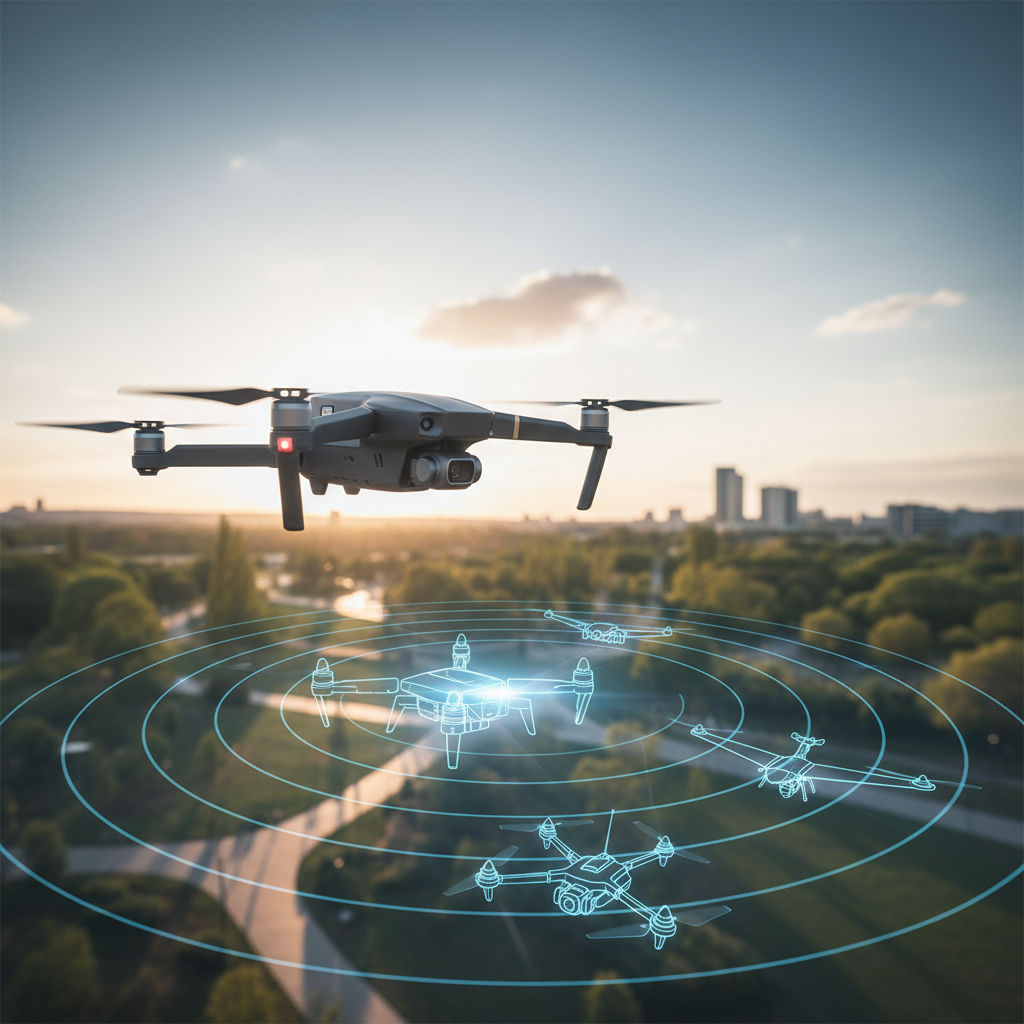
If you’re curious about the drones flying above you, there are several potential uses and types that could be overhead. Understanding the nature of these drones—whether they are recreational, commercial, or used for specific applications—can enhance your awareness and safety in your environment. This guide will provide you with insights into the various categories of drones, their common uses, regulations governing their operation, and how you can identify and track them.
Types of Drones in Your Area
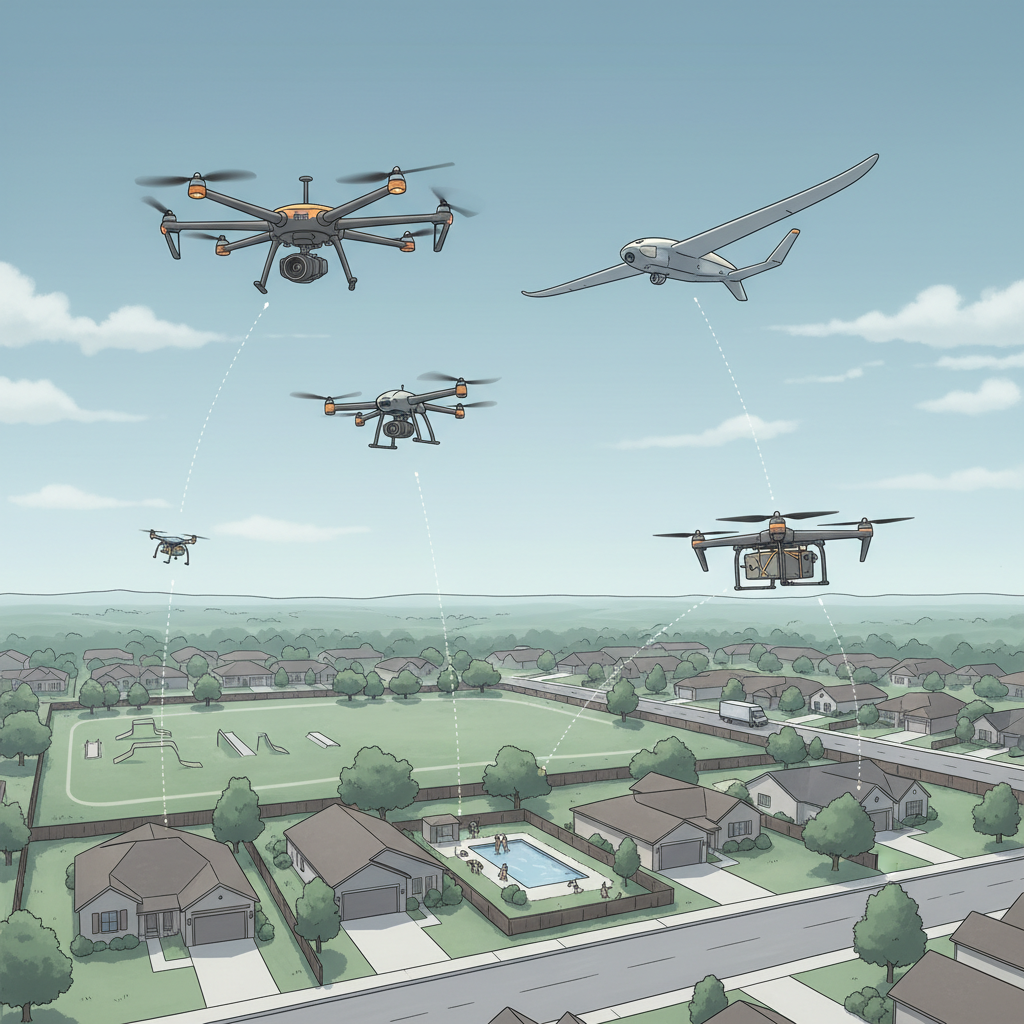
– Recreational Drones: Often flown by hobbyists for fun or photography. These drones are typically lightweight, easy to operate, and come equipped with cameras for capturing images and videos from unique perspectives. Many enthusiasts engage in drone racing or aerial photography, showcasing their skills and creativity. Brands like DJI and Parrot offer models that cater to beginners and experienced pilots alike, making them a common sight in parks and residential areas.
– Commercial Drones: Used for delivery, surveying, and agricultural monitoring. Commercial drones have gained significant traction in various industries due to their efficiency and cost-effectiveness. For instance, companies like Amazon are exploring drone delivery for packages, aiming to reduce delivery times and operational costs. In agriculture, drones are utilized for crop monitoring, allowing farmers to assess their fields’ health and optimize yields. These drones are often more substantial and equipped with advanced technology, including GPS and high-resolution cameras.
Common Uses of Drones
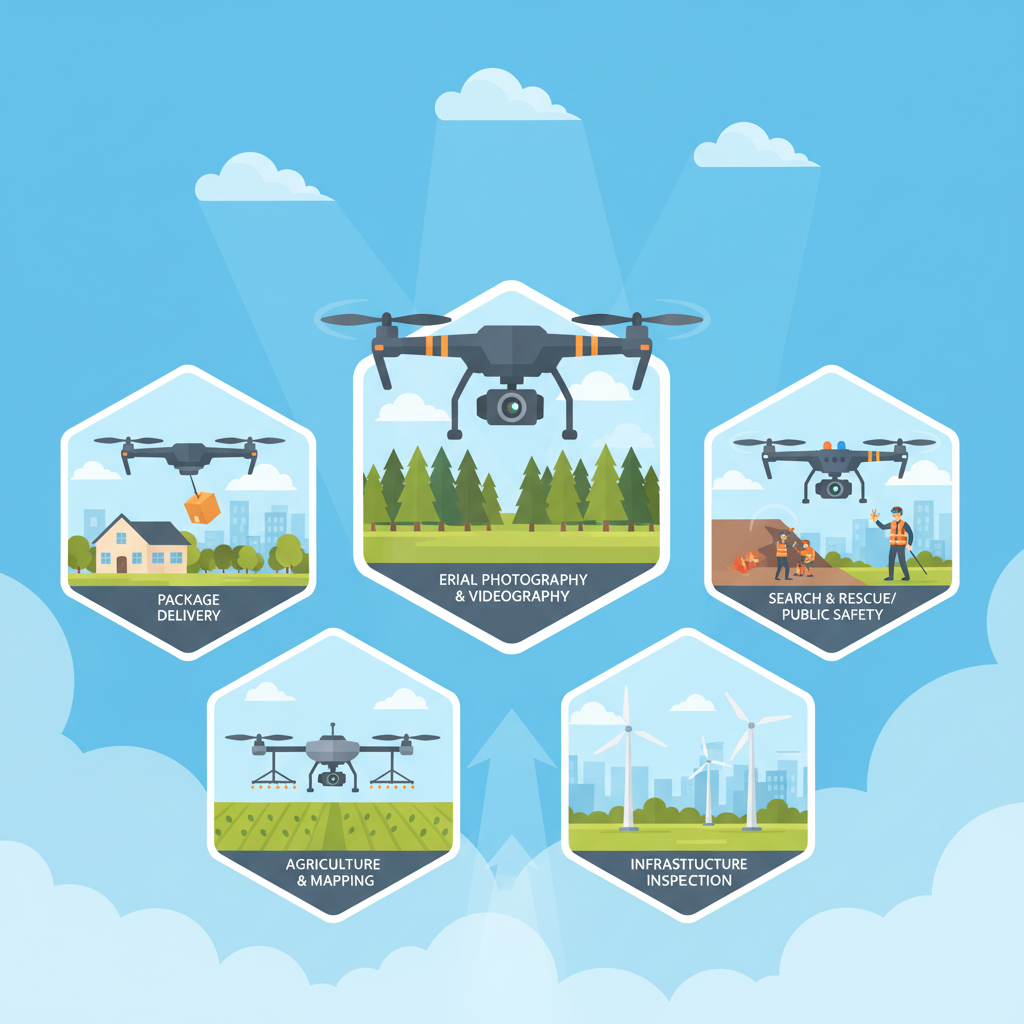
– Aerial Photography and Videography: Capturing stunning visuals for events or real estate. Drones have revolutionized the way photographers and videographers capture images and videos. By providing an aerial perspective, drones can showcase landscapes, events, and properties in ways that ground-based photography cannot. Real estate agents often employ drone footage to present properties from above, highlighting features such as large yards and proximity to amenities, making them more appealing to potential buyers.
– Surveillance: Employed by security firms to monitor properties. Drones are increasingly becoming a tool for surveillance and security, offering a bird’s-eye view of large areas and hard-to-reach locations. Security companies utilize drones to patrol properties, monitor events, and detect intruders, enhancing traditional security measures. This use has raised discussions around privacy and the ethical implications of surveillance from the sky.
Regulations Surrounding Drones
– FAA Guidelines: Outline where and how drones can be flown legally. In the United States, the Federal Aviation Administration (FAA) governs the operation of drones, ensuring that pilots adhere to safety protocols and regulations. These guidelines stipulate that drones must be flown below 400 feet, remain within the operator’s line of sight, and avoid flying over people and moving vehicles. Additionally, commercial drone operators must obtain a Remote Pilot Certificate, further regulating the use of drones in various settings.
– Local Laws: Vary by state and municipality, affecting drone operation near people and private property. While the FAA provides overarching regulations, local laws can impose additional restrictions. For example, some cities have specific no-fly zones, particularly near airports, schools, and parks. It’s essential for drone operators to familiarize themselves with local regulations to avoid fines and penalties. Understanding these laws can also help individuals concerned about drone activity in their areas.
How to Identify Drones
– Visual Characteristics: Recognizable by their shape, size, and lights. Drones come in various shapes and sizes, but many share common features, such as rotors and a camera mount. Typically, recreational drones are smaller and may have colorful designs, while commercial drones tend to be larger and more utilitarian. Observing the presence of lights, especially blinking ones, can also help in identifying a drone, as these are often used for navigation and visibility.
– Sound: Most drones emit a distinct humming noise during operation. The sound produced by drones can vary based on their size and motor type, but they often generate a noticeable buzzing or humming noise. If you hear a consistent sound overhead that seems out of place, it could indicate a drone in your vicinity. This auditory cue can help in recognizing drone activity, especially in quieter environments.
Tools to Track Drones
– Drone Detection Apps: Apps that provide real-time information on drone activity in your area. Several mobile applications, such as AirMap and DroneTracker, allow users to track drone flights in real-time. These apps utilize GPS data and crowd-sourced information to inform users about drone operations in their vicinity, helping to enhance situational awareness. Some apps also provide flight path information, making them a valuable tool for both drone enthusiasts and concerned citizens.
– Online Databases: Websites that track registered drone flights and users. Various online platforms, such as FlightAware and SkyVector, allow users to view registered drone flights and obtain detailed information about drone operators. These databases can be particularly useful for understanding the frequency and nature of drone activity in your area, allowing you to stay informed about potential disturbances or privacy concerns.
Safety Considerations
– Privacy Concerns: Understanding your rights regarding surveillance and drone operation. As drones become more prevalent, privacy concerns have emerged, particularly regarding surveillance capabilities. Individuals should be aware of their rights to privacy and the legal limitations on drone surveillance. In many jurisdictions, drone operators are required to obtain consent before capturing images or videos of private property, and understanding these laws can help protect personal privacy.
– Safety Protocols: Awareness of how to react if a drone is flying too close. Safety is paramount when it comes to drone operation. If you notice a drone flying too close to your property or in a manner that feels intrusive, remain calm and assess the situation. It may be beneficial to report the drone to local authorities if it poses a safety risk or violates regulations. Familiarizing yourself with local drone laws can also empower you to take appropriate action if necessary.
In conclusion, knowing what drones are flying above you involves understanding their types, uses, and regulations. As drone technology continues to evolve, staying informed about their presence in your area can enhance your safety and peace of mind. Utilizing tools for tracking drone activity and being aware of your rights and the regulations governing drone operation can help you navigate this increasingly common aspect of modern life.
Frequently Asked Questions
What types of drones are commonly flying above urban areas?
In urban areas, you’re likely to encounter a variety of drones, including recreational drones, commercial delivery drones, and surveillance drones. Recreational drones are often flown by hobbyists for photography or racing, while commercial drones are used by companies for package delivery, infrastructure inspections, and mapping. Surveillance drones may be operated by law enforcement or security agencies for monitoring public spaces. Understanding the purpose of these drones can help you gauge their presence and impact in your vicinity.
How can I find out if a drone is flying over my property?
To determine if a drone is flying over your property, you can use drone-tracking apps such as AirMap or Drone Buddy, which provide real-time information about drone flights in your area. Additionally, visually observing the drone’s characteristics, such as its size and sound, can give clues about its type and purpose. If you suspect a drone is infringing on your privacy, you can also check local regulations regarding drone flights to better understand your rights and the legality of its operation.
Why are drones flying above my house, and can I do anything about it?
Drones may be flying above your house for various reasons, including recreational use by neighbors, commercial activities such as photography or mapping, or surveillance by local authorities. If you are concerned about privacy or safety, it’s important to review local laws regarding drone operation, as many areas have strict regulations governing where and how drones can fly. If you feel a drone is being operated illegally or unethically, you can report it to local law enforcement or your city’s drone regulatory agency.
What should I do if I feel unsafe or harassed by a drone flying overhead?
If you feel unsafe or harassed by a drone, first try to identify the owner or operator, if possible. Document your observations, including the time, location, and nature of the drone’s behavior. You can then file a complaint with local authorities, as many regions have specific laws that protect residents from invasive drone activity. It’s also useful to familiarize yourself with federal and local drone regulations to understand your rights and the legal limitations of drone operations.
Which drones are best for recreational flying, and what regulations should I follow?
Some of the best drones for recreational flying include the DJI Mini 2, Holy Stone HS720, and the Parrot Anafi, known for their user-friendly features and excellent camera capabilities. When flying recreationally, it’s crucial to follow regulations set by the Federal Aviation Administration (FAA), which include flying below 400 feet, keeping the drone within visual line of sight, and avoiding flying near airports or crowded areas. Always check for any local ordinances that may impose additional restrictions on drone use in your area.
References
- https://en.wikipedia.org/wiki/Drone
- https://www.faa.gov/uas/
- https://www.nasa.gov/feature/nasa-s-drone-research
- https://www.theguardian.com/technology/2021/oct/12/drones-what-to-know
- https://www.sciencedirect.com/science/article/pii/S2352864821001176
- https://www.aaai.org/ojs/index.php/aimagazine/article/view/1357
- https://www.nist.gov/news-events/news/2021/09/nist-research-aims-improve-drone-safety-and-security
- https://www.abc.net.au/news/2021-06-07/drones-privacy-safety-regulations/100188794
- https://www.unm.edu/~drone/
- https://www.reuters.com/technology/drones-are-transforming-how-we-see-our-world-2021-09-23/
