

Drones equipped with advanced imaging technology can see a variety of details at night, including thermal signatures, infrared imagery, and low-light visuals. This capability makes them invaluable for numerous applications, from search and rescue operations to wildlife monitoring. As technology progresses, more sectors are beginning to realize the significant potential of nighttime drone operations, which can enhance safety, efficiency, and effectiveness in various tasks.
Understanding Night Vision Technology
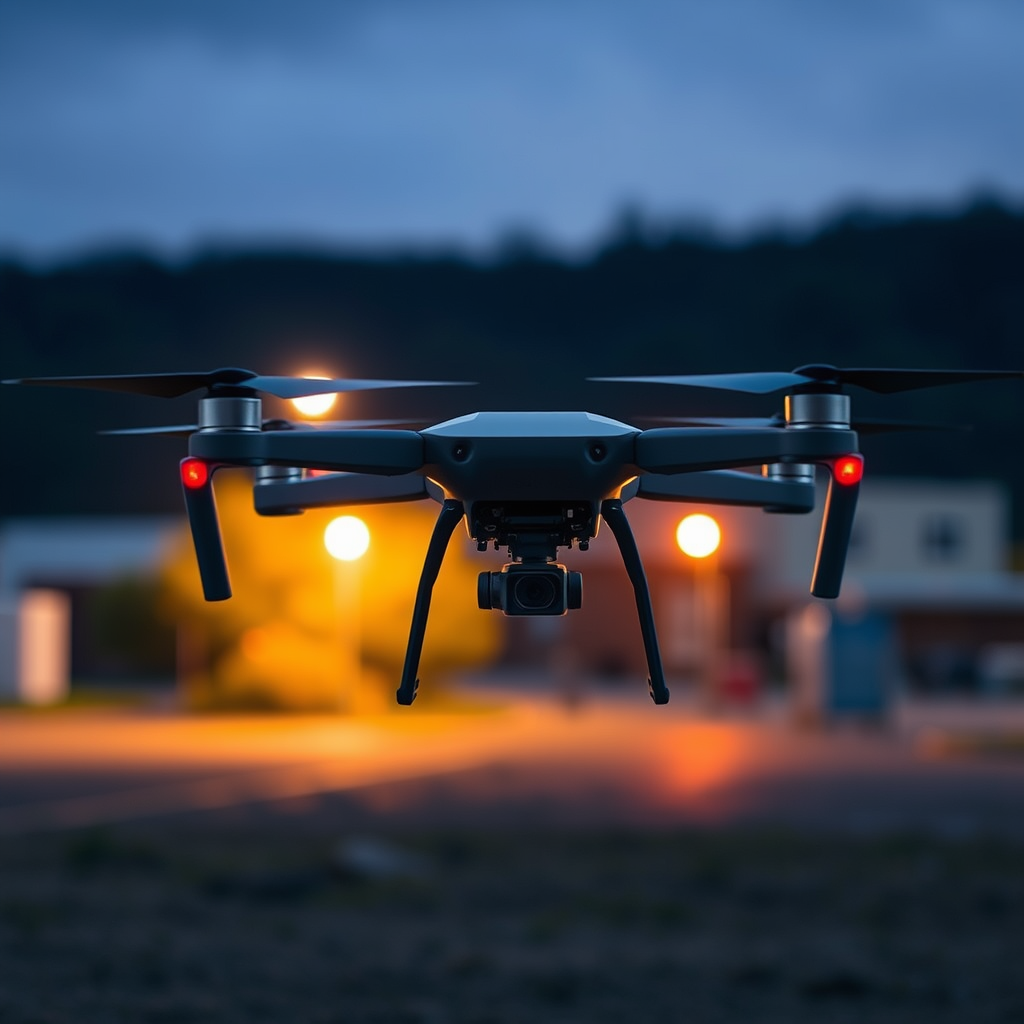
Drones often utilize thermal imaging to detect heat differences in objects, allowing them to visualize environments in complete darkness. Thermal cameras operate by sensing the infrared radiation emitted by objects, which varies with temperature. This technology is particularly effective in identifying living beings, as the heat produced by their bodies stands out against cooler backgrounds. For search and rescue missions, this capability is critical; rescuers can locate individuals lost in challenging conditions, such as dense forests or mountainous terrains, where visibility is compromised.
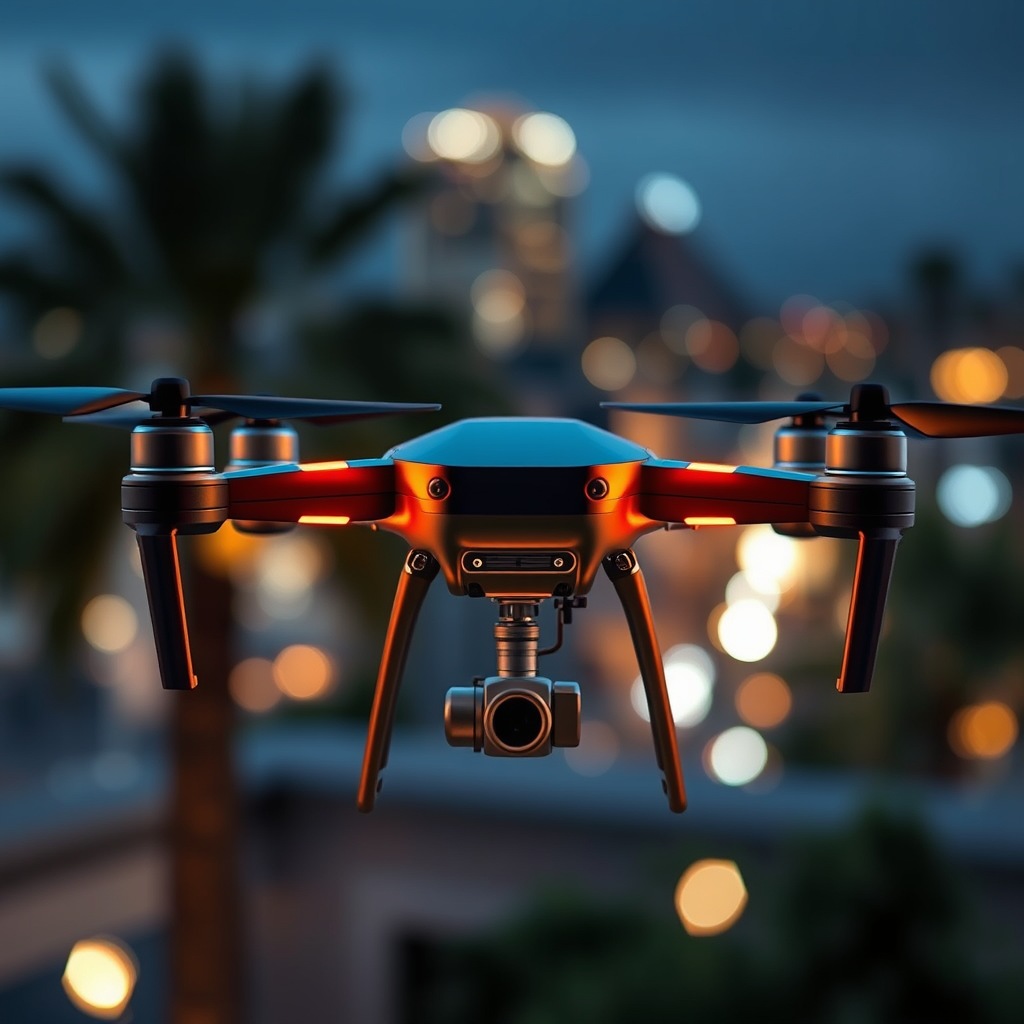
Low-light cameras, on the other hand, enhance visibility in dark conditions by amplifying available light. These cameras use sensitive sensors that can capture more light than standard cameras, allowing them to produce clearer images in twilight or low-light environments. Some models are equipped with image stabilization technology that further improves the quality of visuals captured during night flights. The combination of thermal imaging and low-light capabilities provides a comprehensive view that is essential for various applications, including security and surveillance.
Applications of Drones at Night
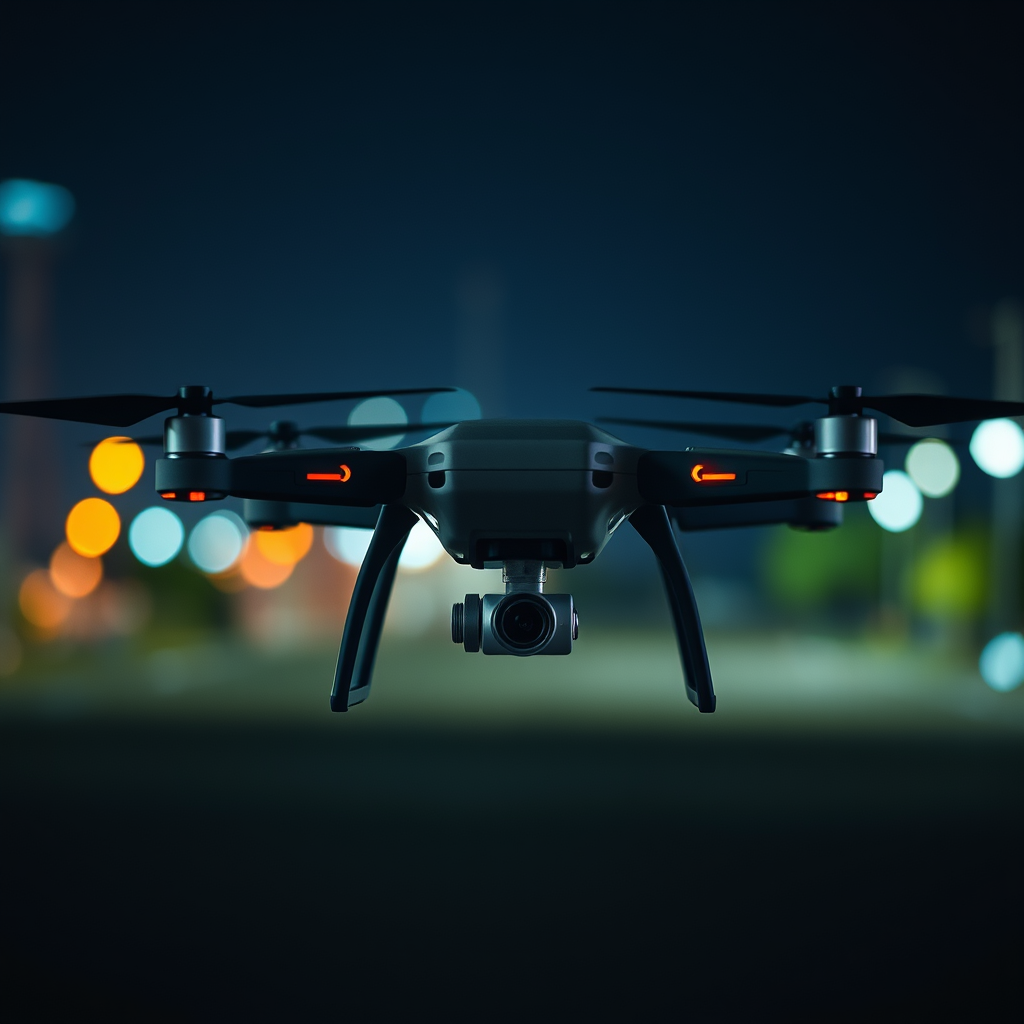
The applications of drones at night are vast and varied, significantly impacting several critical sectors. In search and rescue missions, for example, drones can quickly cover large areas, identifying heat signatures that indicate the presence of a person. This efficiency is paramount in emergency situations, where time is of the essence. Drones can reach remote locations faster than ground crews, providing real-time information that can guide rescue operations.
Law enforcement agencies also leverage night-capable drones for surveillance and crime scene assessment. These drones can monitor public events, patrol neighborhoods, and gather evidence in situations where traditional methods may be hindered by darkness. They offer a tactical advantage, as they can operate discreetly and maintain a safe distance while still capturing high-resolution images and video footage. Additionally, drones can assist in monitoring wildlife at night, providing biologists and conservationists with vital data regarding animal behaviors and habitats without disturbing the ecosystem.
Limitations of Night Vision Drones
While the advantages of night vision drones are significant, there are also limitations that operators must consider. Thermal imaging can sometimes be hindered by environmental factors such as rain, fog, and smoke. These conditions can obstruct the infrared signals that thermal cameras rely on, leading to reduced visibility and potential misinterpretations of the environment. For example, during a search and rescue operation in inclement weather, the effectiveness of thermal imaging may be compromised, making it challenging to accurately locate individuals.
Low-light cameras may struggle in complete darkness without any ambient light sources. If a location is devoid of even minimal light, these cameras might not provide usable images. This limitation necessitates careful planning and understanding of the operational environment prior to deploying drones for nighttime missions. Operators need to assess the conditions and determine the best technology and approach to maximize the effectiveness of their drone operations.
Popular Night Vision Drone Models
Several drone models are recognized for their night vision capabilities, each offering unique features tailored to specific applications. The DJI Mavic 2 Enterprise Dual stands out for its combination of thermal and optical sensors, making it a versatile option for various nighttime operations. Its compact design and advanced imaging technology allow for easy transport and deployment, whether for search and rescue missions, industrial inspections, or law enforcement activities.
Another notable model is the Parrot Anafi USA, which is known for its night vision capabilities and compact design. Equipped with a thermal camera, the Anafi USA offers high-resolution imagery that can be pivotal in wildlife observation and environmental monitoring. Its ability to deliver clear visuals in low-light conditions makes it a valuable tool for researchers and conservationists alike.
Safety and Regulatory Considerations
Operating drones at night introduces specific safety and regulatory considerations that must be adhered to. Operators must comply with local regulations regarding nighttime drone flights, which can vary significantly between jurisdictions. In many cases, pilots are required to obtain special waivers or permissions to operate after dark. Understanding these regulations is crucial for ensuring compliance and avoiding legal repercussions.
Additionally, awareness of surroundings is critical to avoid accidents during night operations. Drones can be more challenging to navigate in the dark, increasing the risk of collisions with obstacles or other aircraft. Operators should conduct thorough pre-flight checks, utilize obstacle avoidance technologies, and maintain a clear line of sight with their drones whenever possible. Training and experience in nighttime drone operation can also enhance safety and operational effectiveness.
Future Trends in Night Vision Drone Technology
The future of night vision drone technology is promising, with several trends poised to enhance capabilities and applications. Advancements in artificial intelligence (AI) are expected to improve object recognition in low-light conditions, allowing drones to distinguish between different objects more effectively. This AI integration could lead to more autonomous operations, where drones can make real-time decisions based on their environment.
Furthermore, enhanced battery life will allow for extended night operations without interruptions. As battery technology continues to evolve, longer flight times will enable drones to cover greater distances and perform more complex missions during nighttime hours. These improvements will undoubtedly enhance the utility of drones in various sectors, ranging from emergency response to infrastructure inspections.
In conclusion, drones equipped for nighttime operation provide significant advantages across various fields by leveraging thermal and low-light technologies. They play an essential role in search and rescue operations, law enforcement, and wildlife monitoring, among other applications. However, operators must also navigate the challenges associated with low visibility and regulatory compliance. As advancements in technology continue to emerge, the capabilities of night vision drones are expected to expand even further, making them indispensable tools in both commercial and emergency situations.
Frequently Asked Questions
What types of cameras do drones use for night vision?
Drones typically use infrared (IR) cameras or low-light sensors for night vision capabilities. These cameras can detect heat signatures and amplify existing light, allowing drones to capture clear images in dark conditions. Some advanced models also feature thermal imaging, which is essential for search and rescue missions, wildlife monitoring, and security surveillance at night.
How far can drones see at night?
The visibility range of drones at night depends on the type of camera used and the surrounding environment. With thermal cameras, drones can often detect objects from several hundred meters away, depending on their size and heat signature. In contrast, low-light cameras may have a shorter range but can still provide valuable images in low-light conditions. Factors like weather, obstacles, and the drone’s altitude also play significant roles in visibility.
Why use drones for nighttime surveillance?
Drones are increasingly used for nighttime surveillance due to their ability to cover large areas quickly and efficiently while providing real-time data. They can enhance security operations, monitor wildlife, or assist in emergency situations where ground visibility is limited. Equipped with night vision technology, drones can capture critical footage that would be difficult or impossible to obtain using traditional methods.
What are the best drones for night vision capabilities?
Some of the best drones for night vision include models equipped with thermal imaging cameras, such as the DJI Mavic 2 Enterprise Dual or the FLIR Vue TZ20. These drones offer high-resolution thermal imaging and advanced features ideal for various nighttime applications, from search and rescue to security monitoring. When selecting a drone, consider battery life, ease of use, and the quality of the camera to ensure optimal performance at night.
Which regulations should I be aware of when flying drones at night?
When flying drones at night, it’s crucial to comply with local regulations set by aviation authorities, such as the FAA in the United States. Pilots must ensure their drones are equipped with anti-collision lights and may require a special waiver to operate after dark. Additionally, maintaining visual line-of-sight and understanding airspace restrictions are vital to ensure safe and legal nighttime drone operations.
References
- https://en.wikipedia.org/wiki/Drone#Night_vision_technology
- https://www.sciencedirect.com/science/article/pii/S2352864817301329
- https://www.ncbi.nlm.nih.gov/pmc/articles/PMC6945053/
- https://www.nasa.gov/feature/nasa-s-drones-are-seeing-at-night
- https://www.reuters.com/article/us-drones-night-idUSKBN2A12V4
- https://www.wired.com/story/drones-night-vision/
- https://www.bbc.com/future/article/20200227-the-drones-that-see-in-the-dark
- https://www.techrepublic.com/article/how-drones-are-changing-the-way-we-see-at-night/
- https://www.army.mil/article/227540/drones_eye_in_the_sky_bring_clarity_to_nighttime_operations
