
A drone strike is a military tactic that involves the use of unmanned aerial vehicles (UAVs) to target and eliminate specific threats, often in conflict zones. These strikes can be used for surveillance, reconnaissance, or direct attacks, representing a significant shift in the nature of military engagement. Understanding the implications and mechanics of drone strikes is crucial for comprehending modern warfare and security policies, given the ethical debates and legal complexities surrounding their use.
The Definition of Drone Strikes
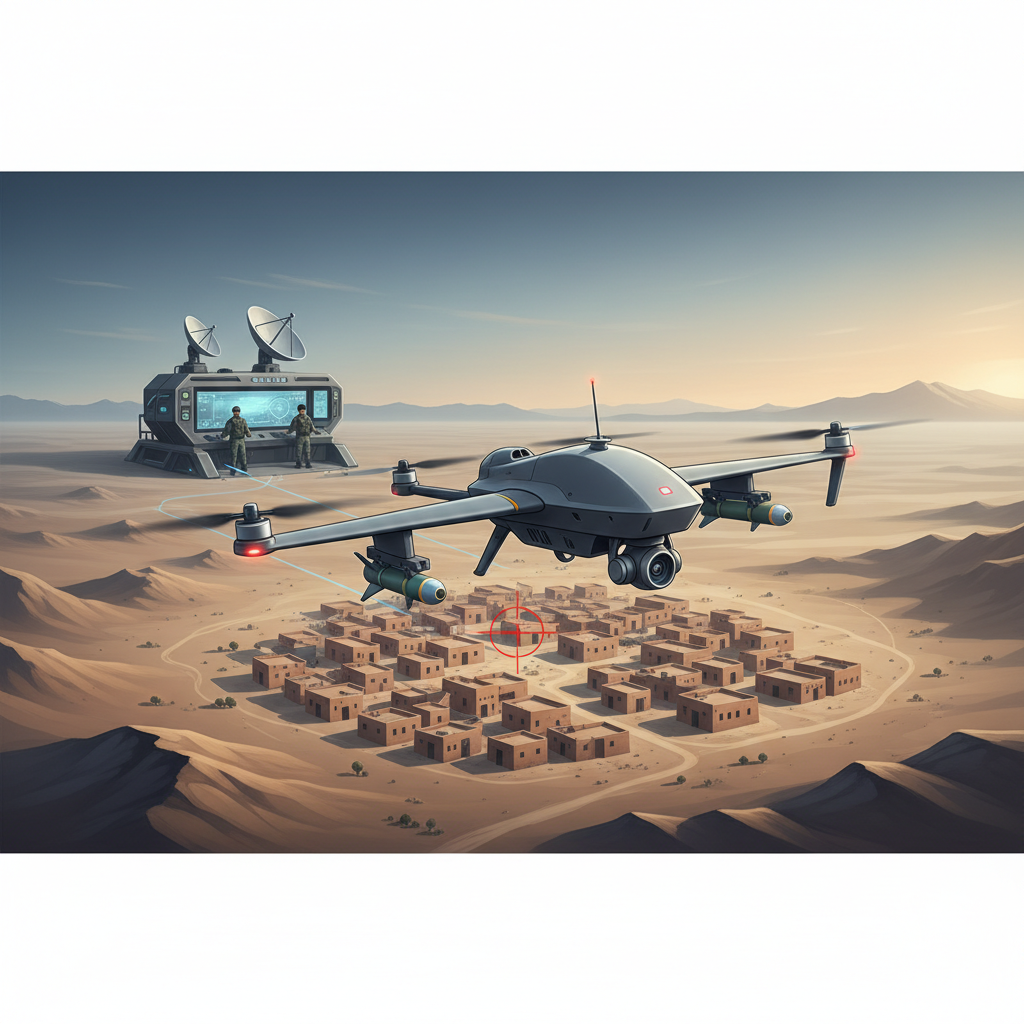
Drone strikes are executed using remotely piloted aircraft, commonly known as drones. These UAVs can be equipped with various payloads, including missiles, bombs, and surveillance equipment, allowing for a versatile approach to military operations. They are often employed in military campaigns against terrorist organizations, providing an effective means of engaging high-value targets without deploying ground troops. The precision offered by drone strikes enables military forces to minimize collateral damage while achieving tactical objectives. However, the very nature of these strikes raises questions about accountability and the rules of engagement in modern warfare.
Historical Context of Drone Strikes
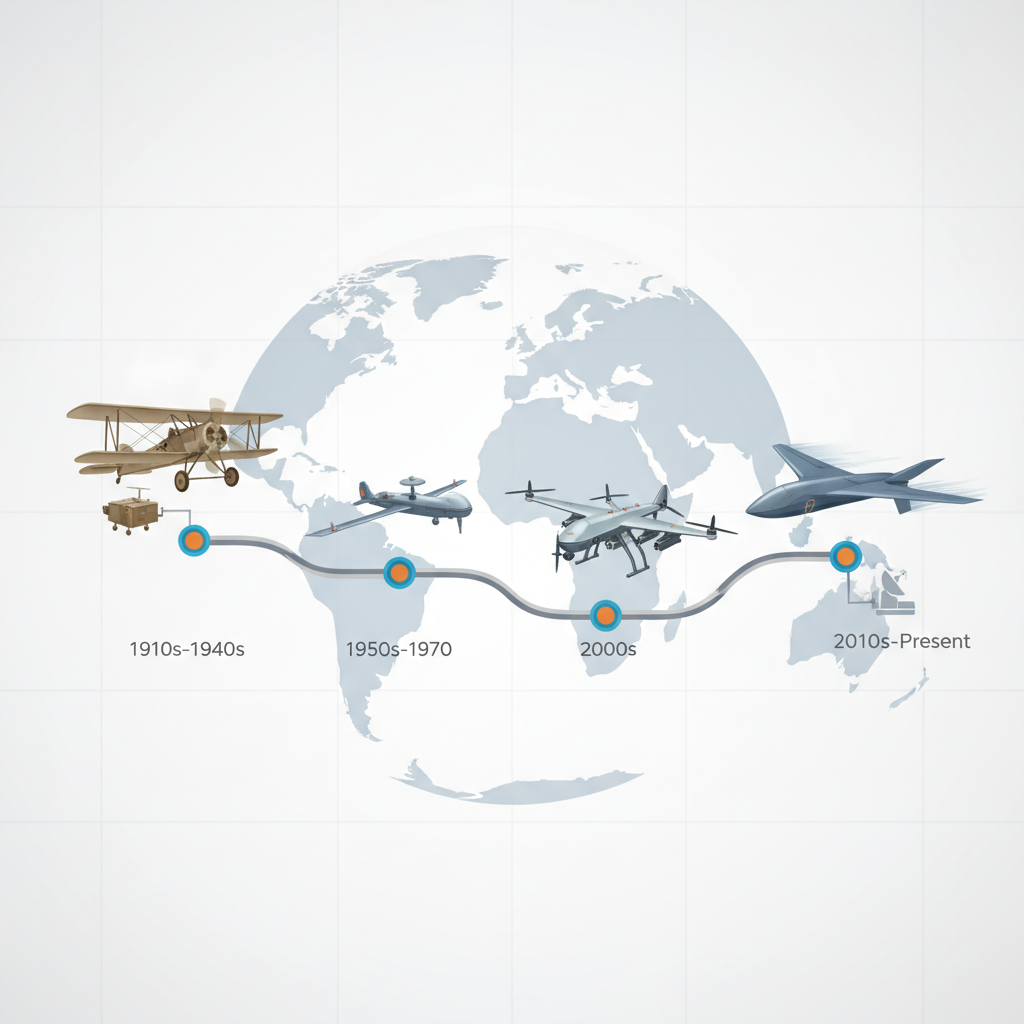
The first notable use of drone strikes by the United States occurred in the early 2000s, particularly during the War on Terror following the September 11 attacks. The CIA initiated targeted strikes in regions such as Afghanistan and later expanded operations into countries like Pakistan, Yemen, and Somalia. Over the years, drone warfare has evolved significantly, with advancements in technology leading to increased capabilities and frequency of strikes. For instance, the introduction of more sophisticated surveillance systems and weaponry has allowed for enhanced target identification and engagement strategies. This evolution reflects the changing landscape of warfare, where traditional combat scenarios are increasingly replaced by asymmetric engagements against non-state actors.
How Drone Strikes Work
Drone strikes typically involve the use of missiles or bombs deployed from UAVs, which can be remotely piloted or operate autonomously. Before a strike occurs, extensive intelligence gathering is crucial for identifying targets. This intelligence may come from various sources, including human intelligence (HUMINT), signals intelligence (SIGINT), and imagery intelligence (IMINT). The process generally involves monitoring the target over time to confirm their identity, location, and activities, thereby ensuring that the strike is justified and aimed at legitimate threats. The precision of drone strikes, often referred to as “surgical strikes,” relies heavily on this intelligence to reduce the risk of civilian casualties and collateral damage.
Legal and Ethical Considerations
The legality of drone strikes is a complex issue that varies by international law and national regulations. Under international humanitarian law, the use of force is generally permissible in armed conflict, but it must adhere to principles such as distinction, proportionality, and necessity. However, the application of these principles to drone strikes is often contested, particularly when strikes occur in countries where the United States is not officially at war. Ethical debates surrounding drone strikes focus heavily on civilian casualties, which can occur even with precise targeting. Critics argue that the remote nature of drone warfare desensitizes military personnel to the human cost of conflict, raising moral questions about the implications of remote killing and the dehumanization of warfare.
The Impact of Drone Strikes on Warfare
Drone strikes have fundamentally altered traditional combat dynamics by allowing for more precise targeting without the need for large troop deployments. This capability can lead to reduced troop casualties for the attacking nation, which is often seen as a significant advantage in military strategy. However, the use of drone strikes also raises concerns about the normalization of warfare conducted from afar, potentially leading to an increase in military engagements without the political costs typically associated with conventional warfare. The reliance on drone strikes could also prompt adversaries to develop countermeasures or asymmetric tactics to mitigate their effectiveness, further changing the landscape of modern conflict.
Public Perception and Controversies
Public opinion on drone strikes is divided, often influenced by media coverage and individual perspectives on warfare and national security. Some view drone strikes as a necessary tool in combating global terrorism, while others criticize them for their potential to cause indiscriminate harm to civilians and for the lack of transparency surrounding their use. Controversies arise over issues of accountability, particularly when strikes result in civilian casualties, leading to calls for greater oversight and regulation. The moral implications of remote killing also contribute to ongoing debates about the future of military engagement and the ethical responsibilities of state actors in conducting warfare.
The Future of Drone Strikes
Advancements in technology may lead to an increased use of drones in military operations, as nations continue to invest in UAV capabilities for both combat and surveillance purposes. The integration of artificial intelligence and autonomous systems could further revolutionize drone warfare, potentially allowing for even more sophisticated targeting and operational strategies. However, ongoing discussions about regulation and oversight are essential for addressing the myriad concerns surrounding drone strikes. Policymakers and military leaders must navigate the balance between leveraging technological advancements for national security and upholding legal and ethical standards in warfare.
In conclusion, drone strikes represent a significant evolution in military tactics, raising complex issues surrounding legality, ethics, and public perception. As technology continues to advance in modern warfare, understanding the implications of drone strikes is vital for comprehending the future of military engagement and the associated responsibilities of governments in conducting warfare. Moving forward, it is imperative to engage in thoughtful discussions that address the challenges and opportunities presented by this innovative yet controversial military strategy.
Frequently Asked Questions
What is a drone strike and how does it work?
A drone strike is a military operation in which unmanned aerial vehicles (UAVs), commonly known as drones, are used to target and kill specific individuals or groups, often associated with terrorist activities. These strikes typically involve the use of precision-guided munitions, allowing for targeted attacks with minimal collateral damage. Drones are remotely operated and equipped with surveillance technology to identify targets, making them a strategic choice for modern warfare.
Why are drone strikes controversial?
Drone strikes are controversial due to ethical concerns regarding civilian casualties, the legality of extrajudicial killings, and the potential for increased anti-American sentiment. Critics argue that the lack of transparency and accountability in drone operations can lead to unintended deaths and violations of international law. Additionally, the psychological impact on affected communities raises significant moral questions about the use of drones in combat.
How do drone strikes impact global security?
Drone strikes can have a complex impact on global security, as they may disrupt terrorist networks and prevent imminent threats. However, they can also foster resentment and radicalization among local populations, potentially leading to future conflicts. The effectiveness of drone strikes in enhancing long-term security is debated, with some experts suggesting that they may not address the root causes of terrorism.
What are the legal implications of drone strikes?
The legal implications of drone strikes are multifaceted, often involving international law, human rights law, and the laws of armed conflict. Proponents argue that drone strikes are lawful under the right to self-defense, while critics contend that they violate sovereignty and fail to adhere to principles of proportionality and necessity. The legality of specific drone operations can be contentious, particularly when civilian casualties occur.
Which countries utilize drone strikes and for what purposes?
Several countries, including the United States, Israel, Russia, and the United Kingdom, utilize drone strikes for various purposes, including counterterrorism, surveillance, and military interventions. The U.S. primarily employs drone strikes in regions like the Middle East and North Africa to target terrorist organizations such as Al-Qaeda and ISIS. Other nations may use drones for reconnaissance or to assert military power in contested areas, reflecting a growing trend in modern warfare.
References
- https://en.wikipedia.org/wiki/Drone_strike
- https://www.bbc.com/news/world-us-canada-30905770
- https://www.theguardian.com/world/2018/aug/21/us-drone-strikes-what-you-need-to-know
- https://www.reuters.com/article/us-usa-drone-strikes-explainer-idUSKBN2B91C5
- https://www.c-span.org/video/?450609-1/drone-strikes-legal-issues
- https://www.lawfareblog.com/what-drone-strike
- https://www.rand.org/research/topics/drone-strikes.html
- https://www.hrw.org/report/2013/10/22/losing-sight-drone-strikes-american-exceptionalism-and-its-implications
