
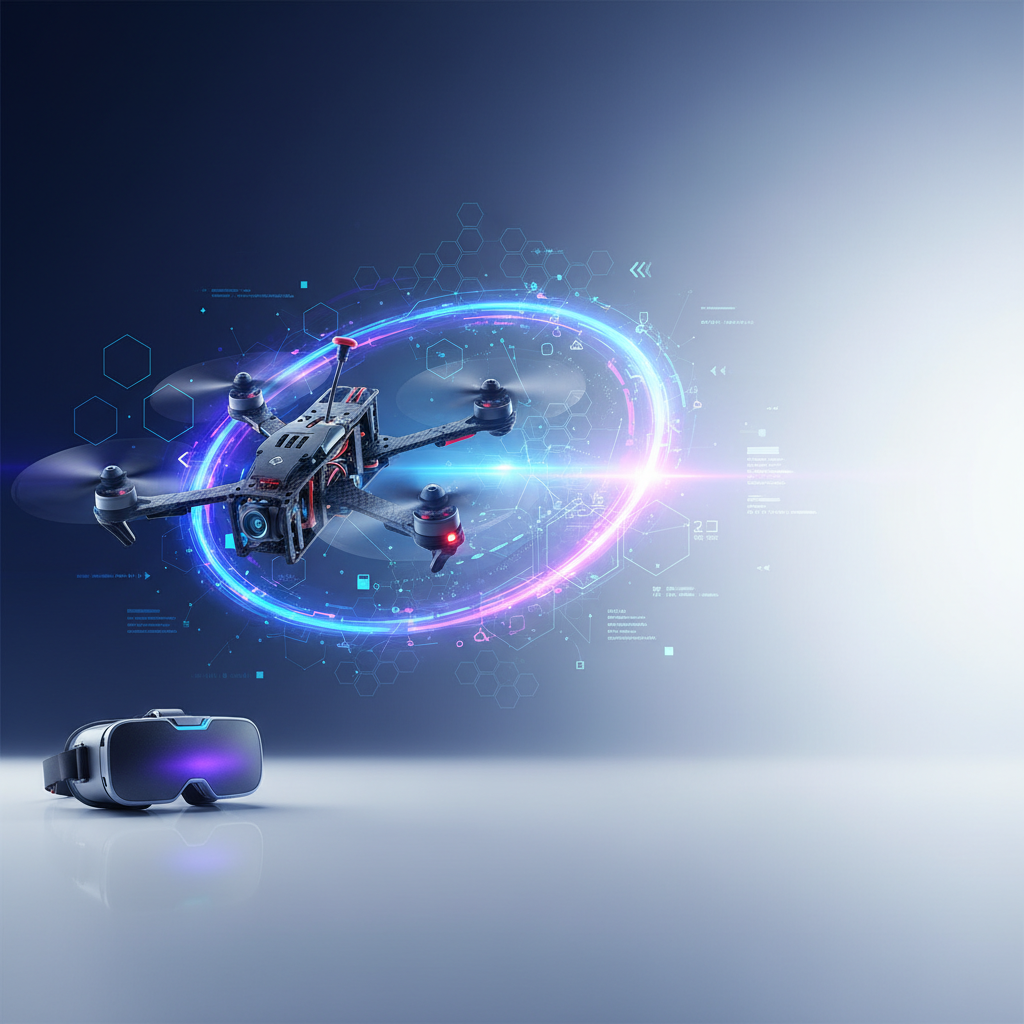
An FPV drone, or First-Person View drone, enables users to experience flight from the drone’s perspective through a camera feed, offering an exhilarating and immersive flying experience. This innovative technology has significantly impacted both recreational and professional drone piloting, allowing users to navigate environments in a way that was previously unimaginable. The combination of real-time video transmission and advanced control systems has made FPV drones increasingly popular among enthusiasts and professionals alike.
Understanding FPV Drone Technology
FPV drones are equipped with a camera mounted at the front, which captures real-time video footage and transmits it to the pilot’s viewing device, typically through a set of goggles or a monitor. This technology is powered by a wireless transmission system, which sends visual data to the pilot with minimal latency, ensuring a smooth and responsive flying experience. The immersive nature of FPV flying creates the sensation of being inside the drone, allowing pilots to navigate through complex environments with a level of precision that traditional line-of-sight flying does not afford.
The video feed is often enhanced by features such as telemetry data, which provides information about the drone’s altitude, speed, and battery life directly to the pilot. This integration of technology not only elevates the flying experience but also increases situational awareness, enabling pilots to make informed decisions while in flight. With advancements in camera technology, many FPV drones now come equipped with high-definition cameras capable of capturing stunning visuals, making them suitable for a wide range of applications beyond mere recreation.
Types of FPV Drones

The market for FPV drones is diverse, catering to various interests and skill levels. Understanding the different types can help potential buyers choose the right drone for their specific needs.
– Racing Drones: These drones are specifically engineered for speed and agility, making them ideal for competitive racing. They are typically lightweight and feature powerful motors, allowing for rapid acceleration and quick maneuvers. Racing drones often come with customizable settings for advanced pilots who wish to tweak their performance for optimal results in competitions.
– Freestyle Drones: Designed to perform acrobatic maneuvers and tricks, freestyle drones are favored by pilots who enjoy showcasing their skills through intricate aerial performances. These drones typically feature enhanced control systems that allow for smooth transitions and complex movements, enabling pilots to execute impressive stunts.
– Camera Drones: Equipped with high-quality cameras, these drones are geared towards aerial photography and videography. They often come with stabilization features to ensure smooth footage, making them invaluable tools for filmmakers, photographers, and content creators. Many modern camera drones also support FPV functionality, merging the exhilarating experience of first-person flight with high-quality imagery.
Key Components of an FPV Drone

An FPV drone comprises several key components, each playing a crucial role in its operation and performance:
– Camera: The camera is the heart of the FPV experience, capturing real-time footage that allows the pilot to navigate effectively. Many FPV cameras offer features like adjustable field of view (FOV) and high-definition video quality, enhancing the overall experience.
– Transmitter and Receiver: These components are responsible for sending and receiving video signals between the drone and the pilot’s viewing device. High-quality transmitters are essential for minimizing latency and ensuring a clear video feed, which is critical for maintaining control and situational awareness during flight.
– Flight Controller: The flight controller is the brain of the drone, managing its stability and responsiveness. It processes input from the pilot and translates it into movements, ensuring that the drone behaves predictably and responsively. Advanced flight controllers may include features like GPS stabilization and autonomous flight modes, making them suitable for both beginner and advanced pilots.
Benefits of Using FPV Drones
The advantages of using FPV drones extend far beyond just the thrill of flying:
– Immersive Experience: The foremost benefit of FPV drones is the immersive experience they provide. Pilots can experience flight as if they were inside the drone, which not only makes flying more enjoyable but also enhances their ability to navigate through intricate environments.
– Enhanced Control: FPV flying significantly improves a pilot’s situational awareness, as they can see obstacles and navigate through tight spaces more effectively than traditional flying methods allow. This heightened level of control is particularly beneficial in applications such as racing and aerial photography.
– Versatility: FPV drones are highly versatile, suitable for various applications ranging from high-speed racing to capturing breathtaking aerial footage. This adaptability makes them appealing to a broad audience, including hobbyists, filmmakers, and even search and rescue operations.
Legal Considerations for FPV Drone Pilots
As the popularity of FPV drones continues to grow, so too does the need for understanding and adhering to local and national regulations:
– Registration: In many countries, FPV drones must be registered with aviation authorities before they can be flown legally. This requirement often applies to drones above a certain weight or those equipped with advanced features. Registration helps ensure accountability and safety within the drone community.
– Flight Regulations: Pilots must familiarize themselves with local laws governing drone flights, including restrictions on flying in certain areas such as near airports, government buildings, or populated regions. Many jurisdictions also impose altitude limits and mandate adherence to visual line-of-sight flying, even for FPV operations.
Understanding these legal considerations is crucial for responsible drone operation. Pilots should conduct thorough research and stay updated on regulations, as non-compliance could result in fines or other legal repercussions.
Getting Started with FPV Drones
For those interested in entering the world of FPV drones, there are several steps to consider to ensure a smooth start:
– Choose the Right Drone: The first step is to determine what type of FPV drone best suits your needs, budget, and skill level. Beginners may prefer ready-to-fly models that come pre-assembled, while more experienced pilots might opt for customizable kits that allow for personal modifications.
– Learn the Basics: Familiarizing yourself with drone controls, flight dynamics, and safety practices is essential. Many online resources, tutorials, and forums can help new pilots learn the ropes and prepare for safe flying.
– Practice: Building confidence through practice is key to mastering FPV flying. New pilots should consider starting with simulators, which provide a risk-free environment to hone their skills. Additionally, beginner-friendly drones can offer a gentle introduction to the hobby without the fear of damaging expensive equipment.
In summary, FPV drones present an exciting gateway into the world of drone piloting, offering unique perspectives and experiences that appeal to a wide audience. By understanding the technology, types, components, benefits, legal considerations, and how to get started, aspiring pilots can make informed decisions and embark on a rewarding journey. Whether for racing, photography, or simply the joy of flight, FPV drones open up a new realm of possibilities waiting to be explored.
Frequently Asked Questions
What is an FPV drone and how does it work?
An FPV drone, or First-Person View drone, is a type of unmanned aerial vehicle that allows the pilot to fly from the drone’s perspective using a camera and video transmission system. The drone is equipped with a camera that streams real-time video to goggles or a monitor, enabling an immersive flying experience. This technology is popular among hobbyists and professional drone racers, providing an engaging way to navigate through the air with a first-person perspective.
How do I choose the best FPV drone for beginners?
When selecting the best FPV drone for beginners, consider ease of use, durability, and features. Look for models with built-in safety features such as altitude hold, GPS return-to-home, and stable flight modes that can help new pilots control the drone effectively. Additionally, drones with a ready-to-fly (RTF) setup are ideal for beginners, as they come pre-assembled and include everything needed to start flying, including the transmitter and battery.
Why is FPV drone racing becoming so popular?
FPV drone racing is gaining popularity due to its thrilling combination of speed, skill, and technology. Pilots compete in fast-paced races through obstacle courses while experiencing the excitement of flying in real-time via goggles. The community aspect, with events and competitions attracting enthusiasts, along with advancements in drone technology making it more accessible, has turned FPV racing into a captivating sport for many.
Which FPV drone accessories are essential for optimal performance?
Essential accessories for FPV drones include high-quality goggles for an immersive flying experience, spare batteries for extended flight time, and a reliable charger to keep those batteries ready. Additionally, a good set of propellers can enhance performance, while a carrying case or backpack is useful for protecting your drone and equipment during transport. These accessories contribute to both safety and improved flight experiences.
What are the legal requirements for flying an FPV drone?
Legal requirements for flying an FPV drone vary by country but generally include registering your drone with aviation authorities, adhering to specific altitude limits, and maintaining visual line-of-sight when flying. In many regions, FPV pilots are also required to have a spotter who can maintain visual contact with the drone to ensure safety. Always check local regulations to stay compliant and avoid penalties while enjoying your FPV flying experience.
References
- https://en.wikipedia.org/wiki/FPV_drone
- https://www.faa.gov/uas/getting_started/registration
- https://www.nasa.gov/feature/nasa-research-explores-the-future-of-drones
- https://www.ustream.tv/channel/fpv-drone-racing
- https://www.wired.com/story/what-is-an-fpv-drone/
- https://www.ncbi.nlm.nih.gov/pmc/articles/PMC7214445/
- https://www.nist.gov/news-events/news/2017/12/public-safety-drones-what-you-need-know
- https://www.dronecode.org/
- https://www.cnet.com/news/what-is-fpv-drone-racing/
