
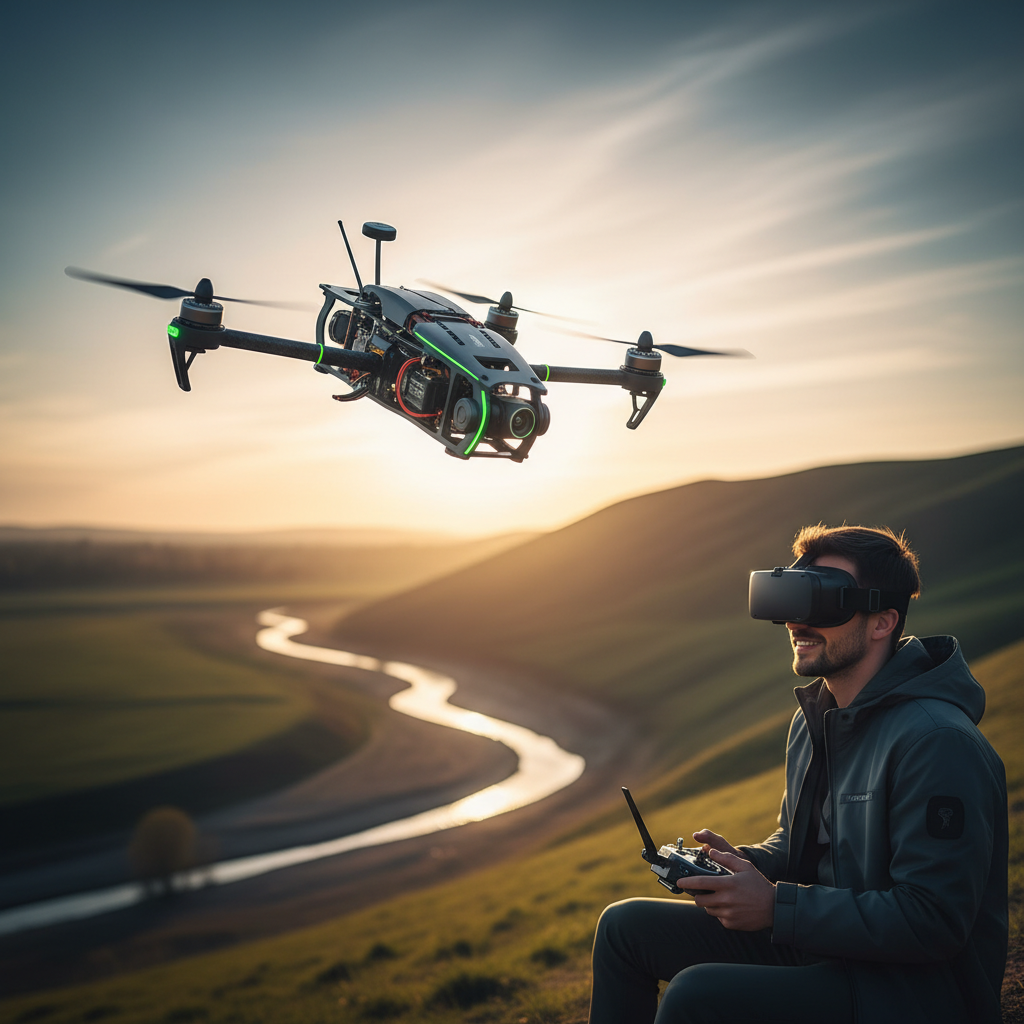
FPV drones, or First-Person View drones, are unmanned aerial vehicles equipped with cameras that transmit live video feeds to the pilot, allowing them to experience flight from the drone’s perspective. This immersive technology has revolutionized both recreational flying and professional applications, providing users with a unique vantage point that traditional drones cannot offer. In this article, we will explore the essential components of FPV drones, their diverse applications, and how to get started in this exciting hobby.
Understanding FPV Drone Technology
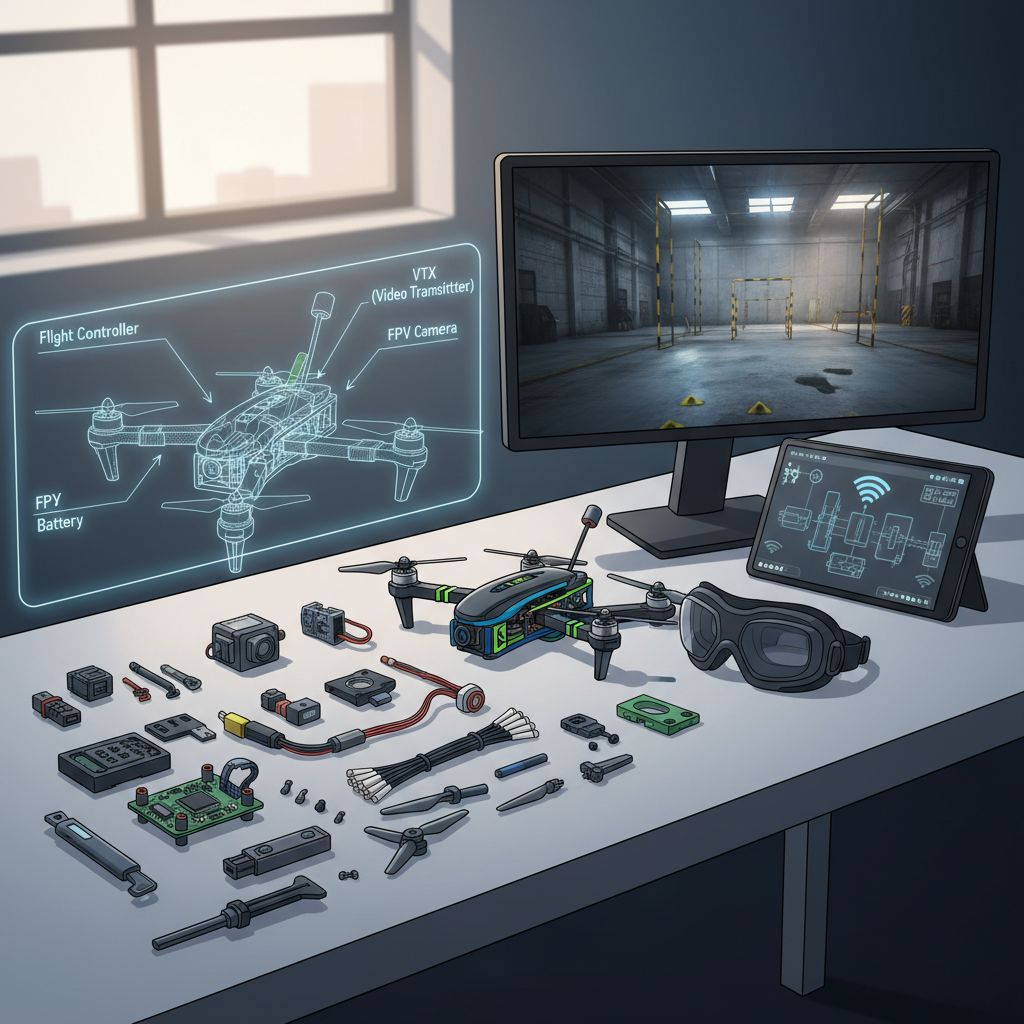
FPV drones leverage advanced technology to deliver a remarkable flying experience. Central to this experience is a camera mounted on the drone, which captures high-definition video footage. This footage is transmitted in real-time via a video transmitter, providing the pilot with live visuals as if they were sitting in the drone. The pilot typically wears specialized FPV goggles or utilizes a monitor to view this feed, creating an immersive sensation that is akin to being in the cockpit of an aircraft. The technology behind FPV drones employs low-latency video transmission, which is crucial for maintaining control and situational awareness during flight. This capability has made FPV drones popular not just for leisure, but also for competitive racing and professional filming.
Key Components of FPV Drones
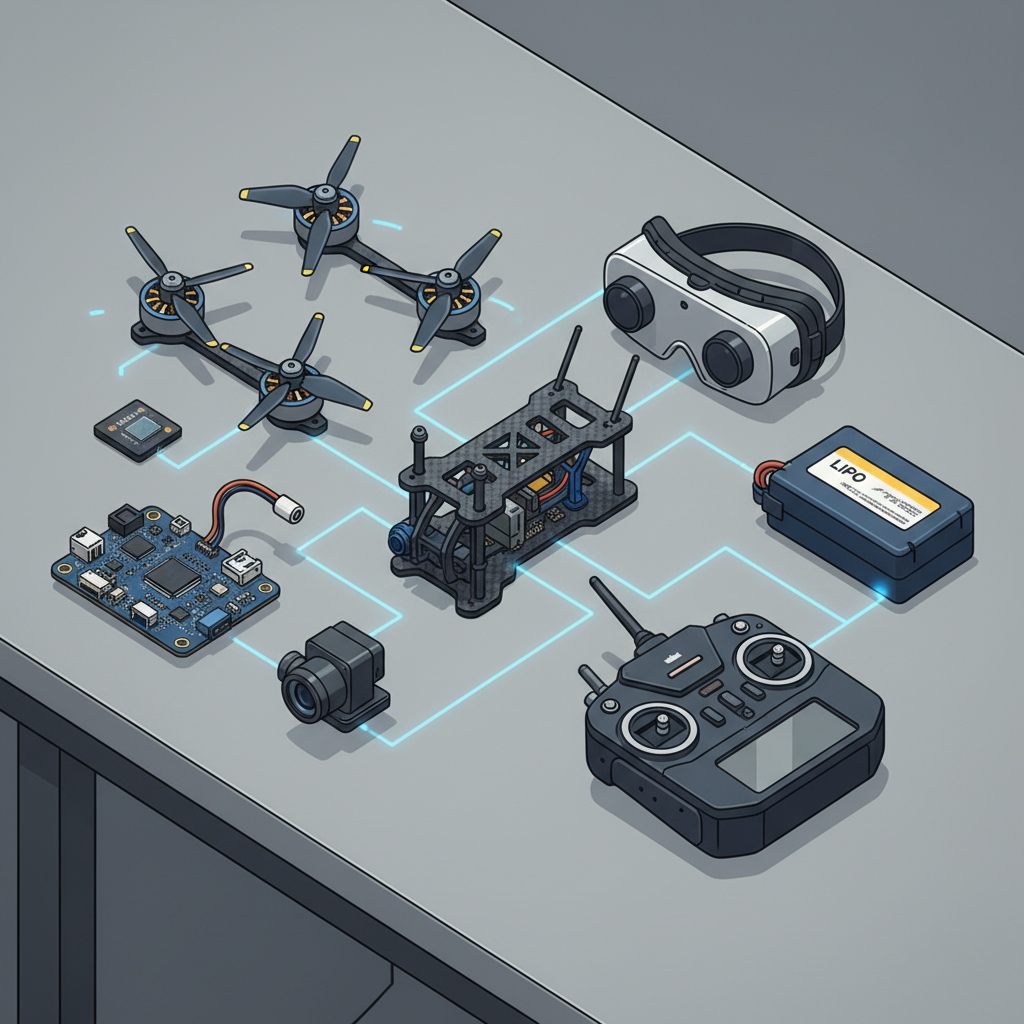
To understand FPV drones better, it is essential to familiarize yourself with their primary components:
– Camera: The heart of any FPV drone, the camera captures high-definition footage that is vital for the pilot’s view and recording purposes. Many FPV drones come equipped with cameras that can deliver 4K resolution, providing stunning imagery for both recreational and professional use.
– Transmitter: This device is responsible for sending the video signals captured by the camera back to the pilot’s goggles or monitor. High-quality transmitters can operate on various frequencies, allowing for extended ranges and clearer signals, thus enhancing the overall flying experience.
– Receiver: The receiver is located within the pilot’s goggles or monitor and is crucial for receiving the video feed. Ensuring minimal latency between transmission and reception is vital, as delays can impact the pilot’s control and responsiveness during flight.
– Flight Controller: This is the brain of the drone, managing inputs from the pilot and translating them into real-time adjustments to the drone’s motors and controls, allowing for smooth maneuvers.
– Battery: FPV drones typically use lithium-polymer (LiPo) batteries, which provide the necessary power for extended flight times. Understanding battery specifications is crucial for optimizing flight performance.
Types of FPV Drones
FPV drones come in various shapes and sizes, tailored for different flying styles and applications:
– Racing Drones: Built for speed and agility, racing drones are lightweight and designed for competitive racing. They feature streamlined frames and powerful motors that allow for rapid acceleration and sharp turns. Events like the Drone Racing League showcase the extreme capabilities of these drones, pushing pilots to their limits.
– Freestyle Drones: These drones are designed for stunts, tricks, and agile maneuvers. They provide pilots with the flexibility to perform flips, rolls, and other aerial acrobatics. The focus here is on maneuverability and responsiveness, making them popular among hobbyists who seek creative expression through flight.
– Cinematic Drones: Equipped with high-quality cameras, cinematic drones are used for professional filmmaking and photography. They often come with stabilization technology, allowing for smooth and cinematic footage. These drones are typically heavier and designed to carry advanced camera systems for capturing dynamic aerial shots and breathtaking visuals.
Applications of FPV Drones
FPV drones serve a multitude of purposes, appealing to both recreational users and professionals alike:
– Recreational Flying: Many hobbyists are drawn to FPV flying for the thrill and adventure it offers. Pilots often take to parks, open fields, and scenic landscapes to explore the skies, enjoying the unique perspective that FPV technology provides.
– Racing: FPV drone racing has emerged as a thrilling sport, with dedicated leagues and competitions held worldwide. These events challenge pilots’ skills and technological capabilities, often featuring intricate courses that require precision flying and quick reflexes.
– Filmmaking: The entertainment industry has adopted FPV drones for their ability to capture dynamic aerial shots that traditional filming methods cannot replicate. From breathtaking nature documentaries to action-packed films, FPV drones enable filmmakers to explore new creative avenues and present captivating visuals.
Getting Started with FPV Drones
For those interested in entering the world of FPV drones, here are some essential steps to consider:
– Choose the Right Type: Determine your primary interest—whether it’s racing, freestyle flying, or creating cinematic content. This decision will guide your selection of drone types and models.
– Learn the Basics: Familiarize yourself with drone controls, safety regulations, and the operational aspects of FPV flying. Understanding the fundamental principles of flight will significantly enhance your piloting skills.
– Practice: Before taking to the skies with an advanced FPV drone, consider using simulator software or beginner-friendly drones. Simulators allow you to practice without the risk of damaging expensive equipment, while entry-level drones can help you gain confidence in real-world flying.
– Join a Community: Connecting with other FPV enthusiasts can provide valuable insights, support, and opportunities to learn. Online forums, local clubs, and social media groups can be excellent resources for new pilots.
Safety and Regulations
Safety is paramount in drone flying, and adherence to regulations is essential for responsible operation:
– Understand Local Laws: Be aware of the regulations governing drone use in your area, including restrictions on flying near airports, populated areas, and other sensitive locations. Compliance with these laws is crucial for both safety and legal operation.
– Maintain Line of Sight: Always keep your drone within visual line of sight during flight to prevent accidents and ensure safety for yourself and others. This practice is often mandated by law and is essential for maintaining control.
– Follow Safety Guidelines: Adhere to best practices, such as conducting pre-flight checks, ensuring your equipment is in good working condition, and being respectful of privacy concerns. Following these guidelines will help prevent accidents and promote safe flying experiences.
In conclusion, FPV drones offer an exhilarating and immersive flying experience that merges cutting-edge technology with the thrill of exploration. Whether you are interested in racing, freestyle flying, or aerial photography, understanding the intricacies of FPV drones can significantly enhance your engagement in this fascinating hobby. As you navigate the world of FPV flying, embracing the learning process and prioritizing safety will pave the way for rewarding experiences in the skies. Explore the potential of FPV drones, and consider diving deeper into this exciting realm of aerial adventure.
Frequently Asked Questions
What is an FPV drone and how does it differ from a regular drone?
An FPV (First Person View) drone is a type of unmanned aerial vehicle that allows the pilot to fly from a first-person perspective using a camera mounted on the drone. Unlike regular drones, which are typically flown using a standard remote controller and visual line of sight, FPV drones provide an immersive flying experience through live video feeds transmitted to goggles or screens. This unique feature makes FPV drones popular for racing, aerial photography, and cinematic capture.
How do I choose the best FPV drone for beginners?
When selecting the best FPV drone for beginners, consider factors such as ease of use, durability, and price. Look for models that come with integrated cameras, reliable flight times, and beginner-friendly features like altitude hold and headless mode. It’s also beneficial to select a drone that comes with a comprehensive user manual or tutorials, as this will help you understand the controls and flying techniques necessary for a smooth start.
Why is FPV drone flying becoming increasingly popular?
FPV drone flying has surged in popularity due to its thrilling, immersive experience that offers pilots a unique way to explore the skies. The advent of affordable technology, such as high-definition cameras and advanced transmission systems, has made FPV drones accessible to hobbyists and professionals alike. Moreover, the growth of FPV racing events and creative filmmaking options has further fueled interest in this exciting hobby.
What are the legal requirements for flying FPV drones in my area?
Legal requirements for flying FPV drones vary by country and region, but generally, pilots must adhere to regulations set by aviation authorities, such as the FAA in the United States. Common regulations include registering your drone, maintaining visual line of sight (or using a visual observer), and adhering to height restrictions. Always check local laws and guidelines to ensure compliance and avoid fines, as regulations are often updated to accommodate the growing popularity of FPV flying.
Which accessories are essential for enhancing my FPV drone experience?
To maximize your FPV drone experience, consider investing in essential accessories such as FPV goggles for an immersive flying experience, extra batteries for extended flight time, and a quality charger to keep your batteries ready. Additionally, a set of propellers and a carrying case for easy transport can enhance your setup. Upgrading your drone with better antennas can also improve signal strength, allowing for a more reliable flying experience.
References
- https://en.wikipedia.org/wiki/FPV_drone
- https://www.faa.gov/uas/getting_started/part_107/
- https://www.npr.org/2021/04/29/991203781/the-fascinating-world-of-fpv-drones
- https://www.sciencedirect.com/science/article/pii/S2351978921001815
- https://www.theguardian.com/technology/2021/nov/29/drones-fpv-racing-technology
- https://www.dronepilotgroundschool.com/fpv-drones/
- https://www.faa.gov/uas/
- https://www.dji.com/education/fpv-drones
