

FPV drones, or first-person view drones, are unmanned aerial vehicles that allow users to experience flight from the pilot’s perspective through a camera feed transmitted in real-time. These drones have gained immense popularity not only for recreational use but also in competitive racing, offering an immersive flying experience that appeals to both hobbyists and professionals alike. With the ability to see what the drone sees, pilots can navigate through complex environments with precision, making FPV drones a captivating innovation in the world of aerial technology.
What Makes FPV Drones Unique?
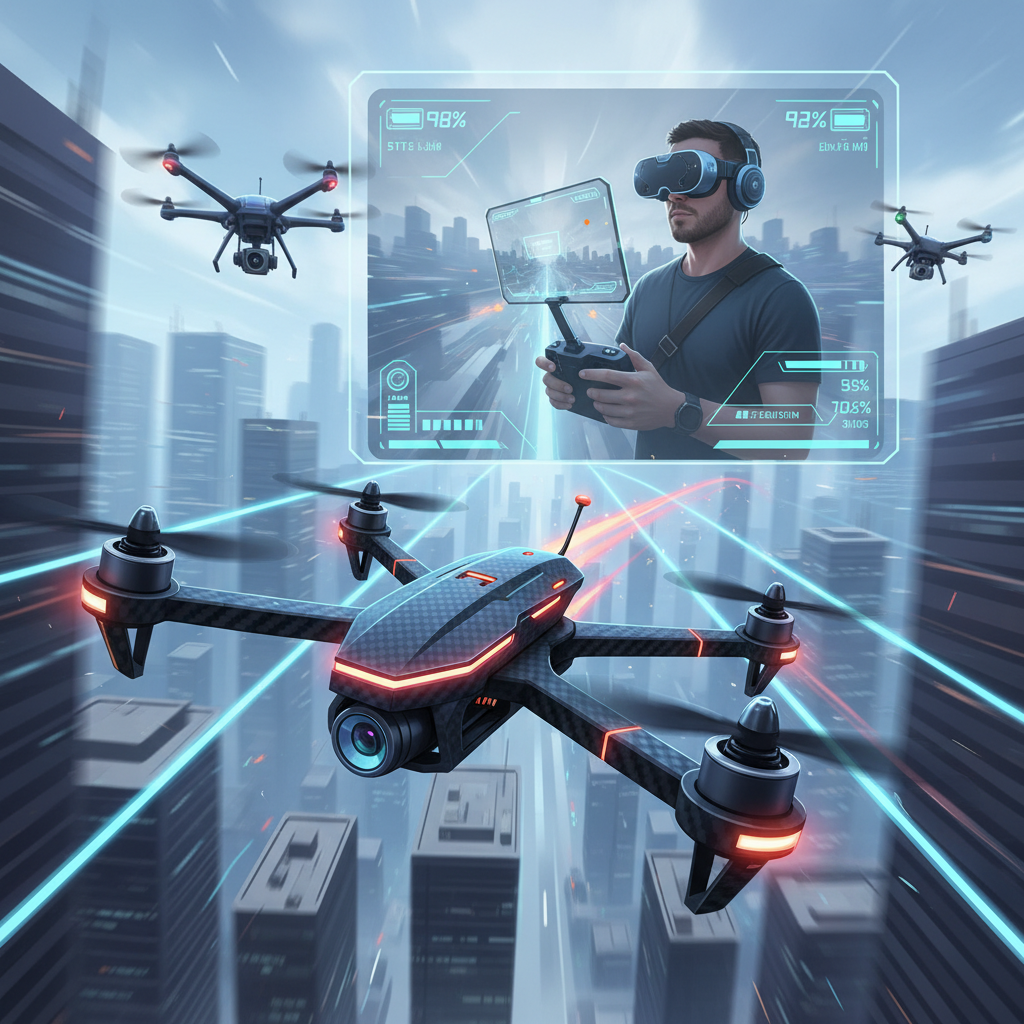
FPV drones stand out primarily because they provide a live video feed to the pilot, significantly enhancing the overall flying experience. Unlike traditional drones, where the pilot relies on a smartphone or tablet screen for navigation, FPV systems offer a direct view from the drone’s camera, immersing the pilot in the flight experience. This unique perspective is crucial for tasks that require high levels of spatial awareness, such as racing or cinematic filming.
Additionally, many FPV drones are equipped with high-definition cameras that not only deliver superior video quality but also improve the pilot’s ability to make real-time decisions during flight. The combination of low latency and high-definition video feed allows for intricate maneuvers and a more engaging flight experience, making FPV drones an appealing choice for both entertainment and professional applications.
Types of FPV Drones
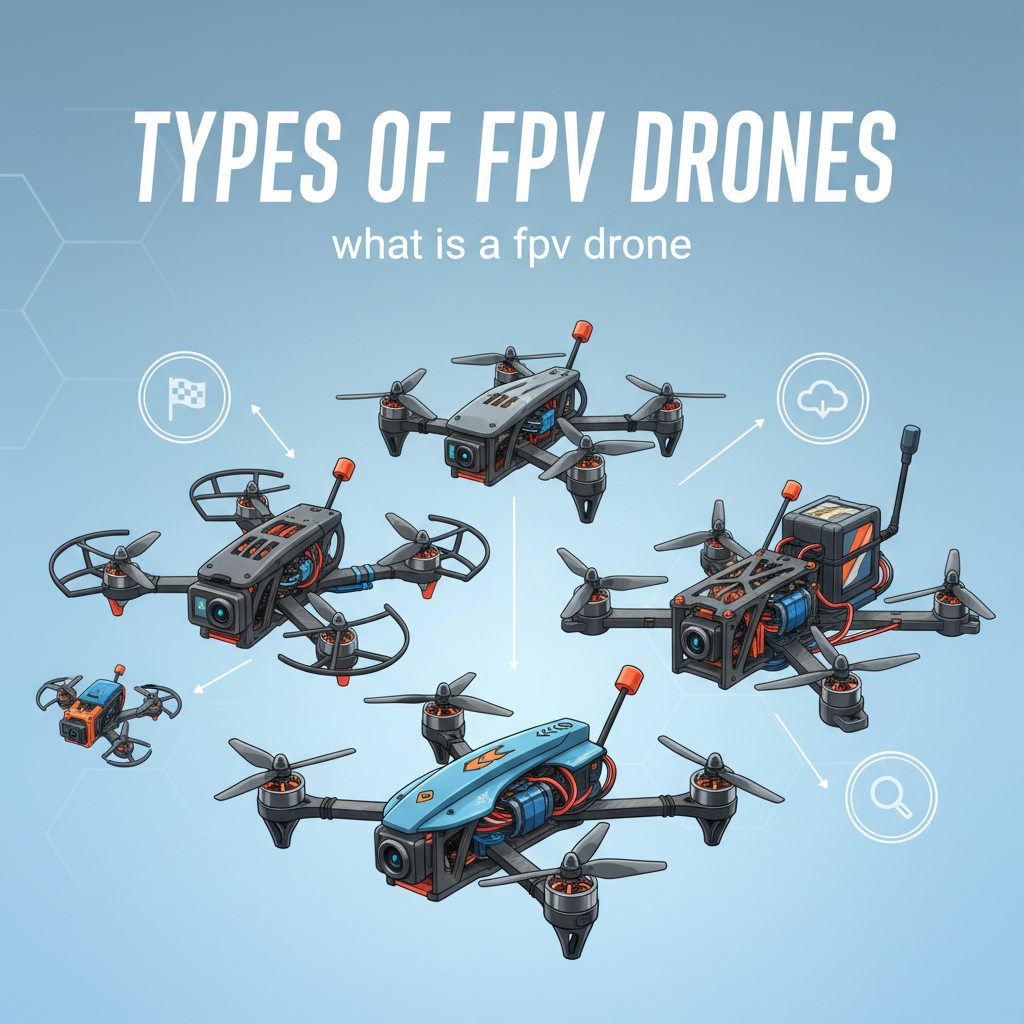
– Racing Drones: Specifically designed for speed and agility, racing drones are built to compete in high-octane environments. These drones typically feature lightweight frames, powerful brushless motors, and advanced electronic speed controllers (ESCs) that allow for rapid acceleration and sharp turns. Racing events often take place in obstacle-laden courses, where pilots navigate through gates and around barriers at thrilling speeds. Some popular racing drone models include the EMAX Hawk Sport and the BetaFPV X-Knight.
– Freestyle Drones: Built for acrobatics and tricks, freestyle drones allow pilots to express their creativity through stunning aerial maneuvers. These drones are generally more robust, accommodating additional components like enhanced cameras and stabilization systems to capture smooth footage during complex flips and spins. Popular models for freestyle flying include the DJI FPV and the iFlight Nazgul series, which offer excellent performance and customization options for enthusiasts looking to showcase their skills.
Key Components of an FPV Drone
– Camera: The camera is a crucial component of an FPV drone, capturing video and images from the drone’s perspective. High-quality cameras, such as the RunCam and GoPro series, provide pilots with stunning visuals and the ability to record their flights for later review or sharing.
– Transmitter: The transmitter is responsible for sending the video feed to the pilot’s goggles or monitor. This real-time transmission is vital for maintaining control of the drone during flight, ensuring that the pilot can navigate effectively while experiencing the thrill of flight.
– Receiver: The receiver is integral to the drone’s operation, as it picks up signals from the pilot’s controller, allowing for precise maneuvering. Advanced receivers can offer longer ranges and improved signal stability, which is essential in competitive scenarios where every millisecond counts.
Essential Gear for FPV Flying
– FPV Goggles: FPV goggles provide a first-person view of the flight experience, allowing pilots to immerse themselves in the action. High-end models, such as the Fat Shark HDO2, offer high-resolution displays and customizable settings to enhance the flying experience. Some goggles even feature built-in receivers to simplify the setup process.
– Controller: The controller is the primary tool used to navigate and control the drone’s movements. Many pilots prefer using a specialized FPV controller, which offers customizable settings and precise control sticks for fine-tuning maneuvers. Popular options include the FrSky Taranis series and the Spektrum DX series, both known for their reliability and performance.
Legal Considerations for FPV Drone Pilots
Understanding local regulations and guidelines for drone flying is essential for FPV pilots. In many countries, including the United States, the Federal Aviation Administration (FAA) has established rules that govern the operation of drones, including those flown in FPV mode. Pilots are generally required to maintain a line-of-sight with their drones and to fly within designated airspace limits.
It’s also important for FPV pilots to adhere to safety practices, such as avoiding flying over populated areas and respecting privacy concerns. Familiarizing oneself with local laws not only promotes safe flying but also helps prevent legal complications that could arise from violations.
Popular Uses for FPV Drones
– Aerial Photography: FPV drones are increasingly being used for aerial photography, allowing photographers to capture stunning visuals from unique angles that traditional drones may not achieve. The immersive perspective provided by the FPV system enables artists to compose shots creatively, resulting in breathtaking landscapes, action shots, and event coverage.
– Racing Events: Engaging in competitive racing is a significant draw for many FPV drone enthusiasts. Events are often organized at local, national, and international levels, allowing pilots to showcase their skills and compete for prizes. The thrill of racing, combined with the camaraderie of fellow pilots, creates a vibrant community that continues to grow.
Getting Started with FPV Drones
For those interested in entering the world of FPV flying, selecting the right drone is crucial based on your skill level. Beginners may want to start with a ready-to-fly (RTF) model, such as the Tiny Whoop or the DJI FPV, which comes equipped with all necessary components. As skills improve, pilots can transition to customizable kits that allow for advanced building and tuning.
Additionally, various resources are available for learning how to fly and maintain FPV drones. Online tutorials, forums, and local clubs can provide valuable insights and support for new pilots. Many experienced pilots also recommend practicing in simulator software before taking to the skies, allowing beginners to hone their skills without the risk of damaging equipment.
In conclusion, FPV drones offer a thrilling way to experience flight and capture breathtaking visuals. With their unique perspective and versatile applications, they cater to a wide range of interests, from racing to photography. As technology continues to evolve, the possibilities for FPV drones will only expand, making now an excellent time to explore this exciting field. Whether you are a seasoned pilot or a curious beginner, consider diving into the world of FPV flying today!
Frequently Asked Questions
What is an FPV drone?
An FPV drone, or First Person View drone, is a type of unmanned aerial vehicle that allows the operator to fly from a pilot’s perspective through a camera mounted on the drone. This immersive experience is achieved via a video feed that transmits real-time visuals to goggles or a screen, enabling users to maneuver the drone as if they were sitting in the cockpit. FPV drones are popular for racing, aerial photography, and recreational flying, offering a unique way to experience flight.
How does FPV drone flying differ from traditional drone flying?
FPV drone flying differs significantly from traditional drone flying primarily in the user experience and control method. While standard drones are often flown using a smartphone or tablet interface that displays the drone’s camera view, FPV flying provides a more immersive experience through goggles or headsets. This enables pilots to navigate at high speeds and perform intricate maneuvers, making FPV drones ideal for racing and acrobatics, while traditional drones are typically more user-friendly for casual photography and videography.
Why are FPV drones popular for racing and aerial photography?
FPV drones are popular for racing due to their high-speed capabilities, agility, and the adrenaline rush of flying from a first-person perspective. The ability to see the drone’s view in real time allows pilots to navigate through complex racing courses with precision. For aerial photography, FPV drones offer unique angles and dynamic shots that traditional drones may not capture, providing creative opportunities for filmmakers and photographers to showcase their work from exciting new perspectives.
What are the best FPV drones for beginners?
The best FPV drones for beginners typically include models that are user-friendly, durable, and equipped with features like altitude hold and GPS stabilization. Popular options include the DJI FPV Combo for its integrated safety features and easy-to-use controls, and the Eachine Tinyhawk for its lightweight design and affordability. These drones help novices learn the basics of FPV flying without overwhelming them while also providing a fun and engaging flying experience.
Which features should I consider when choosing an FPV drone?
When choosing an FPV drone, consider features such as camera quality, flight time, durability, and ease of use. Look for drones with high-resolution cameras for better video quality, and those that offer longer flight times for extended flying sessions. Additionally, assess the drone’s build quality to ensure it can withstand crashes, and evaluate whether the controls and setup are beginner-friendly or suitable for your skill level, so you can have an enjoyable flying experience regardless of your experience.
References
- https://en.wikipedia.org/wiki/FPV_drone
- https://www.nasa.gov/feature/nasa-begins-fpv-drone-flight-tests
- https://www.faa.gov/uas/getting_started/fly_for_fun
- https://www.techopedia.com/definition/32596/fpv-drone-first-person-view-drone
- https://www.sciencedirect.com/science/article/pii/S2351978921000833
- https://www.drones.gov/
- https://www.nist.gov/news-events/news/2021/09/fpv-drones-nist-helping-revolutionize-express-delivery
