
Drones are versatile tools used across various industries for tasks such as aerial photography, surveying, agriculture, and delivery services. Their ability to reach otherwise inaccessible areas and gather data quickly makes them invaluable in modern operations. As technological advancements continue to enhance drone capabilities, their applications are becoming more sophisticated, leading to increased efficiency, cost savings, and improved safety across multiple sectors.
Aerial Photography and Videography
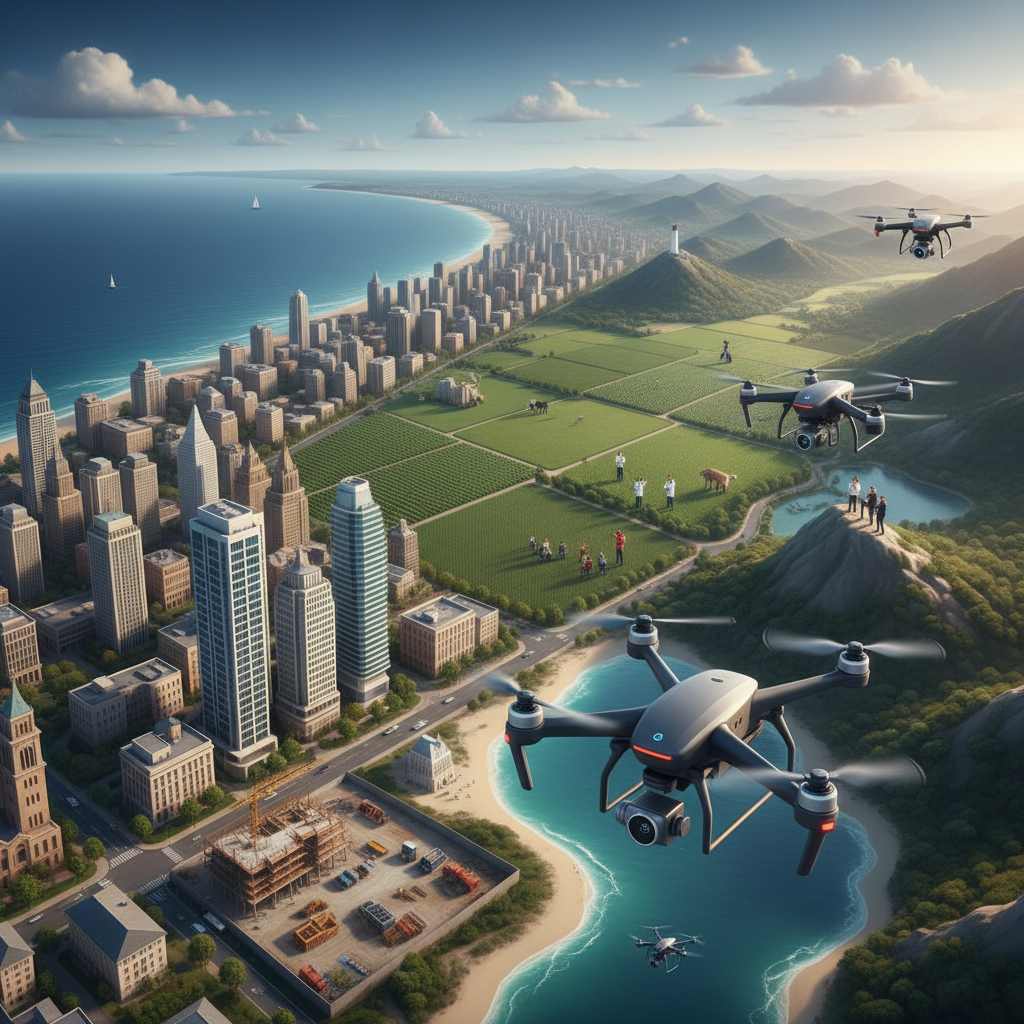
Drones have revolutionized the field of aerial photography and videography, offering an innovative way to capture stunning visuals for real estate, events, and nature. Equipped with high-resolution cameras and stabilization technology, drones provide unique perspectives that enhance storytelling and marketing efforts. For instance, real estate agents can use drone footage to showcase properties from angles that highlight their surroundings and features, making listings more attractive to potential buyers. Similarly, event planners can capture breathtaking aerial views of weddings or festivals, creating memorable videos that clients will cherish.
The use of drones in cinematography has also gained traction in film and television production, where aerial shots can dramatically elevate the visual storytelling. For example, major motion pictures often utilize drones to capture sweeping landscapes or complex action sequences without the need for expensive helicopter rentals. Overall, drones have become a vital tool for content creators looking to produce high-quality visual narratives that resonate with audiences.
Agriculture and Farming
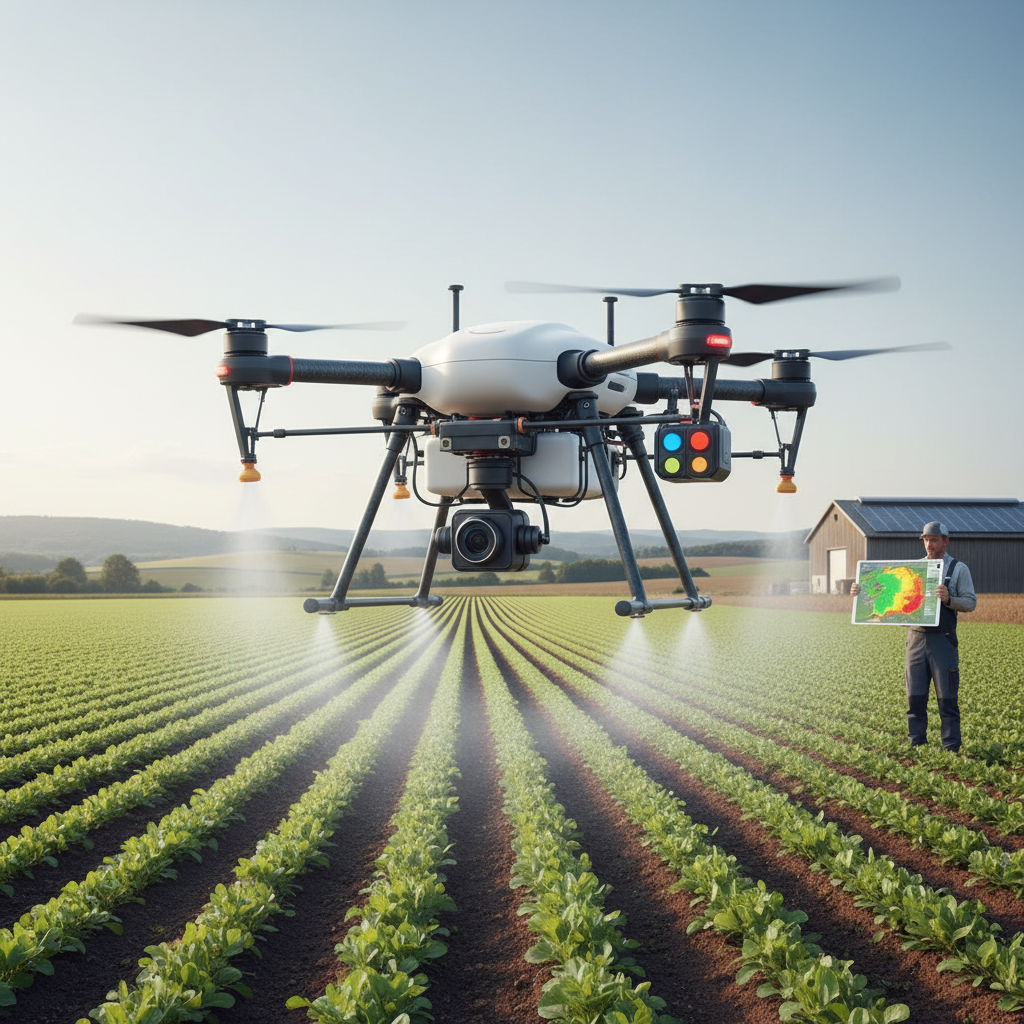
In the agricultural sector, drones are transforming the way farmers monitor crop health and growth patterns. Using multispectral imaging technology, drones can capture data that highlights variations in plant health, enabling farmers to make informed decisions about crop management. This capability allows for early detection of issues such as nutrient deficiencies, pests, or diseases, ultimately leading to increased yields and reduced resource waste.
Moreover, drones can optimize irrigation and pesticide application, improving efficiency and minimizing environmental impact. By utilizing precision agriculture techniques, farmers can target specific areas of their fields that require attention, ensuring that water and chemicals are applied only where needed. This not only conserves resources but also reduces the risk of over-application, which can lead to soil degradation and water contamination. As a result, the integration of drone technology into farming practices supports sustainable agriculture and enhances food security.
Surveying and Mapping
Drones have significantly improved the efficiency and accuracy of surveying and mapping processes. By creating detailed topographical maps and 3D models, drones provide valuable data for construction and land management projects. Their ability to cover large areas quickly allows surveyors to collect high-resolution imagery and measurements that would take much longer to obtain through traditional methods.
For example, in construction, drones can monitor site progress and generate real-time data that helps project managers make informed decisions. Additionally, land surveyors can use drone technology to create comprehensive maps that assist in planning and development, reducing the risk of errors and costly delays. The effectiveness of drones in surveying has led to their widespread adoption in industries ranging from urban planning to environmental conservation.
Delivery and Logistics
The logistics industry is experiencing a transformation due to the integration of drones into delivery systems. Drones facilitate rapid delivery of goods, particularly in urban environments where traffic congestion can hinder traditional delivery methods. Companies like Amazon and UPS are exploring drone delivery services to expedite the shipping process, ensuring that customers receive their packages more quickly and efficiently.
Furthermore, drone delivery has the potential to reduce the carbon footprint associated with traditional logistics. By flying directly to their destination, drones can help minimize traffic congestion and lower emissions compared to delivery trucks. This not only benefits the environment but also aligns with the growing consumer demand for sustainable practices. As the technology matures and regulatory frameworks adapt, drone delivery is poised to become a mainstream solution in the logistics sector.
Search and Rescue Operations
Drones have emerged as invaluable tools in search and rescue operations, assisting in locating missing persons and assessing disaster-stricken areas. Equipped with thermal imaging cameras, drones can detect heat signatures, making them particularly effective in locating individuals in challenging terrains or during night-time operations. This capability significantly reduces the time it takes for rescue teams to find and assist those in need.
In addition to locating individuals, drones can provide real-time aerial footage of disaster zones, allowing emergency responders to assess damage and make informed decisions. For example, during natural disasters such as hurricanes or earthquakes, drones can quickly survey affected areas, identifying hazards and focusing rescue efforts where they are most needed. This application not only enhances operational efficiency but also plays a critical role in saving lives.
Infrastructure Inspection
The inspection of infrastructure such as bridges, power lines, and pipelines is a critical task that ensures safety and maintenance. Drones have revolutionized this process by enabling efficient inspections that reduce the need for manual checks in hazardous locations. By using drones equipped with high-resolution cameras and sensors, inspectors can gather detailed imagery and data without risking personnel safety.
For instance, utility companies utilize drones to inspect power lines and wind turbines, identifying potential issues such as wear and tear or vegetation encroachment. This proactive approach helps prevent costly outages and enhances the reliability of essential services. Similarly, transportation authorities use drones to assess bridge conditions, allowing for timely maintenance and reducing the risk of structural failures. The adoption of drone technology in infrastructure inspection not only streamlines operations but also enhances public safety.
Environmental Monitoring
Drones are increasingly being used for environmental monitoring, providing critical data that helps track wildlife populations and habitat changes over time. By capturing high-resolution aerial images, researchers can assess the health of ecosystems and monitor the impact of human activities on wildlife. For example, drones are used in conservation efforts to study animal migration patterns and habitat usage, enabling better protection strategies.
In addition to wildlife monitoring, drones play a vital role in tracking natural disasters and environmental changes. They provide valuable data for research and response efforts, such as monitoring forest fires or assessing the aftermath of floods. This capability allows scientists and policymakers to make evidence-based decisions that support environmental sustainability and disaster preparedness. As the importance of environmental conservation grows, the use of drones in this field is expected to expand, offering innovative solutions to pressing ecological challenges.
Drones play a crucial role in various sectors, offering innovative solutions that enhance efficiency and safety. As technology continues to evolve, the potential applications for drone use will likely expand, making them an essential tool in the future. From improving agricultural practices to transforming logistics and enhancing emergency response, drones are proving to be invaluable assets across a wide range of industries. As we look ahead, the continued integration of drone technology promises to drive progress and innovation in numerous fields, ultimately benefiting society as a whole.
Frequently Asked Questions
What are the primary uses of drones in various industries?
Drones have become versatile tools across multiple industries, including agriculture, construction, film and photography, real estate, and emergency services. In agriculture, drones are utilized for crop monitoring and precision farming, while in construction, they assist in site surveying and project management. In film and photography, drones capture stunning aerial shots, and in emergency services, they are used for search and rescue operations as well as disaster response, showcasing their broad applicability.
How can drones improve agricultural efficiency?
Drones enhance agricultural efficiency through precision agriculture techniques, providing farmers with detailed aerial imagery and data on crop health, soil conditions, and irrigation needs. This data allows for targeted interventions, reducing resource waste and maximizing yields. Additionally, drones can automate tasks such as crop spraying and monitoring, saving time and labor costs, which ultimately leads to more sustainable farming practices.
Why are drones becoming essential for real estate marketing?
Drones have revolutionized real estate marketing by providing high-quality aerial photography and videography that showcase properties from unique angles. This visual content captures potential buyers’ attention more effectively than traditional photos, allowing agents to present the property’s layout and surrounding amenities. Furthermore, drone footage can highlight features such as large backyards or nearby parks, making listings stand out in a competitive market.
What are the best practices for safely operating a drone?
To operate a drone safely, it’s crucial to follow guidelines set by aviation authorities, such as the FAA in the United States. Best practices include maintaining a visual line of sight, avoiding flying near airports or crowded areas, and adhering to local regulations regarding airspace. Additionally, pre-flight checks of the drone’s battery, propellers, and camera functionality contribute to safe operation and help prevent accidents during flight.
Which industries are emerging as significant users of drone technology?
Emerging industries utilizing drone technology include logistics and delivery services, environmental monitoring, and infrastructure inspection. Companies are exploring drone delivery for faster shipping solutions, while environmental agencies use drones to monitor wildlife and assess natural resources. Furthermore, industries such as telecommunications are adopting drone technology for inspecting and maintaining cell towers, showcasing the expanding role of drones in various sectors.
References
- https://en.wikipedia.org/wiki/Drone
- https://www.faa.gov/uas/
- https://www.nytimes.com/2021/06/30/us/drone-technology.html
- https://www.reuters.com/technology/what-drones-are-being-used-for-2021-10-22/
- https://www.sciencedirect.com/science/article/pii/S2351978921000455
- https://www.unm.edu/~jasonl/DRONES_final_report.pdf
- https://www.nationalgeographic.com/science/article/how-drones-are-changing-the-world
- https://www.bbc.com/future/article/20200701-how-drones-are-changing-the-way-we-work
- https://www.itu.int/en/ITU-T/academia/Pages/drones.aspx
