
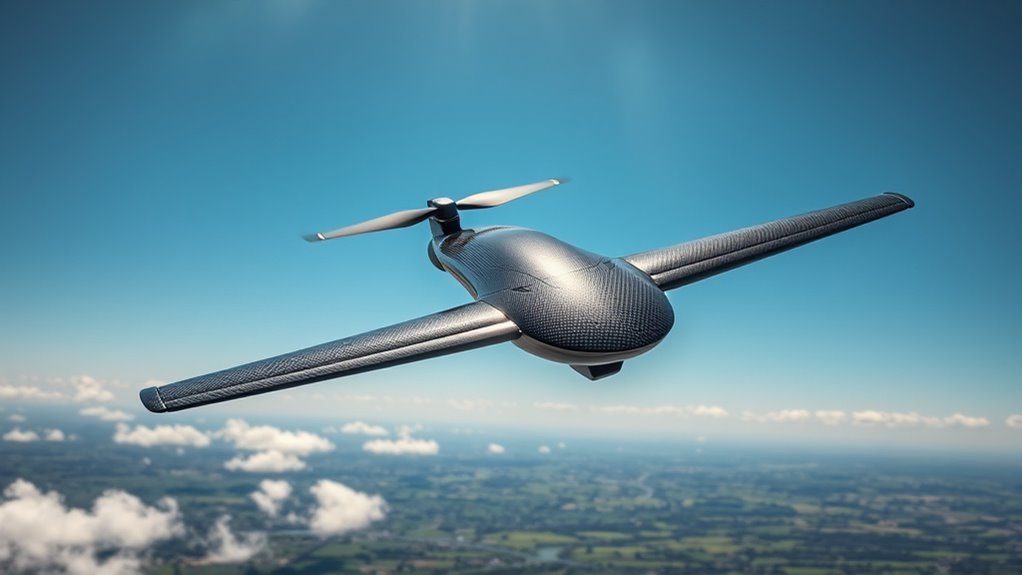
The fastest drone in the world is the DRL RacerX, which has achieved a remarkable speed of 263.1 mph (423 km/h). This impressive velocity stems from its advanced aerodynamic design and powerful propulsion systems, optimizing both speed and stability. Factors like weight reduction and motor efficiency also contribute greatly to its performance. If you’re curious about what features make high-speed drones capable, there’s more to explore on drone technology and innovations.
The Evolution of Drones: A Brief History
Although drones have become a common sight in recent years, their evolution traces back over a century, highlighting significant advancements in technology and applications. You’ll find that the roots of drone history lie in military explorations during World War I, where they served as rudimentary targeting devices. As time progressed, technological advancements transformed these early models into sophisticated aerial vehicles. The introduction of GPS and automation in the late 20th century revolutionized drone capabilities, enabling precise navigation and remote operations. Today, drones serve diverse purposes, from aerial photography to agricultural monitoring, reflecting a blend of innovation and freedom. Understanding this evolution not only enriches your knowledge but also enhances your appreciation for the potential that these devices hold in various fields. Furthermore, the integration of real-time data processing has become crucial in maximizing the efficiency and effectiveness of drone operations. Additionally, advancements in AI-enhanced obstacle avoidance have significantly improved flight safety and navigation accuracy, allowing for more complex and autonomous operations.
Defining Speed: What Makes a Drone Fast?
When evaluating drone speed, several factors come into play, including motor efficiency, weight, and aerodynamics. Understanding these elements helps differentiate between various types of fast drones, each designed for specific applications. By analyzing these characteristics, you can better appreciate what truly makes a drone fast. Additionally, the power-to-weight ratio is crucial as it determines how effectively a drone can convert motor output into speed.
Factors Influencing Drone Speed
To understand what makes a drone fast, you must consider several key factors that influence its speed. The drone’s design is vital; lightweight materials and aerodynamic shapes reduce drag, allowing for higher velocities. Additionally, the propulsion system matters—powerful motors can overcome speed limitations inherent in less efficient designs. Battery capacity also plays a role; higher energy density fuels longer flights at greater speeds. Environmental factors, such as wind resistance and temperature, can considerably affect performance, demanding adjustments to maintain ideal speed. Finally, the drone’s software and control systems determine how effectively it can respond to changing conditions, which is essential for maximizing its speed potential. Balancing these elements is essential for achieving superior drone speed.
Types of Fast Drones
Several types of fast drones have emerged, each excelling in different aspects of speed and performance. Racing drones dominate competitive environments, prioritizing agility and rapid acceleration. Military drones, engineered for surveillance and tactical operations, often showcase impressive speed while maintaining stability. Commercial drones, designed for delivery and logistics, balance speed with payload capacity. Finally, recreational drones cater to hobbyists, offering varying speeds to enhance user experience.
| Type of Drone | Speed Characteristics |
|---|---|
| Racing Drones | High speed, agile maneuvering |
| Military Drones | Fast, stable, stealthy |
| Commercial Drones | Moderate speed, efficient |
| Recreational Drones | Varying speeds, user-friendly |
Understanding these distinctions helps you choose the right drone for your needs.
Top Contenders in the High-Speed Drone Category
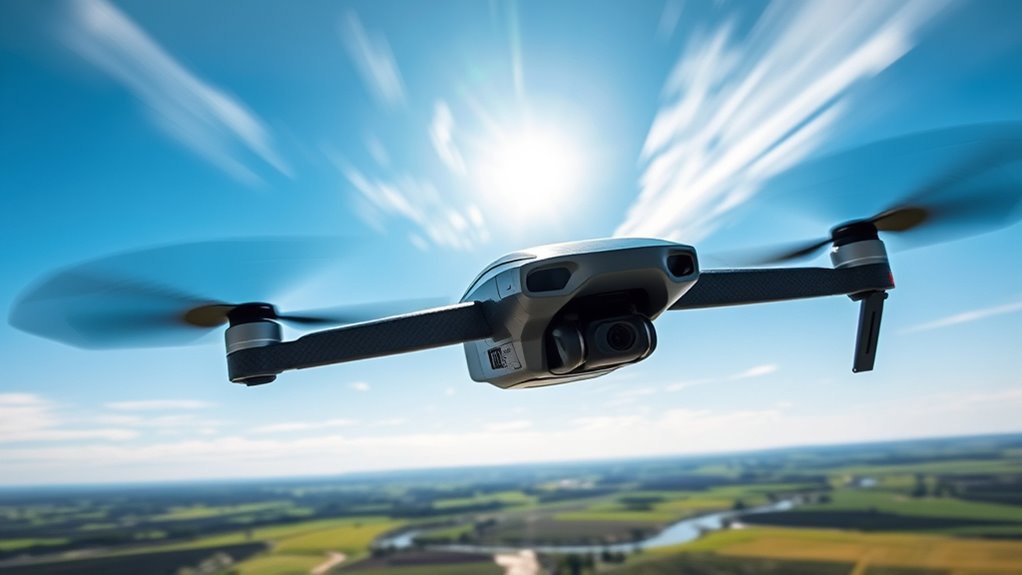
As the demand for high-speed drones continues to surge, a select few models have emerged as frontrunners in this competitive arena. Remarkably, the drone racing category has considerably influenced these developments, pushing manufacturers to innovate and break speed records. One prime contender is the DRL RacerX, known for its aerodynamic design and superior agility, reaching impressive velocities. Another key player is the Eachine Wizard X220, favored for its balance between speed and control, making it a popular choice among enthusiasts. Additionally, the FPV racing drones, equipped with advanced telemetry systems, offer real-time data, enhancing pilots’ decision-making. These models not only showcase engineering prowess but also cater to the thrill-seeking spirit of drone racing aficionados enthusiastic for speed and performance.
The Current Record Holder: Meet the Fastest Drone
In the domain of high-speed drones, the current record holder is the DRL RacerX, a machine that epitomizes cutting-edge technology and engineering excellence. This drone achieved record breaking speeds of 179 mph, showcasing the pinnacle of what modern drone design can accomplish. Built for drone competitions, the RacerX features advanced aerodynamics and a lightweight frame, allowing it to maneuver with precision at incredible velocities. Its powerful motors are engineered for rapid acceleration, giving you an exhilarating experience as it races through the air. The RacerX isn’t just a feat of engineering; it represents the freedom to explore the limits of speed in the exhilarating world of drone racing, pushing boundaries and redefining what’s possible in high-speed flight.
Key Features of High-Speed Drones
When evaluating high-speed drones, you’ll notice that aerodynamic design elements considerably enhance their performance. Combined with powerful motor technology, these features enable drones to achieve remarkable speeds and stability in flight. Understanding these key characteristics is essential for anyone interested in maximizing drone efficiency. For instance, the aerodynamic design of the XG Neith Drone helps minimize air resistance while maintaining structural integrity, contributing to its impressive flight capabilities.
Aerodynamic Design Elements
Aerodynamic design elements play an essential role in maximizing the speed and efficiency of high-speed drones. By focusing on design optimization, manufacturers enhance aerodynamic efficiency, allowing for greater performance in the air. Consider these key features:
- Streamlined Shapes: Reducing drag by adopting sleek, elongated designs.
- Wing Design: Utilizing high-aspect-ratio wings to improve lift-to-drag ratio.
- Lightweight Materials: Employing carbon fiber and other composites to minimize weight without sacrificing strength.
- Nose Cones: Implementing pointed nose cones to reduce air resistance.
These elements work together to create drones that can achieve incredible speeds while maintaining stability and control, ultimately giving you the freedom to explore the skies with unmatched velocity.
Powerful Motor Technology
Achieving high speeds in drones isn’t just about aerodynamic design; powerful motor technology plays a pivotal role as well. The key lies in advanced propulsion systems that maximize motor efficiency. High-speed drones often utilize brushless motors, which offer superior performance and longevity compared to traditional alternatives. These motors convert electrical energy into kinetic energy with minimal loss, ensuring that every watt contributes to speed. Additionally, the integration of electronic speed controllers allows for precise throttle management, enhancing responsiveness during flight. This combination of efficient motors and sophisticated control systems enables you to experience unparalleled freedom in the skies, releasing the full potential of your drone. Ultimately, investing in powerful motor technology is essential for achieving those breathtaking speeds you crave.
The Role of Technology in Drone Performance
As advancements in technology continue to evolve, the performance of drones has greatly improved, transforming them into formidable tools for various applications. You’ll notice that these technology advancements considerably enhance performance metrics that matter most to drone enthusiasts and professionals alike. Key factors include:
- Battery Efficiency: Longer flight times and reduced downtime. Innovations like advanced cell technologies enhance battery efficiency and flight durations.
- Flight Control Algorithms: Enhanced stability and maneuverability.
- Weight Reduction Materials: Increased speed and agility without sacrificing durability.
- High-Resolution Cameras: Superior imaging capabilities for aerial photography and surveillance.
These innovations not only push the boundaries of what drones can achieve but also empower you to utilize them in ways previously thought impossible. Embracing this technology can lead to remarkable advancements in your drone experience. Moreover, advanced AI integration in drone software systems can further streamline operations and enhance overall efficiency.
The Impact of Speed on Drone Racing
While speed is an essential factor in drone racing, its impact goes beyond mere numbers on a speedometer. Understanding how speed advantages affect race strategy can be the key to victory. Faster drones can navigate tight turns and obstacles more efficiently, allowing you to outmaneuver competitors. However, speed must be balanced with control; reckless acceleration can lead to crashes.
| Speed Advantage | Race Strategy | Outcome |
|---|---|---|
| Quick Acceleration | Early Lead | Higher chance of winning |
| Agile Maneuvering | Tactical Turns | Better positioning |
| Enhanced Recovery | Error Correction | Maintain momentum |
Incorporating speed into your overall race strategy not only improves performance but also enhances the thrill of the competition, giving you the freedom to explore your limits.
Safety Considerations for High-Speed Drones
When operating high-speed drones, understanding safety considerations is essential to prevent accidents and guarantee compliance with regulations. Adhering to established safety protocols not only protects you but also those around you. Here are four key considerations:
- Know the Regulations: Familiarize yourself with local drone regulations to avoid legal issues.
- Pre-flight Checks: Conduct thorough pre-flight inspections to ensure all components function properly.
- Flight Zones: Always operate in designated areas to minimize risks to people and property.
- Emergency Procedures: Have a plan for emergencies; be ready to execute safe landing protocols in case of unexpected failures.
Future Trends in Drone Speed and Innovation
The rapid evolution of drone technology signals a future where speed and innovation intersect, pushing the boundaries of aerial performance. As you explore potential advancements, expect future innovations to enhance efficiency and agility. However, speed regulations will play an essential role in shaping these developments, ensuring safety and compliance. Additionally, advancements in battery performance will significantly impact the flight capabilities and overall speed of future drones. The integration of advanced propulsion systems will allow drones to achieve higher speeds while maintaining stability and efficiency.
| Future Innovations | Speed Regulations |
|---|---|
| Enhanced battery life | Height restrictions |
| AI-assisted navigation | No-fly zones |
| Lightweight materials | Maximum speed limits |
| Autonomous flight tech | Air traffic management |
| Advanced propulsion systems | Registration requirements |
Frequently Asked Questions
How Much Do High-Speed Drones Typically Cost?
High-speed drones vary widely in cost. Budget options can start around a few hundred dollars, while those with advanced performance features may exceed several thousand. Your choice depends on the balance between price and required capabilities.
Can High-Speed Drones Be Used for Photography?
Yes, high-speed drones can be utilized for aerial photography, provided they maintain excellent drone stability. Their speed enhances creative opportunities, yet achieving sharp images requires careful balance between velocity and stability during capture.
What Materials Are Used in Fast Drone Construction?
In high-performance drones, carbon fiber is often used due to its impressive strength-to-weight ratio, allowing speeds over 100 mph. Lightweight materials enhance agility, making them ideal for various applications, from racing to aerial photography.
Are There Speed Regulations for Drone Racing?
Yes, there’re drone regulations and racing guidelines that dictate speed limits, safety protocols, and competitive standards. Understanding these rules guarantees your racing experience is not only thrilling but also compliant with legal frameworks governing the sport.
How Long Can High-Speed Drones Fly Before Needing to Recharge?
High-speed drones often achieve a flight endurance of around 20 minutes. With advancements in battery life, you’ll see models pushing that to 30 minutes, but heavy usage can greatly reduce that time, requiring more frequent recharges.
