

If you notice drones flying over your property, the first step is to understand your rights and the regulations governing drone usage in your area. Drones can raise various concerns, from privacy violations to safety risks. By familiarizing yourself with local laws, documenting any incidents, and knowing how to respond, you can effectively address the situation and protect your private space.
Understanding Drone Regulations
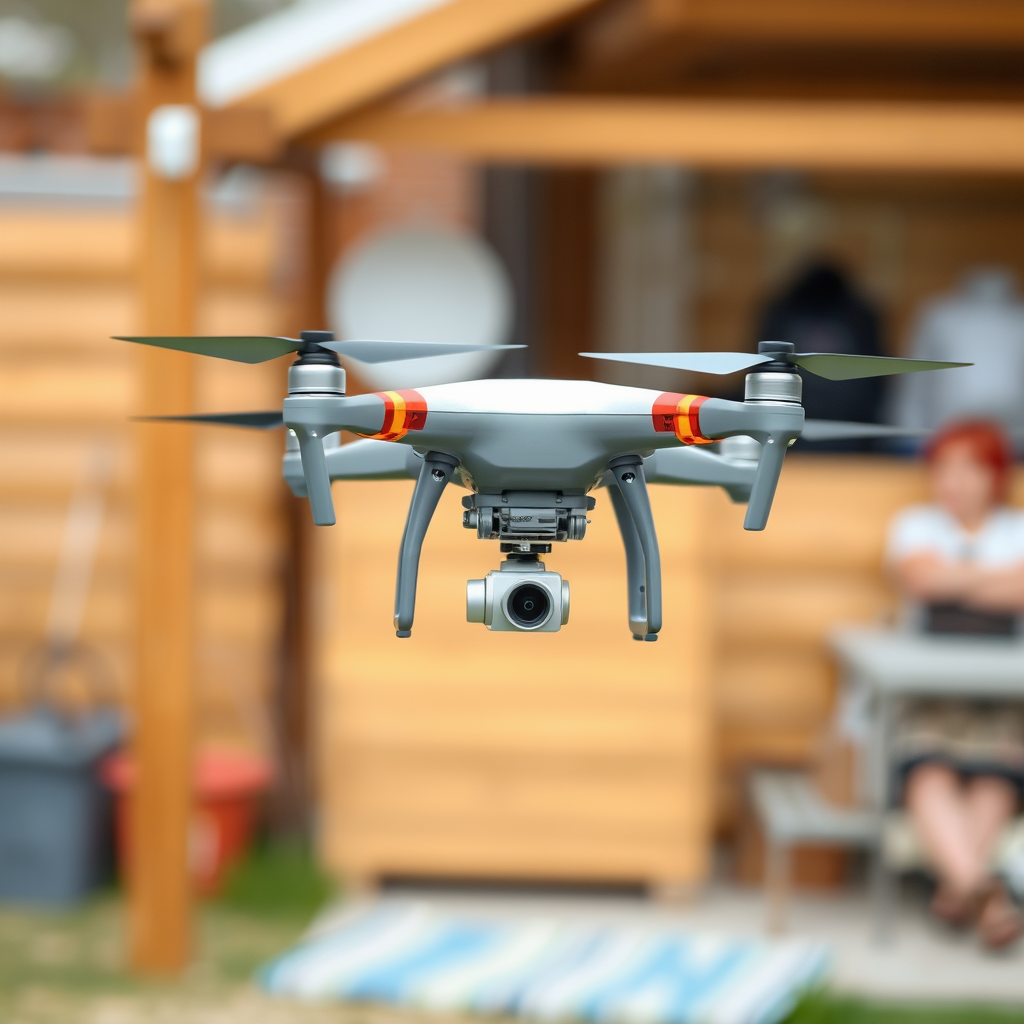
To effectively manage drone activity over your property, it is essential to familiarize yourself with both local and federal regulations. Each state may have specific laws regarding drone usage, particularly pertaining to privacy rights and trespassing. For instance, some states prohibit drones from flying over private property without consent, while others may allow it. Researching these laws can help you determine if a drone is infringing on your rights.
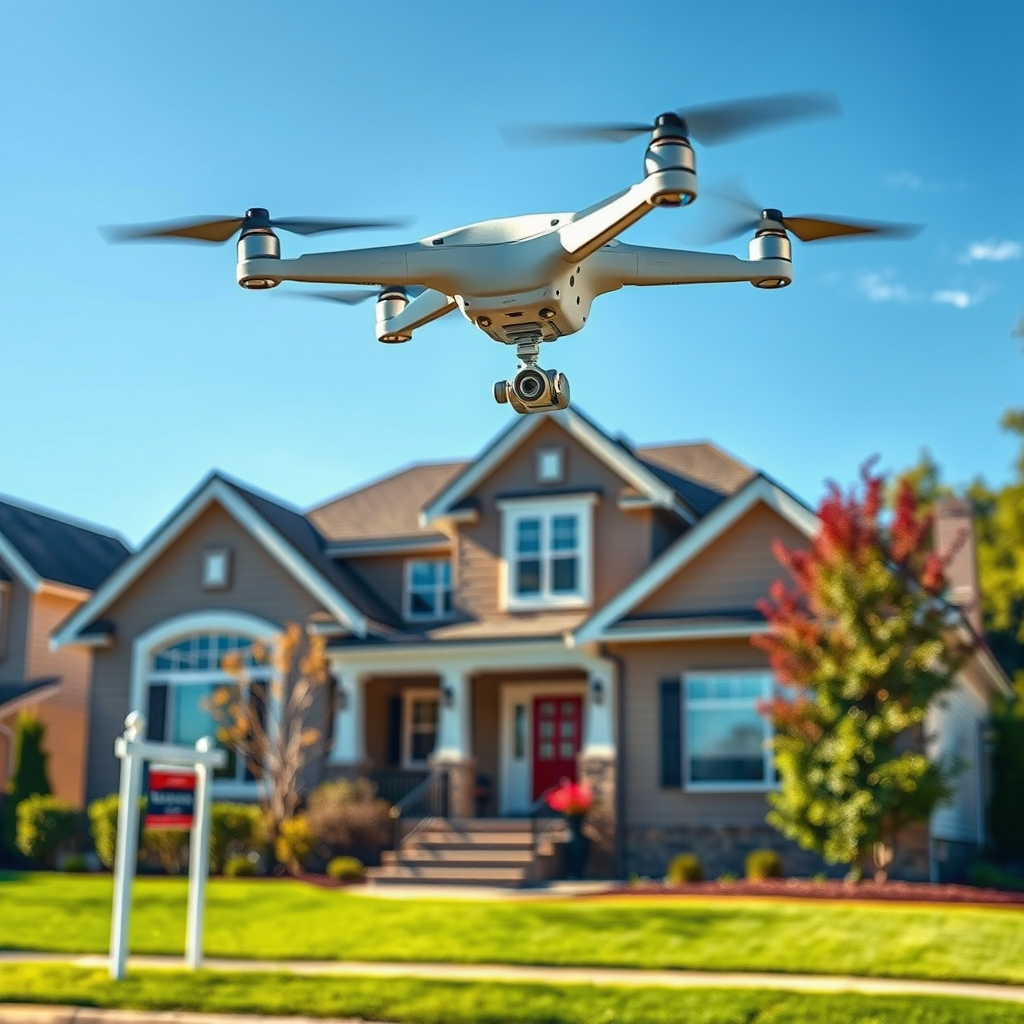
In addition to state laws, the Federal Aviation Administration (FAA) regulates drone operations across the United States. According to FAA guidelines, drones must operate below 400 feet and are not permitted to fly near airports or over people without permission. Understanding these regulations can provide a framework for your response and inform whether the drone is operating legally or not.
Documenting Drone Activity
Keeping a detailed record of drone sightings is crucial for addressing unwanted drone activity. Start by noting the dates and times of each sighting, along with the drone’s behavior (e.g., hovering, flying low, or taking aerial photographs). This documentation can be instrumental if you decide to report the activity to authorities or seek legal recourse.
If possible, take photographs or videos of the drone in action. Ensure that your evidence clearly shows the drone’s position relative to your property. This visual documentation can strengthen your case, as it provides concrete proof of the drone’s presence and behavior. By maintaining an organized log, you will be prepared to present your concerns effectively to local law enforcement or legal counsel.
Contacting Local Authorities
If you find that the drone activity is persistent or intrusive, it may be time to involve local authorities. Start by reporting the incidents to your local law enforcement agency. Provide them with your documentation, including dates, times, and evidence of the drone’s activity. Law enforcement can investigate whether the drone is violating any local ordinances or FAA regulations.
Inquire about any specific enforcement procedures available in your area. Some jurisdictions may have dedicated drone task forces, while others might handle such incidents as part of broader public safety concerns. Understanding the protocols in your area can streamline the reporting process and potentially lead to quicker resolutions.
Setting Up Privacy Measures
While waiting for authorities to address the issue, consider implementing privacy measures on your property. One effective approach is to install privacy screens or barriers. Fencing combined with fabric screens can obstruct the view from above, making it more difficult for drones to gather footage of your private activities.
Additionally, planting shrubs or trees can create a natural barrier against aerial surveillance. Dense foliage can obstruct the line of sight from drones, enhancing your privacy. Selecting fast-growing plants and arranging them strategically around the perimeter of your property can be an aesthetically pleasing way to safeguard your personal space.
Engaging with Neighbors
Discussing drone activity with your neighbors can help build a community response to the issue. Start by sharing your experiences and asking if they have noticed similar problems. By collaborating, you can assess the extent of the issue within your neighborhood and consider collective actions.
For example, if several neighbors are affected, organizing a community meeting can be beneficial. You might collectively approach local authorities to express concerns or even advocate for local ordinance changes. A unified community stance can often carry more weight than individual complaints, thereby increasing the likelihood of effective action against intrusive drone activity.
Exploring Legal Options
If drone activity persists despite your efforts, it may be prudent to explore legal options. Consulting with a lawyer who specializes in drone laws or privacy rights can provide insight into your available recourse. They can help you understand whether you have grounds for a lawsuit based on privacy violations or property trespass.
Investigating whether filing a nuisance claim could apply to your situation is also worthwhile. A nuisance claim may be appropriate if the drone activity is causing you significant distress or interfering with your enjoyment of your property. Legal counsel can guide you through these processes and help you determine the best course of action.
Utilizing Technology Solutions
In this digital age, technology can also provide solutions to the problem of unauthorized drone flights. Consider investing in drone detection systems that alert you to any drones entering your property. These systems can utilize sensors to identify drone activity and notify you in real-time.
Additionally, several apps are designed to report drone sightings to authorities. These apps can provide a platform for documenting incidents and sharing information with law enforcement. By leveraging technology, you can enhance your ability to monitor and respond to drone activity effectively.
In conclusion, while drones flying over your property can be concerning, understanding your rights and taking appropriate actions can help you manage the situation effectively. By documenting incidents, contacting local authorities, and exploring both legal and technological solutions, you can protect your privacy and ensure that your property remains your sanctuary. If the problem persists, consider consulting with professionals who specialize in drone laws and privacy issues to explore further options.
Frequently Asked Questions
What should I do if I spot a drone flying over my property?
If you see a drone flying over your property, the first step is to determine if it poses a threat or is simply passing by. You can try to identify the drone and its operator, as many drones are equipped with identification numbers. If you feel uncomfortable or believe the drone is invading your privacy, you should document the incident and consider contacting local law enforcement or your local aviation authority for further advice.
How can I legally prevent drones from flying over my property?
Legally preventing drones from flying over your property can be challenging, as airspace regulations often favor drone operators. However, you can establish clear boundaries by posting signs indicating that you do not permit drone activity on your land. Additionally, familiarize yourself with local laws regarding drone use and contact local authorities if you believe your privacy rights are being violated.
Why are drones flying over my property, and what are their common uses?
Drones may fly over your property for various reasons, including recreational use, aerial photography, agricultural monitoring, or surveillance. Many commercial operators use drones for tasks such as mapping, inspections, or real estate photography. Understanding the purpose behind the drone activity can help you determine whether it poses a risk to your privacy or property.
What are the privacy laws regarding drones flying over residential areas?
Privacy laws regarding drones vary by region, but generally, you have the right to privacy on your property. In many jurisdictions, it is illegal for drones to capture images or video of individuals without consent when they are in private spaces. If you believe your privacy is being infringed upon, you may have grounds to report the drone operator, especially if they are using the drone for intrusive surveillance.
Which actions can I take if a drone is consistently bothering me on my property?
If a drone is consistently bothering you, start by documenting the incidents, including dates, times, and any identifying information about the drone or its operator. You can then approach the drone operator directly, if known, to express your concerns. If the issue persists, consider filing a complaint with local authorities or the FAA, as repeated harassment or invasion of privacy may violate regulations and lead to further action.
References
- https://www.faa.gov/uas/resources/policy_library/
- https://www.ncbi.nlm.nih.gov/pmc/articles/PMC6056440/
- https://www.wired.com/story/drone-law-what-you-need-to-know/
- https://www.privacyrights.org/resources/drones-and-privacy
- https://www.nytimes.com/2021/07/14/us/drone-privacy-laws.html
- https://www.senate.gov/legislative/LIS/roll_call_lists/roll_call_vote_cfm.cfm?congress=114&session=1&vote=00031
- https://www.abcnews.go.com/Technology/drone-privacy-laws-need-know/story?id=47624453
- https://www.bbc.com/future/article/20210106-how-drones-could-change-the-way-we-live
