
When buying a drone, it is essential to consider factors such as your budget, intended purpose, and the specific features you require to ensure you select the right model for your needs. By understanding these key aspects, you will be better equipped to make an informed decision that balances performance with practicality, leading to an enjoyable and effective flying experience.
Determine Your Budget
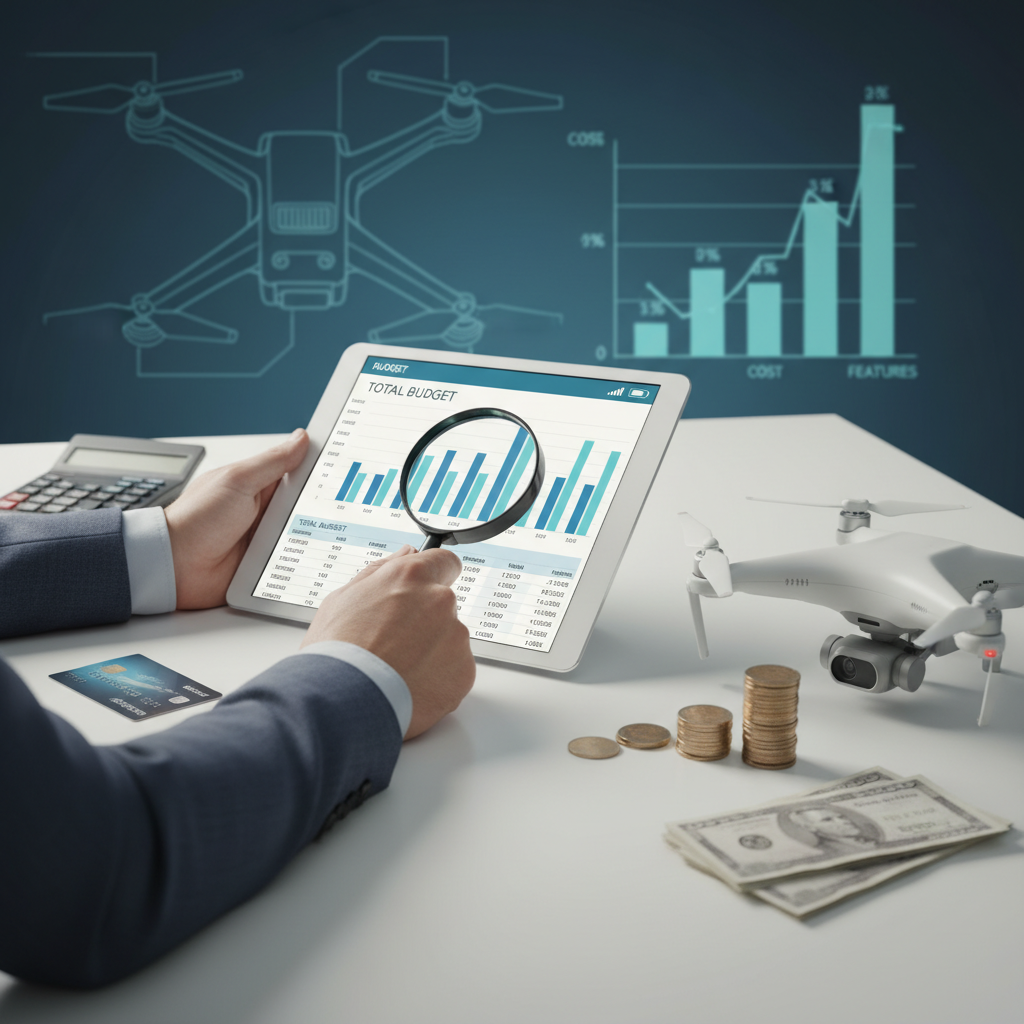
Establishing a clear budget is the first critical step in the drone-buying process. Drones are available at a wide range of price points, from entry-level models under $100 to professional-grade machines that can cost several thousand dollars. By setting a budget range, you can narrow down your options and focus on models that fit within your financial constraints.
Additionally, it’s important to factor in supplementary costs that may arise. Accessories such as extra batteries, propellers, or a carrying case can enhance your flying experience but will add to the overall expense. Insurance is another consideration, particularly if you intend to fly your drone in public spaces or for commercial purposes. Many drone operators opt for liability insurance to protect themselves from potential damages or accidents, which can further impact your budget.
Identify Your Purpose
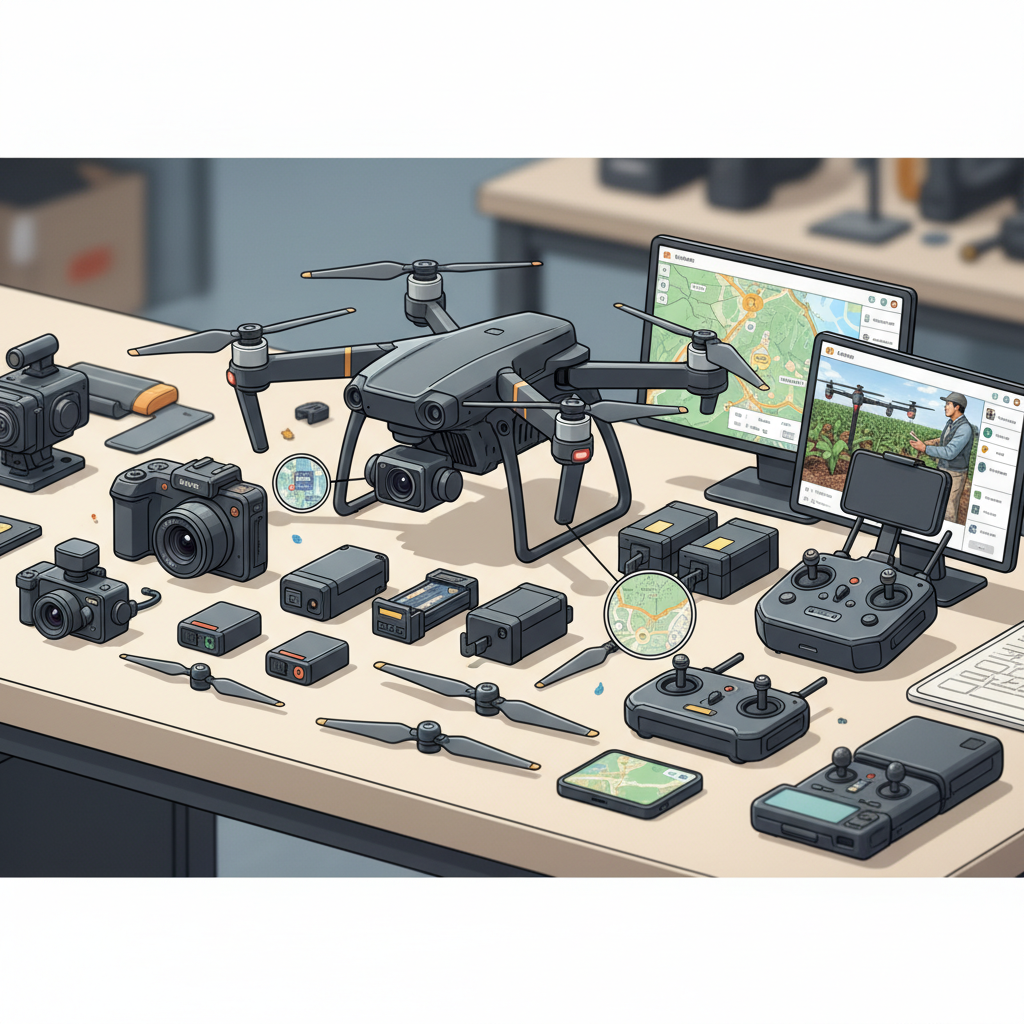
Understanding the purpose for which you will use the drone is vital in determining the right model. Drones can serve various functions, including recreational flying, aerial photography, racing, and commercial applications such as surveying or agriculture. Each of these purposes demands different features and specifications.
For instance, if you’re pursuing aerial photography, you will need a drone equipped with a high-quality camera and stabilization technology to capture smooth, high-resolution images. Conversely, if drone racing is your primary interest, you may prioritize speed, agility, and responsiveness over camera quality. By clearly defining your intended use, you can focus on models that cater to those specific requirements, ensuring you invest in a drone that meets your needs.
Check Camera Quality
Camera quality is a pivotal aspect for many drone buyers, especially those looking to capture stunning aerial imagery. When evaluating a drone’s camera, pay close attention to its resolution. Higher megapixels generally translate to better image quality, allowing for more detailed and vibrant photos and videos.
Beyond resolution, consider features such as image stabilization, which helps counteract motion blur and provides smooth footage, critical for professional video work. Some drones also offer optical zoom capabilities, enabling you to capture distant subjects without sacrificing image quality. Live streaming options are another attractive feature for content creators, allowing for real-time sharing of aerial footage across social media platforms. Thoroughly assessing the camera capabilities of potential drones will ensure you select a model that aligns with your creative ambitions.
Assess Flight Time and Range
A drone’s flight time and control range are essential metrics to consider before making a purchase. The maximum flight time on a single charge varies significantly among different models, typically ranging from 10 to 30 minutes. If you plan to use your drone for tasks that require extended flight periods, such as mapping or surveying, opting for a drone with longer flight times will be advantageous.
Equally important is the control range, or how far you can fly the drone from your remote controller before losing signal. Ranges can vary from less than 1,000 feet for beginner models to several miles for high-end drones. Understanding your needs in terms of flight duration and control range will help you select a drone that provides the necessary capabilities for your activities.
Evaluate Build Quality and Durability
The build quality and durability of a drone are crucial factors, particularly for those who may be flying in challenging conditions or are new to piloting. The materials used in the construction of a drone can significantly affect its resilience against crashes and the wear and tear of regular use. Look for drones made from robust materials like reinforced plastics or carbon fiber, as these offer enhanced durability.
Additionally, consider the weather resistance of the drone. Some models are designed to withstand light rain or wind, while others should only be flown in calm conditions. If you anticipate flying in varying weather conditions, investing in a drone with weather-resistant features can provide peace of mind and extend the lifespan of your equipment.
Review Safety Features
Safety features are an essential consideration when selecting a drone, as they can help prevent accidents and ensure compliance with regulations. Look for drones with built-in safety features such as obstacle avoidance systems, which use sensors to detect and navigate around obstacles in the drone’s path. This technology can be particularly beneficial for novice pilots who may struggle with spatial awareness during flight.
Emergency landing protocols are another crucial safety feature, allowing the drone to return to a safe landing spot in the event of a lost signal or low battery. Familiarizing yourself with local regulations and safety guidelines before flying is also essential. Many regions have specific laws governing drone use, including altitude limits and restricted airspace, which you must adhere to for safe operation.
Research Brand Reputation and Reviews
Before making a final decision, it’s wise to research the brand reputation and customer reviews of the drones you are considering. Established brands often provide reliable products and robust customer support, which can be invaluable if you encounter issues with your drone. Look for companies that are well-regarded within the drone community and have a history of quality craftsmanship.
Customer reviews and expert ratings can provide insights into the performance, reliability, and ease of use of different models. Pay attention to feedback regarding common issues, such as battery life or software glitches, to help you make a more informed choice. Engaging with online forums or communities can also offer firsthand experiences that further guide your decision-making process.
In conclusion, buying a drone requires careful consideration of various factors, including budget, intended purpose, and specific features. By thoroughly evaluating these guidelines, you can find a drone that perfectly matches your needs and enhances your overall flying experience. Whether you’re a hobbyist or a professional, investing time in research will ensure that you select a drone that meets your expectations and delivers exceptional performance. Happy flying!
Frequently Asked Questions
What are the key specifications to consider when buying a drone?
When buying a drone, key specifications to consider include flight time, camera quality, range, and battery life. Look for drones with at least 20 minutes of flight time for optimal usage, along with a camera that offers at least 1080p resolution if you’re interested in aerial photography. Additionally, check the drone’s range, as this determines how far you can fly it from the controller, and consider the battery life to ensure you have enough power for your intended use.
How do I determine the right drone for my skill level?
To determine the right drone for your skill level, assess whether you are a beginner, intermediate, or advanced user. Beginners should look for drones that are easy to fly, have features like GPS-assisted hovering and altitude hold, and come with durable designs. Intermediate and advanced users might want to invest in drones that offer more complex functionalities such as manual controls, higher camera specifications, and customizable settings to enhance their flying experience.
Why is it important to check the drone’s regulations before purchasing?
Checking drone regulations is crucial because different regions have specific laws governing drone usage, including restrictions on flying heights, no-fly zones, and registration requirements. Non-compliance can lead to fines or legal issues, and understanding these regulations can help you choose a drone that suits your needs while ensuring you remain within legal limits. Always consult your local aviation authority for the most current regulations before making a purchase.
What is the best drone for aerial photography on a budget?
The best drone for aerial photography on a budget typically includes models like the DJI Mini SE or the Holy Stone HS720. These drones offer excellent camera quality, stable flight, and user-friendly features without breaking the bank. Look for options that provide at least 1080p video quality and a good stabilization system to ensure your photos and videos come out clear and professional-looking.
Which features enhance the safety and reliability of a drone?
Features that enhance the safety and reliability of a drone include GPS positioning, obstacle avoidance sensors, and fail-safe modes like automatic return-to-home. Drones equipped with GPS can maintain stable flight and hover accurately, while obstacle avoidance sensors help prevent collisions with objects during flight. Additionally, having a fail-safe mode ensures that the drone returns safely to its starting point in case of signal loss or low battery, providing peace of mind for users.
References
- https://www.wired.com/story/drone-buying-guide/
- https://www.faa.gov/uas/getting_started/
- https://www.nytimes.com/wirecutter/guides/best-drones/
- https://www.consumerreports.org/drone-buying-guide/
- https://www.theguardian.com/technology/2021/jul/29/drones-buying-guide-tips
- https://www.bbc.com/news/technology-47971671
- https://www.techradar.com/news/how-to-buy-a-drone
- https://www.nist.gov/news-events/news/2020/01/what-consider-when-buying-drone
