

The highest altitude you can legally fly a drone is typically 400 feet above ground level in most regions, including the United States. This limit is rooted in safety regulations established by the Federal Aviation Administration (FAA), which are designed to ensure safe operations in shared airspace. However, local regulations, specific airspace classifications, and unique operational needs can influence this maximum altitude. Understanding these limits is crucial for anyone looking to operate drones responsibly and legally.
Understanding FAA Regulations
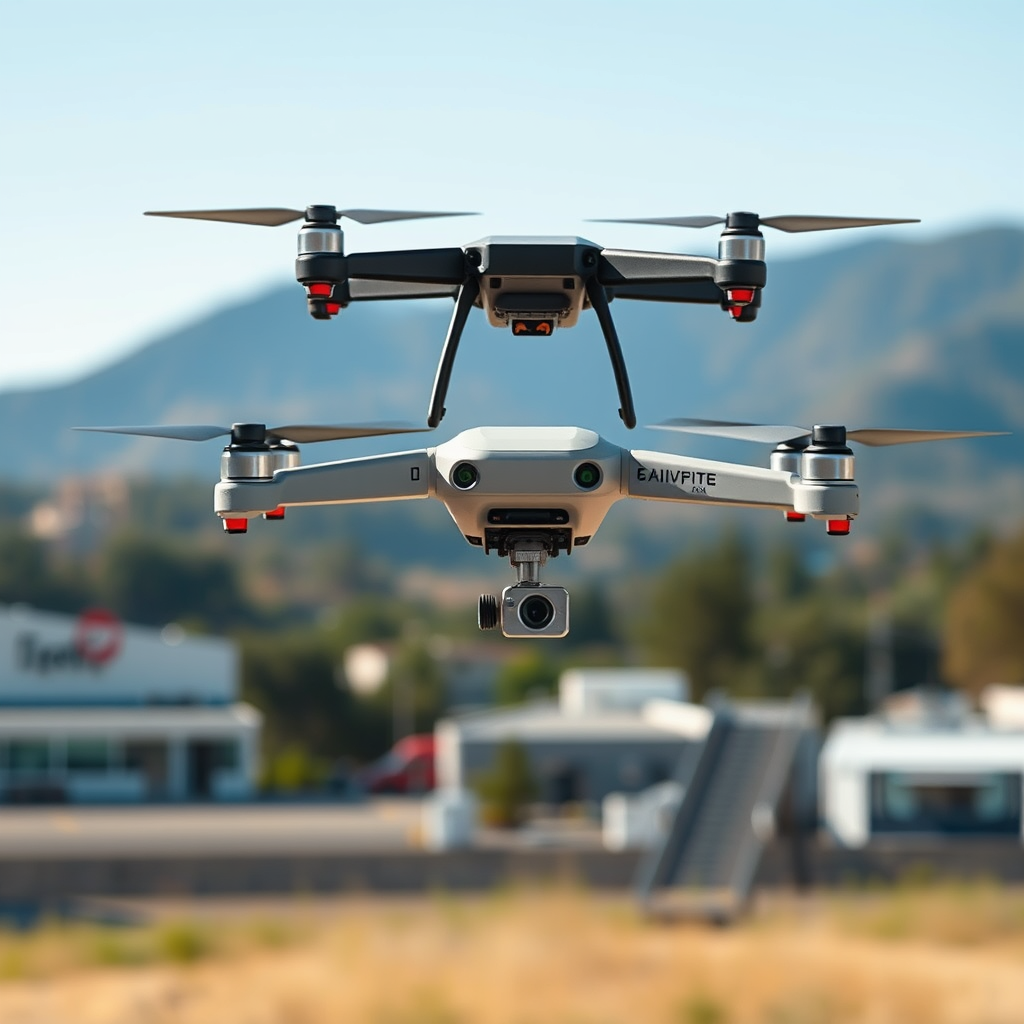
The Federal Aviation Administration (FAA) is the governing body responsible for regulating all aspects of civil aviation in the U.S., including the use of drones. According to FAA regulations, the standard ceiling for flying both recreational and commercial drones is set at 400 feet AGL (Above Ground Level). This height is designed to minimize the risk of collisions with manned aircraft that typically fly at higher altitudes. For recreational drone operators, adhering to this limit is critical for compliance with federal law, while commercial operators must also consider additional requirements, such as having a Remote Pilot Certificate and ensuring their flight operations do not interfere with manned aircraft.
The FAA’s regulations are not only about altitude limits but also encompass various operational guidelines. For instance, pilots are required to maintain visual line-of-sight with their drones during flight and are prohibited from flying over crowds or in a manner that poses a risk to people or property. Understanding these regulations is essential for safe drone operation and helps foster responsible usage within the community.
Factors Influencing Maximum Altitude
While the 400-foot limit serves as a general guideline, several factors can influence the actual maximum altitude for drone operations. One of the primary factors is terrain. Drones flying in hilly or mountainous regions may be able to ascend higher than 400 feet AGL when flying over elevated areas, as the altitude is measured from the ground level directly beneath the drone. This means that if a drone is flying over a hill that is already at 300 feet, it could legally fly to 700 feet above sea level, provided it remains within the regulatory framework.
Another vital factor is the airspace class in which the drone is operating. The U.S. airspace is divided into several classes, each with different rules and restrictions. For instance, Class G airspace (uncontrolled airspace) generally allows for more flexibility in drone operations compared to Class B airspace, which is typically found around major airports and has stricter altitude and operational guidelines. Understanding the specific airspace classification is crucial for drone operators to ensure compliance and safety.
Exceptions to the 400-Foot Rule
There are circumstances under which drone operators may be allowed to exceed the standard 400-foot altitude limit. One such exception is through the application for waivers. The FAA allows pilots to apply for a waiver if they can demonstrate a legitimate need to operate at higher altitudes. This could be relevant for specific commercial applications such as surveying large areas, conducting aerial photography, or performing inspections of tall structures, where flying at higher elevations might be necessary to achieve the operational goals.
Additionally, certain special operations may justify flying at altitudes above the standard limit. For example, law enforcement or search-and-rescue missions may require drones to operate at higher altitudes to cover a broader area or to ensure the safety of personnel on the ground. These operations are often conducted under specific guidelines and should always prioritize safety and adherence to regulatory requirements.
Drone Type and Performance Capabilities
The type of drone being used also significantly impacts the maximum altitude that can be safely and effectively achieved. Most consumer drones are specifically designed for optimal performance around the 400-foot mark, balancing safety, battery life, and ease of operation. Popular models from manufacturers like DJI and Parrot come equipped with features that are optimized for this altitude, ensuring stable flight and high-quality imaging without compromising safety.
In contrast, commercial drones, particularly those used for specialized tasks such as agriculture, surveying, or infrastructure inspection, may be engineered to reach higher altitudes. These drones often come equipped with advanced technology that allows for extended flight times and enhanced stability at greater heights. However, even commercial operators must comply with the FAA regulations and ensure their operations remain within legal limits, incorporating necessary safety measures.
Local Regulations and No-Fly Zones
In addition to federal regulations, local jurisdictions can impose additional restrictions on drone flights, which may affect the maximum altitude you can legally operate your drone. Municipal laws can vary significantly from one area to another, with some cities enacting stricter rules to address concerns such as noise, privacy, and safety. Before flying, it’s essential for drone operators to familiarize themselves with any local laws that could impact their flight plans.
Moreover, certain areas are designated as no-fly zones, where drone operations are strictly prohibited or severely restricted. These zones typically include areas surrounding airports, military bases, government buildings, and some public lands. The FAA provides resources, such as the B4UFLY app, which can help drone operators identify no-fly zones and other operational restrictions. Awareness of these zones is critical for preventing accidental violations, which can lead to legal consequences and compromise public safety.
Safety Considerations When Flying
Safety should always be the top priority for drone operators, especially when flying at higher altitudes. The risk of colliding with obstacles, such as trees, power lines, or buildings, increases with altitude, necessitating careful planning and consideration of the flight environment. Before flying, operators should conduct thorough pre-flight checks, including scouting the area for potential hazards and ensuring that they have a clear flight path.
Additionally, monitoring nearby air traffic is essential to avoid accidents. Drones share the airspace with manned aircraft, and operators must be vigilant about their surroundings. Utilizing apps that provide real-time updates on air traffic and flight restrictions can enhance situational awareness and contribute to safer operations. Engaging in proactive communication with local aviation authorities can also help mitigate risks associated with flying in congested airspaces.
In summary, while the general rule allows you to fly a drone up to 400 feet, various factors can affect this limit. Understanding FAA regulations, local laws, airspace classifications, and the specific capabilities of different drone types is crucial for safe and compliant operations. Always check local regulations and safety guidelines before taking to the skies. Stay informed and fly responsibly!
Frequently Asked Questions
What is the maximum altitude limit for flying a drone in the United States?
In the United States, the Federal Aviation Administration (FAA) sets the maximum altitude limit for flying a drone at 400 feet above ground level. This restriction is in place to prevent interference with manned aircraft, which typically fly at higher altitudes. However, if you’re operating your drone from a structure that exceeds 400 feet, you may fly higher, but you must maintain visual line of sight and adhere to all other regulations.
How can I ensure I’m flying my drone at the legal altitude?
To ensure you’re flying your drone at a legal altitude, first familiarize yourself with local regulations, as they can vary by state or municipality. Use GPS-enabled drones that display altitude readings, and consider using apps that provide airspace information, such as Airmap or DJI Fly, to help you monitor your altitude and stay compliant with FAA guidelines.
Why is there a height restriction for drone flights?
Height restrictions for drone flights primarily exist to maintain safety in the airspace. Drones flying above specified altitudes can interfere with manned aircraft, potentially leading to dangerous situations. Additionally, these regulations help protect the privacy of individuals and ensure that drone operations do not disturb wildlife or sensitive areas.
What are the consequences of flying a drone above the legal altitude?
Flying a drone above the legal altitude can lead to serious consequences, including hefty fines, loss of your drone’s registration, and the potential suspension or revocation of your Remote Pilot Certificate. Additionally, if your drone interferes with manned aircraft during illegal operations, you may face criminal charges, which can have lasting repercussions on your ability to fly drones in the future.
Which drone models are best for altitude control and compliance?
Some of the best drone models for altitude control and compliance include the DJI Mavic Air 2, the DJI Phantom 4 Pro, and the Autel Robotics EVO Lite+. These drones come equipped with advanced GPS systems and altitude sensors, ensuring precise altitude maintenance and compliance with FAA regulations. It’s essential to choose a model with reliable features that enhance your flying experience while keeping you within legal boundaries.
References
- https://en.wikipedia.org/wiki/Drone_flying_regulations
- https://www.faa.gov/uas/getting_started/registration
- https://www.faa.gov/uas/getting_started/fly_for_fun
- https://www.faa.gov/uas/commercial_operators/
- https://www.nasa.gov/feature/nasa-researchers-explore-safe-drone-operations-in-the-nation-s-skies
- https://www.theguardian.com/technology/2021/jul/20/drone-altitude-faa-regulations
- https://www.reuters.com/technology/drone-regulations-faa-2021-04-06/
- https://www.suasnews.com/2021/07/the-highest-altitude-you-can-fly-a-drone-in-the-uk/
