

It is generally illegal to shoot down a drone unless it poses an immediate threat to your safety or property. Understanding the laws and regulations governing drone use, as well as potential self-defense scenarios, is crucial for anyone considering taking such action. As drones become increasingly prevalent in our skies, the need for clarity regarding the legal and practical frameworks surrounding their use is paramount. This article delves into the key considerations regarding when, if ever, you might be justified in shooting down a drone.
Understanding Drone Regulations
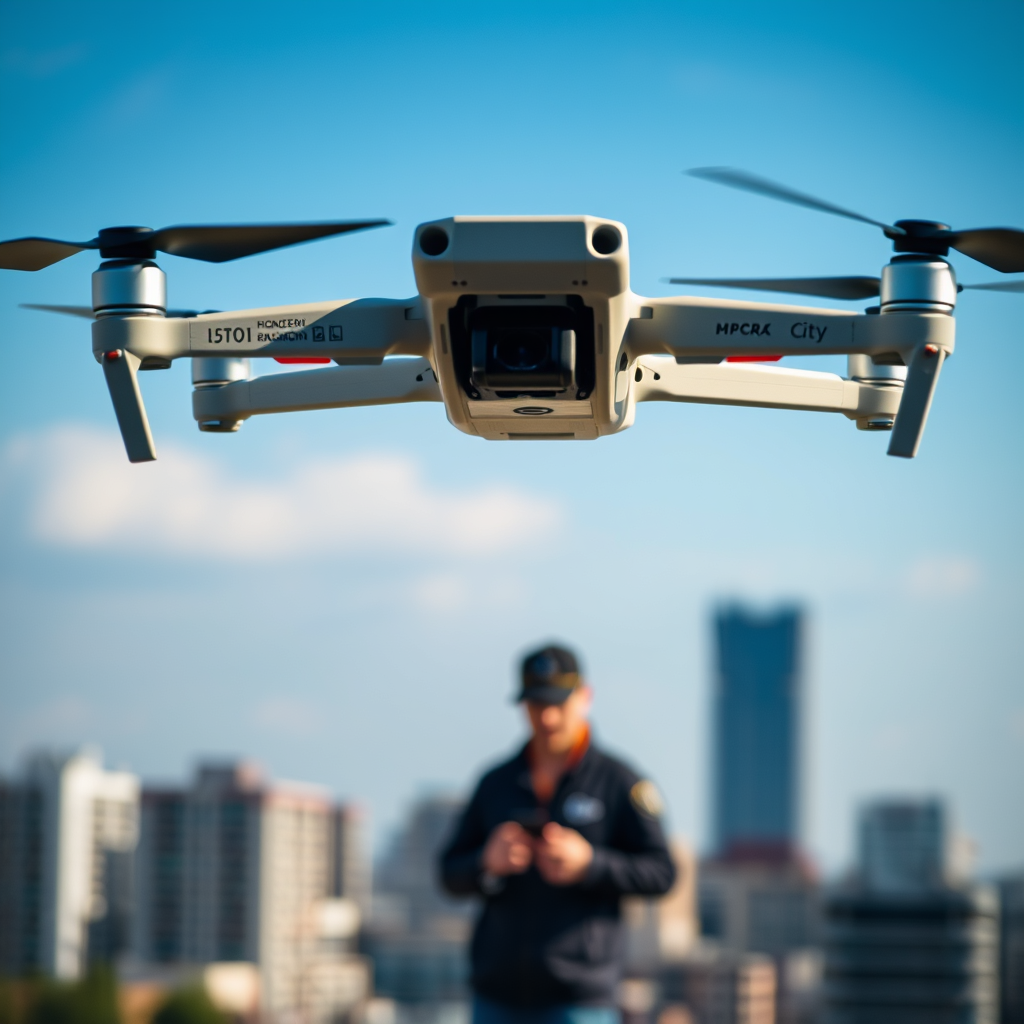
Federal laws in the United States, primarily governed by the Federal Aviation Administration (FAA), prohibit shooting down drones in most circumstances. Under the FAA regulations, drones are considered aircraft, and attacking an aircraft is a federal offense, potentially leading to severe penalties including hefty fines and imprisonment. Specifically, the FAA is empowered to enforce regulations that protect the safety of the national airspace, making unauthorized interference with drones a serious violation.
However, local laws may vary significantly from one jurisdiction to another. Some states have enacted specific legislation addressing drone usage, which may include provisions on defending one’s property or privacy. For example, states like Texas have laws allowing individuals to use reasonable force against an invasive drone if it is trespassing or violating privacy rights. Therefore, it is essential for individuals to check their local regulations and consult legal experts if they have any doubts about the legality of shooting down a drone in their area.
Self-Defense vs. Property Defense
When contemplating the shooting down of a drone, one must differentiate between self-defense and property defense. In cases where a drone is invading your privacy—such as hovering over your backyard or peering into windows—there may be grounds for claiming self-defense. However, this is contingent upon the drone posing a direct threat. For instance, if the drone is equipped with a camera and is filming you or your property without consent, this could be deemed a violation of privacy rights, leading you to consider defensive actions.
Nonetheless, it is crucial to assess the situation carefully before taking any drastic measures. If the drone is simply flying overhead without engaging in any invasive behavior, it is advisable to refrain from action, as the perception of threat can often be subjective. Engaging law enforcement or reporting the drone to authorities may be a more appropriate response than resorting to physical action.
Reporting Unauthorized Drones
If you encounter a drone that appears to be flying illegally or threateningly, the first course of action should be to report it rather than attempting to shoot it down. Contact local law enforcement or aviation authorities to file a complaint. Provide them with detailed information regarding the drone’s behavior, including its location, flight pattern, and any identifying features. This not only helps the authorities take appropriate action but also protects you from potential legal repercussions associated with shooting down the drone.
The FAA has established a hotline for reporting unsafe drone operations, which can be an essential resource for individuals concerned about unauthorized drone activities. Engaging the authorities ensures that the situation is handled legally and responsibly, creating a safer environment for everyone involved.
The Risks of Shooting Down a Drone
Shooting down a drone carries significant legal and practical risks. The ramifications of such an action can extend beyond immediate legal consequences, which may include fines and criminal charges. For example, interfering with a drone could lead to charges of destruction of property, especially if the drone is owned by a commercial entity or another individual.
Moreover, the potential for collateral damage is a serious concern. Bullets or other projectiles can miss their target, causing unintended harm to nearby people, vehicles, or structures. The liability for any resulting damage can be substantial, leading to civil lawsuits or criminal charges against the shooter. Therefore, the risks associated with shooting down a drone far outweigh the perceived benefits, underscoring the importance of considering alternative responses.
Alternative Responses to Drone Encounters
Rather than resorting to violent measures, there are non-destructive alternatives for dealing with unwanted drone encounters. One such method is the use of drone jammers, devices that interfere with the communication signals between the drone and its operator. These devices can cause drones to lose control and safely land or return to their home base. However, it is important to note that the use of jammers is also regulated and may be illegal in certain jurisdictions.
Engaging with the drone operator, if identifiable and safe, can also be an effective way to resolve the situation. This approach allows for a dialogue about privacy concerns and can lead to a mutual understanding without escalating the situation. If the operator is unaware of their drone’s troubling behavior, they may be willing to adjust their flight patterns or cease operation altogether.
Legal Cases and Precedents
Several notable cases have highlighted the legal ramifications individuals face when shooting down drones. For instance, a case in Kentucky involved a man who shot down a neighbor’s drone, believing it was invading his privacy. He faced criminal charges and was ultimately found liable for damages to the drone, illustrating that even perceived threats can lead to serious legal consequences. Courts often interpret the use of force in drone encounters with caution, emphasizing the need to demonstrate a clear and immediate threat to justify such actions.
Understanding these legal precedents can provide guidance for individuals in similar situations, reinforcing the importance of adhering to laws and seeking non-violent resolutions whenever possible. The evolving landscape of drone legislation continues to shape how these cases are handled, making it essential to stay informed about local and federal laws.
In conclusion, while the temptation to shoot down a drone may arise in certain circumstances, it is essential to understand the legal implications and potential risks involved. Engaging with local laws, prioritizing reporting to authorities, and considering non-lethal alternatives are vital steps in addressing unwanted drone encounters. By remaining informed and cautious, individuals can navigate the complexities of drone interactions without resorting to damaging actions.
Frequently Asked Questions
What are the legal regulations regarding shooting down a drone?
The legality of shooting down a drone varies by country and even by local jurisdictions. In the United States, for example, it is illegal to shoot down a drone under federal law, as drones are considered aircraft. Engaging in such actions can lead to severe legal consequences, including fines and imprisonment. Always check your local laws and regulations before considering any action against a drone.
How can I determine if a drone is invading my privacy?
To assess whether a drone is invading your privacy, observe its behavior and flight patterns. If it hovers or flies close to your property, especially near windows or areas where you have a reasonable expectation of privacy, it may be violating privacy laws. You can also utilize apps that track drone flights to see if the drone is registered and to report any suspicious activity to local authorities.
Why are people concerned about drones flying over their property?
People are concerned about drones flying over their property primarily due to privacy issues and security threats. Drones equipped with cameras can capture images or video without consent, leading to feelings of unease and violation. Additionally, concerns about drones being used for criminal activities, such as spying or delivering contraband, make property owners wary of their presence.
What should I do if I feel threatened by a drone?
If you feel threatened by a drone, the first step is to document its behavior and gather evidence, such as photos or videos. Then, contact local law enforcement or aviation authorities to report the incident. It may also be helpful to talk to your neighbors to see if they have experienced similar issues, as a collective report may carry more weight and lead to a quicker response.
Which measures can I take to protect my property from unwanted drones?
To protect your property from unwanted drones, consider installing physical barriers like privacy fences or netting that may deter drone access. You can also use drone detection systems that alert you when a drone is nearby. Additionally, some people opt for anti-drone technology, like signal jamming devices, although the legality of such devices can vary, so check local regulations before proceeding.
References
- https://www.faa.gov/newsroom/drone-safety
- https://www.nytimes.com/2021/07/14/us/drone-regulations.html
- https://www.bbc.com/news/world-us-canada-53255199
- https://www.lawfareblog.com/when-can-you-shoot-down-drone
- https://www.nap.edu/catalog/25464/drone-operations-and-the-law
- https://www.wired.com/story/when-can-you-shoot-down-drone/
- https://www.washingtonpost.com/technology/2021/07/17/drone-shooting-law/
- https://www.nasawatch.com/archives/2021/06/drone-safety-and-regulations.html
