

Drones can be utilized across a multitude of industries, providing innovative solutions that enhance operational efficiency and safety. Their remarkable versatility allows for precise data collection, improved situational awareness, and creative expression in various fields. This article delves into the key applications of drones and the significant benefits they offer in today’s economy.
Agricultural Monitoring
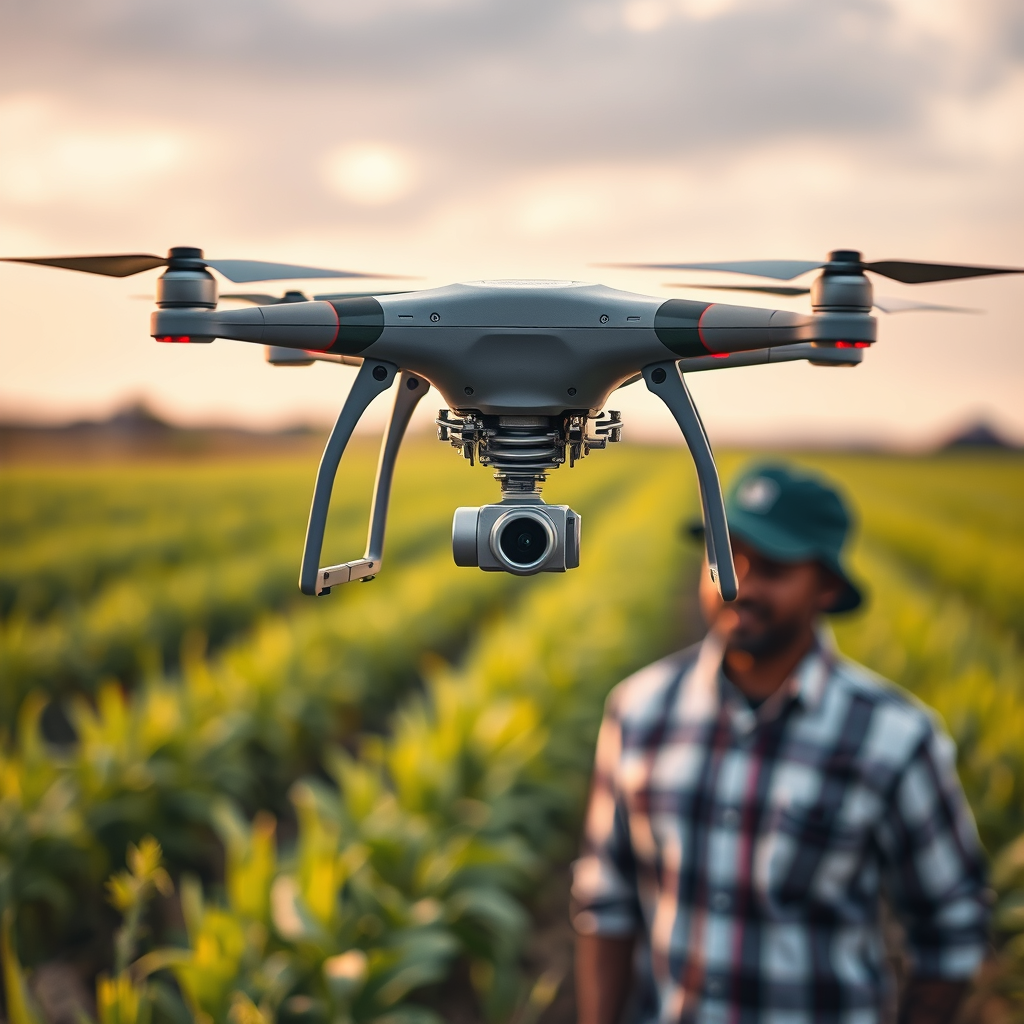
Drones are revolutionizing the agricultural sector by enabling farmers to monitor crop health with unprecedented accuracy. Using high-resolution imaging technology, drones can capture detailed aerial photographs that reveal the condition of crops, identify disease outbreaks, and assess water usage. For instance, drones equipped with multispectral sensors can gather data on plant health by capturing specific wavelengths of light, allowing farmers to make informed decisions about irrigation and fertilization.
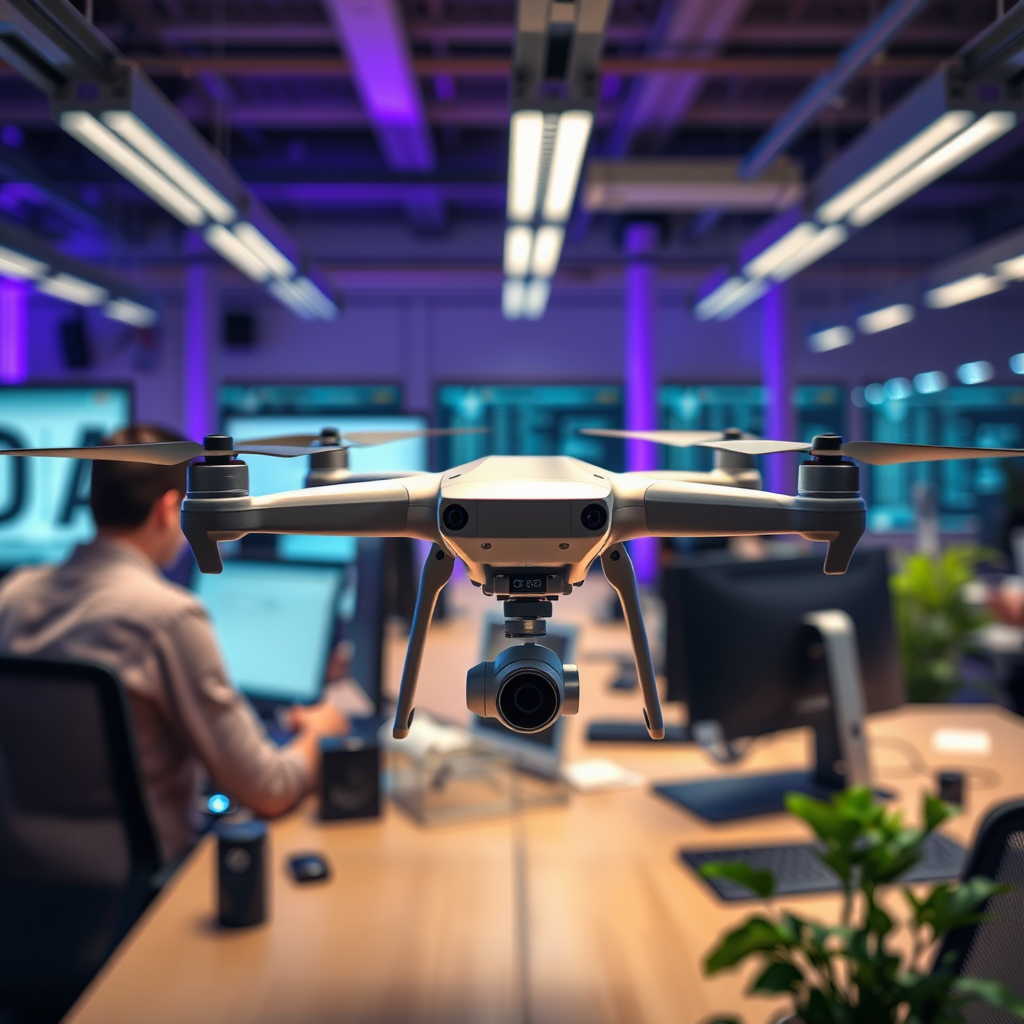
Additionally, drones play a crucial role in precision agriculture, a farming management concept that utilizes technology to optimize field-level management. By monitoring irrigation patterns and nutrient levels, drones can help farmers apply resources more efficiently, ultimately leading to increased yields and reduced waste. With the ability to cover large areas quickly, drones can also facilitate timely interventions, such as targeted pesticide application, ensuring that crops receive the necessary care without unnecessary chemical exposure.
Aerial Photography and Filmmaking
In the realms of photography and filmmaking, drones have transformed the way visual stories are told. They offer filmmakers and photographers the ability to capture breathtaking aerial shots that were once only possible with expensive helicopter rentals or cranes. This democratization of aerial cinematography has made it accessible to independent filmmakers and hobbyists alike.
Drones are commonly used at events such as weddings, sports competitions, and concerts, providing unique perspectives that enhance the overall viewing experience. Real estate marketing has also been radically changed, with agents utilizing drone footage to showcase properties from above, thereby highlighting landscapes and neighborhood features that ground-level photography cannot capture. Notably, the rise of drone technology has led to increased demand for skilled drone operators, underscoring the importance of training and certification in this expanding field.
Search and Rescue Operations
The application of drones in search and rescue operations has proven to be a game-changer, particularly in emergencies where time is of the essence. Drones equipped with thermal imaging cameras can quickly locate missing persons by detecting body heat, even in challenging terrains such as forests, mountains, or disaster-stricken areas. This capability significantly diminishes search times and increases the likelihood of successful rescues.
For instance, during natural disasters like floods or earthquakes, drones can cover large areas rapidly, providing real-time data and imagery to rescue teams on the ground. This capability allows emergency responders to identify safe routes and assess damage without putting human lives at risk. Furthermore, drones can be deployed in hazardous environments, such as during fires or chemical spills, to gather information and guide rescue operations while ensuring the safety of personnel.
Infrastructure Inspection
Drones have become an invaluable tool in the inspection of critical infrastructure, such as bridges, power lines, and buildings. Traditional inspection methods often require scaffolding or ladders, which can be both time-consuming and dangerous. Drones, on the other hand, can perform inspections from the air, capturing high-resolution images and videos that help identify maintenance issues without the need for physical access.
For example, utility companies use drones to inspect power lines and wind turbines for wear and tear, enabling them to address potential problems proactively. Additionally, infrastructure inspections conducted via drones can uncover issues like structural cracks or corrosion that may not be visible from the ground. This proactive approach not only enhances safety but also reduces maintenance costs by addressing issues before they escalate into more significant problems.
Delivery Services
The advent of drone technology has spurred the development of innovative delivery services, aiming to expedite shipping processes and improve logistics efficiency. Companies like Amazon and UPS are actively exploring drone delivery systems to transport goods quickly to consumers, particularly in urban areas. Drones can navigate traffic and reach destinations faster than ground vehicles, providing a competitive advantage in the e-commerce landscape.
Moreover, drones are particularly beneficial for delivering supplies to remote or underserved locations where traditional delivery methods may falter. For example, in rural areas or during natural disasters, drones can deliver essential goods such as medical supplies, food, and water, ensuring that communities receive critical resources when they need them most. This capability underscores the potential for drones to enhance supply chain resilience and improve access to goods.
Environmental Monitoring
Drones are increasingly being employed for environmental monitoring and conservation efforts. Their ability to fly over vast areas and capture detailed imagery makes them ideal for tracking wildlife populations, monitoring habitats, and assessing changes in ecosystems. For instance, researchers use drones to observe animal behaviors and migration patterns without disturbing the natural environment, providing valuable data for conservation efforts.
Additionally, drones are instrumental in assessing the effects of climate change and human activities on ecosystems. They can monitor deforestation, track changes in land use, and assess the health of coral reefs, offering insights that inform conservation strategies. By providing accurate, up-to-date information, drones facilitate more effective environmental management and help protect vital ecosystems.
Military and Defense Applications
Drones have long been a staple in military and defense operations, offering capabilities that enhance situational awareness and operational efficiency. Used for surveillance and reconnaissance missions, drones can gather real-time data and imagery from high-risk areas without putting personnel in danger. This advantage allows military strategists to make informed decisions based on accurate intelligence.
Moreover, drones can be deployed in various roles, including target acquisition and logistical support. Their ability to operate in hostile environments makes them valuable assets for modern military operations. As technology continues to advance, the applications of drones in defense are expected to expand, with potential developments in areas such as autonomous operations and advanced sensor technologies.
In conclusion, drones are transforming a myriad of sectors by enhancing efficiency, safety, and creativity. From agriculture to military applications, their versatility is reshaping how industries operate and address challenges. As technology continues to advance, the potential applications of drones will only expand further, solidifying their status as an indispensable tool in modern society. Explore how you can leverage drone technology in your field today and stay ahead in this rapidly evolving landscape.
Frequently Asked Questions
What are the most common applications for drones in various industries?
Drones are increasingly used across multiple industries due to their versatility and efficiency. In agriculture, they assist with crop monitoring and precision farming, while in construction, they provide aerial site surveys and progress tracking. Additionally, drones are utilized in real estate for stunning aerial photography, in logistics for package delivery, and in emergency services for search and rescue operations. Their ability to capture high-quality data from an aerial perspective makes them invaluable in these sectors.
How can drones be used for environmental monitoring?
Drones are a powerful tool for environmental monitoring, enabling researchers to collect data on ecosystems, wildlife, and natural resources. They can be equipped with sensors to measure air and water quality, track wildlife populations, and monitor deforestation or habitat destruction. With the capability to cover large areas quickly and gather real-time data, drones help scientists and conservationists make informed decisions for environmental protection and sustainability.
Why are drones becoming popular in the film and photography industry?
Drones have revolutionized the film and photography industry by providing stunning aerial shots that were once only achievable with expensive equipment like helicopters. They offer filmmakers and photographers the ability to capture dynamic, high-resolution images from unique angles, enhancing the visual storytelling experience. Furthermore, the cost-effectiveness and maneuverability of drones make them an accessible choice for both professionals and hobbyists, leading to their growing popularity in this creative field.
Which regulations should I be aware of when using drones for commercial purposes?
When using drones for commercial purposes, it’s crucial to adhere to local and national regulations, which often include obtaining a Remote Pilot Certificate from the Federal Aviation Administration (FAA) in the U.S. Additionally, operators must comply with guidelines regarding flight altitude, no-fly zones, and maintaining visual line-of-sight. Being aware of these regulations not only ensures safety but also protects against potential legal issues and fines, making compliance essential for commercial drone use.
What are the best practices for using drones in urban areas?
Using drones in urban areas requires careful planning to ensure safety and compliance with regulations. Best practices include checking for no-fly zones, obtaining necessary permits, and conducting thorough pre-flight checks to ensure the drone is functioning properly. It’s also important to plan flight paths that avoid congested areas and to remain aware of local wildlife and people to minimize risks. By following these guidelines, drone operators can safely and effectively utilize their drones in urban environments while respecting local laws.
References
- https://en.wikipedia.org/wiki/Unmanned_aerial_vehicle
- https://www.faa.gov/uas
- https://www.nasa.gov/mission_pages/Global_Hawk/overview/index.html
- https://www.ncbi.nlm.nih.gov/pmc/articles/PMC6314275/
- https://www.sciencedirect.com/science/article/pii/S2351978917301194
- https://www.usda.gov/topics/farming/precision-agriculture-and-drones
- https://www.theguardian.com/technology/2021/jul/26/drones-use-cases-technology-innovation
- https://www.researchgate.net/publication/341107217_Applications_of_Drones_in_Agriculture_A_Review
- https://www.abc.net.au/news/2020-10-22/drones-in-emergency-management/12867860
