

Where you can fly a drone in Boulder
In Boulder, you can fly drones in many public outdoor areas, but only when you follow FAA rules and any local city restrictions. The safest way to choose a spot is to prioritize wide-open parks, verify airspace status first, and avoid sensitive sites like schools, hospitals, and crowded venues.
The key difference between “possible” and “allowed” is whether the location matches both airspace eligibility and local operational limits. The FAA defines lawful small UAS operations as flying under 400 feet above ground level, staying within visual line of sight (VLOS), and operating in a manner that does not interfere with other aircraft.
Understand Boulder drone regulations before you take off
Boulder drone flying is governed by the FAA’s national framework and additional local constraints that can vary by site and time. Before launch, confirm you meet the federal requirements and check whether the City of Boulder has posted temporary or location-specific limits.
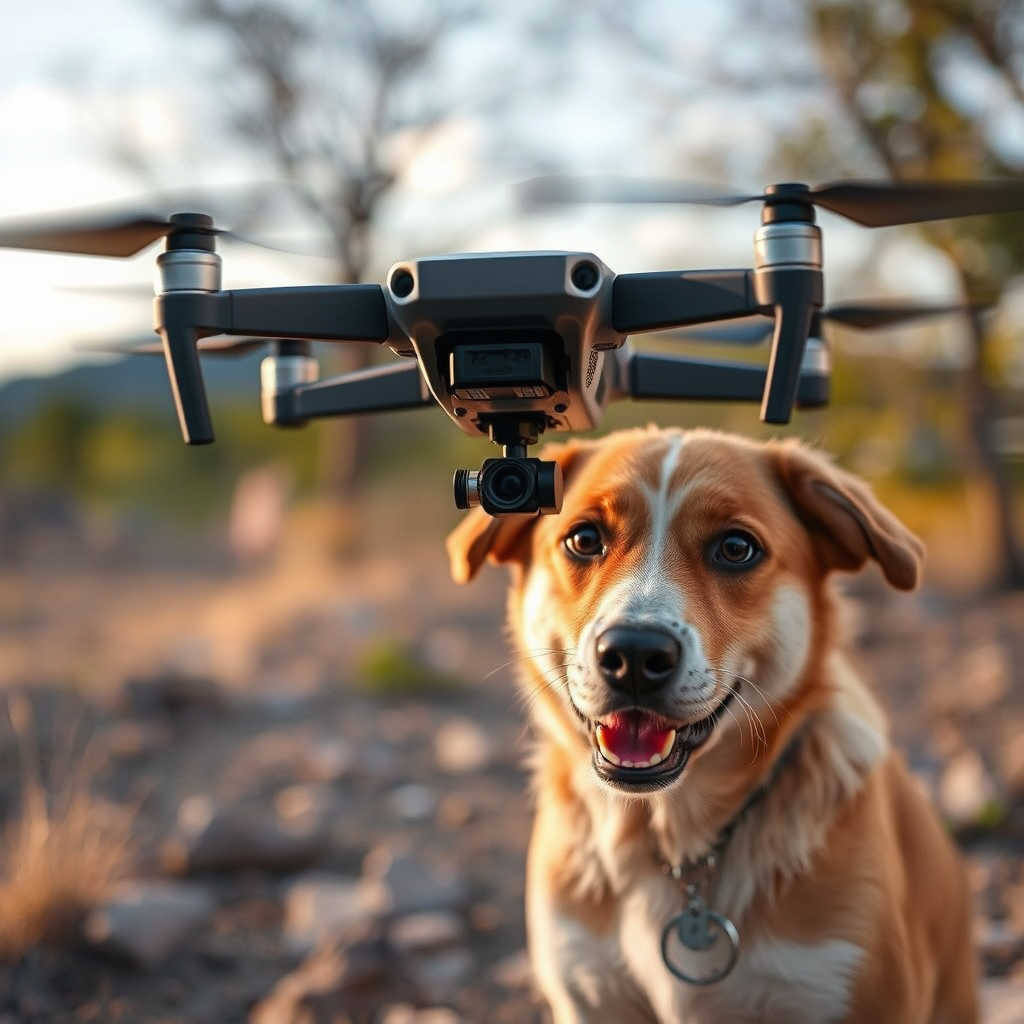
The FAA rule for most recreational and many common commercial operations is straightforward: drones must be flown below 400 feet and within visual line of sight. “Within visual line of sight” is defined as the pilot being able to see the drone unaided by binoculars or screens that substitute for direct sight, while maintaining safe separation from people, property, and aircraft.
The key difference is that airspace rules are not only about altitude. Many areas near airports, heliports, and controlled airspace require authorization or impose flight limitations, so you should check the latest maps before you fly.
What to check every time (airspace and temporary restrictions)
Before every flight in Boulder, check whether the sky over your chosen area is open for your type of operation. You should also look for temporary restrictions tied to events, emergency activity, or special use airspace.
- FAA airspace status: Use official FAA tools to confirm whether there are sectional restrictions or controlled areas near your takeoff point.
- Temporary flight restrictions (TFRs): Search for current notices that may close airspace on short notice.
- Local guidance: Review City of Boulder drone-related rules and advisories, since parks may have additional conduct expectations even when federal rules still permit flight.
- People and crowd proximity: Avoid flying over or near crowds, busy sidewalks, and dense spectator zones.
Do you need FAA registration in Boulder?
Most drone pilots in the Boulder area must have FAA registration if their drone meets the federal criteria. Registration applies to many small unmanned aircraft, with requirements often based on the drone’s weight and intended use.
The FAA registration framework is defined as an identification requirement that helps authorities track responsible operators. If your drone is eligible, register before flight and ensure you can display the required registration markings.
Common pilot questions answered
Can I fly above 400 feet in Boulder? In most cases, no; the baseline FAA requirement for many routine operations is below 400 feet unless you have specific authorization or you are operating under an approved framework.
Can I fly beyond visual line of sight (BVLOS) from Boulder parks? BVLOS is not the default for typical hobby or standard operations. If you want to fly farther than VLOS, you generally need specialized authorization and procedures.
Can I fly near schools or hospitals in Boulder? Even when general FAA rules allow flight, you should treat sensitive facilities as high-risk locations and avoid them, especially if they involve crowds, security constraints, or site-specific local limits.
Best parks for drone flying in Boulder
The best Boulder locations for drones are generally the places with open fields, good sightlines, and fewer obstacles. Parks that offer wide, controllable environments help you stay within visual line of sight and reduce the chance of interfering with other park users.
However, park popularity matters. A location can be scenic and spacious yet still be a poor choice during peak weekends or during events when crowds gather. The safest strategy is to fly during off-peak hours and be ready to land if you notice people entering your flight area.
Drone Spot Fit for Boulder (Practical Pilot Readiness)
| # | Boulder Launch Area | Best For | Typical Weekend Crowd Risk | Safety Buffer Score |
|---|---|---|---|---|
| 1 | North Boulder Park | Training flights | Low★ | 9/10 |
| 2 | Boulder Reservoir (West Shore) | Smooth panoramas | Medium★ | 8/10 |
| 3 | Scott Carpenter Park | Cinematic tracking | Medium★ | 7.5/10 |
| 4 | Valmont City Park | Beginner practice loops | Medium★ | 7/10 |
| 5 | Chautauqua Park | Flatirons views | High★ | 6/10 |
| 6 | Flatirons Vista Area (Accessed from Public Overlook Trails) | Altitude-stable shots | High★ | 5.5/10 |
| 7 | Boulder Creek Greenway (Widest Public Segments) | Riverside fly-bys | Medium★ | 6.5/10 |
Chautauqua Park
Chautauqua Park is a popular Boulder destination with dramatic Flatirons views that can produce high-quality aerial photos and videos. The open viewpoints make it attractive to drone pilots, but crowd levels can rise quickly.
The key difference here is crowd dynamics: Chautauqua tends to be busier on weekends and during special activity periods, which increases the operational burden of maintaining safe separation. If you fly there, prioritize conservative altitudes, short bursts, and frequent situational checks to avoid flying over or too close to other visitors.
Chautauqua is also known for its scenic terrain. Use that terrain to your advantage by planning flight paths that keep the drone within your direct sight and keep people in mind at all times.
North Boulder Park
North Boulder Park is a strong option when you want open space and a calmer atmosphere compared to more iconic viewpoints. Its fields can support controlled practice flights and steady cinematic maneuvers.
The key difference is predictability of the environment. When fewer people are present and the layout offers clear lines of sight, it is easier to keep your drone within visual line of sight while maintaining a safe buffer from park users.
If you plan photography, take advantage of the park’s broad sightlines for smooth approaches and gentle lateral tracking shots. Always remain prepared to adjust or end the flight if foot traffic increases.
Open spaces and nature areas for drone pilots
Boulder’s open space network can be appealing for drone flying because it often provides expansive views and long sightlines. The tradeoff is that access rules and site sensitivity can vary by parcel, habitat, and managed recreation areas.
Open space areas are defined as publicly managed lands set aside for conservation and recreation, often with specific restrictions designed to protect wildlife and visitors. The right move is to confirm whether the specific site you intend to fly over allows drone activity and whether there are seasonal or operational limits.
Boulder Open Space areas (check the specific parcel first)
Boulder Open Space may include zones that are suitable for recreational flight, particularly where there is less crowd density. Before you take off, verify the rules for the exact zone and confirm that you are not operating in an area with additional limitations.
- Use local maps and parcel guidance: Drone permission can depend on the exact segment of open space.
- Plan for wildlife awareness: Keep distance from nesting or visible wildlife and avoid disturbing animals.
- Respect trail users: Even in open terrain, trails can create unexpected foot traffic.
The key difference is precision. A general statement that “open spaces are good for drones” is not enough; you should confirm whether the specific area is designated for drone activity and whether there are time-based or behavioral expectations.
Locations to avoid for safety and compliance
Some Boulder areas are not ideal for drone flying, even if they look like they have open space. Avoiding high-risk locations protects you from penalties, reduces safety incidents, and improves trust with the community.
High-risk areas commonly restricted or discouraged
- Near airports and controlled airspace boundaries: Controlled airspace may require authorization, and the consequences of unauthorized entry can be serious.
- Crowded public gatherings: Events, festivals, and busy weekend zones raise the likelihood of unsafe proximity.
- Schools, hospitals, and similar sensitive sites: Many pilots avoid these locations because they attract strict scrutiny and elevated public-safety considerations.
- Major roadways and bridges during peak traffic: Wind, obstruction, and public risk increase operational danger.
If you are unsure, the best operational rule is to choose a different launch point rather than gamble on interpretation. Compliance is not just about what you can technically do; it is about what you can do safely and lawfully.
Quick decision checklist for choosing a launch spot
Use a short checklist to decide whether a Boulder location is appropriate before you launch. This helps you avoid the most common problems: airspace conflicts, crowd proximity, and site-specific restrictions.
Pre-flight checklist (fast and practical)
- Altitude: Plan to stay under 400 feet AGL for standard operations unless you have approved authorization.
- Visual line of sight: Confirm you can see the aircraft directly at all times during flight.
- People buffer: Avoid overflying people and keep a wide safety margin from crowds and trail users.
- Airspace confirmation: Check current FAA information for the exact takeoff area.
- Local and temporary restrictions: Verify whether there are temporary limits due to events or advisories.
The key difference between a smooth day and a difficult one is preparation. When you confirm airspace and site rules up front, you reduce the chance of interruptions or enforcement issues.
Conversational FAQ: Where can I fly a drone in Boulder?
What is the easiest place to fly a drone in Boulder for beginners?
North Boulder Park is often a practical choice because it offers open space and can be less crowded than some of Boulder’s most scenic overlooks. Even then, you should fly conservatively, keep within visual line of sight, and choose off-peak hours.
Are parks like Chautauqua Park always allowed for drones?
Chautauqua Park is frequently used by visitors for scenic activities, but drone permission depends on current rules, crowd conditions, and any temporary restrictions. Treat weekends and events as higher-risk times and be prepared to land if safety separation becomes difficult.
Can I fly in Boulder Open Space areas without checking maps?
No. Boulder Open Space rules can vary by parcel and may include restrictions meant to protect wildlife and recreation experiences. Confirm the specific zone before flying.
Where can I find the most reliable drone guidance for Boulder?
Start with the FAA for baseline national requirements like the 400-foot limit and visual line of sight. Then verify local city guidance and any park-specific expectations so you match both federal and local requirements.
📋 About This Article
This article helps you find safe, legal places to fly a drone in Boulder by matching the right locations with federal and local rules. It’s for drone pilots who want practical guidance before takeoff, whether you’re a beginner or flying for fun. You’ll learn which kinds of public areas are best, how to check airspace status, and what nearby places to avoid.
Frequently Asked Questions: Where Can I Fly a Drone in Boulder?
Where are the safest places to fly a drone in Boulder?
In Boulder, the safest places to fly are typically areas that are (1) away from people and property, (2) away from airports and approach paths, and (3) suitable for visual line-of-sight flying. Common examples include designated open spaces and sports/recreation areas where flying is permitted by local rules. Even in those areas, you’ll want to check airspace restrictions (controlled airspace, temporary flight restrictions, and local overlays) before takeoff, keep a careful watch for manned aircraft, and follow U.S. FAA rules. Also confirm any park-specific or property-specific rules because “open space” doesn’t always mean “open for drones.”
Are there specific drone-friendly parks or open spaces in Boulder?
Boulder has many parks and open-space areas, but drone permissions can vary by location and time. Some areas may allow drone use only under certain conditions (for example, maintaining distance from trails and crowds, using appropriate height limits, or avoiding sensitive wildlife habitats), while others may prohibit drones entirely. The best approach is to cross-check each potential location in three steps: (1) FAA airspace via the LAANC/FAA UAS tools, (2) any local Boulder/park rules posted for that property, and (3) real-world safety conditions—wind, nearby events, and the presence of people on trails. If you plan to film, consider scouting the site in daylight first to identify where you can safely fly and land without crossing through crowds or restricted zones.
Can I fly a drone at Boulder Reservoir or along the Boulder Creek Greenway?
You may be able to fly near places like Boulder Reservoir or along the Boulder Creek Greenway, but you must verify both FAA airspace constraints and the applicable rules for the specific area. These popular recreation corridors tend to have higher foot traffic, and local rules often prioritize public safety and wildlife/watershed protection. If drone use is allowed, you’ll generally need to keep the aircraft well away from people, avoid hovering over crowds, and maintain line of sight. If the site is hosting events or has heavy pedestrian activity, it’s usually safest to postpone or choose a more appropriate location. Always confirm whether the area has additional restrictions beyond general FAA regulations.
Do I need FAA authorization to fly in Boulder, and how do I check?
Potentially yes. In many parts of the U.S., including areas near major airports or controlled airspace, you may need to request authorization to fly—especially if you want to operate in controlled airspace or above certain altitudes. To check, use FAA resources such as the official FAA UAS/UAS Facility Maps (including LAANC where available) to determine the airspace classification and whether you must request permission. Also review any temporary restrictions (TFRs) that may be active on the day you plan to fly. Beyond authorization, follow FAA operational requirements (for example, staying within legal altitude limits, maintaining visual line of sight unless you’re operating under an appropriate waiver, and respecting airspace and safety rules).
What are the common restrictions to follow when flying drones in Boulder?
Common restrictions include: (1) maintaining visual line of sight and keeping the drone within allowable altitude limits; (2) avoiding restricted or prohibited airspace and obtaining authorization when required; (3) not flying near airports, heliports, or other sensitive airspace; (4) keeping distance from people, property, and moving vehicles; and (5) following local park/open-space rules, which may include bans or limitations based on crowd levels, wildlife, or watershed considerations. You should also be mindful of privacy laws and local ordinances related to recording in public spaces. If you’re unsure whether a location is allowed, choose another site or contact the relevant land manager for confirmation. When in doubt: land the drone and reschedule.
References
- Location, location, location: considerations when using lightweight drones in challenging environ… Google Scholar
https://zslpublications.onlinelibrary.wiley.com/doi/abs/10.1002/rse2.58 - Drones in science: Fly, and bring me data Google Scholar
https://www.nature.com/articles/498156a - Using unmanned aircraft systems for live event monitoring: The benefits of aerial observation Google Scholar
https://www.ingentaconnect.com/content/hsp/jbcep/2020/00000014/00000002/art00006 - Remote, Rugged Field Scenarios for Archaeology and the Field Sciences: Object Avoidance and 3D Fl… Google Scholar
https://www.mdpi.com/2072-4292/16/8/1418 - Board 134: Engineering Education Using Inexpensive Drones Google Scholar
https://peer.asee.org/board-134-engineering-education-using-inexpensive-drones.pdf
📅 Last Updated: July 03, 2026 | Topic: Where Can I Fly a Drone in Boulder: Key Locations | Content verified for accuracy and freshness.
