

You can fly a drone in the UK in various locations, provided you adhere to the regulations set by the Civil Aviation Authority (CAA). Popular areas include parks, fields, and designated drone flying zones. Understanding the rules and suitable locations is essential for safe and legal flying. This blog post will explore the UK drone regulations, popular locations, urban flying considerations, safety guidelines, resources for pilots, and tips for responsible drone operation.
Understanding UK Drone Regulations
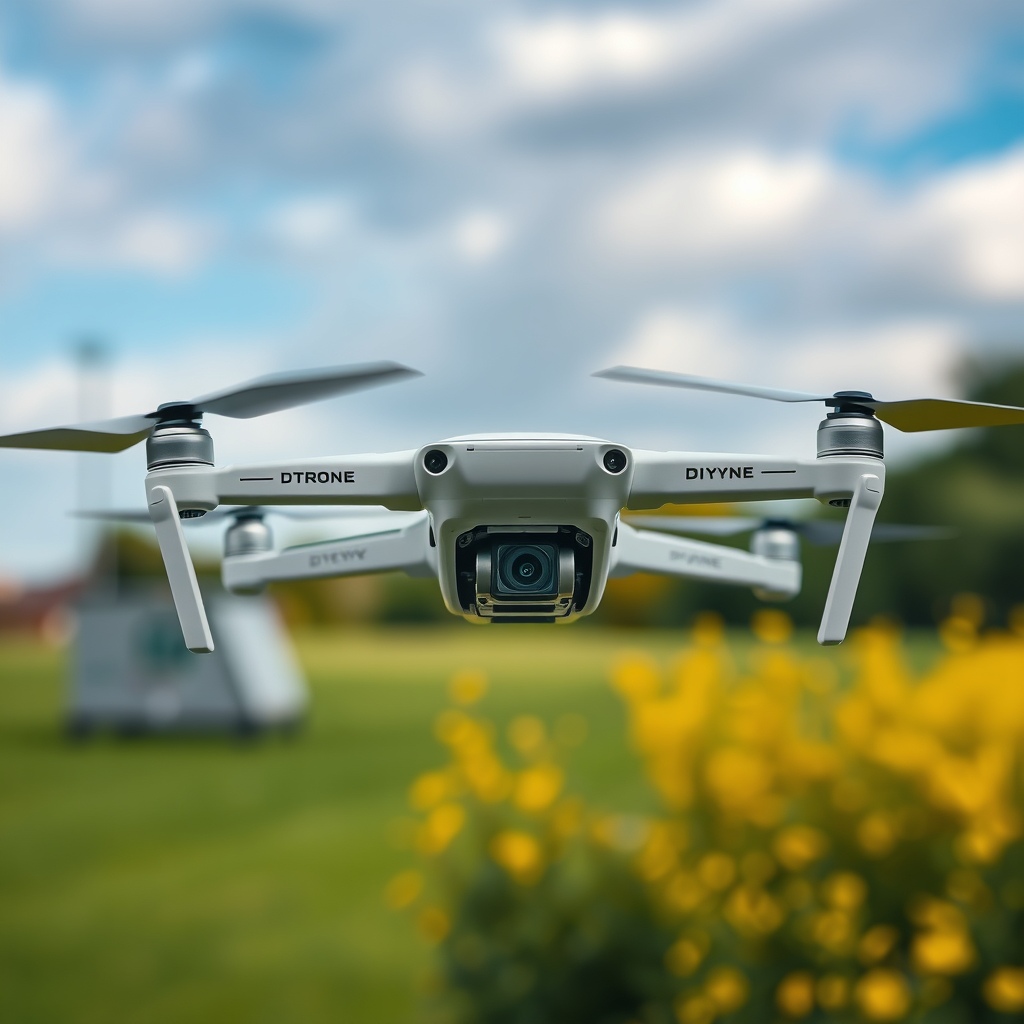
The legal framework governing drone operations in the UK is primarily outlined by the CAA, which mandates that all drone pilots comply with specific regulations to ensure safety and accountability in the skies. One of the key requirements is registration for all drones weighing over 250 grams. This process involves obtaining an operator ID and a flyer ID, which must be displayed on the drone, promoting responsible ownership and accountability.
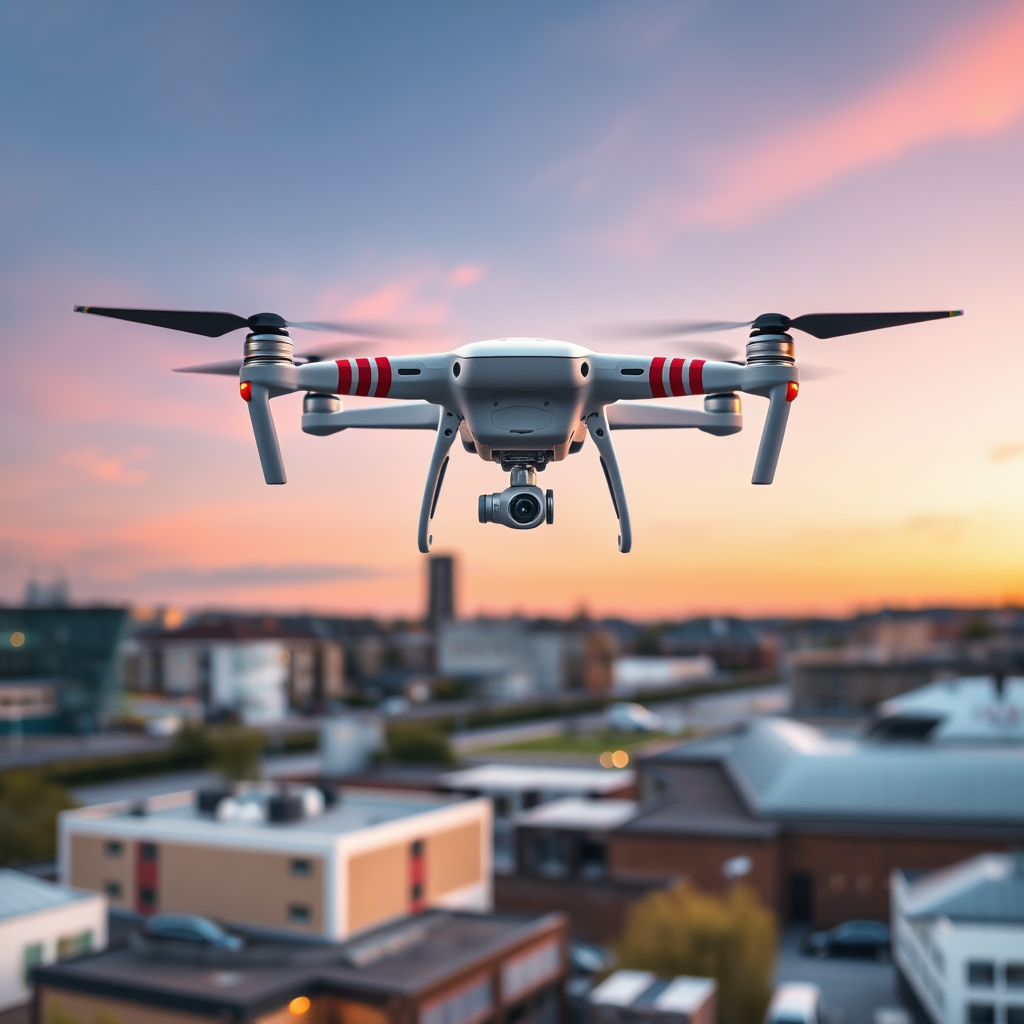
Pilots must also maintain a line of sight with their drone at all times, which means they should be able to see the drone without the aid of binoculars or other visual enhancement tools. This regulation is vital for avoiding collisions with other aircraft and ensuring the safety of people and property on the ground.
Certain areas are restricted from drone flights, including locations near airports, military bases, and densely populated places. The CAA has implemented these regulations to minimize risks associated with drone operations in sensitive areas. It is crucial for drone pilots to familiarize themselves with the specific airspace restrictions applicable to their desired flying locations. Violating these regulations can lead to severe penalties, including fines and potential criminal charges.
Popular Locations to Fly Drones
For drone enthusiasts in the UK, numerous locations offer spectacular views and ample space for flying. National parks such as the Lake District and Snowdonia are especially popular due to their breathtaking landscapes and vast open areas. These parks provide a unique opportunity to capture stunning aerial photography, showcasing the beauty of nature from above. However, drone pilots should check with park authorities to ensure compliance with any specific regulations that may apply within these protected areas.
Open fields and rural areas are also excellent choices for drone flying, as they typically provide minimal restrictions and plenty of space to maneuver. Many rural locations allow for free flight, enabling pilots to explore the countryside while avoiding the congested environments of urban areas.
Additionally, designated drone flying zones have been established in various cities across the UK. These zones are marked by local authorities and are designed to facilitate urban drone flight while minimizing risks to the general public. Cities like London and Manchester have specific parks and recreational areas where drone flying is permitted, making them ideal for urban drone pilots seeking to capture dynamic cityscapes.
Flying Drones in Urban Areas
Flying drones in urban settings presents unique challenges and considerations. Before taking to the skies in a city, it is important to check local regulations, as municipalities may impose specific restrictions on drone flights. Some areas may have no-fly zones or require permits for drone operation, particularly in places with high pedestrian traffic or critical infrastructure.
When flying in urban environments, look for parks or open spaces that explicitly allow drone flying. Many urban parks have designated areas where drone enthusiasts can operate without the risk of disturbing others. Familiarizing yourself with these locations can enhance your flying experience while ensuring compliance with local laws.
Additionally, privacy concerns are paramount when flying near residential areas. Pilots should respect the privacy of individuals and avoid flying over private property without explicit permission. Being mindful of these considerations can prevent potential conflicts and foster a positive relationship between drone pilots and the public.
Safety Guidelines for Drone Pilots
Safety is the cornerstone of responsible drone operation. Before each flight, pilots should conduct a thorough pre-flight check to ensure that their drone is in optimal condition. This includes inspecting the battery levels, checking the functionality of the control system, and ensuring that the propellers are secure. A well-maintained drone is less likely to experience malfunctions during flight, reducing the risk of accidents.
Adverse weather conditions can significantly impact drone performance. Pilots should avoid flying in high winds, heavy rain, or fog, as these conditions can impair visibility and control. It is advisable to monitor weather forecasts and choose a flying time when conditions are favorable.
Respecting wildlife is another crucial aspect of drone safety. Pilots should avoid disturbing animals, particularly in natural reserves or areas where wildlife is known to inhabit. Staying a respectful distance from wildlife not only protects the animals but also enhances the overall flying experience by allowing for uninterrupted nature photography.
Resources for Drone Pilots in the UK
For drone pilots seeking guidance and support, several resources are available. The CAA website is an invaluable tool, offering comprehensive guides and updates on regulations that affect drone operations. Regularly consulting the CAA website ensures that pilots remain informed about any changes in the law and can operate their drones safely and legally.
Local drone clubs and online forums also provide a wealth of information and community support. Joining a drone club can facilitate networking with fellow enthusiasts, sharing tips, and learning from experienced pilots. Online forums often feature discussions about the latest technology and best practices, fostering a sense of community among drone pilots.
Mobile apps designed for drone enthusiasts can help pilots locate suitable flying locations and check airspace restrictions. Apps such as “Drone Assist” provide real-time information about no-fly zones, ensuring that pilots can plan their flights accordingly and avoid unintentional violations.
Tips for Responsible Drone Flying
Responsibility is integral to the enjoyment of flying a drone. Pilots should always respect the privacy of others and avoid flying over private property without explicit permission. This consideration fosters a positive image of drone enthusiasts and helps to build trust within communities.
Moreover, staying informed about local laws and any temporary restrictions in your flying area is essential. Changes in regulations can occur due to events, construction projects, or seasonal restrictions, and being aware of these changes can prevent unintentional violations.
Finally, continuous education on the latest drone technology and best practices for safe flying is paramount. Pilots can take advantage of online courses, workshops, and webinars to enhance their knowledge and skills. This commitment to ongoing education not only improves safety but also enriches the overall flying experience.
In conclusion, flying a drone in the UK can be an enjoyable and fulfilling experience if you follow the regulations and choose appropriate locations. By understanding the rules, being mindful of safety, and respecting the environment and others, pilots can enjoy the freedom of flight while maintaining a responsible and legal operation. For more information, consider exploring local resources and joining a drone community to enhance your flying experience.
Frequently Asked Questions
What are the legal requirements for flying a drone in the UK?
In the UK, all drone pilots must adhere to the Civil Aviation Authority (CAA) regulations. Pilots need to register their drones if they weigh more than 250g and obtain a flyer ID, which demonstrates basic flying competence. Additionally, operators may need an Operator ID for commercial use, and it’s crucial to stay updated on the latest regulations as these can change.
Where can I legally fly my drone in the UK?
You can legally fly your drone in various open spaces, including parks and fields, but you must avoid flying near people, buildings, or restricted airspace, such as airports and military zones. Checking the CAA’s drone map can help you identify no-fly zones and areas where drone use is permitted. Always ensure you maintain a safe distance from crowds and respect privacy laws.
How can I find drone-friendly locations in the UK?
To find drone-friendly locations in the UK, you can use various online platforms and mobile apps designed for drone enthusiasts. Websites like DroneScene or AirMap provide valuable information on where you can fly, including user-generated content about local flying spots. Additionally, joining local drone clubs or forums can give you insider tips on the best places to fly your drone safely and legally.
Why can’t I fly my drone in certain areas of the UK?
Certain areas in the UK are restricted for drone flying due to safety, privacy, or wildlife conservation concerns. These include airspace near airports, military installations, and nature reserves. Additionally, urban areas often have stricter regulations to protect people and property, so it’s essential to consult the CAA guidelines and use tools like the drone map to avoid flying in prohibited zones.
What should I do if I’m unsure about flying my drone in a specific location?
If you’re uncertain about flying your drone in a specific location, the best course of action is to research the area thoroughly. Use the CAA’s guidance and tools like the drone map to check for no-fly zones or restrictions. Additionally, consider reaching out to local authorities or consult with fellow drone pilots in community forums to ensure you comply with all regulations and fly safely.
References
- https://www.caa.co.uk/Consumers/Unmanned-aircraft/Where-you-can-fly/
- https://www.gov.uk/guidance/drone-safety-when-flying-your-drone
- https://www.nationalgeographic.com/science/article/drones-in-the-uk-where-to-fly-and-what-the-rules-are
- https://www.bbc.co.uk/news/technology-49985094
- https://www.researchgate.net/publication/341174175_Drones_and_the_law_An_overview_of_the_legal_regulatory_framework_for_drones_in_the_UK
- https://www.wired.co.uk/article/drone-laws-uk-2021
- https://www.suasnews.com/2021/05/uk-drone-laws-what-you-need-to-know-to-fly-legally/
- https://www.theguardian.com/technology/2019/sep/25/uk-drone-laws-explained
