

Flying a drone under 250g is quite accessible in many locations, as they typically face fewer restrictions compared to heavier drones. These lightweight drones, often referred to as “mini” drones, provide an excellent opportunity for hobbyists and professionals alike to capture stunning aerial footage without the complexity of stringent regulations. However, understanding specific areas and the associated regulations is crucial to ensure a safe and enjoyable flying experience. This article will guide you through the best places to fly your lightweight drone and the rules you need to follow.
Understanding Drone Weight Classes
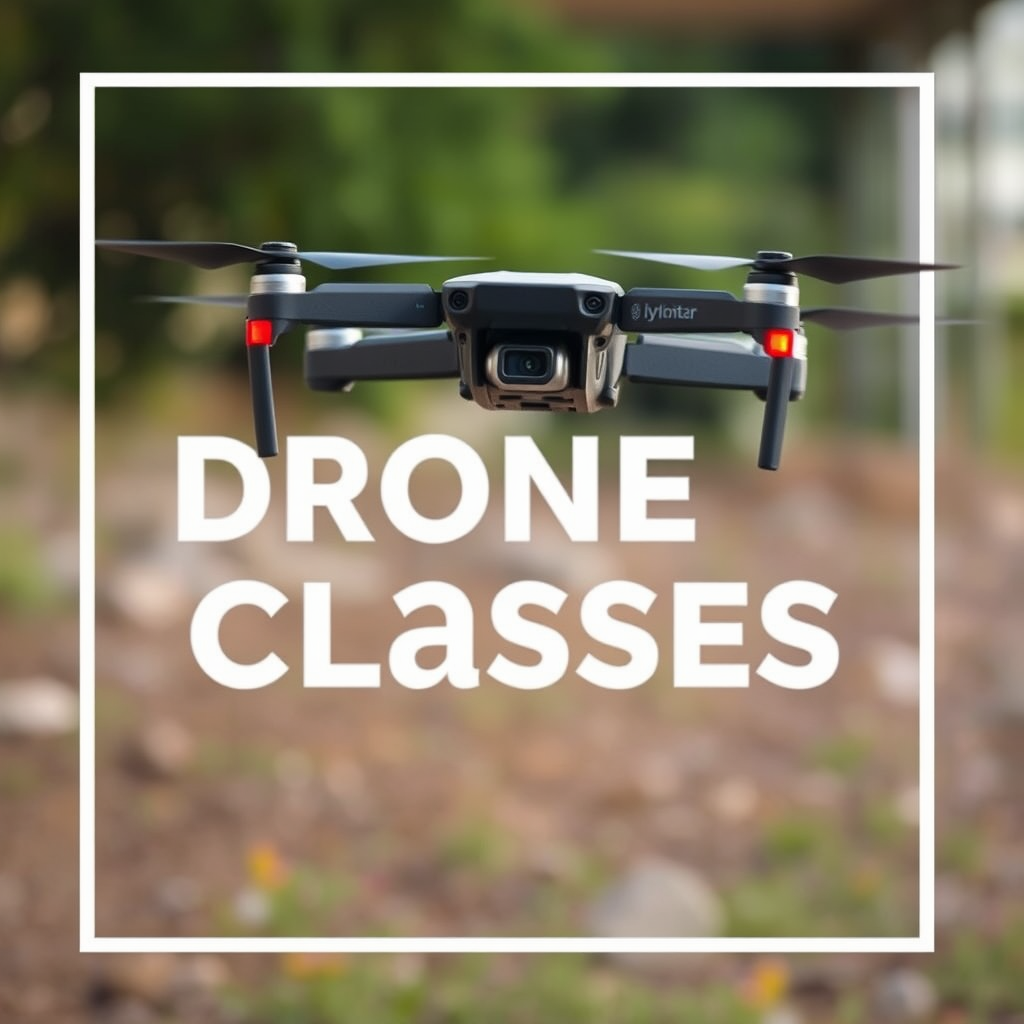
Drones under 250g are often categorized as “mini” drones, which significantly influences the regulations they must adhere to. In many countries, including the United States and various nations in Europe, drones that weigh less than 250g are exempt from several of the more stringent regulations that apply to larger drones. This includes the requirement for drone registration, as well as certain operational restrictions that may be imposed on heavier models. For instance, in the U.S., the Federal Aviation Administration (FAA) allows these lightweight drones to be flown in more locations and with fewer limitations, making them a popular choice for both amateur and experienced pilots.
The benefits of flying a drone under 250g extend beyond regulatory ease; they are generally more affordable and portable, making them ideal for casual use or travel. However, it is essential for drone pilots to remain aware of specific local regulations, as some regions or municipalities may impose their own restrictions regardless of the drone’s weight.
Public Parks and Recreational Areas
Most public parks allow drone flying, but it is crucial to check local rules before taking to the skies. In many jurisdictions, public parks are designated as permissible areas for drone operation, provided that pilots adhere to guidelines to ensure safety and respect for other park users. The presence of open spaces in parks often accommodates drone flying well, but it is advisable to look for designated flying zones within these areas.
Engaging with park authorities can provide clarity on where and when flying is permissible, as well as any specific restrictions that may apply, such as limitations on flying during busy periods or near playgrounds. The use of apps such as B4UFLY can help drone pilots identify safe areas within parks and ensure compliance with local regulations.
Open Fields and Rural Areas
Open fields and rural areas provide ample space for flying without obstructions, making them ideal for drone enthusiasts. These locations typically allow for more freedom in terms of flight maneuvers and are usually far from populated areas, adhering to safety guidelines that prohibit flying near people or structures. When flying in rural settings, it is essential to maintain visual line-of-sight with your drone and avoid areas where wildlife may be disturbed.
Additionally, rural areas often have fewer competing airspace users, which can create a more peaceful flying experience. However, drone pilots should still be mindful of local laws and property boundaries. Engaging with local landowners before flying on private land can ensure that you have the proper permissions, fostering good relationships and potentially opening up future flying opportunities.
Beaches and Coastal Areas
Many beaches permit drone flying, especially during off-peak hours when fewer people are present. Coastal areas provide stunning backdrops for photography and videography, contributing to the appeal of flying drones in these locations. However, pilots must be mindful of wildlife, particularly nesting birds and marine life, as well as local regulations regarding beach activities.
In some regions, there may be specific restrictions on flying drones near wildlife reserves or during certain times of the year, such as mating seasons for seabirds. It is advisable to consult local authorities or beach management regulations to ensure compliance. Additionally, consider the potential for high winds and changing weather conditions near the coast, and adjust your flying plans accordingly to maintain safety.
Private Property and Permission
Flying a drone on private property requires obtaining permission from the landowner, which is not only a legal necessity but also a matter of respect. Many landowners may be open to drone activities, especially if approached with courtesy and clear communication regarding your intentions. When seeking permission, it can be helpful to explain the purpose of your flight, whether for recreational use, photography, or surveying.
Establishing a rapport with local landowners can yield positive results. In some cases, they may even welcome you to fly on their property regularly, especially if it offers unique vantage points for capturing images or videos. Always ensure that you respect their boundaries and any specific requests they may have regarding where and how you fly.
Local Regulations and No-Fly Zones
Familiarizing yourself with local laws and airspace restrictions is critical for any drone pilot. Many regions have specific regulations that govern where drones can be flown, particularly in urban areas, near airports, or in designated no-fly zones. These restrictions are in place to ensure public safety and protect sensitive areas, such as military installations, airports, and wildlife habitats.
To stay updated on no-fly zones, pilots can utilize apps such as AirMap or the FAA’s B4UFLY app, which provide real-time information on restricted airspace. Additionally, checking local government websites or contacting aviation authorities can provide insights into any changes in regulations that may affect your flying plans. Understanding and adhering to these regulations not only ensures a safe flying experience but also helps foster a positive image of the drone community among the general public.
Community Groups and Events
Joining local drone clubs or online communities can greatly enhance your flying experience. These groups often provide valuable resources, support, and camaraderie among fellow drone enthusiasts. Participating in organized events where flying drones is both encouraged and regulated can offer unique opportunities for learning and improvement.
Clubs frequently host meetups and workshops, where members can share tips, discuss local regulations, and engage in friendly competitions. These gatherings can also provide access to exclusive flying locations that may not be available to the general public. Connecting with experienced pilots can help you refine your skills, learn about new technology, and stay informed about the latest developments in drone regulations.
In addition to local clubs, online platforms such as social media groups and forums can offer a wealth of information and advice. Engaging with these communities can help drone pilots navigate the complexities of flying responsibly while fostering a deeper appreciation for the hobby.
In conclusion, flying a drone under 250g opens up numerous opportunities in various locations. From public parks to rural areas, beaches, and private properties, there are many places where you can enjoy your drone flying experience. By understanding the regulations and respecting others’ spaces, you can enhance your flying experience. Always stay informed about local laws and practice responsible flying to ensure safety and enjoyment in the skies. Engaging with community groups can also enrich your knowledge and foster camaraderie within the drone flying community.
Frequently Asked Questions
What are the regulations for flying a drone under 250g in the United States?
In the United States, drones weighing under 250 grams (0.55 pounds) are generally exempt from many of the FAA’s strict regulations, making them easier to fly. However, operators must still adhere to basic safety guidelines, such as not flying near airports, avoiding crowded areas, and maintaining visual line of sight. While registration is not required for these lightweight drones, it’s advisable to stay updated on local laws, as state or municipal regulations may impose additional restrictions.
Where are the best locations to fly a drone under 250g?
The best places to fly a drone under 250g include open parks, rural areas, and designated drone flying zones, which are often marked in local regulations. Many cities have specific locations where drone flying is permitted, often highlighted through local drone clubs or online communities. Always check for any no-fly zones, especially near airports, government buildings, or other sensitive locations to ensure compliance with safety regulations.
How do I find out if a specific area is safe for flying my drone under 250g?
To determine if an area is safe for flying your drone under 250g, you can use online tools like the FAA’s B4UFLY app, which provides real-time information on airspace restrictions and local regulations. Additionally, consulting local drone clubs or forums can offer insights into popular flying spots and any potential restrictions in your area. Always double-check for temporary flight restrictions (TFRs) or events that may affect airspace usage.
Why should I choose a drone under 250g for recreational flying?
Choosing a drone under 250g for recreational flying offers several benefits, including fewer regulatory hurdles, ease of transport, and typically lower costs. These lightweight drones are often more agile and user-friendly, making them ideal for beginners. Additionally, their smaller size allows for flying in more diverse environments, such as smaller parks or backyards, where larger drones might not be permitted.
Which drone models under 250g are recommended for beginners?
Some of the top recommended drone models for beginners weighing under 250g include the DJI Mini SE, the Holy Stone HS720, and the Potensic D80. These drones are known for their stability, ease of use, and high-quality camera performance, making them great choices for new pilots. When selecting a drone, consider factors such as battery life, camera quality, and user-friendly features that can enhance your flying experience.
References
- https://en.wikipedia.org/wiki/Drone_regulations
- https://www.faa.gov/uas/getting_started/where_to_fly
- https://www.faa.gov/uas/resources/policies_regulations
- https://www.nasa.gov/mission_pages/UAV/faq/index.html
- https://www.suasnews.com/2020/07/faa-releases-new-drone-regulations/
- https://www.dronepilotgroundschool.com/where-can-i-fly-my-drone/
- https://www.caa.co.uk/Consumers/Unmanned-aircraft/Where-can-I-fly-my-drone/
- https://www.droneflyers.com/where-can-you-fly-a-drone-in-the-us/
