

To fly your 249g drone, you can operate it in most open outdoor spaces, as long as you follow the local regulations. This includes parks, fields, and certain designated areas. Understanding the specific rules and restrictions in your area is crucial for ensuring a safe and enjoyable flying experience. As the popularity of drones increases, knowing where and how to fly legally is essential for both novice and experienced drone pilots.
Understanding Drone Weight Classifications
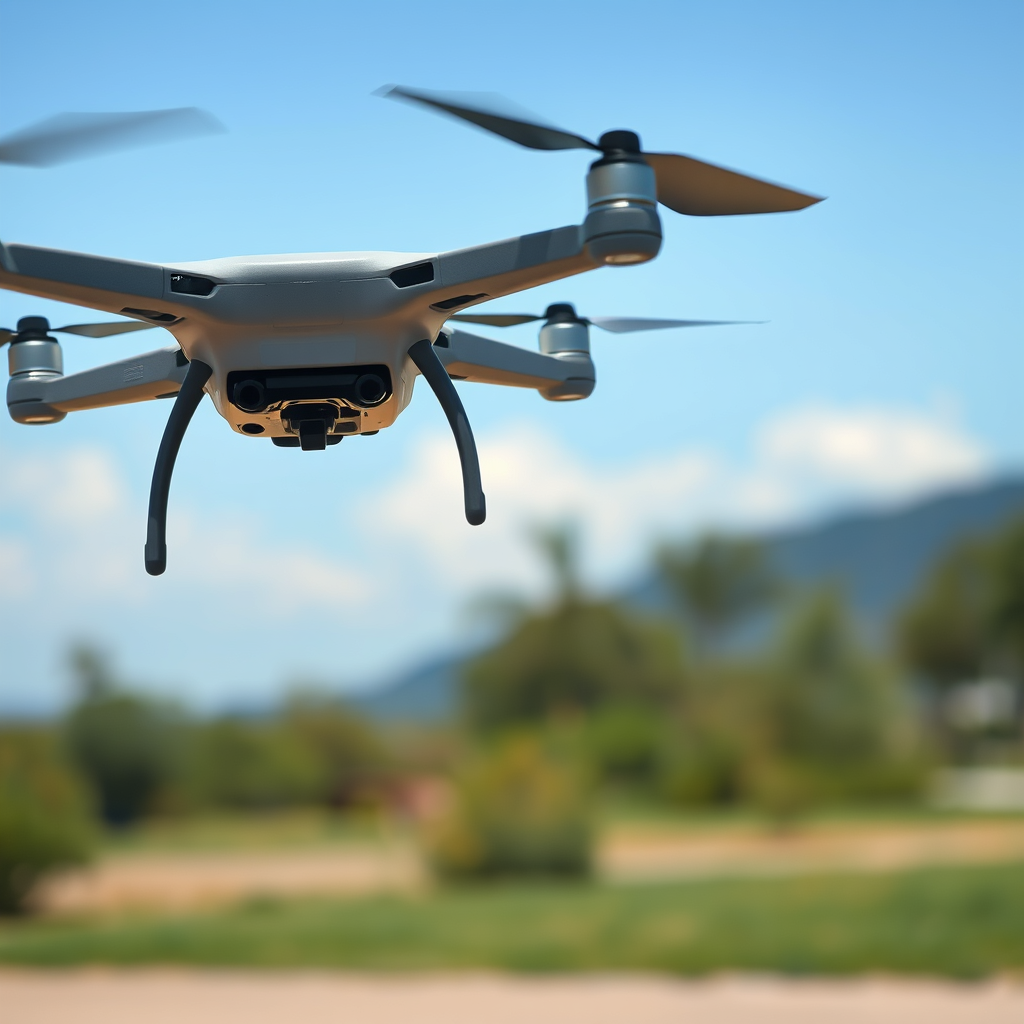
Drones under 250g are often classified as “micro” drones, which typically have fewer restrictions compared to their heavier counterparts. The FAA (Federal Aviation Administration) in the United States, for example, treats these lighter drones differently, allowing them to be flown in more diverse environments. This classification is important for users who wish to explore flying in various locations without the burden of stringent regulations.
The lighter weight of a 249g drone means that it is less likely to cause significant damage in the event of a crash, making it a popular choice for recreational use. Additionally, many countries have adopted similar classifications, allowing for greater flexibility in where these drones can be flown. However, it is still imperative to respect local laws, as regulations can vary widely.
Popular Locations for Flying 249g Drones
Local parks and recreational areas are usually great for flying, provided they allow drone use. Many parks have designated zones for drone flying, ensuring that enthusiasts can enjoy their hobby without disturbing others. Before heading out, check the park’s website or contact local authorities to confirm that drones are permitted.
Open fields and rural areas offer ample space with fewer people around, making them ideal for drone flying. The vastness of these locations allows for extended flying without the risk of encountering obstacles. However, when flying in these areas, it’s vital to consider local wildlife and any private property boundaries. Always obtain permission if flying near private land to avoid legal complications.
For example, in the United States, many state parks have embraced drone usage while implementing specific guidelines to ensure safety and compliance. Similarly, in the UK, the Civil Aviation Authority (CAA) has designated areas where drone flying is not only permitted but encouraged, enhancing the experience for users.
Legal Considerations and Regulations
Always check federal and state laws regarding drone flight; regulations can vary significantly. In the United States, the FAA has established rules that apply to all drone operators, including those flying drones under 250g. Pilots must register their drones if they exceed 250g, but since 249g drones do not fall under this requirement, users can benefit from simplified regulations. However, it’s essential to note that drone users must still adhere to guidelines such as maintaining a maximum altitude of 400 feet and not flying near airports or populated areas.
Be aware of no-fly zones, such as near airports, military bases, and certain urban areas. These restrictions are in place to ensure the safety of both the drone operator and the public. Many local governments also impose their regulations, so checking with your city or county government can provide additional clarity.
For example, in Australia, the Civil Aviation Safety Authority (CASA) has specific rules regarding drone operations, including the requirement to stay at least 30 meters away from people. Understanding these legal frameworks is vital for responsible drone operation.
Safety Guidelines for Flying Drones
Maintain visual line-of-sight with your drone at all times during flight. This ensures that you can monitor your drone’s position and react quickly to any potential hazards. Using a spotter can also enhance safety, especially in crowded areas or complex environments.
Avoid flying over people or private property without permission to ensure safety and respect privacy. Not only is this a legal concern, but it also fosters goodwill within the community. If you do need to fly in populated areas, consider flying during events where drone use is permitted, or seek out designated areas specifically set up for drone enthusiasts.
Always carry out a pre-flight checklist to ensure that your drone is in good working order. This includes checking battery levels, verifying that the camera and gimbal are functioning, and ensuring that all components are securely attached. Taking these precautions can significantly reduce the risk of accidents during flight.
Recommended Drone Flying Apps and Resources
Utilize apps like AirMap or Drone Buddy to check airspace regulations and find suitable flying locations. These applications provide real-time information on airspace restrictions, weather conditions, and other vital data that can enhance your flying experience. Users can also access community-generated reviews and tips about specific flying locations, which can be invaluable for both novice and seasoned pilots.
Local drone clubs or forums can provide insights on the best spots and share experiences. Engaging with these communities can lead to valuable networking opportunities and help you stay informed about local regulations, events, and meetups. Many of these clubs also organize group flying sessions, which can be both fun and educational.
For instance, the Academy of Model Aeronautics (AMA) offers resources for drone enthusiasts, including maps of sanctioned flying sites and educational materials on safe flying practices. Tapping into such resources can significantly enhance your understanding and enjoyment of drone flying.
Best Practices for Responsible Drone Flying
Always fly during daylight and in good weather conditions for better visibility and safety. This practice not only aids in maintaining control of your drone but also enhances the safety of those around you. Flying in clear weather conditions minimizes the risk of losing your drone due to sudden weather changes, such as wind gusts or rain.
Respect wildlife and natural habitats; avoid flying in sensitive areas where wildlife may be disturbed. Many parks and natural reserves have designated no-fly zones to protect endangered species and their habitats. Being considerate of these environments is not only ethical but also reflects positively on the drone community as a whole.
Additionally, familiarize yourself with the local wildlife, as certain areas may have specific restrictions during breeding seasons or migration periods. By being a responsible drone pilot, you contribute to a positive perception of drone flying within your community.
In conclusion, flying your 249g drone can be a fun and rewarding experience, as long as you adhere to local regulations and prioritize safety. By understanding weight classifications, exploring popular flying locations, and staying informed about legal considerations, you can enjoy your hobby responsibly. Utilize available resources and respect the environment to ensure that you and others can continue to enjoy the skies safely.
Frequently Asked Questions
What are the legal restrictions for flying a 249g drone in the United States?
In the United States, flying a drone that weighs 249 grams or less is subject to the Federal Aviation Administration (FAA) rules. While these lighter drones typically don’t require registration, pilots must still adhere to guidelines such as flying below 400 feet, maintaining visual line of sight, and avoiding restricted airspace. Additionally, it’s essential to check local regulations, as some cities and states may have stricter rules that could apply to drone operations.
How do I find safe locations to fly my 249g drone?
To find safe locations for flying your 249g drone, you can use resources like the FAA’s B4UFLY app, which provides information on airspace restrictions and nearby airports. Additionally, consider open public spaces such as parks, fields, or designated drone flying areas, ensuring that you comply with local laws and guidelines. Checking for any temporary flight restrictions (TFRs) is also advisable to avoid any legal issues during your flight.
Why should I consider flying my 249g drone in rural areas instead of urban settings?
Flying your 249g drone in rural areas can offer several advantages over urban settings, primarily due to reduced air traffic and fewer obstacles. Rural locations often provide vast open spaces, minimizing the risk of crashing into buildings or people. Furthermore, these areas typically have fewer regulations and less interference from local noise ordinances, allowing for a more enjoyable and stress-free flying experience.
What is the best time of day to fly my 249g drone?
The best time of day to fly your 249g drone is during early morning or late afternoon, often referred to as the “golden hours.” These times provide optimal lighting conditions for photography and videography, with softer sunlight that minimizes harsh shadows. Additionally, winds are generally calmer during these periods, making for smoother flights and better control over your drone.
Which apps can help me plan my drone flight for a 249g drone?
Several apps can assist you in planning your drone flight for a 249g drone, including AirMap, UAV Forecast, and Fly Safe. These apps offer features like airspace information, weather updates, and no-fly zone maps, helping you make informed decisions before takeoff. Using these tools can enhance your flying experience and ensure compliance with regulations, ultimately leading to safer and more enjoyable flights.
References
- https://www.faa.gov/uas/getting_started/where_to_fly
- https://www.faa.gov/uas/getting_started/registration
- https://www.nps.gov/articles/drone-flying-in-national-parks.htm
- https://www.ama-flights.com/flying-your-drone-in-the-usa-where-can-i-fly-my-drone/
- https://www.dronepilotgroundschool.com/drone-flying-rules/
- https://www.wired.com/story/where-can-i-fly-my-drone/
- https://www.nytimes.com/2021/04/08/business/drone-regulations.html
