

You can fly your drone in Alaska in various locations, including national parks, state parks, and private lands, provided you follow local regulations and guidelines. The expansive wilderness, dramatic landscapes, and unique wildlife of Alaska make it an exciting playground for drone enthusiasts. This guide will help you navigate the best places to fly your drone while ensuring compliance with the law, allowing you to capture the breathtaking beauty of the Last Frontier from above.
Understanding FAA Regulations in Alaska
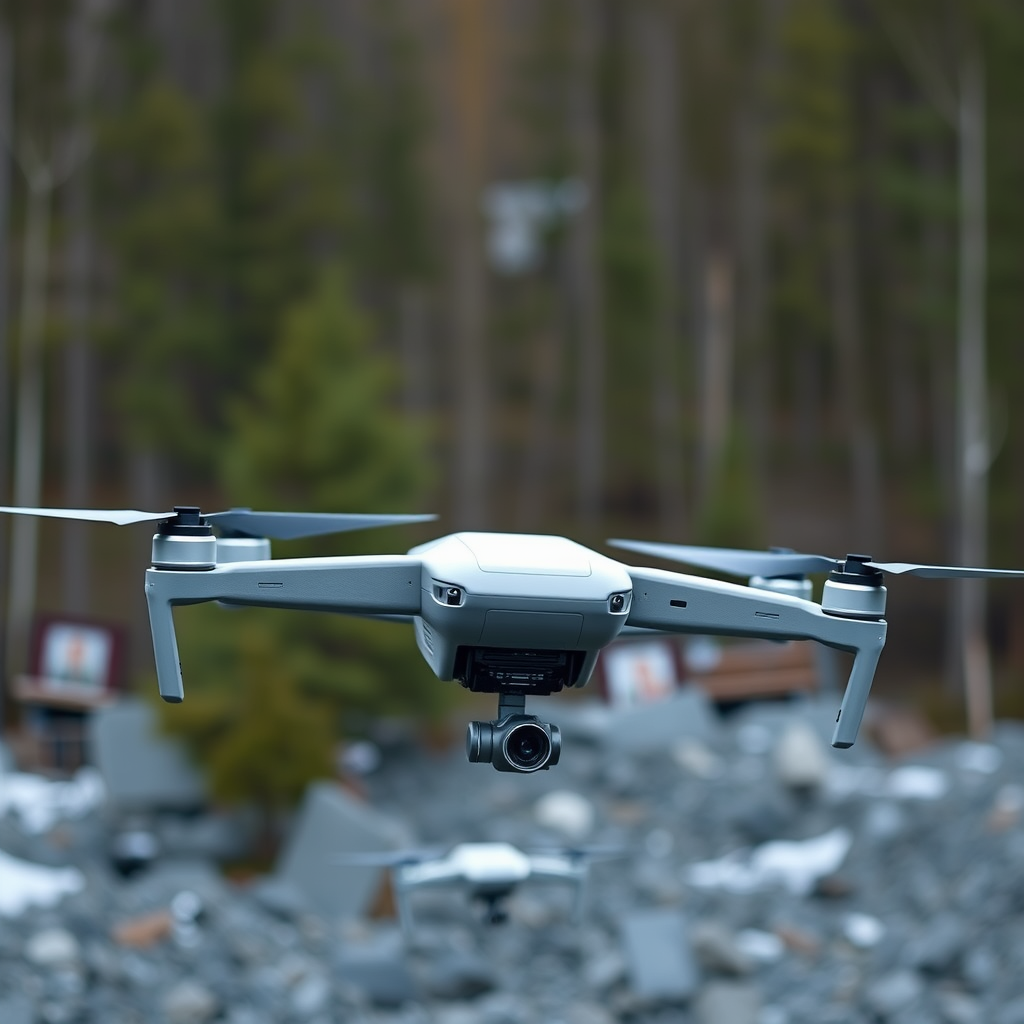
Before you take to the skies, it’s crucial to understand the Federal Aviation Administration (FAA) regulations that apply to drone operation in Alaska. Firstly, drones weighing over 0.55 pounds must be registered with the FAA. This registration process is straightforward and can be completed online, ensuring that your drone is legally compliant. Furthermore, maintaining a visual line of sight while flying your drone is mandatory; this means you should always be able to see your drone without the aid of binoculars or other visual aids.

Additionally, be aware of any temporary flight restrictions (TFRs) that may be in effect in specific areas, particularly near airports or during special events. The FAA regularly updates its regulations, so staying informed is essential for safe and legal drone operation. Understanding these regulations not only protects you from potential fines but also contributes to the overall safety of airspace in Alaska.
Popular Locations for Drone Flying in Alaska
Alaska is home to some of the most stunning and diverse landscapes in the world, making it a prime location for drone flying. One of the top spots is Denali National Park, where you can capture breathtaking views of North America’s highest peak, Denali (formerly known as Mount McKinley). The park’s vast wilderness offers endless opportunities for aerial photography, showcasing its majestic mountains and expansive tundra.
Another fantastic destination is Kenai Fjords National Park, where you can photograph glacial formations and coastal vistas. The park’s unique geography allows for incredible shots of glaciers calving into the ocean, and the surrounding wildlife, including sea otters and seals, adds an extra layer of intrigue to your footage.
In urban settings, Anchorage offers a captivating blend of cityscapes and natural beauty. The city’s proximity to the Chugach Mountains provides an excellent backdrop for aerial shots, making it an ideal spot for those who want to combine urban and natural photography in one flight.
State Parks and Recreational Areas
Alaska’s state parks and recreational areas are also excellent locations for drone flying, providing a wealth of natural beauty and diverse ecosystems. Kachemak Bay State Park is particularly notable for its dramatic coastal landscapes and abundant wildlife. Here, you can capture stunning images of sea cliffs, lush forests, and various marine animals, all from a bird’s eye view.
Chugach State Park is another prime location, offering diverse terrain ranging from alpine tundra to dense forests. The park’s expansive vistas provide numerous opportunities for unique aerial photography, allowing you to explore and capture the beauty of this vast wilderness.
For those interested in glacier photography, Matanuska Glacier is a must-visit. This easily accessible glacier provides a dramatic setting for aerial shots, featuring stunning crevasses and ice formations. Make sure to fly at safe altitudes to avoid any potential hazards while capturing the glacier’s beauty.
Restrictions in National Parks and Wildlife Refuges
While Alaska offers many opportunities for drone flying, it’s important to understand the restrictions that apply in national parks and wildlife refuges. Most national parks prohibit drone use to protect wildlife and preserve the natural environment. For instance, flying a drone in Denali National Park is strictly regulated to minimize disturbances to wildlife and visitors alike.
Check specific park regulations before you fly, as they can vary widely. For example, while drone use is prohibited in most national parks, some state parks may have more lenient policies. Additionally, national wildlife refuges have strict rules designed to minimize disturbances to animals, particularly during breeding seasons. Always consult the latest guidelines on the official park or refuge website before planning your drone flight.
Best Practices for Responsible Drone Flying
To ensure a positive experience for everyone, it is essential to follow best practices for responsible drone flying. Respecting the privacy of others is paramount; avoid flying over private property without permission. This not only maintains good relations with residents but also helps you avoid potential legal issues.
Moreover, adhering to local wildlife regulations protects animals and their habitats. Be mindful of nesting areas and seasonal migrations, and always prioritize the well-being of wildlife over your desire to capture footage.
Lastly, be courteous to other visitors when flying in crowded areas. Avoid flying near people or large gatherings, as this can create safety hazards and detract from the experience of others. By following these guidelines, you contribute to a positive drone-flying culture in Alaska.
Tips for Capturing Stunning Drone Footage
To maximize the potential of your drone and capture stunning footage, consider several key techniques. First, plan your flights during the golden hours—shortly after sunrise or before sunset. The soft, warm light during these times can dramatically enhance the quality of your images and videos, making them more visually appealing.
Experimenting with a range of heights and angles can produce dynamic shots that stand out. Varying your altitude and perspective can help you discover unique compositions that showcase the beauty of Alaska’s landscapes.
Lastly, familiarize yourself with drone photography techniques. Understanding concepts such as framing, compositional balance, and movement can significantly improve your footage quality. Taking the time to learn these skills will not only enhance your drone photography but also deepen your appreciation for the stunning scenery around you.
Resources for Drone Pilots in Alaska
For drone pilots in Alaska, numerous resources can enhance your flying experience and keep you informed about regulations. Joining local drone clubs can provide valuable community support and facilitate knowledge sharing among enthusiasts. These clubs often host meetups, workshops, and group flights, allowing you to learn from experienced pilots.
Additionally, online forums and social media groups dedicated to drone flying in Alaska can be excellent sources of current information regarding regulations, local events, and flight locations. Engaging with these communities can help you stay updated on any changes that may affect your flying.
Lastly, utilize dedicated apps for accessing weather and airspace information. Many apps provide real-time updates on weather conditions, TFRs, and airspace restrictions, ensuring that you fly safely and responsibly.
In conclusion, Alaska offers numerous breathtaking locations for drone flying, but it’s essential to adhere to FAA regulations and park guidelines. By being responsible and informed, you can enjoy capturing the stunning beauty of Alaska from the sky. Whether you’re exploring national parks, state parks, or urban landscapes, the opportunities for breathtaking aerial photography are endless. Happy flying!
Frequently Asked Questions
What are the general drone flying regulations in Alaska?
In Alaska, drone operators must adhere to the Federal Aviation Administration (FAA) regulations, which include flying below 400 feet, keeping the drone within visual line of sight, and avoiding flying near airports or populated areas. Additionally, state and local laws may impose further restrictions, so it’s essential to check for any specific regulations in the area you plan to fly your drone.
Where are the best places to fly a drone in Alaska?
Some of the best places to fly a drone in Alaska include Denali National Park, the Kenai Peninsula, and the Matanuska-Susitna Valley. These areas offer stunning landscapes, including mountains, lakes, and wildlife, which can provide breathtaking aerial shots. Always ensure you comply with local regulations, especially in national parks, where specific rules may apply to drone usage.
How do I find drone-friendly locations in Alaska?
To find drone-friendly locations in Alaska, you can use apps like AirMap or DJI’s Fly Safe to check for no-fly zones and identify areas that are permissible for drone use. Additionally, local drone enthusiast groups and forums can provide insights and recommendations on safe and scenic locations for flying your drone, as well as the latest updates on local regulations.
Why is it important to check for no-fly zones before flying my drone in Alaska?
Checking for no-fly zones before flying your drone in Alaska is crucial to ensure compliance with FAA regulations and to avoid potential fines or legal issues. Many areas, including proximity to airports, military bases, and national parks, are restricted due to safety and privacy concerns. Staying informed about these zones helps protect both you and others while enjoying your drone flying experience.
What should I do if I encounter wildlife while flying my drone in Alaska?
If you encounter wildlife while flying your drone in Alaska, it is advisable to avoid disturbing the animals by maintaining a safe distance and quickly maneuvering your drone away from them. Wildlife can be sensitive to disturbances, and the FAA encourages responsible drone use in natural settings to minimize stress on animals. Additionally, familiarize yourself with local wildlife regulations to ensure you’re flying ethically and legally.
References
- https://www.faa.gov/uas/getting_started/where_to_fly
- https://www.faa.gov/uas/
- https://www.nps.gov/articles/drone-use-in-national-parks.htm
- https://www.alaskapublic.org/2021/06/17/drones-are-the-future-of-alaska-what-are-the-rules/
- https://www.doi.gov/ppa/airspace
- https://www.adfg.alaska.gov/static/home/about/advisory/2021_drone_guide.pdf
- https://www.dronesmagazine.com/guide-flying-drones-alaska/
