

You can fly your drone in various locations across Arizona, including designated parks, recreational areas, and private lands with permission. However, it’s crucial to adhere to local regulations and guidelines to ensure a safe flying experience. Arizona’s diverse landscapes—from the breathtaking Grand Canyon to urban environments—offer ample opportunities for drone enthusiasts. Understanding the regulations and best practices for drone flying will enhance your experience while ensuring compliance with local laws.
Understanding Arizona’s Drone Regulations
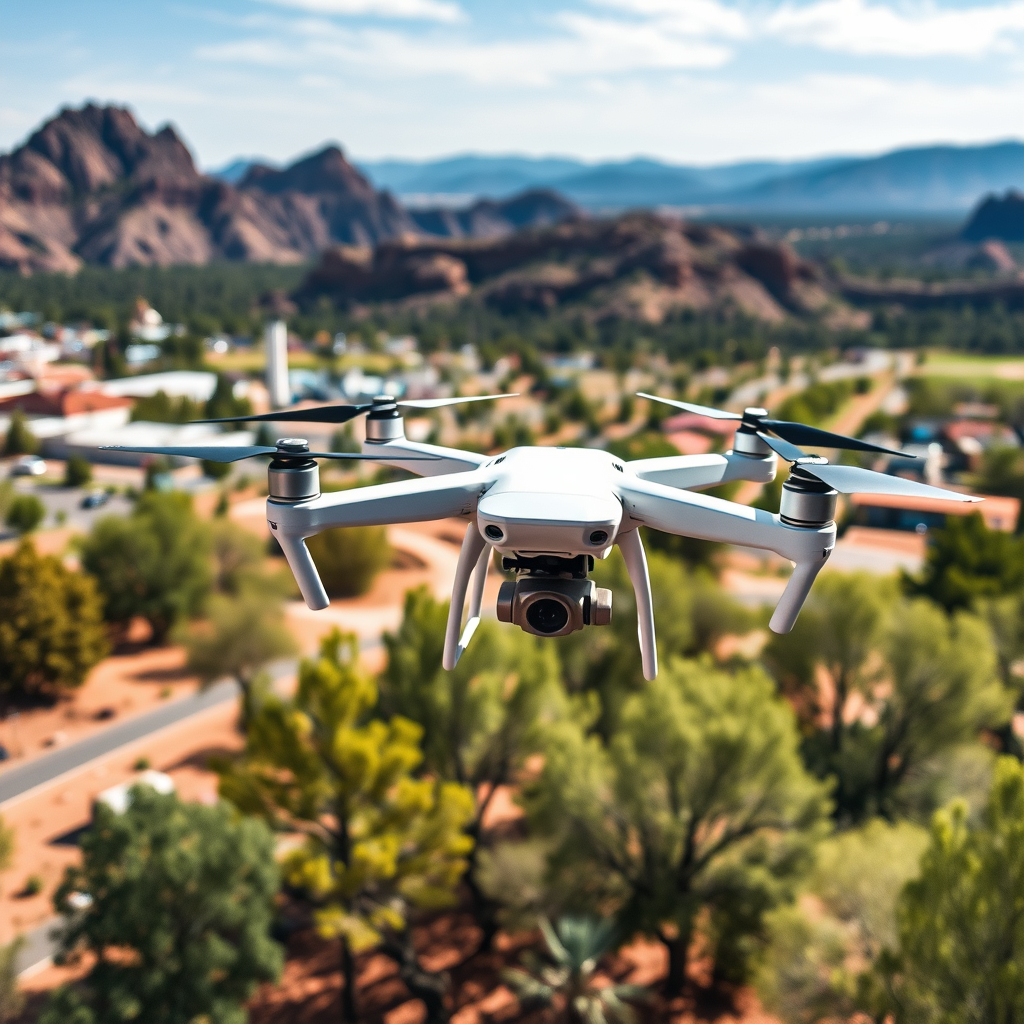
Drone flying in Arizona is governed by both federal and state regulations. At the federal level, the Federal Aviation Administration (FAA) oversees drone operations nationwide. Key regulations include the requirement for all commercial drone operators to obtain a Part 107 certification, which mandates passing an aeronautical knowledge test. Recreational flyers must adhere to guidelines such as flying below 400 feet, keeping the drone within visual line-of-sight, and avoiding flying near airports or restricted airspace.
In Arizona, there are additional state-specific laws that pilots must be aware of. For instance, Arizona has enacted legislation that prohibits drone usage over certain state-owned lands without authorization. This includes areas like state parks, where specific rules may apply. Additionally, local municipalities may have their own regulations, making it essential for drone pilots to research the specific area they plan to fly in. Failure to comply with these laws can result in fines or other legal repercussions.
Popular Drone Flying Locations
Arizona is home to a myriad of stunning locations ideal for drone flying. One of the most iconic is the Grand Canyon National Park, where breathtaking aerial views of the canyon’s vastness can be captured. However, it’s important to note that flying drones in national parks is generally prohibited without a special permit. Pilots interested in flying in such areas should apply for a permit well in advance, as these can take time to process.
Urban areas like Phoenix and Tucson also provide excellent opportunities for drone enthusiasts. In Phoenix, the expansive desert parks, such as South Mountain Park and Preserve, offer a perfect blend of urban and natural landscapes. Tucson, with its striking mountain backdrops and charming cityscape, is also drone-friendly in designated areas. However, pilots must be cautious of air traffic and local regulations, particularly in densely populated regions.
Best Practices for Drone Pilots
Safety and compliance should be the top priorities for every drone pilot. Before flying, conducting thorough pre-flight checks is essential. This includes verifying battery life, ensuring the drone’s firmware is up to date, and checking for any potential hazards in the flying area. Pilots should also familiarize themselves with the local airspace, including any temporary flight restrictions that may be in effect.
Respecting the privacy of individuals and avoiding no-fly zones is also crucial. Drones should not be flown over private property without consent, and it’s wise to steer clear of events where large gatherings of people are present. Additionally, staying informed about wildlife areas and avoiding flying in sensitive habitats will help protect Arizona’s diverse ecosystems.
Local Drone Communities and Resources
Engaging with local drone communities can significantly enhance your flying experience. Arizona boasts several drone clubs and organizations where enthusiasts can share tips, experiences, and advice. Joining these clubs not only fosters camaraderie but can also provide access to exclusive flying events and workshops.
Online resources and forums are also invaluable for drone pilots. Websites such as the FAA’s official site offer updates on regulations and airspace changes. Other platforms, like DronePilot, provide real-time information and community support. Utilizing these resources can help you stay informed about the latest trends and best practices in drone flying.
Environmental Considerations
When flying drones in Arizona, it’s essential to be aware of environmental considerations. The state is home to diverse wildlife and natural habitats, many of which can be easily disturbed by drone activity. Pilots should remain vigilant and avoid flying in areas where wildlife is present, particularly during sensitive times such as mating seasons or migration periods.
Additionally, seasonal weather changes can impact flying conditions. Arizona’s summer monsoon season brings thunderstorms, strong winds, and reduced visibility, making it crucial for pilots to exercise caution and avoid flying during inclement weather. Understanding the natural rhythms of the environment will not only ensure a safer flying experience but also contribute to the preservation of Arizona’s beautiful landscapes.
Obtaining Necessary Permits
For those interested in commercial drone flying, obtaining the necessary permits is critical. Pilots must apply for a Part 107 certification through the FAA, which includes passing a knowledge test that covers topics such as airspace classification and weather effects. Additionally, if you plan to fly in restricted areas or national parks, you must submit a permit application detailing your intended flight plan and purpose.
To fly in areas with specific regulations, such as state parks or wildlife reserves, you may also need to secure additional permits from local authorities. It’s advisable to start this process early, as permits can take time to be approved. Lastly, always keep documentation of your certifications and permits accessible during flights, as they may be requested by authorities.
In summary, Arizona offers a range of exciting opportunities for drone flying, but it’s essential to follow local regulations and respect the environment. By understanding the rules governing drone operations, connecting with local communities, and adhering to best practices, drone pilots can enjoy a safe and rewarding flying experience in this beautiful state. Whether capturing stunning aerial footage of the Grand Canyon or exploring urban landscapes, responsible flying will ensure that Arizona’s natural beauty remains accessible for future generations.
Frequently Asked Questions
What are the legal requirements for flying a drone in Arizona?
In Arizona, drone operators must adhere to both federal and state regulations. This includes registering your drone with the FAA if it weighs more than 0.55 pounds and following the Part 107 guidelines for commercial use. Additionally, it’s crucial to check for any local regulations or no-fly zones, especially around airports, military bases, and national parks, to ensure compliance and safety while flying your drone.
Where are the best places to fly a drone in Arizona?
Arizona offers numerous stunning locations for drone flying, including the picturesque landscapes of Sedona, the expansive deserts of the Sonoran Desert, and the majestic Grand Canyon. Other popular spots include Lake Powell and the Red Rock Canyon. However, always verify local regulations and obtain any necessary permits, particularly in state parks and protected areas, to ensure a hassle-free flying experience.
How can I find no-fly zones for drones in Arizona?
To find no-fly zones in Arizona, you can utilize resources like the FAA’s B4UFLY app, which provides real-time information on airspace restrictions and alerts. Additionally, checking local government websites or contacting the Arizona Department of Transportation can provide further insights into specific areas where drone operations are restricted. It’s essential to stay updated as regulations can change frequently.
Why is it important to check airspace regulations before flying my drone in Arizona?
Checking airspace regulations before flying your drone in Arizona is critical for safety and compliance. Violating airspace rules can lead to fines, penalties, or even the confiscation of your drone. Moreover, understanding local regulations helps protect wildlife and sensitive environments, ensuring that your flying experience does not endanger people or property.
What should I do if I encounter wildlife while flying my drone in Arizona?
If you encounter wildlife while flying your drone in Arizona, it’s important to prioritize the safety of the animals and the integrity of their habitats. Avoid flying too close to wildlife, as this can cause stress or harm to animals. In many areas, especially national parks or protected regions, there may be specific regulations prohibiting drone use near wildlife, so always be aware of and respect these guidelines to promote responsible drone operation.
References
- https://www.faa.gov/uas/getting_started/where_to_fly
- https://www.azgfd.com/drones/
- https://www.nps.gov/articles/drone-use-in-national-parks.htm
- https://www.azdot.gov/Business/Transportation-Planning/Transportation-Planning-Resources/Drone-Policy
- https://www.wildlife.state.nm.us/education/drone-use-in-wildlife-management/
- https://www.sciencedirect.com/science/article/pii/S2351978917300288
- https://www.abc15.com/news/local-news/drone-use-in-arizona-what-you-need-to-know
- https://www.abcnews.go.com/Technology/flying-drones-arizona/story?id=69630809
