

You can fly your drone in Connecticut at various locations, including parks, beaches, and designated flying areas. However, it’s essential to be aware of local regulations and restrictions that may apply to ensure a safe and enjoyable experience. This guide will help you navigate the best spots to enjoy your drone flying experience while adhering to the necessary legal frameworks and safety measures.
Understanding Drone Regulations in Connecticut
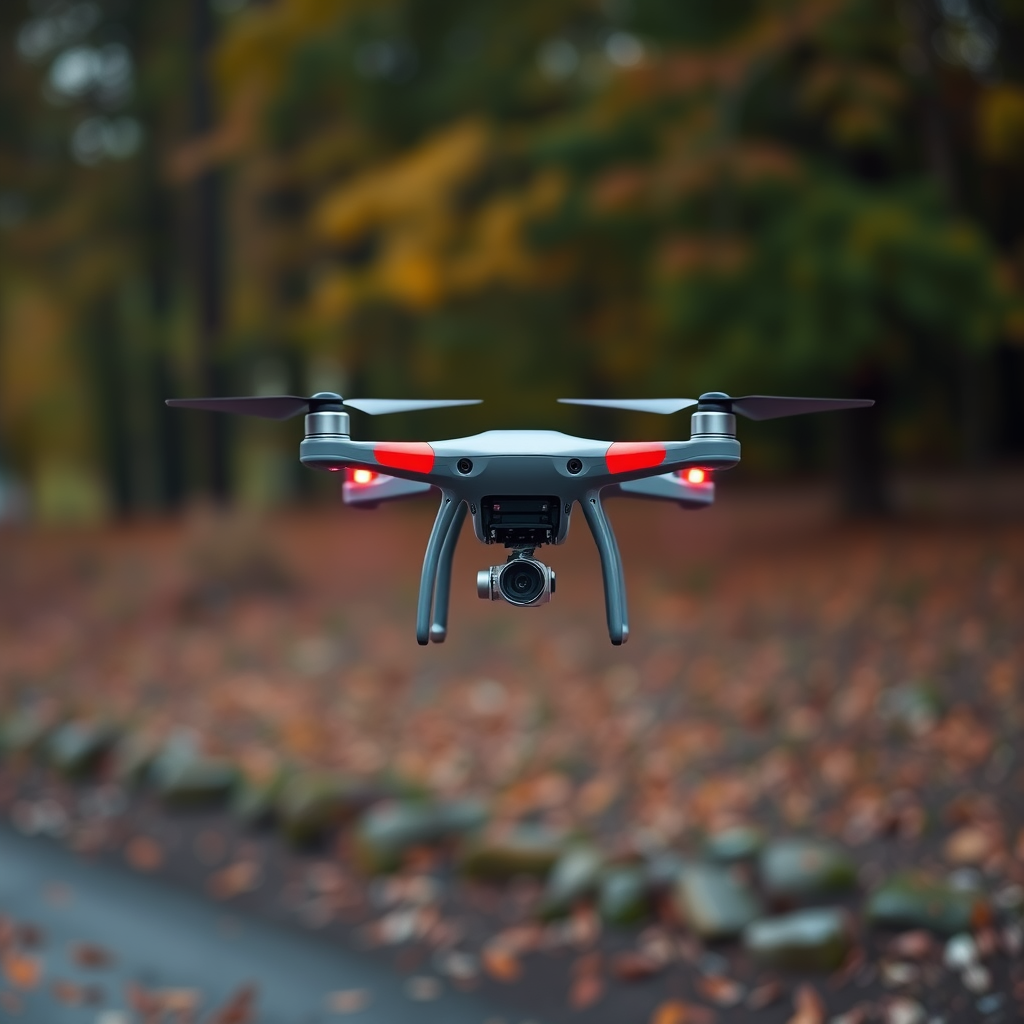
Before taking to the skies, it’s crucial to familiarize yourself with the Federal Aviation Administration (FAA) rules governing drone use. The FAA categorizes drones into two main categories: recreational and commercial. Recreational flyers must follow guidelines such as flying below 400 feet, maintaining visual line of sight, and avoiding flying near airports or in restricted airspace. For commercial use, pilots must obtain a Part 107 license, which involves passing a test on aviation regulations.
In addition to federal regulations, state and local laws may impose additional restrictions on drone flying locations. For instance, some municipalities may have ordinances that restrict drone use in certain public spaces, including parks and schools. Therefore, it is advisable to check with local authorities or their websites to ensure compliance with any additional rules that might be in place.
Popular Parks for Drone Flying
Several parks across Connecticut offer excellent opportunities for drone enthusiasts to capture stunning aerial footage and enjoy the outdoors.
– Hartford’s Bushnell Park: This historic park, located in the heart of Hartford, features lush greenery, beautiful fountains, and open spaces that are ideal for drone photography. With its panoramic views of the city skyline, pilots can capture breathtaking images while also enjoying the park’s cultural significance.
– Sleeping Giant State Park: Known for its distinctive ridge resembling a sleeping giant, this park provides a picturesque landscape perfect for drone flying. With ample room for takeoff and landing, pilots can explore the expansive grounds, but they should remain mindful of the local wildlife, especially during nesting seasons, to avoid disturbing their habitats.
These parks not only offer beautiful landscapes but also serve as great venues to practice flying skills and learn aerial photography techniques in a serene environment.
Beaches with Drone-Friendly Zones
Connecticut’s coastline boasts several beaches that are accommodating to drone pilots, allowing for stunning seascapes and sunset shots.
– Hammonasset Beach State Park: As one of the largest and most popular beaches in Connecticut, Hammonasset Beach State Park provides vast areas for drone activity. Pilots can fly over the sandy shorelines and capture the rolling waves, making it a preferred location for both recreational and amateur drone photographers. However, it’s important to check specific flying regulations at the park to ensure compliance.
– Silver Sands State Park: This beach offers stunning coastal views and a unique opportunity to capture the beauty of the Long Island Sound. While flying here, pilots should be attentive to the specific areas designated for drone flying, as certain zones may be restricted for wildlife protection or public safety.
When considering a beach for drone flying, always look for designated zones and be mindful of other beachgoers to maintain a safe flying environment.
Designated Drone Flying Areas
Connecticut also features designated flying areas specifically created for drone enthusiasts, making it easier to enjoy the hobby without regulatory concerns.
– Connecticut Drone Zone: This dedicated area is designed for drone pilots, featuring safety measures and amenities tailored to the needs of drone users. The Connecticut Drone Zone provides a controlled environment where pilots can practice flying and engage with fellow enthusiasts, making it an excellent choice for both beginners and experienced flyers.
– Local RC Clubs: Many radio-controlled (RC) clubs throughout Connecticut host events and allow drone flying under supervision. These clubs often provide a community atmosphere where enthusiasts can share tips, collaborate on projects, and participate in competitions. Engaging with local clubs can also enhance your flying skills through organized training sessions.
Joining a local RC club not only provides access to designated flying areas but also fosters a sense of community among drone pilots, enriching the overall experience.
Private Property Considerations
When flying a drone, it is imperative to respect private property rights. Always seek permission from property owners before flying on private land, as unauthorized drone use can lead to legal issues and strained relationships with neighbors.
Understanding the boundaries of private property is crucial; even if you think you are flying in an open area, a drone hovering over someone’s backyard could lead to complaints or legal ramifications. Maintaining good community relations is essential, particularly in areas where drone use is growing in popularity.
Safety Tips for Flying Drones
Safety should always be a priority when operating a drone, especially in populated areas or near wildlife.
– Maintain Visual Line of Sight: Always keep your drone within your line of sight to ensure you can react quickly to any potential hazards or obstacles. This is not only a legal requirement but also a best practice for safe flying.
– Avoid Sensitive Areas: When flying, steer clear of airports, crowded places, and sensitive wildlife habitats. Flying near airports can interfere with manned aircraft operations, while crowded areas can pose risks to public safety. Additionally, be aware of local wildlife, especially during breeding seasons, to minimize the impact on their natural behavior.
Taking these safety precautions will enhance your flying experience while ensuring compliance with regulations and respect for the environment.
Resources for Drone Pilots in Connecticut
To navigate the complexities of drone flying effectively, utilize available resources that can assist you in planning your flights and adhering to regulations.
– AirMap and FAA’s B4UFLY: These applications provide valuable information about airspace restrictions, allowing you to check for no-fly zones and understand local regulations before heading out. Utilizing these tools can help prevent potential legal issues and ensure a safe flying experience.
– Local Drone Pilot Groups: Joining local drone pilot groups can be beneficial for networking and sharing information about the best flying locations. These groups often host events, training sessions, and workshops that can enhance your skills and knowledge about flying drones.
By tapping into these resources, you can stay informed, connected, and compliant while enjoying your hobby.
In summary, Connecticut offers a variety of options for flying your drone, from picturesque parks to stunning beaches and designated flying areas. By understanding the regulations, respecting private property, and adhering to safety protocols, you can fully enjoy your drone flying experience. Always stay informed about local laws and prioritize safety as you explore the skies. Happy flying!
Frequently Asked Questions
What are the regulations for flying a drone in Connecticut?
In Connecticut, drone operators must adhere to both federal and state regulations. The Federal Aviation Administration (FAA) mandates that drones must be flown below 400 feet, cannot operate near airports, and should remain within the operator’s line of sight. Additionally, Connecticut law requires drone users to respect privacy and property rights, meaning you cannot fly over private property without permission. Always check local ordinances as they may impose further restrictions.
Where are the best places to fly a drone in Connecticut?
Some of the best places to fly a drone in Connecticut include state parks like Sleeping Giant and Farmington River State Park, which offer scenic landscapes. Other recommended spots are the Connecticut River, Hammonasset Beach State Park, and the vast forests of the Appalachian Trail. Always verify that drone flying is allowed in these areas and check for any specific restrictions that may apply.
How do I find out if I can fly my drone in a specific area in Connecticut?
To determine if you can fly your drone in a specific location in Connecticut, you can use tools like the FAA’s B4UFLY app, which provides real-time information about flight restrictions in your area. Additionally, consult local government websites or land management agencies to ensure you’re aware of any local ordinances or no-fly zones. Always seek permission if flying near private property or sensitive areas.
Why is it important to check airspace before flying my drone in Connecticut?
Checking airspace before flying your drone in Connecticut is crucial to ensure safety and compliance with regulations. Certain areas, like those near airports, military bases, and populated regions, may have restricted airspace that prohibits drone activity. Violating these regulations can lead to fines, legal action, and potential accidents, so it’s vital to confirm that you’re flying in a safe and permitted area.
What should I do if I encounter wildlife while flying my drone in Connecticut?
If you encounter wildlife while flying your drone in Connecticut, it’s essential to prioritize the safety and well-being of the animals. Avoid flying too close to wildlife, as this can cause stress or disruption to their natural behavior. If you see that your drone is disturbing animals, such as birds or nesting sites, calmly move your drone away and discontinue flying in that area. Always follow the best practices for drone use around wildlife to promote conservation and responsible flying.
References
- https://www.faa.gov/uas/getting_started/where_to_fly
- https://www.ct.gov/deep/cwp/view.asp?a=2705&q=334316
- https://www.ct.gov/deep/lib/deep/air/Drone_Flyer.pdf
- https://www.wbur.org/news/2021/02/05/drone-regulations-connecticut
- https://www.nytimes.com/2022/05/01/technology/drone-regulations-connecticut.html
- https://www.wired.com/story/drone-flying-rules-tips/
- https://www.nrc.gov/docs/ML1602/ML16029A104.pdf
