

You can fly your drone in Maryland at various locations, including parks, recreational areas, and designated flying zones. However, it’s essential to be aware of the local regulations and restrictions that apply to ensure safe and legal operations. This guide will help you navigate the best spots for flying your drone in Maryland while adhering to the relevant laws and guidelines.
Understanding Maryland’s Drone Regulations
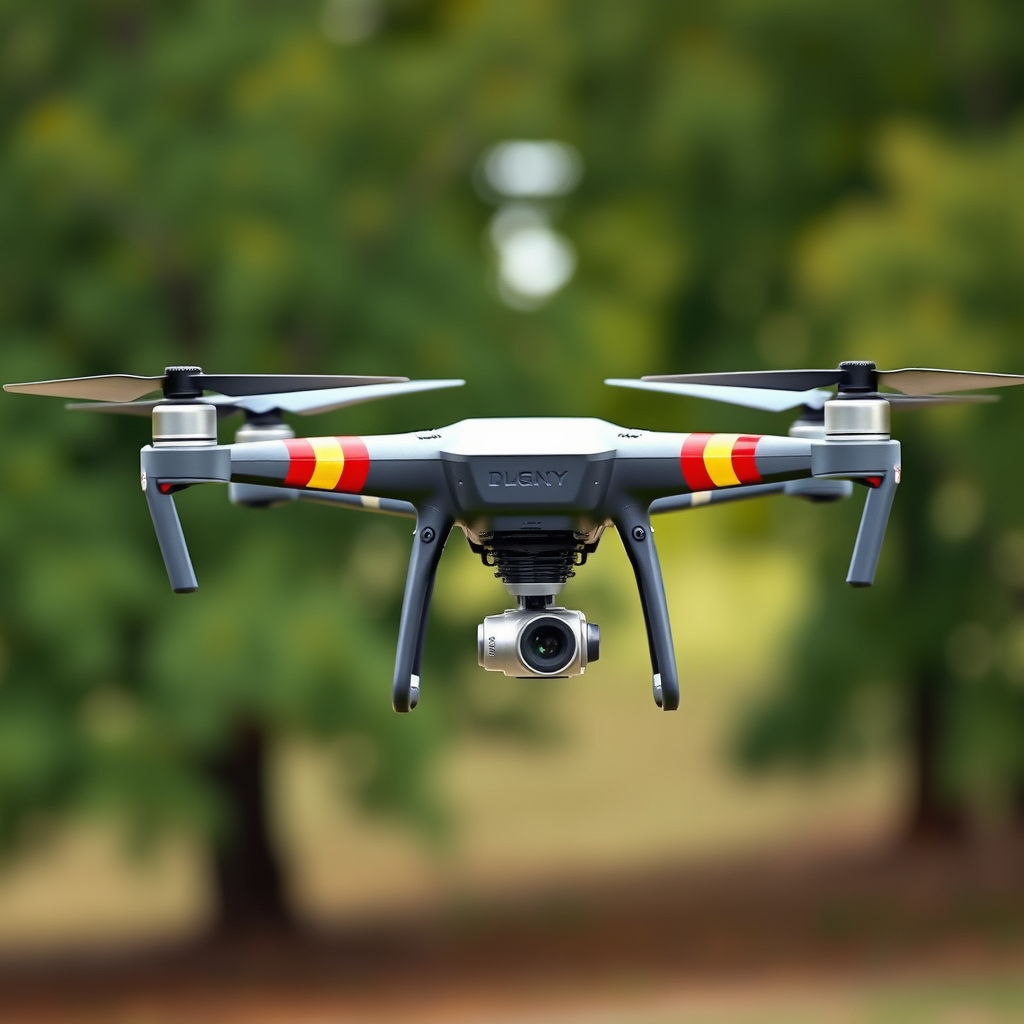
Flying a drone in the United States is governed by regulations set forth by the Federal Aviation Administration (FAA). These regulations are designed to ensure safety in the national airspace. Key FAA rules include maintaining visual line of sight with the drone, not exceeding an altitude of 400 feet, and refraining from flying over people or moving vehicles. Additionally, drone operators must register their drones if they weigh more than 0.55 pounds.
In Maryland, specific state laws complement these federal regulations. For instance, Maryland law prohibits the use of drones for surveillance purposes without consent, particularly over private property. Furthermore, certain local jurisdictions may have their own regulations, so it’s crucial to consult local ordinances before flying. Understanding both the federal and state regulations will help you plan your drone flights responsibly.
Popular Drone Flying Locations in Maryland
Maryland is home to numerous scenic locations that are ideal for drone flying, offering a blend of natural beauty and expansive vistas.
– Patapsco Valley State Park: This park is a drone pilot’s dream, boasting scenic views of the Patapsco River, lush forests, and expansive open spaces. With over 32 miles of trails and various picnic areas, it provides an ideal setting for capturing stunning aerial shots. The park’s diverse landscapes allow for dynamic photography and videography, making it a favored spot among both recreational and professional drone enthusiasts.
– Sandy Point State Park: Located on the Chesapeake Bay, Sandy Point State Park is perfect for waterfront photography. The park offers picturesque views of the bay, sandy beaches, and an array of wildlife. Drone pilots can take advantage of the sweeping coastal views, capturing the beauty of sunsets over the water. Additionally, the park features ample open areas where you can safely operate your drone without disturbing others.
Local Restrictions and No-Fly Zones
While Maryland offers many fantastic locations for drone flying, certain areas are designated as no-fly zones or have specific restrictions.
– Proximity to Airports and Military Bases: It is crucial to be aware of airspace restrictions around airports and military installations. For instance, the Baltimore-Washington International Airport (BWI) has a five-mile radius where drone operations are heavily restricted. Pilots must obtain permission to fly in controlled airspace, which is often managed through the FAA’s LAANC (Low Altitude Authorization and Notification Capability) system.
– Areas with Wildlife Protection and Privacy Concerns: Several locations in Maryland are designated as wildlife reserves or have specific privacy regulations in place. For example, flying over areas such as the Blackwater National Wildlife Refuge is restricted to protect the native wildlife. Additionally, respecting privacy concerns is paramount; always avoid flying over private properties without consent, as this could lead to legal repercussions.
Best Practices for Safe Drone Flying
To ensure a safe and enjoyable drone flying experience in Maryland, adhere to best practices that promote safety and compliance with regulations.
– Maintaining a Visual Line of Sight: Always keep your drone within your line of sight during flight. This not only ensures safety but also helps you avoid obstacles and comply with FAA regulations. Using first-person view (FPV) goggles may be tempting, but they can inhibit your ability to maintain situational awareness.
– Understanding Altitude Limits and Weather Conditions: Familiarize yourself with the altitude limits set by the FAA, which is generally capped at 400 feet above ground level. Additionally, always check the weather conditions before flying, as wind, rain, and low visibility can affect your drone’s performance and safety.
Resources for Drone Pilots in Maryland
For drone pilots in Maryland, various resources can enhance your flying experience and help you stay informed about regulations and best practices.
– Local Drone Clubs and Community Forums: Joining local drone clubs can provide valuable networking opportunities and insights from experienced pilots. These clubs often organize group flying events, educational workshops, and discussions about local regulations and drone technology. Online forums such as the Maryland Drone Pilots community on Facebook are also excellent platforms for sharing experiences and tips.
– Online Maps of Drone-Friendly Areas: Utilize online resources such as the FAA’s B4UFLY app or websites that provide maps of drone-friendly areas. These tools can help you identify where you can legally fly your drone while keeping you informed about nearby no-fly zones and airspace restrictions.
Tips for Capturing Stunning Aerial Photography
Capturing breathtaking aerial photography requires understanding specific techniques and settings tailored to your environment.
– Techniques for Optimizing Lighting and Angles: The best time to fly your drone for photography is during the golden hours—shortly after sunrise or before sunset—when the natural light is soft and warm. Experiment with different angles and compositions to create engaging shots. Utilize leading lines and natural frames to draw viewers into your images.
– Recommended Drone Settings for Different Environments: Adjust your drone camera settings based on the environment. For bright outdoor settings, use a higher shutter speed and lower ISO to prevent overexposure. Conversely, in lower light conditions, adjust your settings to capture the best detail without introducing noise. Consider using shoot modes like HDR (High Dynamic Range) for landscapes to capture a wider range of colors and details.
In summary, Maryland offers several exceptional locations for flying your drone, but it’s crucial to follow regulations and respect local restrictions. By understanding FAA and state laws, identifying suitable flying locations, and employing best practices, you can enjoy a fulfilling drone flying experience while capturing the beauty of Maryland from above. Engaging with local resources and communities will further enhance your knowledge and skills, ensuring that your aerial adventures are both enjoyable and responsible.
Frequently Asked Questions
What are the drone flying regulations in Maryland?
In Maryland, drone operators must adhere to both federal and state regulations. The Federal Aviation Administration (FAA) requires that all drones weighing over 0.55 pounds be registered, and operators must follow guidelines regarding altitude, airspace restrictions, and no-fly zones, such as near airports and military bases. Additionally, Maryland law prohibits flying drones over certain areas, including schools, state parks, and crowded public events, so it’s essential to check local regulations before flying.
Where are the best places to fly a drone in Maryland?
Some of the best places to fly a drone in Maryland include the Chesapeake Bay, Patapsco Valley State Park, and the Catoctin Mountain Park. These locations offer expansive open areas and stunning natural landscapes that are perfect for aerial photography and videography. However, always verify that these areas don’t have specific restrictions for drone flying and ensure you respect the privacy of others.
How can I find no-fly zones for drones in Maryland?
To find no-fly zones for drones in Maryland, you can use tools like the FAA’s B4UFLY app or check the FAA’s website for airspace maps. These resources provide real-time information about restricted airspaces, including temporary flight restrictions (TFRs) and areas where drone flights are prohibited for safety reasons. It’s crucial to stay informed about these zones to avoid penalties and ensure safe flying practices.
Why do I need to register my drone in Maryland, and how do I do it?
Registering your drone in Maryland is a requirement for all drones weighing over 0.55 pounds because it helps ensure accountability and safety in the airspace. To register, you can visit the FAA’s website and complete the registration process online for a nominal fee. Once registered, you’ll receive a unique identification number that must be displayed on your drone, which helps authorities identify the owner in case of violations or accidents.
Can I fly my drone at Maryland state parks?
Flying drones at Maryland state parks is generally prohibited unless you have obtained a special permit. Each park may have different rules regarding drone use, so it’s crucial to check with the specific park’s management or website for details. Some parks may allow drone flying in designated areas under certain conditions, so always research and respect the park regulations to avoid fines.
References
- https://www.faa.gov/uas/recreational_fliers/where_to_fly
- https://www.maryland.gov/Pages/default.aspx
- https://dnr.maryland.gov/Pages/airspace.aspx
- https://www.md.gov/Pages/transportation.aspx
- https://www.washingtonpost.com/transportation/2021/10/01/drone-regulations-maryland/
- https://www.nps.gov/articles/drone-use-in-national-parks.htm
- https://www.droneflyers.com/maryland-drone-laws/
