

You can fly your drone in North Carolina in designated public areas, state parks, and private properties with permission. However, there are specific regulations and restrictions you must follow to ensure safe and legal operation. This article will guide you through the best locations and essential rules for flying your drone in the state, providing insights into regulations, popular spots, and community resources.
Understanding Drone Regulations in North Carolina
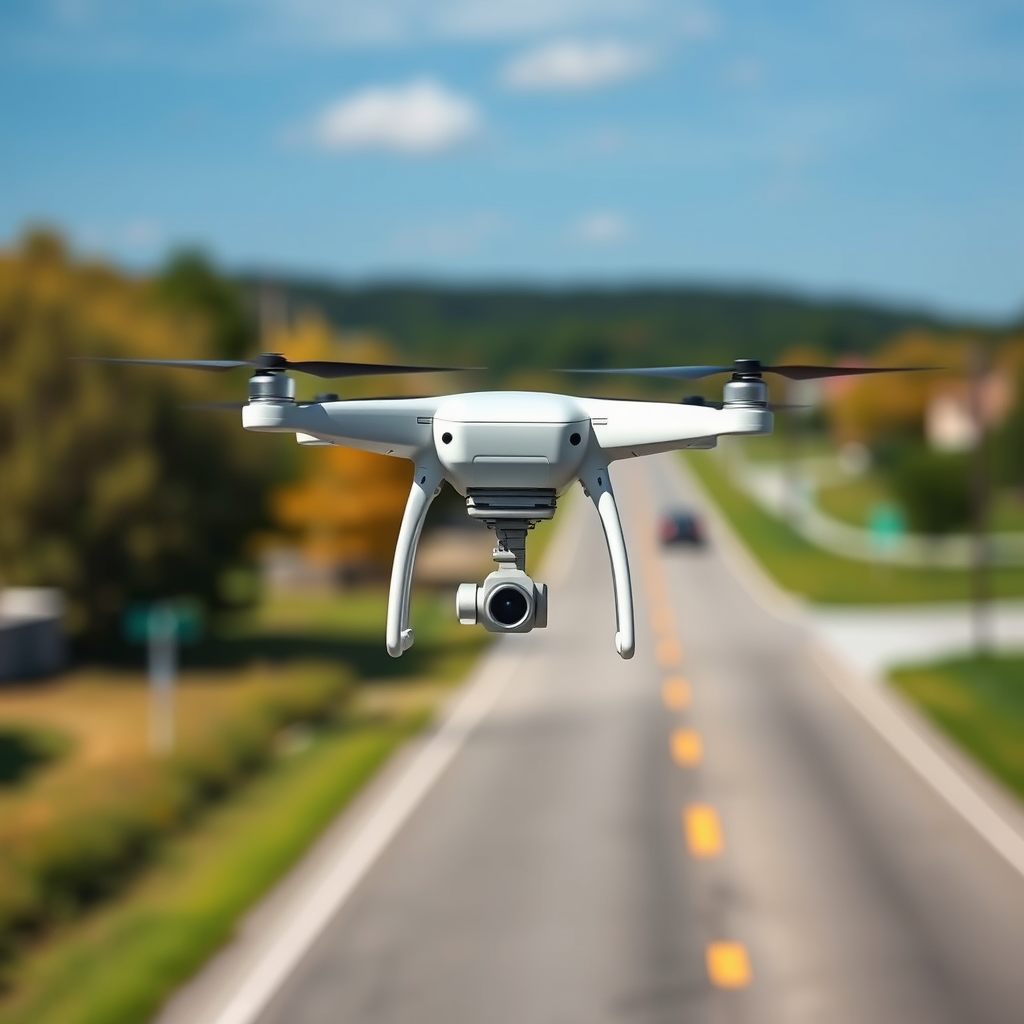
Before you take to the skies, it is crucial to familiarize yourself with the Federal Aviation Administration (FAA) regulations governing drone usage. The FAA requires drone operators to register their drones if they weigh more than 0.55 pounds. Additionally, drone pilots must adhere to the Part 107 rules if they plan to use their drones for commercial purposes. This includes keeping the drone within visual line-of-sight, not exceeding 400 feet in altitude, and avoiding flight over people or moving vehicles.
In addition to FAA regulations, you should also check for local laws specific to cities and counties regarding drone flights. North Carolina has several municipalities with their own ordinances that may restrict drone usage in certain areas. For instance, some cities may prohibit flying in densely populated areas, near airports, or over specific landmarks. Staying informed about these local regulations will ensure that your drone activities remain compliant and trouble-free.
Best Places to Fly Drones in North Carolina
North Carolina boasts a variety of breathtaking landscapes ideal for capturing stunning aerial footage.
Outer Banks
The Outer Banks, a chain of barrier islands off the coast of North Carolina, offers a picturesque setting for drone enthusiasts. With its sandy beaches, historic lighthouses, and vibrant sunsets, the Outer Banks presents endless opportunities for aerial photography. Notable locations include Cape Hatteras National Seashore, where you can capture stunning ocean views and the iconic Cape Hatteras Lighthouse from above. Just ensure that you respect any no-fly zones established to protect wildlife and visitors.
Great Smoky Mountains
For those seeking mountainous terrain, the Great Smoky Mountains National Park is a must-visit. This UNESCO World Heritage site is famous for its diverse wildlife, rich biodiversity, and breathtaking vistas. Flying your drone along the Appalachian Trail or over Clingmans Dome, the highest point in the park, can yield spectacular footage of misty mountains and lush forested landscapes. Remember to check park regulations, as drone flights are generally prohibited within park boundaries unless specific permits are obtained.
State Parks and Natural Reserves for Drone Use
North Carolina’s state parks and natural reserves provide excellent environments for drone flying, with beautiful scenery and unique landscapes.
Pilot Mountain State Park
Pilot Mountain State Park is a popular destination for outdoor enthusiasts and drone pilots alike. The park features the iconic Pilot Mountain, which rises 2,421 feet above sea level, offering panoramic views that are perfect for aerial photography. The park’s various hiking trails and picnic areas provide ample opportunities for launching your drone while ensuring a respectful distance from other visitors.
Hanging Rock State Park
Hanging Rock State Park is another prime location for drone flying, especially for photographers interested in capturing stunning waterfall shots. The park is home to several beautiful waterfalls, like Hanging Rock Falls and Lower Cascades, which are particularly photogenic from the air. As with other parks, always check specific regulations to avoid any potential fines or restrictions.
Flying Over Private Property
When flying your drone, it is essential to respect the rights of property owners. Always obtain permission from property owners before flying over private property. This not only ensures that you are legally compliant but also fosters good relationships with the community.
Understanding the laws regarding trespassing and privacy in drone operations is also crucial. North Carolina law stipulates that flying over private property without permission could lead to legal repercussions. Furthermore, being mindful of people’s privacy while flying is a fundamental ethical consideration. Avoid capturing images of individuals without their consent to maintain respect for their privacy.
Popular Drone Events and Communities in North Carolina
North Carolina is home to a vibrant drone community that offers opportunities for enthusiasts to connect, learn, and share their passion for aerial photography and flying.
Local Drone Meetups and Clubs
Joining local drone meetups and clubs can be an excellent way to network with other drone pilots. Organizations like the North Carolina Drone Users Group host events and gatherings where you can learn from experienced pilots, share tips, and engage in discussions about the latest technology and regulations.
Drone Racing Events and Workshops
Participating in drone racing events and workshops is another exciting way to immerse yourself in the local drone culture. Events like the North Carolina Drone Racing League provide a platform for competitive flying while also focusing on skill development. These events often feature workshops that cover everything from basic flying techniques to advanced aerial maneuvers, enhancing your flying capabilities and knowledge.
Safety Tips for Flying Drones
Safety should always be a priority when flying drones. Here are some essential tips to ensure a safe flying experience:
– Conduct Pre-Flight Checks: Before each flight, ensure that your drone is in good condition. Check battery levels, propellers, and camera functionality. This helps to prevent in-flight failures that could result in accidents.
– Follow the “Line of Sight” Rule: It is vital to keep your drone within your visual line of sight at all times unless you have a waiver from the FAA. This practice not only enhances safety but also allows you to maintain awareness of your surroundings.
– Avoid Crowded Areas: Flying in crowded areas poses a risk to both people and property. Opt for open spaces where you can fly without endangering others. This consideration is especially important in urban environments where drone operations may be restricted.
Resources for Drone Pilots in North Carolina
To make your drone-flying experience in North Carolina as seamless as possible, utilize available resources that keep you informed about regulations and safe flying practices.
– Websites and Apps for Mapping No-Fly Zones: Tools such as the FAA’s B4UFLY app provide essential information about no-fly zones in your area. This tool can help you plan your flights and avoid restricted airspace.
– Local Regulations and Resources: The North Carolina Department of Transportation has resources available for drone pilots, including guidelines on local ordinances, safety best practices, and links to state-specific regulations. Staying informed through these channels will help ensure a safe and legal flying experience.
In conclusion, North Carolina offers various exciting locations for flying your drone, provided you adhere to the established regulations and respect private properties. From the beautiful vistas of the Outer Banks and Great Smoky Mountains to the welcoming drone community, there are ample opportunities for both novice and experienced pilots. By following safety guidelines and engaging with local resources, you can enhance your drone flying experience while enjoying the state’s stunning landscapes. Happy flying!
Frequently Asked Questions
What are the regulations for flying drones in North Carolina?
In North Carolina, drone operators must adhere to both federal regulations set by the FAA and state-specific laws. Key rules include flying below 400 feet, maintaining visual line of sight, and avoiding no-fly zones such as near airports or emergency response locations. Additionally, North Carolina law mandates that drone pilots do not invade privacy, so it’s important to be aware of local ordinances and guidelines to ensure safe and legal drone flights.
Where are the best places to fly a drone in North Carolina?
Some of the best places to fly a drone in North Carolina include scenic spots like the Outer Banks, the Blue Ridge Parkway, and various state parks such as Pilot Mountain State Park and Hanging Rock State Park. These locations offer stunning landscapes and relatively open spaces, making them ideal for aerial photography and exploration. Always check local regulations and any specific park rules regarding drone use before flying.
How can I find out if flying my drone is allowed in a specific area?
To determine if drone flying is permitted in a specific area of North Carolina, you can use resources like the FAA’s B4UFLY app, which provides up-to-date information on airspace restrictions and no-fly zones. Additionally, check local laws through city or county websites, as some areas may have their own regulations governing drone use. It’s crucial to ensure that you have permission and are in compliance to avoid potential fines or legal issues.
Why is it important to register my drone in North Carolina?
Registering your drone is a legal requirement for any unmanned aircraft weighing over 0.55 pounds in the United States, including North Carolina. The registration process helps promote accountability among drone operators and enables authorities to trace drones involved in incidents. Additionally, registered drones are often seen as more legitimate, which can ease interactions with law enforcement or local authorities when flying in public spaces.
Which drone flying clubs or organizations can I join in North Carolina?
North Carolina boasts several drone flying clubs and organizations that cater to hobbyists and professionals alike, such as the Charlotte Area Drone Society and the Triangle Drone Pilots group. Joining a club can provide valuable networking opportunities, resources for education on safe flying practices, and access to group flying events and competitions. These clubs often have members who are knowledgeable about local flying spots and regulations, making them a great resource for new drone pilots.
References
- https://www.faa.gov/uas/getting_started/where_to_fly
- https://www.nc.gov/services/transportation/drone-regulations-north-carolina
- https://www.ncparks.gov/drone-use-north-carolina-state-parks
- https://www.ncdot.gov/programs-services/aeronautics/Pages/drone.aspx
- https://www.ncpedia.org/drone-regulations-north-carolina
- https://www.southernfriedscience.com/the-drone-dilemma-in-north-carolina/
