

Where Can I Fly My Drone in Oregon? A Direct Answer
In Oregon, you can usually fly a drone in many outdoor areas as long as you follow FAA rules and any location-specific restrictions. The key is to confirm whether the site is restricted by airspace rules, state or local ordinances, and whether you need permits for parks or special land uses.
Start With the Rulebook: FAA Requirements That Apply Everywhere in Oregon
FAA rules apply statewide in Oregon, so your first step is ensuring your flight is legal under federal law. Most “where can I fly” questions come down to airspace classification, operational limits, and whether you are using the drone for recreation or commercial purposes.
FAA Part 107 vs. Recreational Flying
The FAA key difference is whether you fly under recreational rules or FAA Part 107. Part 107 is the framework for commercial operations, while recreational flights follow a separate compliance pathway.
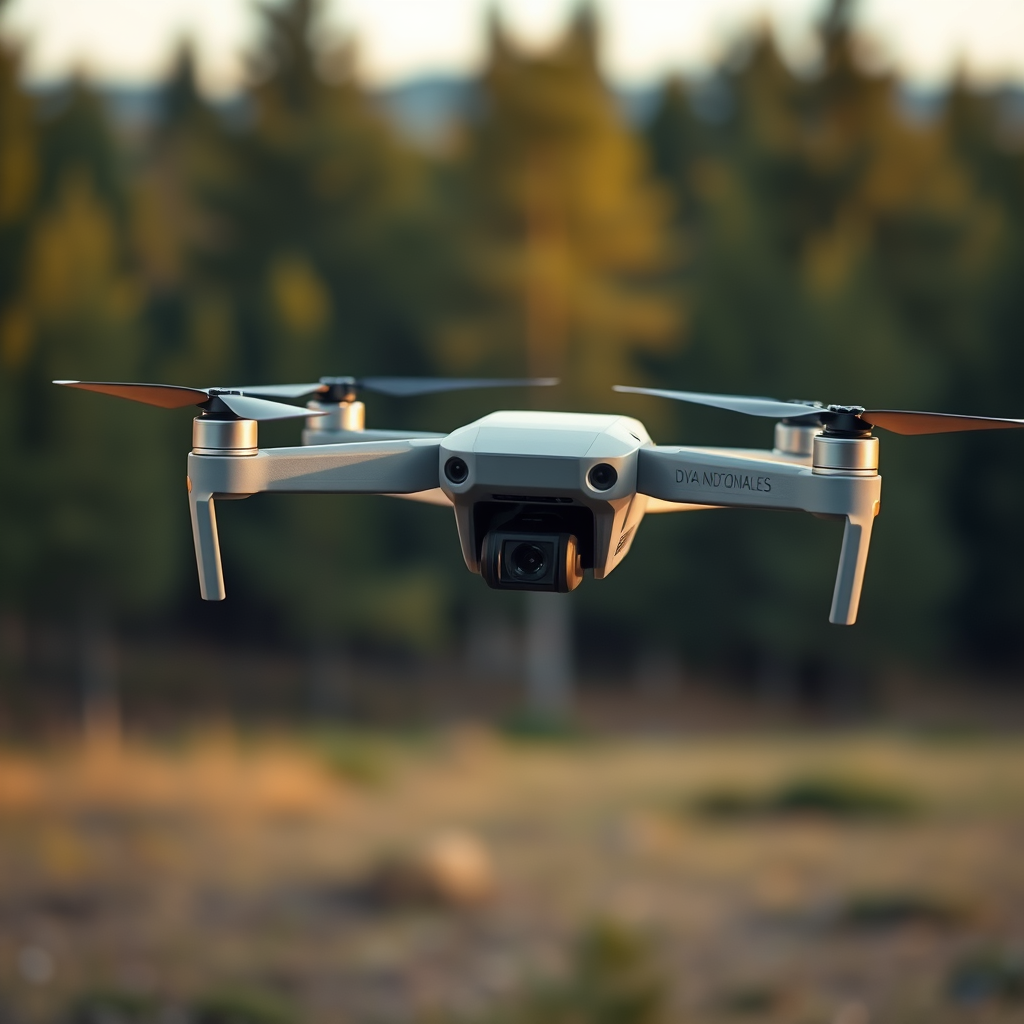
FAA Part 107 is defined as a set of operational and eligibility requirements that apply to pilots conducting flights for work or other non-recreational purposes. If you fly to sell services, document construction progress for pay, or conduct inspections, you should strongly consider Part 107 requirements.
Registration Threshold: Drones at 0.55 lb (250 g) and Above
If your drone weighs more than 0.55 pounds (250 grams), it is defined as needing FAA registration. Registration is required for most consumer drones once they exceed that threshold, and it applies across all Oregon locations.
Altitude, Line of Sight, and Distance Limits
As a baseline, the FAA generally restricts operations to 400 feet above ground level (AGL) and requires you to maintain visual line of sight with the aircraft. These limits apply in Oregon regardless of whether you are near Portland, near the coast, or in remote wilderness.
FAA Operational Limits That Most Often Affect Oregon Drone Flights
| # | FAA limit / trigger | Numeric value | Applies in Oregon | Ease of compliance |
|---|---|---|---|---|
| 1 | Maximum altitude (AGL) | 400 ft AGL | Yes (baseline rule) | ★★★★★ |
| 2 | Visual line of sight (VLOS) | Must maintain VLOS | Yes (baseline rule) | ★★★★☆ |
| 3 | FAA registration requirement threshold | ≥ 0.55 lb (250 g) | Yes (statewide) | ★★★★☆ |
| 4 | Controlled airspace operations | Authorization needed | Yes (varies by location) | ★★☆☆☆ |
| 5 | Night flight allowance (Part 107) | Requires compliance with Part 107 ops rules | Yes (when flying at night) | ★★★☆☆ |
| 6 | Flying over people (operational constraint) | Limited; exceptions apply | Yes (risk-based) | ★☆☆☆☆ |
| 7 | Remote ID (when applicable) | Must comply where required | Yes (operation-dependent) | ★★☆☆☆ |
The operational intent is safety: FAA rules are designed so you can detect other aircraft, avoid hazards, and reduce risk to people and property.
Class B, C, D, and Controlled Airspace Can Change Everything
Even if a park or beach allows drone use, controlled airspace may require authorization. The key difference is that airspace rules can be more restrictive than local site rules.
In Oregon, areas near major airports can include Class B, Class C, and Class D airspace, plus controlled approach zones. Before you take off anywhere, confirm your location using current airspace information.
Practical Safety Check: Preflight Apps and Airspace Tools
A reliable preflight workflow is defined as checking airspace status, weather, and local site rules before every flight. Many pilots use FAA guidance alongside mapping tools that display restrictions, but you should always treat restrictions as authoritative only if they match current FAA and local data.
Oregon-Specific “Where You Can Fly” Guidance by Land Type
In Oregon, what’s permitted often depends on the type of property: state parks, national parks, beaches, city parks, and private land each have different enforcement practices. The most dependable approach is to verify the land manager’s policy in addition to federal airspace and FAA operational requirements.
State Parks and Wildlife Areas: Often Permit-Dependent
State parks in Oregon may allow drone operations only with permits, designated areas, or specific seasonal limits. This is defined as a land-management rule: even if airspace is open, the park can still restrict drones to protect wildlife, visitors, and sensitive habitat.
For example, Silver Falls State Park is known for its scenic waterfalls and trail network, and drone access may require a special permit depending on current park policy. Because policies can change, check the Oregon Parks and Recreation Department (OPRD) requirements for your exact date and activity.
Beaches and Coastal Areas: Watch for Local Ordinances and Crowds
Oregon coastal locations often have strong visitor-management rules, especially near popular viewpoints and summer tourist areas. The key difference is that coastal restrictions are frequently driven by public safety, wildlife protection, and crowd considerations.
Cannon Beach, including the area around Haystack Rock, is a well-known drone photography destination. However, local ordinances may limit drone use near crowded shorelines, and seasonal restrictions can increase enforcement during peak visitation months.
National Parks and Federal Lands: Frequently Restricted or Prohibited
On federal land, drone policies can be more restrictive than in state-managed areas. The key difference is that each federal unit (for instance, National Park Service sites) may set drone rules that can include complete prohibitions or permit-only exceptions.
If your target is near well-known federal landscapes in Oregon such as parts of the Columbia River Gorge region, you should treat “drone-friendly views” as separate from “drone-legal operations.” Always check the relevant land manager’s current policy.
City Parks and Urban Zones: Additional Local Rules Are Common
In Portland and other Oregon cities, drone legality can change due to local ordinances and rules about filming in public spaces. Even when FAA airspace is not controlled, the city may still restrict takeoffs or operations near schools, hospitals, transit facilities, or other sensitive sites.
The practical answer is to check the city or county website for your launch point and then confirm any additional regulations for parks, event spaces, and residential areas.
Popular Oregon Drone Destinations: What to Check Before You Fly
Oregon has iconic drone scenery, but “popular” does not automatically mean “permitted.” Below are well-known locations where drone pilots commonly ask about legality, along with the checks that prevent violations.
Columbia River Gorge: Great Vistas, Weather and Area Limits Matter
The Columbia River Gorge is defined as a visually dramatic corridor with strong wind patterns, cliffs, and high scenic demand from photographers and hikers. You may find ample opportunities for aerial footage, but weather and local area restrictions can limit safe and legal flights.
Before flying in the gorge, check wind conditions, confirm altitude expectations in that terrain, and verify whether the land manager requires permits or restricts drone use in specific viewpoints.
Cannon Beach and Haystack Rock: Confirm Seasonal and Crowding Rules
Cannon Beach is a top Oregon coastal photography destination, but rules can tighten when beaches become crowded. The key difference is that enforcement risk rises during peak summer tourism because drones can create safety concerns and privacy complaints.
Check for any temporary closures or rules for busy nearshore areas, and plan your operation around clear, low-traffic windows if the site permits drones at all.
Silver Falls State Park: Expect Permit or Designated Use Requirements
Silver Falls State Park is defined as a major waterfall and hiking destination where wildlife and visitor density can affect drone permissions. Drone access may require a permit or additional conditions depending on current OPRD guidance.
Contact the park or review current posted rules before you travel, especially if you plan to fly near waterfalls, crowded trails, or during peak weekends.
Common Drone Restrictions in Oregon: Answers to the Questions Pilots Ask Most
Many restrictions are not about Oregon “allowing” or “banning” drones broadly; they are about specific risk controls. The most common issues are airspace limits, people and property safety, and land-manager permissions.
Can I Fly Over People in Oregon?
In general, flying over people is limited under FAA rules, and the exact permissions depend on how and why you are flying. The key difference is that recreational and Part 107 operations have different compliance requirements, but both prioritize risk reduction.
If your plan involves crowds (events, busy viewpoints, beach access days), you should treat “over people” as high-risk and often noncompliant unless you meet the applicable exception requirements.
Do I Need Permission for State Parks and Public Land?
Permission is often required for state parks and certain public lands even when FAA rules would otherwise allow flight. This is defined as a land-management policy rather than an FAA airspace issue.
Always check OPRD rules for state parks, and confirm whether the park uses a permit system, designated drone zones, or seasonal bans.
Can I Fly a Drone in Portland or Other Oregon Cities?
You may be able to fly in Portland or other Oregon cities, but you must comply with both FAA requirements and local ordinances. The key difference is that cities often regulate drone use near schools, hospitals, and specific public facilities.
If you are filming commercially in a city, verify Part 107 compliance, and confirm whether you need additional approvals for filming or operating near regulated infrastructure.
Are There Privacy Rules I Should Know?
Drone pilots must respect privacy expectations and avoid unlawful surveillance. While privacy laws vary, the widely accepted best practice is to fly with a safety-first mindset, limit recording to what is necessary for your purpose, and avoid targeted filming of individuals where local laws could apply.
How to Confirm You Can Fly: A Simple, Repeatable Checklist
A reliable legality check is defined as verifying airspace, FAA operational compliance, and land-manager permissions before takeoff. If you do these steps in order, you greatly reduce the chance of violating Oregon drone restrictions.
- Confirm FAA eligibility and registration: If your drone is over 0.55 lb (250 g), make sure it is registered. If you fly commercially, confirm Part 107 compliance.
- Check airspace for your exact coordinates: Determine whether the area is controlled or requires authorization.
- Plan for the 400 ft AGL rule and visual line of sight: Keep your flight within FAA operational limits.
- Verify land-manager policy: Check Oregon state park rules (OPRD), coastal/local ordinances, and any federal land restrictions in the area.
- Assess weather and terrain safety: In places like the Columbia River Gorge, wind and gusts can be significant.
- Review seasonal and crowd conditions: Coastal and urban sites may tighten restrictions during peak visitation.
Quick Answers: The Most Important Oregon Drone Takeaways
In Oregon, you can fly drones legally in many outdoor locations, but permission often depends on airspace and the land manager. Use federal FAA rules as your baseline, then verify local and park policies for each destination.
The most common reason pilots get in trouble is assuming that scenic spots allow drone flight automatically. Scenic locations like Silver Falls State Park, Cannon Beach, and the Columbia River Gorge can be incredible for aerial footage, but the final legality check must include current restrictions and permits.
📋 About This Article
This guide helps you figure out where you can fly a drone in Oregon and what rules you must follow before takeoff. It’s for Oregon drone owners who want clear, practical direction for both recreation and work. You’ll learn the FAA basics that apply statewide, how to check whether a location is restricted, and what extra limits or permits may be required locally.
Frequently Asked Questions: Where Can I Fly My Drone in Oregon
Where can I legally fly a drone in Oregon?
In Oregon, where you can fly depends on both federal and state/local rules. At the federal level, you must follow FAA requirements (including Remote ID for many operations, and staying within controlled airspace only when authorized). In practice, “legal” locations usually fall into these categories: (1) areas outside controlled airspace or where authorization isn’t required; (2) areas where you’re allowed to operate under the FAA rules for your drone type and weight; and (3) areas that don’t violate local restrictions, property rules, or site-specific bans (some parks, beaches, and public facilities restrict drone use). Before each flight, check the FAA’s airspace rules using the FAA DroneZone/LAANC tools (where available), review any Temporary Flight Restrictions (TFRs), and confirm that the location permits drone operation.
Do I need FAA authorization to fly near airports or in controlled airspace in Oregon?
Often, yes. If your planned flight is near an airport, in controlled airspace (Class B, C, D, or certain Class E areas), or near specific facilities, you may need authorization before you take off. The specific steps depend on the airspace designation and your operation. Many recreational and some part 107 operations can use LAANC (Low Altitude Authorization and Notification Capability) to obtain near-real-time approvals for certain airspace up to approved altitudes. If LAANC isn’t available for your location or you need approval beyond what’s covered, you may need to submit a request through FAA processes (e.g., using FAA DroneZone). In all cases: verify the airspace in the planning tool you use, keep your flight within the approved altitude and geographic boundaries, and follow any listed conditions.
Are there rules in Oregon that are different from FAA rules?
Yes—Oregon and local governments can impose additional rules that are separate from (and in addition to) FAA requirements. While the FAA generally governs national airspace and aircraft operation rules, Oregon (and cities/counties) may restrict drone use in certain parks, near public events, over sensitive sites (like certain government facilities or critical infrastructure), or in designated recreational areas. You should always check: (1) local park/land-use policies before flying (drone rules in Oregon’s parks and wildlife areas can be strict); (2) city or county ordinances for your specific location; (3) whether the property owner permits drone use if you are not flying over public land; and (4) any posted signage or permitting requirements. When federal and local rules conflict, you must follow the stricter requirement.
Can I fly my drone in Oregon state parks, national parks, or wildlife areas?
Possibly, but many agencies restrict drones on their lands. In Oregon, drone rules vary widely by managing agency and location. For example, national parks and most national wildlife areas have their own drone policies and are often more restrictive, sometimes prohibiting drones entirely or requiring special permits. Oregon state parks may also have restrictions depending on the park, wildlife sensitivity, and crowding. Wildlife refuges and certain habitat areas may prohibit flight to protect animals and nesting sites. Best practice: check the specific park or refuge’s official website and confirm the current drone policy (including whether drones are prohibited, require permits, or have limited hours/altitudes). If there’s any uncertainty, contact the managing office before you fly.
What should I check before every drone flight in Oregon (safety and compliance)?
Before every flight, do a quick checklist to stay compliant and avoid restricted areas. Start with: (1) Airspace and authorization—use an FAA-approved or commonly used planning tool to verify controlled airspace, altitude limits, and nearby airports, then obtain any required authorization (e.g., via LAANC) before takeoff. (2) Temporary restrictions—check for TFRs and special events that may limit flights. (3) Operator and aircraft requirements—make sure you’re operating under the correct FAA category (recreational vs. Part 107), that your Remote ID compliance (where applicable) is in place, and that your drone is suitable for the intended operation. (4) Weather and visibility—avoid flying in unsafe conditions; wind, rain, and low visibility increase risk. (5) Ground safety and privacy—maintain visual line of sight (or follow the applicable waiver/requirement), avoid flying over people without permission where required, and respect privacy and property boundaries. (6) Local site rules—confirm whether the exact location (park, beach, trail area, waterfront, or event site) allows drones and whether there are additional limits. If any one item doesn’t check out, change the location or delay the flight.
References
- State-level statutes governing unmanned aerial vehicle use in academic research in the United States Google Scholar
https://www.tandfonline.com/doi/abs/10.1080/01431161.2021.1916121 - Driving distraction due to drones Google Scholar
https://rosap.ntl.bts.gov/view/dot/37226 - First report of using portable unmanned aircraft systems (drones) for search and rescue Google Scholar
https://journals.sagepub.com/doi/abs/10.1016/j.wem.2016.12.010 - Drone zoning Google Scholar
https://papers.ssrn.com/sol3/papers.cfm?abstract_id=2743945 - Autonomous unmanned aerial vehicle system for controlling pest bird population in vineyards Google Scholar
https://asmedigitalcollection.asme.org/IMECE/proceedings-abstract/IMECE2012/499/254580
📅 Last Updated: July 03, 2026 | Topic: Where Can I Fly My Drone in Oregon: A Quick Guide | Content verified for accuracy and freshness.
