

Flying a drone legally requires an understanding of local regulations and restrictions. In general, you can fly your drone in designated public spaces, but there are specific rules that vary by location. This guide will help you navigate where you can legally operate your drone, ensuring that you remain compliant with the law while enjoying your aerial adventures.
Understanding Drone Regulations
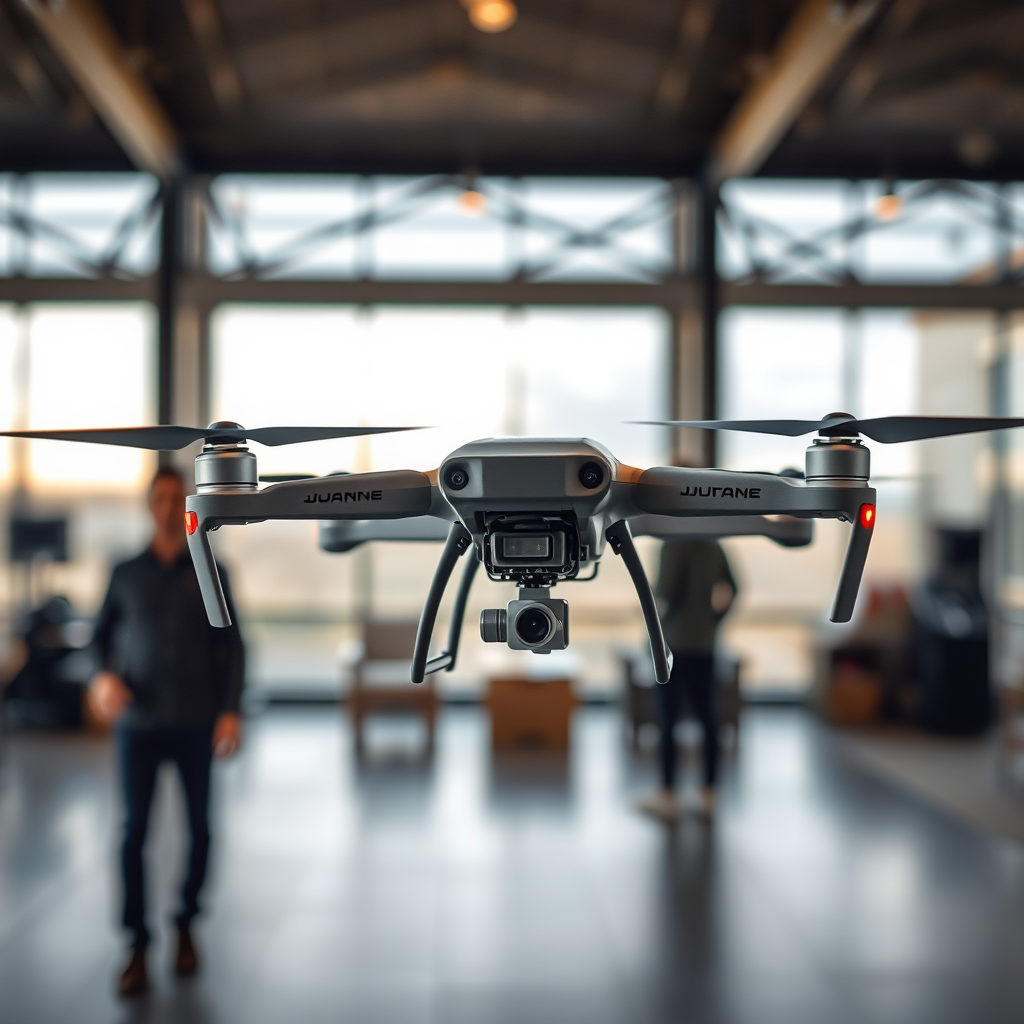
Different countries have different laws governing drone usage, and it’s essential for drone pilots to familiarize themselves with these regulations to avoid potential legal issues. In the United States, the Federal Aviation Administration (FAA) oversees drone operations and has established guidelines that all drone operators must follow. This includes registering drones that weigh more than 0.55 pounds, adhering to altitude restrictions, and avoiding flying near airports and populated areas without proper authorization.
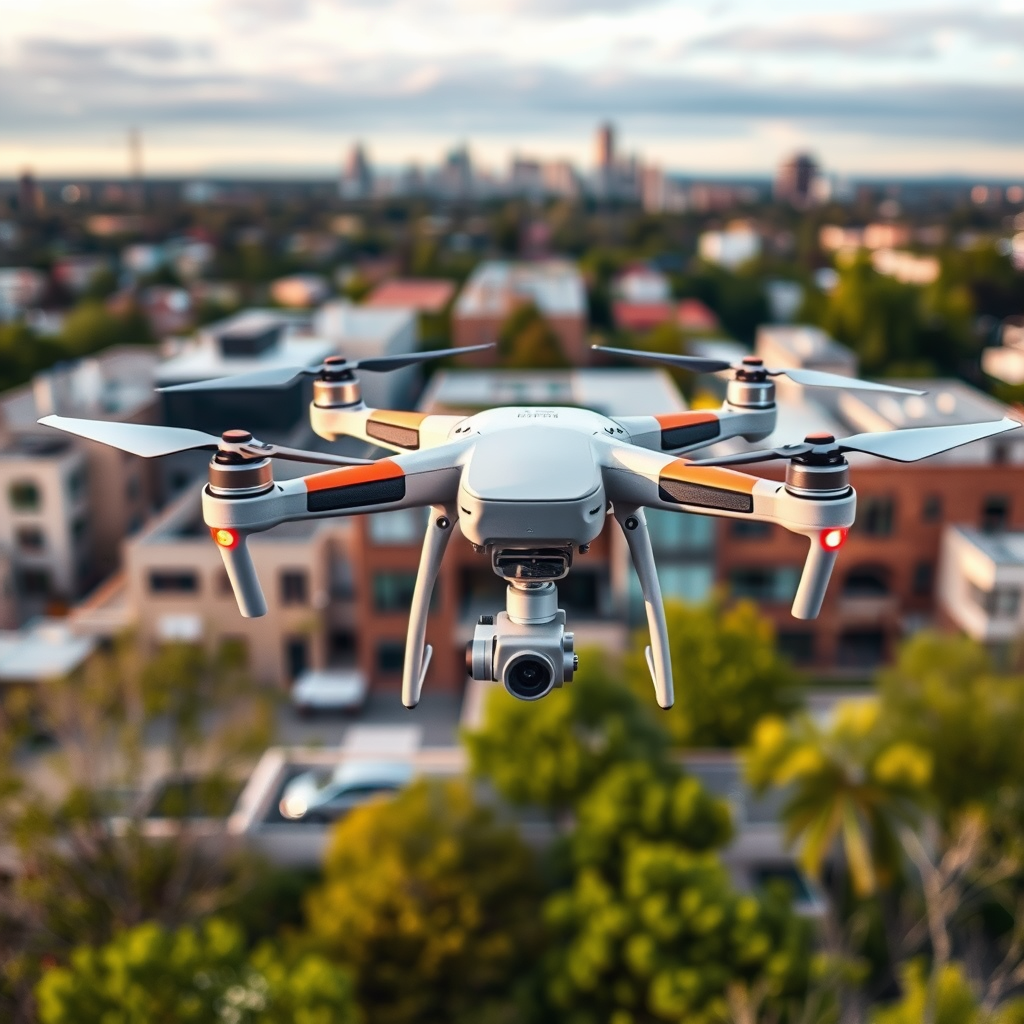
Internationally, drone regulations can vary significantly. For instance, the European Union has its own set of rules under the European Union Aviation Safety Agency (EASA), which mandates the registration of drones and categorizes operations based on risk. Countries like Canada have their own governing bodies, such as Transport Canada, which also requires registration and compliance with specific operational guidelines. Before flying your drone, it is vital to review the regulations specific to your country and region to ensure safety and legality.
Designated Flying Areas
Public parks are often good places to fly drones, as they typically have fewer restrictions. Many cities have recognized the growing popularity of drone flying and have designated specific parks or recreational areas for drone activities. For example, parks like the Denver City Park in Colorado or the Brooklyn Bridge Park in New York City openly permit drone flying during designated hours, provided pilots adhere to the rules set by local authorities.
In addition to public parks, some community organizations and municipalities have established designated flying zones, often equipped with signage to inform drone operators of the rules. Websites and platforms like the FAA’s UAS Facility Maps can help you identify these areas. Utilizing such resources not only enhances your flying experience but also ensures that you remain compliant with local laws.
No-Fly Zones
Avoid flying near airports, military bases, and government buildings, as these are typically restricted areas. The FAA has implemented a system of Temporary Flight Restrictions (TFRs) that restrict drone operations in specific zones, especially during emergencies or special events. Additionally, many airports have a five-mile radius around them where flying a drone without prior notification and permission is strictly prohibited.
To stay updated, pilots can check local maps or use apps like AirMap or B4UFLY, which highlight no-fly zones in real time. These tools are essential for ensuring that you do not accidentally enter restricted airspace, which can lead to serious legal repercussions or safety hazards. Always respect these zones and prioritize safety over convenience.
State and Local Laws
Each state may have its own drone laws that can impose additional restrictions, making it imperative for drone pilots to conduct thorough research before flying in a new area. For instance, states like California and Florida have specific regulations regarding drone usage in state parks and during certain events. In California, for example, it is illegal to fly drones in state parks without a permit, while Florida has regulations prohibiting drone use in certain wildlife management areas.
Local ordinances can also vary widely, with some cities enacting strict regulations that may include noise restrictions, limitations on flying times, or even complete bans on drone usage in specific areas. Pilots should utilize resources like state aviation websites or local government pages to gather information on the specific rules that apply in their desired flying locations.
Obtaining Permissions
In some cases, you may need to seek permission to fly in certain areas, especially if it’s private property. Obtaining consent from landowners is not only a legal requirement but also demonstrates respect for the rights of others. If you plan to fly over a private property, it is advisable to contact the landowner directly, explain your intentions, and request permission.
Additionally, for commercial drone operations, obtaining a waiver or special permission from the FAA may be necessary, especially if you plan to operate in non-standard conditions. Understanding the process for obtaining these permissions can save time and prevent potential conflicts or legal issues.
Tips for Responsible Flying
Always fly below 400 feet and keep your drone in line of sight. This is a fundamental rule established by the FAA to ensure safety in the airspace. Additionally, respecting the privacy of others is essential; avoid flying over crowds or private property without express permission. Being courteous can enhance the acceptance of drones in your community and prevent negative encounters.
Consider also the weather conditions before flying, as wind and precipitation can affect drone performance and safety. It’s best to avoid flying in high winds or adverse weather conditions. Lastly, regularly check and maintain your drone to ensure it’s in good working order, which is crucial for safe flying.
Resources for Drone Pilots
Online platforms and apps provide updates on regulations and flying locations, making them invaluable resources for drone pilots. Websites like the FAA’s UAS Toolkit and the National Drone Safety Awareness Week resources offer essential information about legal drone operation. Additionally, apps such as Skyward and DroneDeploy can help with flight planning and compliance, ensuring you have access to real-time information on flying environments.
Joining local drone flying clubs or forums can also enhance your knowledge and provide opportunities for networking with fellow enthusiasts. These communities often share insights, tips, and experiences that can help you navigate the complexities of drone flying more effectively.
In conclusion, knowing where you can legally fly your drone is crucial for a safe and enjoyable experience. By understanding drone regulations, identifying designated flying areas, avoiding no-fly zones, and adhering to state and local laws, drone pilots can ensure compliance with the law. Obtaining necessary permissions and flying responsibly further enhances the overall experience. Utilize the available resources to stay informed and connected with the drone flying community. Happy flying!
Frequently Asked Questions
Where can I fly my drone legally in the United States?
In the United States, you can legally fly your drone in various locations as long as you adhere to Federal Aviation Administration (FAA) regulations. Drones are permitted in public outdoor spaces such as parks, open fields, and rural areas, but you must maintain a visual line of sight and avoid flying over people or moving vehicles. Additionally, many states and localities may have their own restrictions, so it’s essential to check local regulations and any temporary flight restrictions (TFRs) before taking off.
What are the rules for flying a drone in national parks?
Drones are generally prohibited in national parks in the United States unless you have specific permission from the National Park Service. This ban is in place to protect wildlife, preserve the natural landscape, and ensure visitor safety. If you wish to fly a drone in or around a national park, you must apply for a Special Use Permit and provide a detailed plan of your intended activities.
How can I find drone-friendly locations near me?
To find drone-friendly locations nearby, you can utilize various online resources and apps designed for drone pilots. Websites like AirMap and DroneSpace provide interactive maps that highlight designated flying areas, airspace restrictions, and local regulations. Additionally, local flying clubs or community forums can offer insights into places where experienced pilots fly legally and safely.
Why is it important to check for no-fly zones before flying my drone?
Checking for no-fly zones is crucial before flying your drone because these areas are often restricted for safety, privacy, and security reasons. No-fly zones can include airports, military installations, and urban areas, where flying could pose risks to manned aircraft or violate privacy rights. Violating these restrictions can lead to hefty fines, confiscation of your drone, and potential legal consequences, so always ensure you are informed about any airspace regulations in your flying area.
Which apps can help me monitor drone regulations and flying zones?
Several apps can assist you in monitoring drone regulations and identifying safe flying zones. Notable options include B4UFLY, which provides real-time information on airspace restrictions and local laws based on your GPS location, and SkyVector, which offers aeronautical charts for airspace awareness. Additionally, the FAA’s UAS Data Repository provides comprehensive information on drone regulations and operational guidelines, ensuring you stay compliant while enjoying your flying experience.
References
- https://www.faa.gov/uas/getting_started/where_to_fly
- https://www.nasa.gov/feature/nasa-drones-and-their-uses
- https://en.wikipedia.org/wiki/Unmanned_aerial_vehicle#Regulation
- https://www.usc.edu/technology/drones/
- https://www.theguardian.com/technology/2020/sep/14/drone-flying-rules-uk-where-to-fly
- https://www.nps.gov/subjects/drones/index.htm
- https://www.nationalgeographic.com/science/article/how-to-fly-a-drone-legally-and-safely
- https://www.dronelife.com/2020/06/03/where-can-i-fly-my-drone-legally/
