

You can fly your drone on Long Island in various locations, including parks, beaches, and designated flying areas. However, it’s essential to follow local regulations and guidelines to ensure a safe and enjoyable experience. Long Island’s diverse landscapes provide ample opportunities for drone enthusiasts to capture stunning aerial imagery, but understanding where and how to fly is crucial for compliance with the law and respect for the environment and community. Below, we explore some of the best spots to fly your drone on Long Island.
Popular Drone Flying Locations
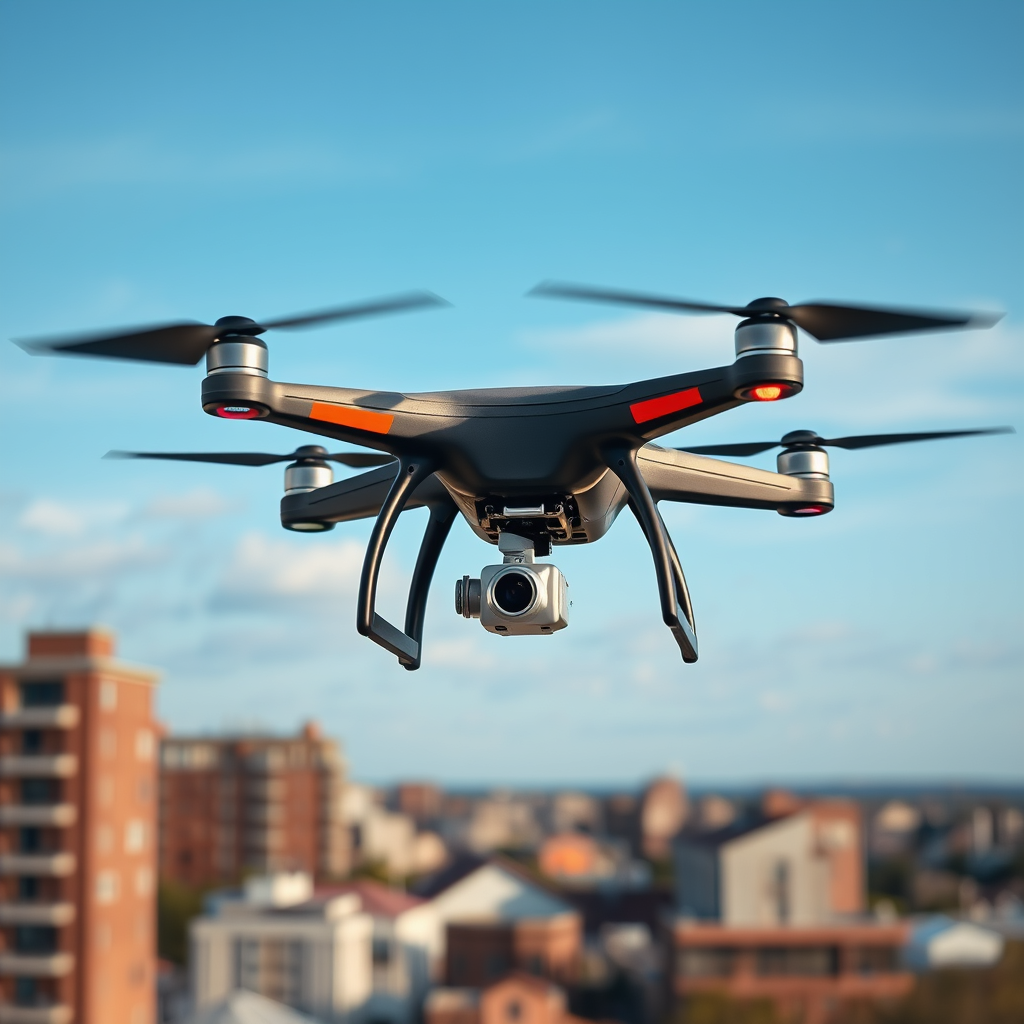
– Parks and Nature Reserves: Long Island is home to numerous parks and nature reserves that offer open spaces ideal for drone activities. One of the most recommended locations is Caumsett State Park, which boasts expansive fields, woodlands, and coastline. The tranquility of this park allows drone flyers to capture breathtaking shots of the natural scenery without interruption. Other parks such as Eisenhower Park and the Bethpage State Park also provide ample space for drone flying, though it’s advisable to check for specific areas within the parks where drone activity is permitted.
– Beaches: The beaches of Long Island are well-known for their picturesque views and are great venues for aerial photography. Jones Beach is a popular choice among drone pilots, offering a wide stretch of coastline and scenic vistas over the Atlantic Ocean. Similarly, Robert Moses State Park is another excellent spot, with its expansive beaches and stunning sunset views. However, it is crucial to verify specific regulations regarding drone use at these locations, as some areas may have restrictions to protect wildlife or maintain the peaceful atmosphere enjoyed by beachgoers.
Understanding Drone Regulations
– FAA Guidelines: The Federal Aviation Administration (FAA) has established essential guidelines for drone operation, which all drone pilots must adhere to. Drones must be flown at altitudes below 400 feet, and it is imperative to maintain a safe distance from airports and populated areas to avoid accidents and ensure safety. Additionally, flying at night is prohibited unless you have appropriate lighting equipment on your drone.
– Local Laws: Beyond federal regulations, each town or city on Long Island may impose specific local laws governing drone use. For instance, some municipalities might have restrictions concerning where drones can be launched or flown. It is advisable to consult local ordinances before flying to avoid potential fines or legal issues. Websites of local government and parks departments often provide comprehensive information on these regulations.
Recommended Drone-Friendly Areas
– Montauk Point State Park: Located at the eastern tip of Long Island, Montauk Point State Park is renowned for its stunning coastal views, rugged cliffs, and the iconic Montauk Lighthouse. The park offers ample open space, making it a prime location for drone enthusiasts looking to capture breathtaking aerial footage of the dramatic shoreline and natural beauty. Be mindful of wildlife, particularly during nesting seasons, and respect any designated no-fly zones.
– Hempstead Lake State Park: This scenic area features a beautiful lake surrounded by woodlands and open fields, making it perfect for flying drones. The park’s varied terrain offers unique perspectives for aerial photography, from the shimmering reflections on the water to the lush landscapes surrounding the lake. As with other locations, checking for any specific drone regulations within the park is advisable to ensure compliance.
Safety Tips for Flying Drones
– Pre-Flight Checklist: Before taking to the skies, it is vital to conduct a thorough pre-flight checklist to ensure your drone is in good working condition. This includes checking battery levels, inspecting propellers for damage, and ensuring that the camera and gimbal are functioning correctly. Familiarizing yourself with the drone’s controls and features will enhance your flying experience and minimize the risk of accidents.
– Weather Conditions: Weather can significantly impact drone performance. It is essential to check weather reports for wind speeds and precipitation levels before flying. Drones are less stable in high winds, which can lead to loss of control and potential crashes. Ideally, aim to fly on clear days with low wind conditions to ensure a safe and enjoyable flying experience.
Photography and Videography Tips
– Best Times to Fly: Timing is crucial for capturing stunning aerial photographs and videos. Early mornings or late afternoons often provide the best lighting conditions, as the sun’s position creates softer shadows and warmer colors. This “golden hour” is particularly advantageous for landscape photography, allowing for breathtaking captures that highlight the natural beauty of Long Island.
– Respect Privacy: When flying your drone, always remain mindful of privacy issues. Avoid flying over private property without permission, and be respectful of individuals’ personal space. It is important to strike a balance between capturing beautiful images and maintaining the privacy and comfort of others. Being courteous and responsible can help foster a positive relationship between drone pilots and the community.
Resources for Drone Flyers
– Local Drone Clubs: Joining a local drone club can be an excellent way to connect with fellow enthusiasts and gain insights into the best flying spots and practices. Clubs often host events and workshops, providing a platform for exchanging knowledge and experiences. Engaging with other drone pilots can enhance your skills and broaden your understanding of the hobby.
– Online Communities: In addition to local clubs, online forums and websites dedicated to drone flying can serve as valuable resources. Websites like DroneDJ and forums on platforms like Reddit offer a wealth of information, from technical tips to recommended flying locations. Engaging with these communities can help you stay updated on the latest trends, technology, and regulations in the drone flying world.
Long Island offers numerous spots for drone enthusiasts to explore. By understanding regulations, choosing the right locations, and following safe flying practices, you can enjoy capturing the beautiful landscapes that the island has to offer. Whether you’re an experienced pilot or a newcomer to the hobby, following these guidelines will help ensure a rewarding and enjoyable drone flying experience. Happy flying!
Frequently Asked Questions
What are the best places to fly my drone on Long Island?
Long Island offers numerous scenic locations for drone flying, such as Jones Beach State Park, Montauk Point State Park, and the various beaches along the South Shore. Many parks and nature preserves, like the Nassau County’s Bethpage State Park, also provide wide open spaces ideal for drone enthusiasts. Always check local regulations and restrictions before flying in these areas to ensure safety and compliance.
How do I know if I can fly my drone in a specific area on Long Island?
To determine if you can fly your drone in a specific area on Long Island, you should first consult the FAA’s B4UFLY app, which provides vital information about airspace restrictions. Additionally, check local ordinances and any specific site rules, especially in state parks or near airports. Local drone flying groups and online forums can also be helpful in providing insights into where flying is permitted.
Why is it important to check airspace regulations before flying my drone on Long Island?
Checking airspace regulations is crucial to ensure the safety of both your drone and the public, as well as to comply with legal requirements. Long Island has areas with controlled airspace, including near airports, where flying without permission could lead to serious penalties. Understanding these regulations helps prevent accidents and fosters responsible drone usage within the community.
What are the drone regulations I need to follow when flying on Long Island?
When flying your drone on Long Island, you must adhere to both federal and local regulations. This includes registering your drone with the FAA if it weighs over 0.55 pounds, maintaining a visual line of sight, flying below 400 feet, and avoiding restricted areas such as airports and military zones. Familiarizing yourself with the New York State drone laws and any specific guidelines set forth by local authorities is also essential for safe and legal operation.
Which parks allow drone flying on Long Island?
Several parks on Long Island permit drone flying, including the expansive Bethpage State Park, the scenic Robert Moses State Park, and some areas of the Fire Island National Seashore. However, each park may have designated areas or specific time restrictions for drone use, so it’s important to check with the New York State Parks website or contact park management for the most updated information before your visit.
References
- https://www.faa.gov/uas/recreational_fliers/where_to_fly
- https://www.nassaucountyny.gov/DocumentCenter/View/18450/Drone-Use-FAQ
- https://www.suffolkcountyny.gov/Departments/Economic-Development/Drone-Usage-Policy
- https://www.nytimes.com/2021/05/18/nyregion/drone-use-long-island.html
- https://www.wbur.org/news/2021/06/02/drone-regulations-new-york-long-island
- https://www.wikiwand.com/en/Drone_flying_in_the_United_States
- https://www.nyc.gov/site/sandyrecovery/faq/drone-flying.page
