

Flying a drone that weighs under 250g offers more flexibility and fewer regulations, allowing you to explore numerous locations for aerial photography and recreational flying. Smaller drones have become incredibly popular due to their lightweight nature, making them accessible to hobbyists and professionals alike. However, understanding where you can legally fly these drones is crucial to ensure a safe and enjoyable experience. Below, we delve into the various locations and considerations for flying drones weighing under 250g.
Understanding Drone Weight Regulations
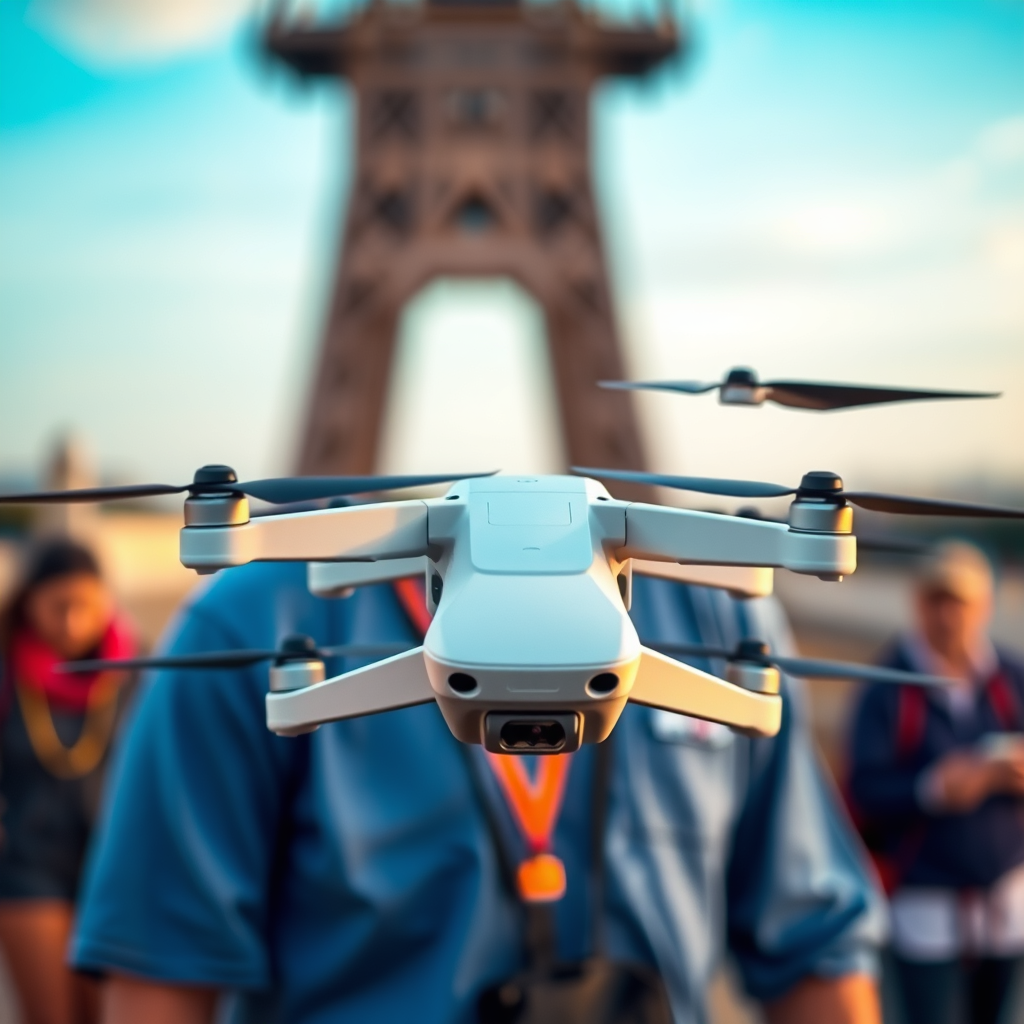
Drones under 250g often fall into a less regulated category, which can lead to a more enjoyable flying experience without the burden of extensive legal frameworks. In many countries, including the United States and parts of Europe, drones in this weight class do not require registration or a remote pilot license, provided they are flown within the established guidelines. However, it is essential to familiarize yourself with local laws to avoid fines or penalties. Each jurisdiction may have specific rules regarding altitude limits, no-fly zones, and flying near populated areas. For instance, in the U.S., the Federal Aviation Administration (FAA) has outlined certain restrictions that even lightweight drones must follow, such as not flying over people or moving vehicles. Therefore, being well-informed about your local regulations is the first step to a successful flying experience.
Popular Outdoor Locations
Parks and nature reserves typically allow drone flying with some restrictions, making them ideal locations for hobbyists looking to capture stunning landscapes. National and state parks often have designated areas where drone operation is permitted, but it is crucial to check specific regulations beforehand, as some parks may prohibit drone use entirely to protect wildlife and natural resources. Additionally, beaches and open fields offer ample space and scenic views, allowing for creativity in aerial photography. For example, flying a drone along the coastline can yield breathtaking shots of the sunset or surfers catching waves. Always ensure that you are flying in designated areas and respect the environment by avoiding sensitive habitats.
Urban Areas and City Parks
Many cities have designated areas for drone flying, so it’s important to check local regulations before taking to the skies. City parks can provide unique aerial shots, offering a juxtaposition of urban landscapes and natural greenery. However, it is essential to respect privacy and avoid flying over private property without permission. Some urban areas may also have restrictions on flying during certain hours or near airports. For instance, New York City has specific zones where drone flying is not permitted, and it’s essential to be aware of these limitations to avoid legal trouble. Tools like the FAA’s B4UFLY app can assist in determining whether you are in a flyable area.
Private Properties
When considering flying in private spaces, always seek permission from property owners before launching your drone. This can lead to stunning photos of unique landscapes or events without the crowds often found in public spaces. Many hobbyists have found that local farms, vineyards, or even large estates provide breathtaking opportunities for aerial photography. For example, capturing the serene beauty of a vineyard during harvest season can produce stunning visuals that would be difficult to achieve in more populated areas. Always approach property owners respectfully and explain how you intend to use the drone; many may welcome the opportunity for promotional imagery or simply appreciate the hobbyist’s enthusiasm.
Drone Clubs and Events
Joining local drone clubs can provide access to exclusive flying locations that may not be available to the general public. Many of these clubs organize events or meetups that allow members to fly together, share tips, and collaborate on projects. This community approach not only enriches your flying experience but also enhances your skills through shared knowledge and expertise. For instance, participating in local drone racing events can provide a thrilling experience while improving your piloting skills. Clubs often have established relationships with landowners or municipalities that can facilitate access to prime flying spots. Check platforms like Meetup or social media groups to find clubs in your area.
Online Resources and Mapping Tools
Utilizing online resources and mapping tools can significantly help in finding drone-friendly locations in your area. Websites like AirMap and DroneDeploy offer interactive maps that display restricted zones, safe flying areas, and even user-generated content that shares experiences and tips. These resources can be invaluable for both novice and experienced drone pilots looking to explore new locations while adhering to local regulations. User-generated content often includes reviews and insights about specific locations, enabling you to make informed decisions about where to fly. Additionally, forums and social media groups can provide real-time updates on any changes in regulations or popular new flying sites.
Safety and Etiquette Tips
Safety and etiquette are paramount when flying drones, regardless of their weight. Always maintain a line of sight with your drone throughout the flight to avoid potential collisions and ensure you can react promptly to any unforeseen circumstances. Respect wildlife and other people’s privacy while flying; avoid flying close to animals, especially nesting birds, as this can disturb their natural behavior. Additionally, if you are in a public space, be considerate of others who may be enjoying the area. Communicating your intentions to those nearby can foster a positive atmosphere and mitigate any concerns they may have about drone usage.
In conclusion, flying a drone under 250g can open up many exciting opportunities, from scenic parks to private properties. By understanding local regulations and being considerate of your surroundings, you can enjoy a safe and fulfilling flying experience. Whether you choose to explore outdoor locations, urban areas, or join a local drone club, the key is to remain informed and respectful of both legal requirements and the environment.
Frequently Asked Questions
What are the regulations for flying a drone under 250g?
Drones weighing under 250g are subject to less stringent regulations compared to heavier models. In many countries, including the United States, you can fly these lightweight drones without needing to register them with aviation authorities. However, it’s essential to follow basic safety guidelines, such as not flying above 400 feet, keeping your drone within visual line-of-sight, and avoiding flying near airports or crowded areas.
Where can I legally fly my drone under 250g?
You can legally fly your drone under 250g in various locations, such as parks, open fields, and designated drone flying areas, provided you comply with local regulations. Always check for specific restrictions in your area, as some places may have no-fly zones due to wildlife, privacy concerns, or urban development. Additionally, using apps like B4UFLY can help you determine if your flight location is permissible.
How do I find the best places to fly my drone under 250g?
To find the best places to fly your drone under 250g, consider using online drone communities, forums, and apps that share user-generated locations and experiences. Websites like Drone Parks or social media groups often list drone-friendly spots. Additionally, local drone clubs can provide insight into optimal flying locations while ensuring compliance with regulations and safety practices.
Why is it important to know where to fly my drone under 250g?
Knowing where to fly your drone under 250g is crucial for ensuring safety, legality, and enjoyment. Flying in restricted areas can lead to fines, confiscation of your drone, or even accidents that could harm people or property. By understanding the designated flying zones, you can enhance your flying experience and protect yourself from potential legal issues.
Which are the best drones under 250g for beginners?
Some of the best drones under 250g for beginners include the DJI Mini SE, Holy Stone HS720E, and the Eachine E520S. These models are user-friendly, feature stable flight capabilities, and offer excellent camera quality for aerial photography. When selecting a drone, ensure it has features such as GPS stabilization, one-key takeoff, and return-to-home functions to make your flying experience easier and safer.
References
- https://en.wikipedia.org/wiki/Drone_regulations
- https://www.faa.gov/uas/getting_started/where_to_fly
- https://www.nasa.gov/centers/langley/pdf/494890main_UAS_WhitePaper.pdf
- https://www.faa.gov/uas/
- https://www.ustechpolicy.org/2020/06/22/drones-and-public-policy/
- https://www.droneadvocacy.org/
- https://www.faa.gov/uas/education/
- https://www.sUASnews.com/2020/06/15/drone-flying-rules-in-the-us/
