

You can fly your toy drone in various locations, but it’s essential to be aware of local regulations and guidelines. Understanding these regulations and the best locations to fly will ensure a safe and enjoyable experience. This article will guide you through the best places to fly your toy drone while ensuring compliance with safety rules to maximize your flying fun.
Understanding Local Regulations

Before you take to the skies, it is crucial to research local laws regarding drone usage in your area. Regulations can vary significantly between countries, states, and even municipalities. For instance, the Federal Aviation Administration (FAA) in the United States has established guidelines that apply to all drone pilots, including those flying toy drones. These regulations often restrict where drones can be flown, especially in urban areas where safety and privacy concerns are paramount.
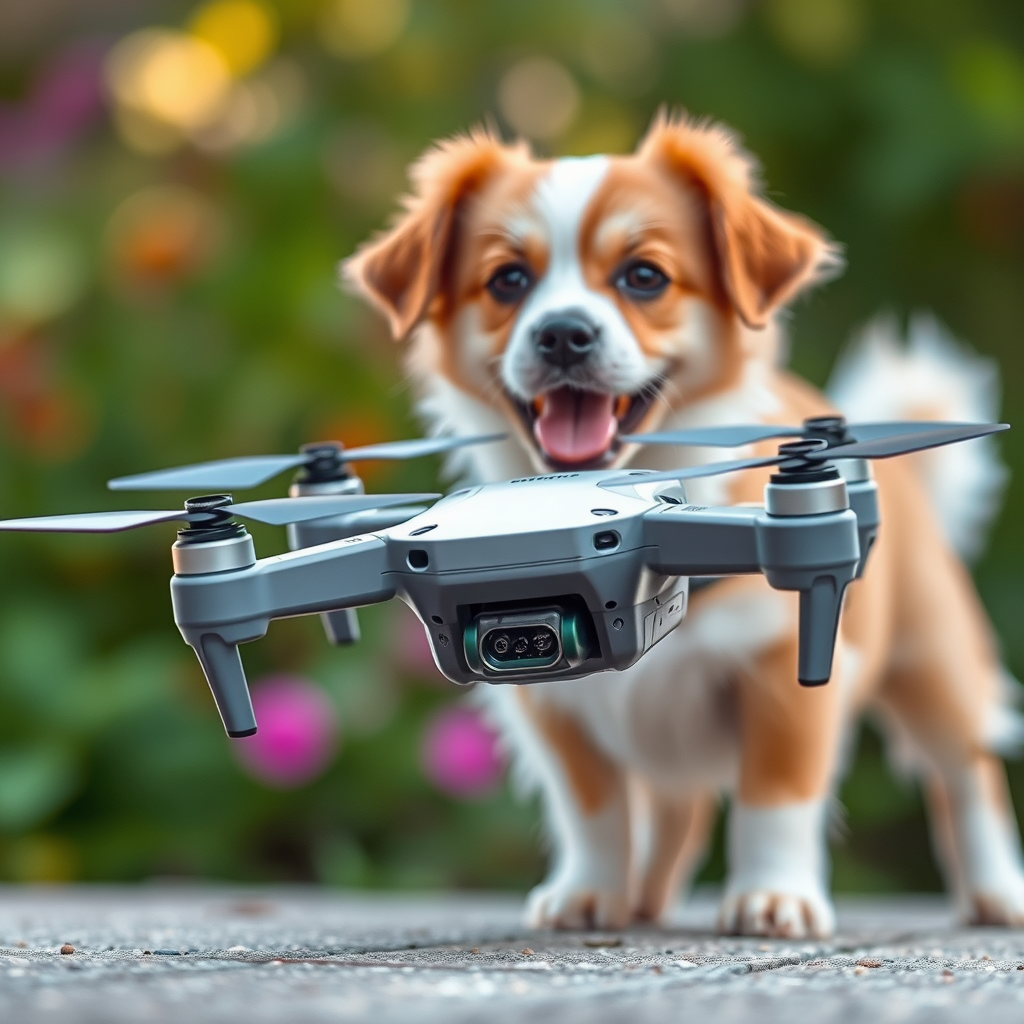
Familiarizing yourself with restrictions in parks, residential areas, and near airports is also essential. Many parks have specific regulations regarding drone use, and some may prohibit flying altogether. For example, national parks in the U.S. often have strict rules against drone flying to protect wildlife and preserve the natural landscape. In suburban neighborhoods, flying a drone may infringe upon the privacy of others, leading to potential complaints or even legal action. Additionally, flying near airports is heavily restricted due to the risk of interfering with manned aircraft operations. Therefore, always check local ordinances and consult resources like the FAA’s B4UFLY app to ensure compliance.
Ideal Outdoor Locations
When considering outdoor locations for flying your toy drone, look for open fields or parks that allow drone flying. Large, unobstructed areas are ideal for practicing your piloting skills without the risk of crashing into obstacles. Community parks often serve as excellent venues, but be sure to confirm their drone policies beforehand. Some parks may have designated areas for drone flying, while others may restrict it entirely.
Seeking out designated drone flying zones or clubs in your community can enhance your flying experience. These clubs not only provide a safe environment for flying but also offer a community of like-minded enthusiasts who can share tips and advice. Many clubs organize events and competitions, which can be a great way to improve your skills while enjoying the camaraderie of fellow drone pilots. Websites like the Academy of Model Aeronautics (AMA) can help you find clubs in your area.
Indoor Flying Options
If outdoor flying is not an option due to weather or regulations, consider flying your toy drone in large indoor spaces like gyms or warehouses. Indoor flying presents a unique set of challenges but can be equally rewarding. Ensure the indoor area has sufficient height and space to accommodate your drone’s flight path. Warehouses with high ceilings and ample room to maneuver are ideal, while recreational centers often have gymnasiums that provide a spacious environment for flying.
When choosing an indoor location, be mindful of safety. Ensure that the area is free of obstacles that could damage your drone or injure bystanders. Additionally, check if the venue allows drone operations since some facilities may have strict policies regarding flying devices indoors.
Safety Tips for Flying
Safety should always be your top priority when flying a toy drone. Always keep your drone within your line of sight; this is not only a best practice but also a requirement in many jurisdictions. Maintaining visual contact with your drone allows you to respond quickly to any potential hazards, such as people, animals, or obstacles.
Avoid flying near people, animals, or private property to prevent accidents and maintain good relations with your neighbors. Consider the potential risks associated with flying in crowded areas, as crashing into someone or something can lead to injuries and damage. Furthermore, many local laws explicitly prohibit flying over private property without permission, so it’s wise to always respect others’ privacy.
Additionally, familiarize yourself with the drone’s controls and capabilities before attempting advanced maneuvers. Practicing in open areas can help you gain confidence and ensure that you are prepared for any situation that may arise during your flights.
Recommended Drone Flying Apps
Utilizing drone flying apps can significantly enhance your flying experience by providing crucial information about no-fly zones and weather conditions. Apps like AirMap and B4UFLY are essential tools for drone pilots, offering interactive maps that highlight restricted areas, such as airports and military bases. These apps also provide real-time updates on local regulations, ensuring that you remain compliant while flying.
In addition to regulatory information, weather apps can help you determine the best times to fly. Wind speed, temperature, and precipitation can all affect your drone’s performance, so it’s essential to choose days with favorable flying conditions. Community-driven platforms such as DroneBuddy and FlySpot allow users to discover and share local flying spots, providing insights into the best locations for flying in your area.
Joining a Drone Community
Connecting with local drone clubs is an excellent way to enhance your flying skills and knowledge. Drone clubs often provide resources, support, and camaraderie for enthusiasts of all skill levels. These communities frequently organize group flying events, workshops, and competitions, offering invaluable opportunities to learn from experienced pilots and share experiences.
Participating in group flying events allows you to practice your skills in a supportive environment. It also gives you a chance to ask questions and receive feedback from fellow enthusiasts. Many clubs also provide access to club-owned flying fields, which may have fewer restrictions than public parks. Joining a drone community can significantly enhance your flying experience and foster lasting friendships with fellow drone enthusiasts.
In conclusion, flying your toy drone can be a fun and rewarding experience if you choose the right locations and adhere to regulations. By understanding local laws, identifying suitable outdoor and indoor venues, and prioritizing safety, you can ensure enjoyable flights. Utilizing drone flying apps and engaging with local communities can further enhance your experience and knowledge. Always prioritize safety and community engagement while exploring the skies with your drone!
Frequently Asked Questions
What are the legal requirements for flying my toy drone?
Before flying your toy drone, it’s essential to understand the legal requirements in your area. In the United States, the Federal Aviation Administration (FAA) has specific regulations that apply to all drones, including toy drones weighing over 0.55 pounds. You must register your drone if it exceeds this weight, fly below 400 feet, and avoid flying near airports or in restricted airspace. Always check local laws and regulations, as some parks or private properties may have additional restrictions.
How do I find safe locations to fly my toy drone?
To find safe locations for flying your toy drone, start by researching public parks, open fields, or designated flying zones in your area. Many cities have specific parks or areas where drone flying is permitted, which you can often find on local government websites. Additionally, drone community forums or apps can provide information on local spots that are friendly to drone enthusiasts. Always ensure you have permission to fly in a given area and adhere to any posted regulations.
Why is it important to check for no-fly zones before flying my toy drone?
Checking for no-fly zones is crucial to ensure compliance with aviation laws and to avoid penalties. No-fly zones are designated areas where drone flying is prohibited due to security, safety, or privacy concerns, such as near airports, military installations, or densely populated urban areas. Flying in these zones can lead to serious legal consequences, including fines and confiscation of the drone. Always use resources like the FAA’s B4UFLY app to identify no-fly zones before your flight.
What are the best practices for flying my toy drone safely?
To fly your toy drone safely, always maintain a line of sight with your drone, avoid flying over people, and check the weather conditions before taking off. It’s also essential to familiarize yourself with the drone’s controls and functionalities. Respect the privacy of others by avoiding filming or photographing individuals without their consent. Following these best practices not only enhances your flying experience but also promotes responsible drone use within your community.
Which toy drones are best for beginners in terms of ease of use and safety?
For beginners, toy drones like the DJI Tello, Holy Stone HS210, or the Potensic A20 are excellent choices due to their user-friendly interfaces and built-in safety features. These drones typically come with features such as altitude hold, one-key takeoff, and automated landings, making them easier to control for novice pilots. Additionally, they are lightweight and designed with safety in mind, reducing the risk of accidents and injuries during the learning process.
References
- https://www.faa.gov/uas/getting_started/where_to_fly
- https://www.faa.gov/uas/
- https://www.nasa.gov/feature/nasa-s-drone-initiative-making-sense-of-the-skies
- https://www.reuters.com/technology/what-you-need-know-about-flying-drones-us-2021-04-14/
- https://en.wikipedia.org/wiki/Drone_flying_regulations
- https://www.nationalgeographic.com/science/article/drone-flying-regulations
- https://www.smithsonianmag.com/innovation/what-you-need-know-about-flying-drones-in-your-area-180975095/
- https://www.dronepilotgroundschool.com/drone-laws/
- https://www.nrdc.org/stories/drones-101-what-you-should-know-about-drones-and-their-impact-environment
