
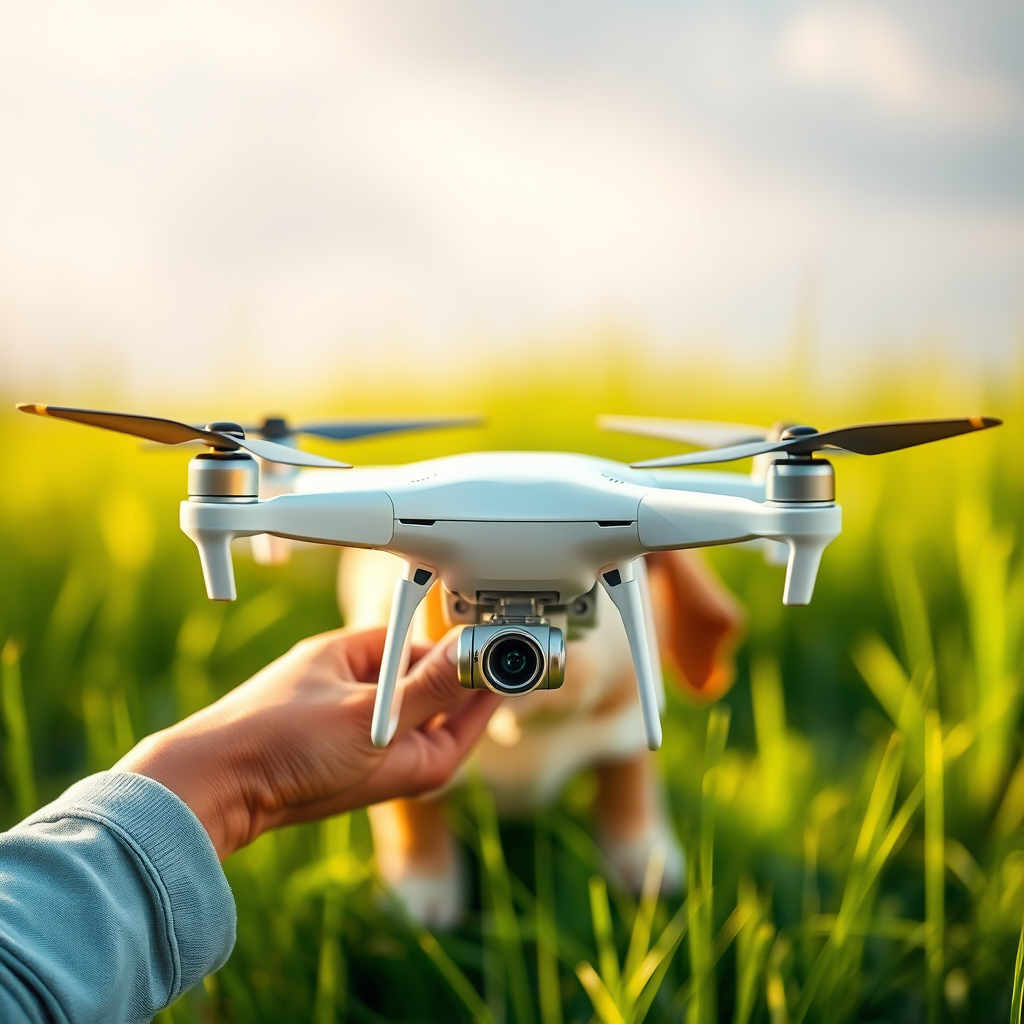
You can fly a drone in various locations, including parks, beaches, and rural areas, but it’s important to adhere to local regulations. Understanding where to fly your drone safely and legally can enhance your flying experience while avoiding penalties. This article will guide you through the best places to fly your drone while ensuring compliance with laws and safety practices.
Understanding Drone Regulations
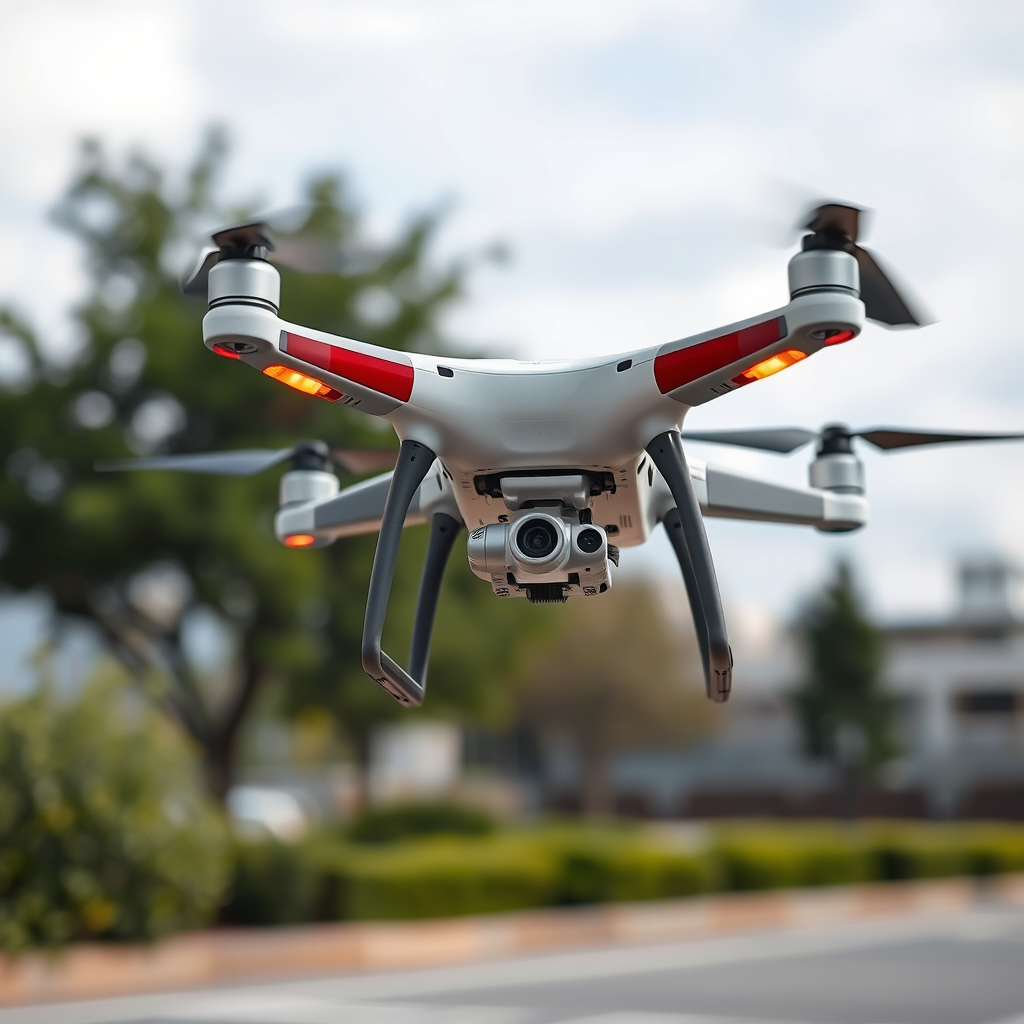
Before embarking on your drone flying adventure, it’s crucial to understand that different countries have varying laws regarding drone usage. In the United States, for instance, the Federal Aviation Administration (FAA) has established regulations that apply to both recreational and commercial drone operators. These include maintaining a visual line of sight, flying below 400 feet, and avoiding flying over people or moving vehicles. Countries like Canada and the United Kingdom have their own specific guidelines, and regulations can also vary by state or region.
Always check local regulations before flying, including restricted zones. For example, many urban areas have designated no-fly zones, often near airports, schools, and government buildings. In some cases, you may need to apply for special permission or adhere to additional restrictions, particularly if you’re flying in national parks or similar protected areas. Utilizing resources such as the FAA’s B4UFLY app can help you stay informed about airspace restrictions and regulations specific to your location.
Ideal Locations for Flying Drones
When searching for ideal locations to fly your drone, national parks and nature reserves often permit drone flights under certain conditions. However, these locations typically require specific permissions or adherence to strict guidelines to protect wildlife and the natural environment. For example, Yellowstone National Park prohibits drone flights altogether, while other parks may allow limited use with prior approval.
Open fields and rural areas provide excellent space for flying without the constraints of urban environments. These locations often have minimal air traffic, allowing for freer maneuvering. Look for agricultural land or designated flying fields where drone use is encouraged. Always ensure that you’re respectful of the property and obtain any necessary permissions if the land is privately owned.
Urban Flying Considerations
Flying drones in urban areas can be tricky due to airspace regulations and safety concerns. The densely populated nature of cities poses risks, including potential collisions and privacy violations. However, there are opportunities for drone enthusiasts in urban settings. Consider places like rooftops of large buildings or expansive parks, ensuring you comply with local laws and regulations.
For instance, certain cities have designated drone zones where operators can fly freely, provided they adhere to local guidelines. Additionally, some urban areas host drone racing events or festivals that offer designated times and locations for flying. Always perform thorough research and obtain any necessary permits before flying your drone in populated areas.
Popular Drone-Friendly Destinations
Beaches and lakes are often favored for scenic aerial photography, offering stunning vistas and unique opportunities for capturing images. Coastal areas typically have fewer restrictions, making them ideal for recreational use. However, it’s essential to check whether drones are permitted on specific beaches, as some may have regulations in place to protect wildlife or ensure the safety of beachgoers.
Events like festivals or sports can offer unique opportunities for drone photography and videography, but it’s crucial to check for permissions. Many event organizers will have specific guidelines or restrictions regarding drone flights to ensure the safety and enjoyment of attendees. For example, large music festivals may have designated areas for drone operators, but it’s essential to gain prior approval.
Safety Tips for Flying Your Drone
Safety should always be a priority when flying your drone. Always keep your drone in sight and avoid flying over people. This not only ensures compliance with regulations but also minimizes the risk of accidents and injuries. Familiarize yourself with your drone’s controls and capabilities before venturing out to fly, especially in challenging environments.
Respect privacy by avoiding residential areas without consent. Flying your drone over private property without permission can lead to legal issues and damage your reputation as a responsible operator. Additionally, be courteous to other drone users and outdoor enthusiasts, ensuring that you don’t disrupt their experience.
Challenges and Restrictions
Be aware of no-fly zones, such as near airports and military bases. These areas are often marked on aviation maps, and violating these restrictions can result in serious penalties. Many cities also have their own specific regulations regarding drone usage in public spaces, which may include requiring permits for commercial use or restricting flights during certain times.
Weather conditions can also affect flying, so check forecasts before heading out. Windy or rainy conditions can impact your drone’s stability and performance, posing risks to both your equipment and safety. Always be prepared to reschedule your flying plans if conditions are not favorable.
In conclusion, knowing where you can fly a drone is essential for both enjoyment and compliance. By understanding local regulations, identifying ideal locations, and prioritizing safety, you can ensure a positive flying experience. Always stay informed about the restrictions in your area and embrace the stunning perspectives that drone flying can offer. Happy flying!
Frequently Asked Questions
Where can I legally fly my drone?
You can legally fly your drone in various locations, but it’s crucial to follow local regulations. In the United States, the Federal Aviation Administration (FAA) allows drone flying in uncontrolled airspace, away from airports and populated areas. Additionally, many parks and recreational areas have specific rules, so always check local laws, and ensure you have any required permits before launching your drone.
What are the restrictions on flying drones in urban areas?
Flying drones in urban areas often comes with strict restrictions due to safety and privacy concerns. Many cities have regulations prohibiting drone use over densely populated areas, schools, and hospitals. It’s essential to research the specific laws in your city or municipality, as some may require permits or have designated no-fly zones to protect public safety and privacy.
How can I find drone-friendly locations for flying?
To find drone-friendly locations, you can use online resources and mobile apps specifically designed for drone pilots. Websites like Airmap and UAV Forecast provide maps that highlight no-fly zones, controlled airspace, and areas where drones can be flown legally. Additionally, joining local drone flying clubs can connect you with experienced pilots who can share their favorite flying spots.
Why is it important to check airspace regulations before flying a drone?
Checking airspace regulations before flying a drone is crucial to ensure safety and compliance with the law. Violating airspace restrictions can lead to fines, confiscation of your drone, and even legal repercussions. Furthermore, knowing the regulations helps prevent accidents and conflicts with manned aircraft, ensuring a safer flying experience for everyone involved.
Which states in the US have the most lenient drone flying laws?
States like North Dakota, South Dakota, and Wyoming are known for having more lenient drone flying laws, offering vast open spaces with fewer restrictions. However, it’s important to note that even in these states, drone pilots must still adhere to FAA regulations and any specific local ordinances. Always conduct thorough research on state-specific laws and guidelines to ensure safe and legal drone operation.
References
- https://en.wikipedia.org/wiki/Drone_flying_regulations
- https://www.faa.gov/uas
- https://www.nasa.gov/mission_pages/
- https://www.ama-flightschool.org/drones
- https://www.societyofaviation.com/drone-regulations
- https://www.nps.gov/subjects/drones/index.htm
- https://www.faa.gov/uas/getting_started/where_to_fly
- https://www.surfrider.org/initiatives/drones-in-beaches
