

You can fly a drone in Maryland at various locations, including parks, beaches, and rural areas. However, to ensure safe and responsible flying, it is crucial to adhere to local regulations and guidelines. This article will guide you through the best spots for drone flying and the necessary rules to follow while navigating Maryland’s skies.
Understanding Maryland’s Drone Laws
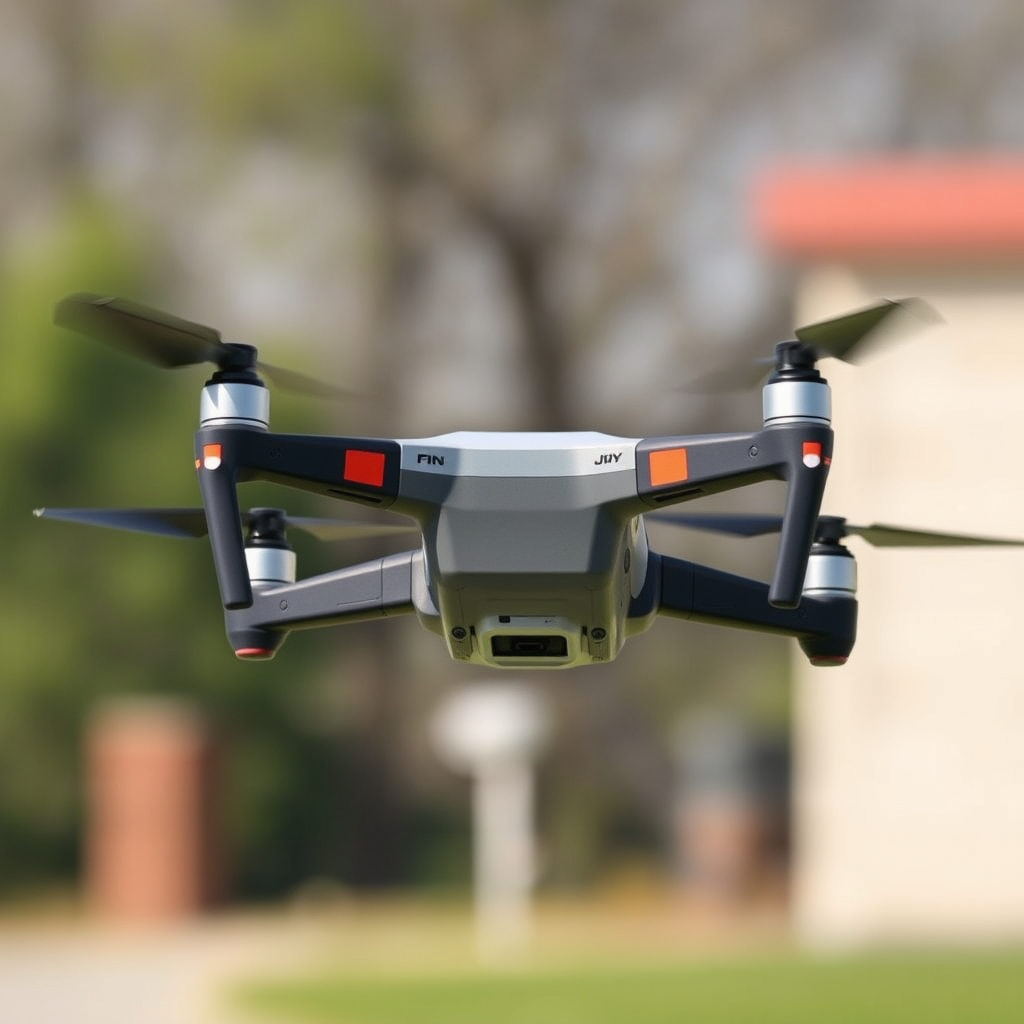
Flying a drone in Maryland requires compliance with both federal and state regulations. At the federal level, the Federal Aviation Administration (FAA) governs all drone operations under Part 107, which mandates that recreational and commercial drone pilots register their drones, maintain visual line of sight, and avoid flying over people and moving vehicles. Additionally, drone pilots must not fly above 400 feet in uncontrolled airspace and need to yield the right of way to manned aircraft.

On the state level, Maryland has enacted specific laws that further regulate drone use. For instance, the state prohibits the use of drones for surveillance purposes without consent and imposes restrictions on flying drones near critical infrastructure, including government buildings, schools, and transportation hubs. It is vital for drone operators to familiarize themselves with these regulations to avoid legal repercussions and ensure safety.
Best Places to Fly Drones in Maryland
Maryland boasts several stunning locations that are ideal for drone flying. Among the most popular parks is Patapsco Valley State Park, which offers diverse landscapes including forests, rivers, and trails, making it a perfect backdrop for capturing breathtaking aerial footage. Similarly, Sandy Point State Park on the Chesapeake Bay features beautiful waterfront views, sandy beaches, and expansive green spaces, ideal for recreational flying.
For those seeking scenic beauty, Chesapeake Bay itself is a breathtaking option, with its vast waters and picturesque shorelines. Pilots can capture stunning sunset vistas or the extensive wildlife that inhabits the area. Additionally, the Antietam National Battlefield offers a historical perspective, with its rolling hills and preserved landmarks that provide a unique flying experience while respecting the site’s historical significance.
Urban vs. Rural Drone Flying
When it comes to drone flying, there are distinct advantages and challenges associated with urban and rural locations. Rural areas in Maryland, such as Western Maryland’s expansive farmlands and open spaces, present less congested environments where drone pilots can fly freely without the constraints of densely populated areas. This open space allows for creative aerial photography, exploration, and the opportunity to experiment with advanced flying techniques.
Conversely, urban environments like Baltimore present unique challenges, including no-fly zones around airports, stadiums, and other public gatherings. Drone pilots must be acutely aware of local regulations prohibiting flight in these areas to avoid fines or legal action. However, urban settings can provide dynamic backdrops, such as cityscapes and architectural marvels, making them appealing for skilled pilots who can navigate the complexities of drone flying in congested areas.
Local Drone Clubs and Communities
Joining local drone clubs and communities can be immensely beneficial for both novice and experienced pilots. In Maryland, organizations such as the Maryland Drone User Group provide a platform for enthusiasts to share knowledge, tips, and experiences. These clubs often host regular meet-ups where members can fly together, participate in workshops, and learn about the latest technology and techniques from each other.
The benefits of joining such communities go beyond social interaction; they also offer safety tips that can enhance flying practices. Networking with fellow drone enthusiasts can lead to collaborative projects, and members can gain insights into local regulations, best flying locations, and upcoming events.
Events and Competitions for Drone Enthusiasts
Maryland hosts several events and competitions that cater to drone enthusiasts. One notable event is the Maryland Drone Racing Series, which invites pilots to compete in thrilling racing challenges. These events provide a platform for participants to showcase their skills while fostering a sense of community among drone pilots.
Additionally, festivals such as the Drone Film Festival celebrate the art of aerial cinematography, allowing participants to submit their work and gain recognition for their creative endeavors. These events not only encourage skill development but also present opportunities for networking and learning from industry professionals.
Tips for Safe and Responsible Drone Flying
Safety should always be the top priority for drone pilots. Conducting pre-flight checks is essential to ensure that your drone is in optimal condition before takeoff. This includes checking battery levels, propeller integrity, and ensuring that firmware is up to date. Maintaining line of sight with the drone is crucial for safe operation and compliance with FAA regulations.
Furthermore, respecting the privacy of others is paramount. Avoid flying over private property without permission and steer clear of crowded areas to minimize risk and adhere to legal guidelines. Being considerate of wildlife is also important; drones should not disturb animals, especially in protected areas.
Resources for Drone Pilots in Maryland
To stay informed about regulations and best practices, drone pilots in Maryland can access various resources. The FAA website provides comprehensive information on federal drone regulations, while the Maryland Department of Transportation offers insights into state-specific laws.
Additionally, several apps can assist pilots in checking flight zones and weather conditions. Apps like Airmap and B4UFLY provide real-time information on airspace restrictions, helping pilots make informed decisions before flying.
In summary, Maryland offers a variety of excellent locations for flying drones while emphasizing the importance of following legal guidelines and ensuring safety. Whether you are a beginner or an experienced pilot, exploring these locations can enhance your flying experience. By staying informed and respecting the rules, you can enjoy the stunning landscapes and vibrant communities that Maryland has to offer.
Frequently Asked Questions
What are the legal requirements for flying a drone in Maryland?
To legally fly a drone in Maryland, operators must adhere to both federal and state regulations. This includes registering their drone with the FAA if it weighs over 0.55 pounds, following the Part 107 rules for commercial operations, and ensuring they maintain visual line of sight. Additionally, users should be aware of any local ordinances that may restrict drone use in specific areas, such as parks or near government buildings.
Where can I find designated drone flying areas in Maryland?
Designated drone flying areas in Maryland can often be found on local government websites, drone community forums, or platforms like the FAA’s UAS Facility Maps. Popular locations include state parks, open fields, and designated drone zones that are free from airspace restrictions. Websites like DroneMap and AirMap can help you identify safe spots for flying while ensuring compliance with local regulations.
How do I check for airspace restrictions before flying my drone in Maryland?
Before flying your drone in Maryland, it’s crucial to check for airspace restrictions using tools like the FAA’s B4UFLY app or online aeronautical charts. These resources provide real-time information on restricted airspace, temporary flight restrictions, and no-fly zones. Always ensure you are flying in Class G airspace or in areas where you have permission, as this will help you avoid legal issues and ensure safety.
Why is it important to respect no-fly zones when operating a drone in Maryland?
Respecting no-fly zones when operating a drone in Maryland is essential for safety and compliance with aviation laws. Flying in restricted areas, such as near airports, military installations, or emergency response operations, can pose risks to manned aircraft and violate federal regulations. Violating these zones can lead to significant legal penalties, including fines and potential criminal charges, as well as compromising public safety.
What are the best practices for flying a drone in urban areas in Maryland?
When flying a drone in urban areas in Maryland, it is essential to follow best practices to ensure safety and compliance. Always maintain a safe distance from people, vehicles, and buildings to avoid accidents and respect privacy. Additionally, familiarize yourself with local laws and airspace restrictions, and avoid flying over crowds or sensitive areas. Utilizing a drone with geo-fencing capabilities can help prevent accidental entry into restricted zones, enhancing safety and compliance.
References
- https://www.faa.gov/uas/getting_started/where_to_fly
- https://www.maryland.gov/Pages/Drone.aspx
- https://www.nps.gov/articles/2019/drone-use-in-national-parks.htm
- https://www.mdsp.maryland.gov/DocumentUploads/Drone%20Policy%20-%20Final%20Version.pdf
- https://www.wm.edu/as/wmal/airspace/droneflying.php
- https://www.baltimoresun.com/news/environment/bs-md-drone-regulations-20190520-story.html
- https://www.mdlandrec.net/land-use/drone-use-in-maryland
- https://www.abcnews.go.com/Technology/faa-drone-regulations-explained/story?id=68247706
